💰 Click here to see Indonesia Budget Breakdown
💰 Prices updated: September, 2026. Budget figures are estimates — always verify before travel.
Exchange Rate: $1 USD = Rp17,928.47
Daily Budget (per person)
Shoestring: Rp358,569 – Rp896,424 ($20.00 – $50.00)
Mid-range: Rp1,254,993 – Rp2,689,271 ($70.00 – $150.00)
Comfortable: Rp2,689,271 – Rp4,482,118 ($150.00 – $250.00)
Accommodation (per night)
Hostel/guesthouse: Rp71,714 – Rp179,285 ($4.00 – $10.00)
Mid-range hotel: Rp448,212 – Rp896,424 ($25.00 – $50.00)
Food (per meal)
Budget meal: Rp26,893.00 ($1.50)
Mid-range meal: Rp143,428.00 ($8.00)
Upscale meal: Rp537,854.00 ($30.00)
Transport
Single metro/bus trip: Rp3,500.00 ($0.20)
Monthly transport pass: Rp200,000.00 ($11.16)
Indonesia’s tourism landscape shifted dramatically in 2026, with Lombok emerging as a genuine alternative to Bali’s increasingly crowded beaches and inflated prices. While Bali processes over 6 million international visitors annually, Lombok still welcomes fewer than 2 million, creating vastly different travel experiences just 35 kilometres apart across the Lombok Strait.
Crowds and Tourism Density
Bali’s popularity has reached a tipping point in 2026. Seminyak Beach resembles a packed urban pool on weekends, with beach clubs charging IDR 2,000,000 minimum spend just for a daybed. Canggu’s waves disappear under surfboard traffic, while Ubud’s rice terraces require advance booking through overcrowded viewing platforms.
Lombok offers breathing room that Bali lost years ago. Kuta Beach Lombok stretches for kilometres with scattered surfers and fishermen, not shoulder-to-shoulder tourists. Sekotong Peninsula’s pristine beaches remain virtually untouched, accessible only by local boat or motorcycle. Even Senggigi, Lombok’s main resort area, feels relaxed compared to Bali’s tourist corridors.
The infrastructure difference is stark. Bali’s southern peninsula experiences daily traffic gridlock, with the 12-kilometre journey from Denpasar Airport to Seminyak taking 90 minutes during peak hours. Lombok’s roads flow freely outside Mataram city centre, though they’re less developed overall.
Beach Quality and Coastal Experiences
Lombok’s beaches consistently outperform Bali’s in water quality and natural beauty. Pink Beach (Tangsi) showcases rare coral sand with crystal-clear water reaching 30-metre visibility. Tanjung Aan’s double bay creates protected swimming areas with powdery white sand that squeaks underfoot.
Bali’s southern beaches suffer from increasing pollution and development pressure. Kuta Beach Bali collects plastic debris daily, while Sanur’s shallow waters often appear murky from runoff. However, Bali’s beach infrastructure is superior—proper lifeguards, medical facilities, and water sports equipment readily available.
The snorkeling and diving contrast is significant. Lombok’s underwater ecosystems remain largely intact, with healthy coral reefs around the Gili Islands supporting diverse marine life. Schools of barracuda and reef sharks appear regularly on Gili Trawangan’s northwestern coast. Bali’s popular diving sites like the USAT Liberty wreck in Tulamben still deliver excellent experiences, but require navigating more tourist traffic and higher prices.

For surfers, Lombok provides uncrowded waves at Desert Point and Ekas Bay, though with basic facilities and challenging access roads. Bali’s surf breaks offer convenience and coaching schools but come with lineup crowds and aggressive localism at prime spots.
Cultural Immersion Opportunities
Lombok’s Sasak culture remains authentic and accessible, with traditional villages like Sade and Ende maintaining centuries-old building techniques using bamboo and rice straw. Sasak weaving demonstrations happen in family homes, not tourist-focused showrooms, creating genuine cultural exchanges.
The island’s Islamic character provides a different Indonesian experience from Hindu Bali. Call to prayer echoes across Lombok five times daily, traditional markets close during Friday prayers, and Ramadan transforms the island’s rhythm completely. Village ceremonies welcome respectful visitors, offering insights into Muslim Indonesian traditions rarely experienced in Bali.
Bali’s cultural offerings have become increasingly commercialised. Temple ceremonies now charge entrance fees, traditional dances perform on rigid schedules for tour groups, and authentic village life retreats to remote highland areas. However, Bali’s cultural infrastructure supports deeper learning through established art schools, cooking classes, and guided temple tours with knowledgeable English-speaking guides.
Language barriers differ significantly. Lombok locals primarily speak Sasak and Indonesian, with limited English outside resort areas. Bali’s tourism industry has created widespread English proficiency, making independent exploration easier for international visitors.
Adventure Activities and Outdoor Pursuits
Mount Rinjani dominates Lombok’s adventure landscape—Indonesia’s second-highest volcano offers challenging multi-day treks through diverse ecosystems. The crater lake sits at 2,000 metres elevation, surrounded by dramatic cliff walls and active volcanic vents. Trekking permits cost IDR 150,000, with mandatory guide fees adding IDR 1,500,000 for three-day expeditions.

Bali’s outdoor activities focus more on day trips and accessible adventures. Mount Batur sunrise hikes take just four hours total, suitable for casual hikers. White water rafting on the Ayung River provides thrills without technical difficulty, while ATV tours navigate rice terraces and jungle paths.
Lombok’s coastline creates world-class diving and snorkeling opportunities. The Gili Islands offer PADI certification courses at competitive rates (IDR 6,500,000 for Open Water), with excellent visibility and abundant marine life. Hammerhead sharks patrol the deeper waters off Gili Shark Point during full moon periods.
Mountain biking enthusiasts find Lombok’s terrain more challenging and rewarding. Single-track trails wind through coffee plantations and traditional villages in the island’s mountainous interior. Bike rental costs IDR 200,000 daily, though quality varies significantly between operators.
Bali excels in adventure activity infrastructure. Professional operators maintain international safety standards, equipment quality stays consistent, and emergency medical support is readily available. Lombok’s adventure tourism remains more rugged, with basic equipment and limited safety protocols outside established operators.
Accommodation Styles and Value
Lombok delivers exceptional value across all accommodation categories. Luxury beachfront villas in Senggigi start at IDR 3,500,000 nightly, offering private pools and direct beach access. Mid-range hotels with air conditioning and hot water average IDR 800,000-1,500,000, while clean guesthouses cost IDR 200,000-400,000.
Bali’s accommodation prices have skyrocketed in 2026. Comparable luxury villas in Seminyak demand IDR 8,000,000-15,000,000 nightly during peak season. Budget accommodations in prime locations exceed IDR 600,000 for basic rooms without amenities.
Accommodation styles differ markedly. Lombok emphasises traditional architecture and natural materials—bamboo bungalows, thatched roofs, and open-air bathrooms blend with tropical surroundings. Many properties incorporate Sasak design elements and local craftsmanship.

Bali offers sophisticated resort experiences with extensive facilities. Five-star properties provide multiple restaurants, spa services, fitness centres, and concierge support. Design aesthetics range from ultra-modern to traditional Balinese, often mixing both elements.
For digital nomads and long-term visitors, Lombok provides excellent monthly rental value. Furnished houses with WiFi rent for IDR 8,000,000-15,000,000 monthly in desirable areas. Bali’s monthly rentals have doubled since 2024, with basic apartments starting at IDR 20,000,000 in popular zones.
Food Scenes and Dining Experiences
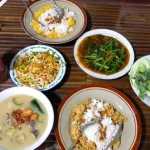
Lombok’s culinary landscape centres on Sasak specialties and fresh seafood. Ayam Taliwang—spicy grilled chicken with rich sambal—represents the island’s signature dish, best experienced at simple warungs where the chicken sizzles over coconut charcoal and arrives with fragrant steamed rice and raw vegetables. Night markets in Mataram offer authentic local flavours for IDR 25,000-50,000 per meal, with vendors grilling fish caught that morning and preparing traditional soups from family recipes.
The island’s seafood shines at beachside restaurants in Senggigi and Kuta, where lobster, snapper, and prawns cost 60% less than comparable Bali establishments. Local fishing boats deliver daily catches directly to restaurants, ensuring exceptional freshness.
Bali’s restaurant scene offers international variety and sophisticated presentation. Celebrity chef establishments serve fusion cuisine alongside traditional Balinese specialties. Fine dining options span Japanese, Italian, Mexican, and modern Australian cuisines, though prices match Western standards.
Vegetarian and vegan options remain limited on Lombok outside resort restaurants. Traditional Sasak cuisine relies heavily on meat and fish, with limited understanding of dietary restrictions. Bali caters extensively to plant-based diets, with dedicated vegan restaurants and clearly marked menu options throughout tourist areas.
Food safety standards vary between islands. Bali’s established tourism infrastructure includes stricter hygiene protocols and trained kitchen staff. Lombok’s local eateries maintain basic standards but may challenge sensitive stomachs unaccustomed to Indonesian street food.

Transportation and Getting Around
Lombok’s transportation infrastructure improved significantly in 2026 with the completion of the northern coastal road, connecting Senggigi to the Gili Islands port in 45 minutes instead of the previous 90-minute mountain route. However, public transportation remains limited outside main routes.
Motorcycle rental dominates local transport at IDR 100,000-150,000 daily. Roads vary from smooth highways to rough village tracks requiring experienced riders. International driving permits are essential, though enforcement is inconsistent.
Bali’s transportation network includes reliable taxi services, ride-sharing apps, and extensive motorbike taxi coverage. The island’s compact size makes most destinations accessible within two hours, despite traffic congestion. Airport connections to accommodation areas are straightforward with multiple transport options.
Inter-island connectivity has expanded dramatically. Fast boats between Bali and the Gili Islands operate hourly during daylight, taking 90 minutes and costing IDR 450,000-650,000 one-way. Lombok International Airport offers direct flights to major Indonesian cities and several international destinations, reducing Bali dependency for air travel.
Car rental with driver services cost IDR 600,000-800,000 daily on Lombok, providing comfortable transport for sightseeing without navigation challenges. Similar services in Bali charge IDR 800,000-1,200,000 daily, reflecting higher operating costs and demand.
Budget Breakdown
Budget Traveller (IDR 350,000-500,000 daily):
Lombok: Guesthouse accommodation (IDR 200,000), local meals (IDR 75,000), motorbike rental (IDR 100,000), miscellaneous (IDR 125,000). Beach activities and temple visits cost minimal extra fees.
Bali: Hostel dorm bed (IDR 200,000), street food and warungs (IDR 100,000), local transport (IDR 150,000), activities and drinks (IDR 150,000). Temple entrance fees and tourist site charges add up quickly.
Mid-range Traveller (IDR 1,200,000-1,800,000 daily):
Lombok: Boutique hotel (IDR 800,000), restaurant meals (IDR 300,000), private transport (IDR 200,000), tours and activities (IDR 400,000). Exceptional value for money with premium experiences.
Bali: Three-star hotel (IDR 1,200,000), mix of restaurants (IDR 500,000), transport and tours (IDR 400,000), entertainment and shopping (IDR 300,000). Higher costs but more convenient services.
Comfortable Traveller (IDR 3,500,000+ daily):

Lombok: Luxury beachfront villa (IDR 2,500,000), fine dining and spa treatments (IDR 800,000), private driver and boat trips (IDR 600,000). World-class luxury at moderate prices.
Bali: High-end resort (IDR 4,500,000), premium restaurants and clubs (IDR 1,500,000), private services and shopping (IDR 1,000,000). International luxury standards with corresponding prices.
Currency exchange rates favour Lombok visitors, with better rates available in Mataram compared to Bali’s tourist-focused money changers. ATMs are widely available in Senggigi and Mataram, though rural areas require cash planning.
Frequently Asked Questions
Which island is better for first-time Indonesia visitors?
Bali offers easier navigation, English-speaking services, and diverse accommodation options. The established tourism infrastructure provides comfort for international visitors unfamiliar with Indonesian culture and customs.
How many days should I spend on each island?
Allocate minimum five days for Lombok to experience Rinjani trekking and the Gili Islands properly. Bali requires seven days to explore multiple regions without feeling rushed.
Is it safe to travel solo on Lombok as a woman?
Yes, with standard precautions. Lombok is predominantly Muslim, so modest dress is appreciated. Solo female travellers should avoid isolated beaches after dark and use reputable accommodation.
Can I island-hop between Bali and Lombok easily?
Fast boat services run multiple times daily between Bali (Serangan or Sanur) and Lombok/Gili Islands. Journey time is 90-120 minutes costing IDR 450,000-650,000 one-way in 2026.
Which island has better WiFi for digital nomads?
Bali provides superior internet infrastructure with fiber connections in major areas. Lombok’s WiFi is reliable in resort areas but inconsistent in rural locations and during peak usage periods.
Explore more
10 Unforgettable Things to Do in Lombok, Indonesia’s Hidden Gem
Beyond the Gili Islands: Unforgettable Things to Do in Lombok
Beyond Bali: Unforgettable Things to Do in Lombok
📷 Featured image by Marvin Meyer on Unsplash.