On this page
Jakarta’s reputation as a chaotic megacity can intimidate first-time visitors, but 2026 brings significant improvements that make Indonesia’s capital far more navigable. The expanded MRT and LRT networks now connect major districts seamlessly, while the Trans-Jakarta busway has added new routes that bypass the infamous traffic jams. This three-day itinerary cuts through the overwhelm to show you Jakarta’s essential experiences without the stress.
Day 1: Historic Jakarta and Cultural Immersion
Start your Jakarta journey in Kota Tua, the old town that serves as the city’s historical heart. The restored cobblestone square comes alive early morning before the heat sets in, with street performers and local vendors setting up their stalls. The Jakarta History Museum inside the former city hall provides crucial context for understanding how this Dutch colonial outpost became Southeast Asia’s largest metropolis.
Walk five minutes north to Sunda Kelapa Harbor, where traditional wooden pinisi schooners still dock as they have for centuries. The contrast between these sailing vessels and Jakarta’s gleaming skyscrapers visible across the water perfectly captures the city’s blend of old and new. Local fishermen will often let you photograph their boats for a small tip of IDR 20,000-50,000.
For lunch, head to Café Batavia on the eastern side of Fatahillah Square. This colonial-era building serves both Indonesian and European dishes in an atmosphere thick with history and the aroma of strong Indonesian coffee. The nasi gudeg here carries hints of palm sugar sweetness that transport you straight to Central Java.
Spend your afternoon at the National Museum, a 15-minute MRT ride from Kota Tua station to Monas station. The museum’s ethnography collection showcases Indonesia’s incredible diversity across 17,000 islands, while the prehistoric section houses one of Southeast Asia’s most comprehensive collections of early human artifacts.
End Day 1 at Monas (National Monument). Take the elevator to the observation deck for sunset views across Jakarta’s sprawling urban landscape. The golden hour light filtering through the smog creates an unexpectedly beautiful panorama of this massive city finding its way forward.

Day 2: Modern Jakarta and Shopping Districts
Begin Day 2 in the Sudirman Central Business District, Jakarta’s answer to Singapore’s financial center. The MRT makes this area easily accessible, and morning visits avoid the afternoon heat that can make walking uncomfortable. Start at the Bundaran HI area, where the iconic Hotel Indonesia fountain marks the heart of modern Jakarta.
Walk through the underground pedestrian network connecting major malls and office towers. This climate-controlled pathway system, expanded significantly in 2025, allows you to experience Jakarta’s business culture without battling traffic or weather. The network stretches from Grand Indonesia mall to Plaza Indonesia, offering glimpses into how Jakarta’s middle and upper classes navigate their daily lives.
Grand Indonesia represents Jakarta shopping at its most sophisticated. The mall’s food court on the fifth floor serves excellent versions of Indonesian regional cuisines in an air-conditioned environment perfect for first-time visitors still adjusting to Jakarta’s intensity. Try the rendang from Padang Express, where slow-cooked beef melts into complex layers of coconut milk and spice that define Minangkabau cuisine.
Take the MRT to Senayan for afternoon exploration of the Gelora Bung Karno sports complex area. This district showcases Jakarta’s aspirations as a modern Asian capital, with wide boulevards, manicured parks, and the impressive main stadium that hosted the 2018 Asian Games.
End Day 2 in the SCBD (Sudirman Central Business District) area for dinner and nightlife. The rooftop bars here offer spectacular city views, while street-level warungs provide authentic local experiences. The juxtaposition creates Jakarta’s unique energy – gleaming towers rising above traditional food stalls where office workers grab quick dinners.

Day 3: Local Life and Hidden Gems
Dedicate your final day to experiencing Jakarta as locals do. Start early at Pasar Minggu morning market, accessible via the new LRT Yellow Line. This authentic wet market operates from 5 AM to 10 AM, offering an unfiltered look at daily Indonesian life. The sensory overload of tropical fruits, fresh spices, and live seafood creates an authentic Jakarta experience most tourists miss.
Navigate to Kemang area for late morning coffee culture exploration. This neighborhood has evolved into Jakarta’s creative hub, with independent coffee roasters, art galleries, and design studios occupying converted shophouses. The area feels distinctly Indonesian rather than trying to replicate Western aesthetics.
Spend your afternoon in Menteng, Jakarta’s most prestigious residential area. Walk the tree-lined streets to see how Indonesia’s political and business elite live, with Dutch colonial mansions sitting alongside modern compounds behind high walls. The area provides context for understanding Jakarta’s complex social dynamics and economic stratification.
For your final Jakarta experience, head to Jalan Jaksa backpacker area for dinner. While touristy, this street encapsulates Jakarta’s role as a crossroads for travelers exploring Indonesia. The mix of budget accommodations, travel agencies, and restaurants serving fusion Indonesian-Western food represents Jakarta’s function as both destination and gateway.
Cap your three days with sunset drinks at a rooftop venue in Central Jakarta. The view of traffic streams creating rivers of light between towering buildings, while the call to prayer echoes from nearby mosques, perfectly captures Jakarta’s identity as a modern Muslim megacity.
Getting Around Jakarta Like a Pro
Jakarta’s transportation revolution continues in 2026 with the completed MRT North-South Line and the operational LRT network connecting East Jakarta to the city center. The integrated system now makes cross-city travel possible without enduring legendary traffic jams that once defined Jakarta travel.

Purchase a Jakcard at any MRT or LRT station for IDR 25,000 plus your initial top-up amount. This card works across all public transportation modes and offers significant discounts compared to single-journey tickets. The minimum top-up is IDR 20,000, sufficient for several days of travel.
For areas not served by rail, use the TransJakarta busway system. The dedicated bus lanes bypass traffic effectively, though buses can get crowded during peak hours. Peak times (7-9 AM and 5-7 PM) see intense crowding, so plan accordingly.
Ojek online (motorcycle taxis) via Gojek or Grab remain essential for last-mile connectivity. Prices have stabilized in 2026 at approximately IDR 2,000-3,000 per kilometer, making them cost-effective for short distances or reaching areas with limited public transport access.
Avoid regular taxis unless using app-based services. Jakarta’s traditional taxi industry still struggles with meter manipulation and route padding, particularly targeting foreign visitors. Ride-hailing apps provide transparent pricing and GPS tracking that eliminates these issues.
Where to Stay for Easy Access
Central Jakarta offers the best connectivity for first-time visitors, with multiple MRT and LRT stations within walking distance of major hotels. The Thamrin-Sudirman corridor provides easy access to business districts, shopping areas, and transportation hubs.
Budget travelers should consider Jalan Jaksa area, where hostels and guesthouses range from IDR 150,000-300,000 per night. The location offers walking access to Gambir railway station and nearby MRT connections, plus numerous affordable restaurants and travel services.
Mid-range options in Menteng or Cikini areas provide residential neighborhood experiences while maintaining good public transport access. Hotels here typically range IDR 500,000-1,200,000 per night and offer quieter environments compared to busy Thamrin area.

Luxury accommodations cluster around the Sudirman Central Business District, where five-star hotels charge IDR 2,000,000-5,000,000 per night. These properties provide direct access to premium shopping, fine dining, and business facilities, plus often include airport transfer services.
Kemang area suits visitors seeking local neighborhood vibes with good restaurant and café access. Boutique hotels and serviced apartments here range IDR 600,000-1,500,000 per night and provide authentic Jakarta residential experiences.
Essential Food Experiences You Can’t Miss
Jakarta’s food scene reflects Indonesia’s incredible diversity, with regional cuisines from across the archipelago represented alongside the city’s own Betawi specialties. Start with street food exploration at Kebon Sirih area, where vendors set up each evening serving everything from gado-gado to satay.
Try authentic Betawi cuisine at Soto Betawi H. Ma’ruf in Kemayoran. Their signature coconut milk-based beef soup carries the rich complexity that defines Jakarta’s indigenous food culture, with tender meat and vegetables swimming in creamy, aromatic broth that locals have perfected over generations.
For upscale Indonesian dining, visit Plataran Menteng, which elevates traditional recipes using premium ingredients and refined presentation. Their rijsttafel presentation allows first-time visitors to sample multiple Indonesian dishes in appropriate portions.
Experience Jakarta’s Chinese-Indonesian fusion at Pantjoran Tea House in Glodok. The historic neighborhood’s culinary heritage comes alive in dishes like bakmi ayam and es campur, where Chinese techniques blend with Indonesian ingredients and Muslim dietary requirements.
Don’t miss late-night dining at 24-hour Padang restaurants scattered throughout the city. These establishments serve West Sumatran cuisine featuring intensely flavored curries and vegetables displayed in glass cases. Simply point to dishes that appeal to you – prices range IDR 15,000-40,000 per portion.
2026 Budget Breakdown for First-Timers
Budget travelers can experience Jakarta comfortably on IDR 400,000-600,000 per day, including accommodation in backpacker areas, local transportation, street food meals, and free or low-cost attractions. This budget allows for authentic experiences without comfort compromises.

Mid-range visitors spending IDR 800,000-1,500,000 daily can stay in business hotels, dine at air-conditioned restaurants, use ride-hailing services liberally, and enjoy shopping at major malls. This budget provides climate-controlled comfort while maintaining cultural immersion opportunities.
Comfortable budgets of IDR 2,000,000-4,000,000 per day unlock luxury hotel stays, fine dining experiences, private transportation, and premium shopping. This level allows for maximum convenience while exploring Jakarta’s sophisticated urban culture.
Transportation costs have become more predictable in 2026. MRT/LRT journeys cost IDR 3,000-14,000 depending on distance, while TransJakarta buses charge IDR 3,500 for most routes. Ojek online trips average IDR 15,000-35,000 for typical tourist distances.
Meal costs vary dramatically by venue choice. Street food portions cost IDR 8,000-25,000, warung meals range IDR 20,000-50,000, casual restaurants charge IDR 75,000-150,000 per person, while upscale dining starts around IDR 300,000 per person before drinks.
Attraction entrance fees remain modest. Most museums charge IDR 5,000-15,000 for foreign visitors, while Monas costs IDR 15,000 for the elevator to the observation deck. Many of Jakarta’s best experiences – walking through neighborhoods, exploring markets, enjoying parks – remain completely free.
Frequently Asked Questions
How many days do I need to see Jakarta properly?
Three days provides a solid introduction to Jakarta’s major attractions, food scene, and cultural highlights. However, five days allows for deeper exploration of neighborhoods and day trips to nearby areas like Bogor or Bandung.
Is it safe to drink tap water in Jakarta?
No, avoid tap water throughout Jakarta. Stick to bottled water, which costs IDR 3,000-8,000 per bottle at convenience stores. Most hotels and restaurants serve filtered or bottled water automatically.
What’s the best time of year to visit Jakarta?
May through September offers the driest weather, though Jakarta remains hot and humid year-round. The rainy season (October-April) brings afternoon thunderstorms but also fewer tourists and lower hotel rates.
How do I get from Soekarno-Hatta Airport to central Jakarta?
The Airport Train connects to central Jakarta in 45 minutes for IDR 70,000. Alternatively, ride-hailing services cost IDR 150,000-250,000 depending on destination and traffic conditions, taking 45-90 minutes.
Do I need to speak Indonesian to navigate Jakarta?
Basic English works in hotels, malls, and tourist areas. Download translation apps for market visits and local restaurants. Learning basic Indonesian greetings and numbers greatly enhances interactions with local people.
Explore more
Things to Do in Jakarta: Uncover the City’s Hidden Gems
Is Jakarta Worth Visiting? Top Things to Do in Indonesia’s Capital
Best Things to Do in Jakarta: An Essential Guide for Travelers
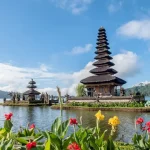
📷 Featured image by Jonathan Pangaribuan on Unsplash.