On this page
- East Nusa Tenggara’s Hidden Volcanic Gems
- Sulawesi’s Underwater Kingdoms and Cultural Heartlands
- Maluku’s Spice Islands Adventure
- West Papua’s Pristine Marine Paradise
- Sumatra’s Wildlife Sanctuaries and Cultural Treasures
- Java’s Volcanic Islands and Historical Retreats
- Kalimantan’s River Systems and Orangutan Encounters
- Planning Your Indonesian Island-Hopping Adventure
- Budget Breakdown for Multi-Island Exploration
- Frequently Asked Questions
💰 Click here to see Indonesia Budget Breakdown
💰 Prices updated: August, 2026. Budget figures are estimates — always verify before travel.
Exchange Rate: $1 USD = Rp17,720.00
Daily Budget (per person)
Shoestring: Rp389,840 – Rp1,151,800 ($22.00 – $65.00)
Mid-range: Rp886,000 – Rp1,772,000 ($50.00 – $100.00)
Comfortable: Rp4,430,000 – Rp8,860,000 ($250.00 – $500.00)
Accommodation (per night)
Hostel/guesthouse: Rp53,160 – Rp744,240 ($3.00 – $42.00)
Mid-range hotel: Rp460,720 – Rp1,772,000 ($26.00 – $100.00)
Food (per meal)
Budget meal: Rp30,000.00 ($1.69)
Mid-range meal: Rp105,000.00 ($5.93)
Upscale meal: Rp1,250,000.00 ($70.54)
Transport
Single metro/bus trip: Rp5,000.00 ($0.28)
Monthly transport pass: Rp886,000.00 ($50.00)
With over 17,500 Islands scattered across the Indonesian archipelago, choosing destinations beyond Bali has become both easier and more complex in 2026. New flight routes from Garuda Indonesia and Lion Air have opened previously remote islands to direct access, while improved ferry connections through the Pelni network make multi-island journeys more seamless than ever before.
East Nusa Tenggara’s Hidden Volcanic Gems
Flores stands as East Nusa Tenggara’s crown jewel, where the three-coloured crater lakes of Kelimutu volcano shift from turquoise to chocolate brown to emerald green depending on mineral activity. The morning mist clears around 7 AM, revealing these otherworldly pools that local Ende people believe house ancestral spirits. Getting there requires a 4 AM departure from Moni village, but the sight of sunrise painting these mystical waters makes the early start worthwhile.
Komodo Island draws visitors for its ancient dragons, but the surrounding waters offer some of Indonesia’s most challenging dive sites. Pink Beach provides a gentler introduction to the marine park, where pink coral fragments create shorelines that look almost artificial in their beauty. The dragons themselves roam freely across scrubland that bakes under intense sun, requiring sturdy hiking boots and plenty of water for ranger-guided walks.
Sumba delivers a cultural experience unlike anywhere else in Indonesia. Traditional villages like Waikabubak maintain megalithic tombs and animist traditions that predate Hindu-Buddhist influence. The island’s isolation has preserved weaving techniques producing ikat textiles that take months to complete, with patterns passed down through generations of Sumbanese women.
Sulawesi’s Underwater Kingdoms and Cultural Heartlands
North Sulawesi’s Bunaken Marine Park maintains its reputation as one of the world’s best wall diving destinations, where coral formations drop into 1,400-metre depths just metres from shore. The early morning dive at Lekuan Wall reveals schools of barracuda spiralling through blue water, while turtles graze on seagrass beds in the shallows. Manado’s seafood markets come alive each evening with vendors grilling cakalang fufu (smoked skipjack tuna) over coconut husks, filling the air with sweet smoke.

Central Sulawesi’s Tana Toraja region preserves funeral traditions that transform death into elaborate celebrations. Traditional tongkonan houses with their distinctive boat-shaped roofs dot valleys surrounded by rice terraces, while cliff-face burial sites house tau tau effigies watching over the living. The complex ceremonies require months of planning and substantial financial investment from families, making attendance a privilege for visitors.
Southeast Sulawesi’s Wakatobi archipelago operates as a marine national park where resort conservation programs have restored coral coverage to over 90% in protected areas. The house reef at Tomia Island provides snorkeling access to pristine hard corals, while the deeper reefs around Kaledupa attract manta rays year-round.
Maluku’s Spice Islands Adventure
Banda Islands offer history lessons written in nutmeg groves and colonial ruins. The VOC fort on Banda Neira overlooks the harbour where Dutch spice traders once controlled global nutmeg prices, while traditional nutmeg plantations on Banda Besar still operate using centuries-old techniques. The boat journey between islands reveals volcanic cones rising from deep blue water, with snorkeling spots where coral gardens thrive in gin-clear visibility.
Ambon serves as the regional hub with direct flights from Jakarta, but the real treasures lie in surrounding islands. Saparua’s white sand beaches face protected bays perfect for swimming, while traditional sago palm processing continues in villages accessible by public boats that run twice daily.
The remote Kei Islands demand serious commitment to reach, requiring overnight stays in Ambon plus early morning flights to Langgur. The reward comes in the form of Pasir Panjang, a sandbank that extends 3 kilometres into turquoise water, and traditional villages where women still weave bags from pandan leaves using pre-colonial techniques.

West Papua’s Pristine Marine Paradise
Raja Ampat has evolved from diving secret to bucket-list destination while maintaining extraordinary marine biodiversity. The convergence of Pacific and Indian Ocean currents creates feeding grounds for everything from wobbegong sharks to schools of barracuda that form living tornadoes in the water column. Arborek village demonstrates successful marine conservation, where former fishermen now guide snorkeling trips and women weave bags from recycled materials.
Wayag Island’s mushroom-shaped karst formations create a maze of hidden lagoons accessible only by kayak or small boat. The water clarity reveals coral gardens 10 metres below, while caves and tunnels provide shelter for reef sharks and schools of sweetlips. Camping permits allow overnight stays, but require advance booking through Raja Ampat Marine Park authorities.
Triton Bay offers softer diving conditions than northern Raja Ampat sites, with muck diving opportunities that rival Lembeh Strait. The remote location means fewer visitors but requires liveaboard accommodation, as land-based options remain limited despite growing international interest.
Sumatra’s Wildlife Sanctuaries and Cultural Treasures
Lake Toba operates as Sumatra’s tourism centrepiece, where Batak culture thrives on Samosir Island surrounded by Southeast Asia’s largest volcanic lake. Traditional Batak houses with their distinctive boat-shaped roofs house families who trace lineage through complex clan systems, while the fermented fish sauce used in local cooking creates an unmistakable aroma that defines Batak cuisine.
The Mentawai Islands attract serious surfers to breaks like Macaronis and Lance’s Left, where consistent swells create world-class waves from April through October. The indigenous Mentawai people maintain traditional tattoo practices and shamanic healing rituals, offering cultural experiences that complement the surfing focus.

Weh Island at Sumatra’s northern tip provides Indonesia’s westernmost diving, where nutrient-rich waters from the Andaman Sea support healthy coral reefs. The wreck of a Japanese cargo ship from World War II creates an artificial reef system, while the island’s position makes it ideal for exploring Aceh’s unique Islamic culture and cuisine.
Java’s Volcanic Islands and Historical Retreats
Krakatau’s active volcano continues building new land where the 1883 eruption once obliterated three islands. Boat trips from Carita Beach on Java’s west coast reveal steaming vents and lava flows on Anak Krakatau (Child of Krakatau), while snorkeling around the outer islands shows how marine life recolonizes volcanic substrates.
Karimunjawa archipelago off Central Java’s coast operates as a marine national park where traditional fishing villages coexist with protected coral reefs. The shallow lagoons between islands create perfect conditions for stand-up paddleboarding, while deeper channels attract pelagic species during seasonal migrations.
Madura Island, connected to East Java by the Suramadu Bridge, preserves bull racing traditions that date back centuries. The karapan sapi competitions feature decorated Madura bulls racing at speeds up to 60 kilometres per hour, while the island’s salt fields create geometric patterns visible from passing trains.
Kalimantan’s River Systems and Orangutan Encounters
Central Kalimantan’s Tanjung Puting National Park provides the most accessible orangutan encounters in Indonesian Borneo. Traditional klotok riverboats navigate the Sekonyer River through primary rainforest, where proboscis monkeys crash through canopy branches and hornbills call from hidden perches. The feeding platforms at Camp Leakey allow close orangutan observations, though wild encounters along forest trails provide more authentic experiences.
East Kalimantan’s Derawan archipelago combines marine conservation with traditional fishing culture. Sangalaki Island hosts one of Indonesia’s most important green turtle nesting beaches, where guided night walks reveal females laying eggs in sand warmed by tropical sun. The nearby jellyfish lake on Kakaban Island creates a surreal snorkeling experience among millions of stingless jellyfish.

The Mahakam River system penetrates deep into Dayak territory, where traditional longhouses shelter extended families and shamanic practices continue alongside modern life. River travel requires multiple days but reveals cultural diversity rarely seen by foreign visitors, including traditional tattoo ceremonies and harvest festivals.
Planning Your Indonesian Island-Hopping Adventure
Indonesia’s domestic flight network has expanded significantly since 2024, with new routes connecting previously isolated destinations. Wings Air now operates direct flights from Jakarta to Raja Ampat via Sorong, while Lion Air added connections between Flores and Maluku. The government’s tourism infrastructure development program has improved airport facilities in remote locations, though flight schedules remain subject to weather delays during monsoon seasons.
Inter-island ferry connections through Pelni provide budget alternatives to flying, though journey times require flexible schedules. The KM Bukit Raya route connects Java to eastern Indonesia via Sulawesi and Maluku, taking 6-8 days but offering authentic Indonesian travel experiences with local passengers.
Visa requirements remain straightforward for most nationalities visiting Indonesia in 2026, with the electronic Visa on Arrival system processing applications within hours. However, some remote locations require additional permits, particularly in West Papua where surat jalan (travel permits) remain mandatory for areas beyond Raja Ampat.
Budget Breakdown for Multi-Island Exploration
Budget travelers can explore Indonesia’s islands for 500,000-750,000 IDR daily by combining local transportation, homestays, and warung meals. This covers basic accommodation in fishing villages, shared boat transfers, and simple meals, but requires flexibility with schedules and comfort levels.

Mid-range budgets of 1,200,000-2,000,000 IDR daily allow comfortable guesthouses, private boat charters for day trips, and restaurant meals while maintaining authentic local experiences. This budget tier provides the best balance between comfort and cultural immersion for most travelers.
Comfortable exploration requires 3,000,000-5,000,000 IDR daily for resort accommodation, private guides, and expedited transport. This budget enables access to exclusive dive sites, cultural programs, and luxury amenities while maintaining high service standards throughout remote island visits.
Domestic flights between islands cost 1,500,000-4,000,000 IDR depending on distance and booking timing. Popular routes like Jakarta-Manado or Bali-Flores often offer promotional fares below 2,000,000 IDR when booked in advance, while remote destinations like Raja Ampat command premium pricing due to limited capacity.
Dive packages represent significant expenses in marine-focused destinations, with day trips ranging from 800,000-1,500,000 IDR including equipment and guides. Multi-day liveaboard expeditions cost 2,000,000-4,000,000 IDR per day but provide access to remote sites impossible to reach from shore-based accommodation.
Frequently Asked Questions
Which Indonesian islands are easiest to reach without connecting flights?
Sumatra, Java, and Sulawesi offer direct international connections to major cities. Lake Toba, Yogyakarta’s surrounding areas, and Manado for Bunaken diving provide excellent island experiences accessible via direct flights from Singapore, Kuala Lumpur, or major Indonesian cities.
What’s the best time to visit Indonesia’s eastern islands?
April through October offers the driest weather for eastern destinations like Flores, Maluku, and Raja Ampat. However, diving conditions remain excellent year-round in most locations, while cultural festivals often occur during wet season months when agricultural communities have more free time.
Do I need special permits for visiting remote Indonesian islands?
Most islands require only standard entry visas, but West Papua (including Raja Ampat) requires surat jalan permits for areas beyond main tourism zones. Marine parks like Komodo and Bunaken charge entry fees, while some traditional villages request small donations for community development projects.
How reliable are inter-island flight schedules in Indonesia?
Major routes operated by Garuda Indonesia and Lion Air maintain good reliability, but smaller airlines serving remote destinations experience delays during monsoon seasons. Always allow buffer days when connecting to international flights, particularly when traveling from eastern Indonesian destinations.
Can I island-hop in Indonesia using only ferries and boats?
Yes, Pelni ferries connect most major islands, while local boats provide shorter connections. This approach takes significantly longer but costs much less than flying. Popular ferry routes include Java-Bali-Lombok-Flores and Sulawesi-Maluku, though schedules vary seasonally and require flexible planning.
Explore more
Beyond Bali: Your Ultimate Guide to Indonesia’s Regional Wonders
Beyond Bali: Discover Indonesia’s Best Regional Travel Destinations
Where to Go in Indonesia Besides Bali?
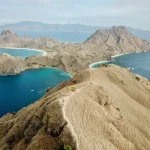
📷 Featured image by Rizki Oceano on Unsplash.