On this page
- Java’s Cultural Powerhouses: Yogyakarta and Solo
- Flores: Dragons, Lakes, and Traditional Villages
- North Sumatra: Orangutans and Lake Toba’s Volcanic Beauty
- Sulawesi’s Unique Wildlife and Torajan Death Rituals
- Raja Ampat: World’s Best Marine Biodiversity
- Maluku: The Original Spice Islands Experience
- Budget Breakdown: Costs for Each Destination
- Frequently Asked Questions
💰 Click here to see Indonesia Budget Breakdown
💰 Prices updated: September, 2026. Budget figures are estimates — always verify before travel.
Exchange Rate: $1 USD = Rp17,928.47
Daily Budget (per person)
Shoestring: Rp358,569 – Rp896,424 ($20.00 – $50.00)
Mid-range: Rp1,254,993 – Rp2,689,271 ($70.00 – $150.00)
Comfortable: Rp2,689,271 – Rp4,482,118 ($150.00 – $250.00)
Accommodation (per night)
Hostel/guesthouse: Rp71,714 – Rp179,285 ($4.00 – $10.00)
Mid-range hotel: Rp448,212 – Rp896,424 ($25.00 – $50.00)
Food (per meal)
Budget meal: Rp26,893.00 ($1.50)
Mid-range meal: Rp143,428.00 ($8.00)
Upscale meal: Rp537,854.00 ($30.00)
Transport
Single metro/bus trip: Rp3,500.00 ($0.20)
Monthly transport pass: Rp200,000.00 ($11.16)
With Bali’s increasing crowds and rising prices in 2026, many travellers are discovering that Indonesia’s true magic lies beyond its most famous island. While Bali processes over 6 million visitors annually, the rest of this 17,000-island archipelago offers authentic cultural experiences, pristine nature, and significantly better value for money.
Java’s Cultural Powerhouses: Yogyakarta and Solo
Java holds Indonesia’s cultural heart, where ancient traditions thrive alongside modern life. Yogyakarta, known locally as Jogja, serves as the country’s cultural capital and remains the only region in Indonesia still ruled by a sultan.
The morning call to prayer echoing across Yogyakarta’s red-tiled rooftops creates an ethereal soundtrack as street vendors wheel their carts through narrow alleys, serving steaming bowls of gudeg—a sweet jackfruit curry that defines Javanese cuisine. This UNESCO Creative City offers unmatched access to Indonesian heritage without Bali’s tourist inflation.
Borobudur, the world’s largest Buddhist temple, sits just 42 kilometres from Yogyakarta’s centre. Built in the 8th century, this massive stone mandala predates Cambodia’s Angkor Wat by 300 years. The sunrise tour, departing at 4:30 AM, lets you witness the temple emerge from morning mist while avoiding the heat and crowds.
Solo (Surakarta) offers an even more authentic Javanese experience. The city’s two royal palaces, Kraton Kasunanan and Pura Mangkunegaran, showcase traditional court culture through daily performances of gamelan music and classical dance. Solo’s batik workshops produce Indonesia’s finest hand-drawn textiles, with master artisans creating pieces that take months to complete.
Transportation between cities improved dramatically in 2026 with the completion of the Jakarta-Surabaya high-speed rail line, reducing travel time from Jakarta to Yogyakarta to just 3.5 hours. Local transportation uses the Trans Jogja bus system, covering most tourist areas for IDR 4,000 per journey.

Flores: Dragons, Lakes, and Traditional Villages
Flores stretches across 360 kilometres of rugged mountains, volcanic lakes, and traditional villages where animist beliefs persist alongside Christianity. This elongated island offers adventure without requiring extreme fitness levels or expensive equipment.
Komodo National Park, accessible from Flores, protects the world’s largest lizards on Rinca and Komodo islands. These 3-metre predators, weighing up to 70 kilograms, patrol the savanna landscapes with surprising speed. The park’s marine biodiversity rivals Raja Ampat, with manta ray cleaning stations and coral walls dropping into 40-metre depths.
Mount Kelimutu’s three coloured lakes change from turquoise to black to red based on mineral content and temperature. The 6 AM sunrise hike takes 45 minutes from the parking area, revealing lakes that local Lio people believe house ancestral spirits. Each lake represents different souls: one for elders, one for young people, and one for those who died by violence or suicide.
Traditional villages like Bena and Wae Rebo preserve megalithic stone arrangements and cone-shaped houses built without nails. Wae Rebo requires a 2-hour trek through cloud forest, but villagers provide simple accommodation in traditional houses for IDR 250,000 per person, including meals.
Flores’ infrastructure improved significantly in 2026 with the completion of the Trans-Flores Highway, reducing driving time from Labuan Bajo to Ende from 8 hours to 5.5 hours. Garuda Indonesia now operates direct flights from Jakarta and Bali to Labuan Bajo twice daily.
North Sumatra: Orangutans and Lake Toba’s Volcanic Beauty
North Sumatra combines wildlife conservation with geological wonders, offering experiences impossible to find elsewhere in Southeast Asia. The region’s rehabilitation centres provide ethical orangutan encounters while Lake Toba presents the world’s largest volcanic lake.
Gunung Leuser National Park protects Sumatra’s last wild orangutans, along with tigers, elephants, and rhinoceros. The Bukit Lawang rehabilitation centre offers guided jungle treks where semi-wild orangutans swing through primary rainforest canopy. The pungent smell of durian fruit mixed with humid forest air signals orangutan presence—these apes travel considerable distances for their favourite treat.

Lake Toba formed 74,000 years ago during the largest volcanic eruption in human history. The explosion created a 100-kilometre caldera now filled with crystal-clear water and Samosir Island. Traditional Batak villages around the lake maintain unique architectural styles with soaring rooflines and intricate wood carvings representing protection spirits.
Medan, North Sumatra’s capital, serves as the regional hub with excellent connections throughout Indonesia. The city’s culinary scene reflects its multicultural heritage, blending Batak, Chinese, and Indian influences. Mie ayam (chicken noodles) and soto Medan represent local interpretations of Indonesian classics.
Transportation within North Sumatra relies on public buses and private cars. The journey from Medan to Bukit Lawang takes 3 hours by bus (IDR 25,000) or 2 hours by private car (IDR 600,000 round trip). Lake Toba sits 4 hours from Medan, with regular buses departing hourly from Pinang Baris terminal.
Sulawesi’s Unique Wildlife and Torajan Death Rituals
Sulawesi’s unusual shape and geological isolation created endemic species found nowhere else on Earth. The island’s human cultures developed equally distinctive traditions, particularly the elaborate funeral ceremonies of Tana Toraja.
Tangkoko National Park protects Sulawesi’s strangest animals: black crested macaques with punk-rock hairstyles, tarsiers with saucer eyes, and hornbills with casque-topped beaks. The early morning wildlife walk reveals active primates before the heat forces them into afternoon rest. Tarsiers, the world’s smallest primates, emerge at dusk with eyes larger than their brains.
Tana Toraja’s funeral ceremonies can cost more than weddings, involving entire communities in week-long celebrations. Traditional tongkonan houses, shaped like boats with dramatically curved roofs, display buffalo horns indicating the family’s wealth and status. The most elaborate funerals sacrifice dozens of water buffalo, with meat distributed according to strict social hierarchies.

Makassar, Sulawesi’s largest city, offers excellent seafood and serves as the gateway to the island’s attractions. The harbour area comes alive at sunset when fishing boats return with their catch, and warung operators grill fresh fish over coconut charcoal. The smoky aroma of grilled cumi-cumi (squid) with sambal dabu-dabu creates an unforgettable sensory experience.
Domestic flights connect Makassar to Jakarta, Bali, and other major Indonesian cities. Within Sulawesi, public transportation uses bemo (shared minivans) and buses. The journey from Makassar to Tana Toraja takes 8 hours by bus (IDR 80,000) or can be broken into overnight stops in Pare-Pare.
Raja Ampat: World’s Best Marine Biodiversity
Raja Ampat’s remote location off West Papua’s coast protects the world’s richest marine biodiversity. These “Four Kings” islands sit at the convergence of the Indian and Pacific Oceans, creating unique conditions for marine life evolution.
Over 1,500 fish species live in Raja Ampat’s waters—more than the entire Caribbean Sea. Manta rays gather at cleaning stations year-round, with Manta Sandy hosting up to 20 individuals simultaneously. The underwater topography includes dramatic walls, hidden lagoons, and mushroom-shaped islands called karsts.
Pianemo, known as “Little Wayag,” offers the classic Raja Ampat experience without the expensive boat trip to Wayag Island. The 30-minute climb to the viewpoint reveals dozens of mushroom islands scattered across turquoise water, creating a landscape that appears computer-generated.
Homestay accommodation provides the only lodging option on many islands, with families offering simple rooms and fresh meals for IDR 350,000 per person per day. These community-based tourism initiatives ensure local people benefit directly from conservation efforts.
Access to Raja Ampat requires flights to Sorong, West Papua, followed by a 2-hour speedboat ride to the main islands. Garuda Indonesia and Wings Air operate daily flights from Jakarta and Makassar to Sorong. The speedboat transfer costs IDR 200,000 per person each way.

Maluku: The Original Spice Islands Experience
The Maluku Islands launched European colonial expansion when nutmeg and cloves grew only in these remote waters. Today, traditional spice cultivation continues alongside pristine beaches and unique cultural traditions blending Islamic, Christian, and animist beliefs.
Banda Islands, once the world’s most valuable territory, now offer some of Indonesia’s best diving and snorkelling. The nutmeg plantations that sparked European wars still operate using traditional methods. Local guides explain how these small brown seeds once cost more than gold in European markets.
Ambon, Maluku’s capital, serves as the regional hub with connections throughout the scattered islands. The city’s sagu pancakes, made from sago palm starch, provide insight into Maluku’s traditional carbohydrate source before rice cultivation. Night markets offer papeda, a sago porridge typically served with spicy fish soup.
Ternate’s volcanic cone rises directly from the sea, creating dramatic landscapes and fertile soils perfect for clove cultivation. The island’s four sultanates once controlled the global spice trade, with rulers wielding influence far beyond their small territories.
Transportation between Maluku islands relies on Pelni passenger ships and smaller speedboats. The ferry journey from Ambon to Banda takes 6 hours and operates twice weekly for IDR 150,000 per person. Domestic flights connect Ambon to Jakarta, Makassar, and Sorong.
Budget Breakdown: Costs for Each Destination
Travelling beyond Bali offers significant cost savings while providing more authentic experiences. Prices vary considerably between urban centres and remote areas, with transportation often representing the largest expense.
Java (Yogyakarta/Solo) – Budget per day:
- Budget: IDR 250,000-400,000 (guesthouse, local food, public transport)
- Mid-range: IDR 500,000-800,000 (private room, mix of local and tourist restaurants, occasional taxi)
- Comfortable: IDR 1,000,000-1,500,000 (hotel, air-conditioned transport, guided tours)

Flores – Budget per day:
- Budget: IDR 400,000-600,000 (basic accommodation, local warung, shared transport)
- Mid-range: IDR 750,000-1,200,000 (private room, tour packages, private driver for day trips)
- Comfortable: IDR 1,500,000-2,500,000 (resort accommodation, private tours, domestic flights)
North Sumatra – Budget per day:
- Budget: IDR 300,000-500,000 (jungle lodge, simple meals, group tours)
- Mid-range: IDR 600,000-1,000,000 (eco-lodge, guided activities, private transport)
- Comfortable: IDR 1,200,000-2,000,000 (luxury eco-resort, private guides, helicopter transfers)
Sulawesi – Budget per day:
- Budget: IDR 350,000-550,000 (homestay, local transport, simple meals)
- Mid-range: IDR 700,000-1,100,000 (lodge accommodation, guided tours, private car)
- Comfortable: IDR 1,300,000-2,200,000 (resort, comprehensive tour packages, domestic flights)
Raja Ampat – Budget per day:
- Budget: IDR 600,000-900,000 (homestay, basic diving, local boats)
- Mid-range: IDR 1,200,000-1,800,000 (dive resort, unlimited diving, speedboat transfers)
- Comfortable: IDR 2,500,000-4,000,000 (luxury resort, liveaboard diving, private boats)
Maluku – Budget per day:
- Budget: IDR 400,000-700,000 (guesthouse, local food, public boats)
- Mid-range: IDR 800,000-1,300,000 (hotel, island hopping tours, speedboat transfers)
- Comfortable: IDR 1,500,000-2,800,000 (resort accommodation, private boats, domestic flights)
Frequently Asked Questions
How difficult is transportation outside of Bali?
Transportation has improved significantly with new highways, expanded domestic flight networks, and better ferry connections. Most destinations offer multiple transport options, though journey times may be longer than in Bali.
Do I need special permits for these destinations?
Most areas require no special permits. Raja Ampat requires a marine park fee of IDR 1,000,000 valid for one year. Some national parks charge entrance fees ranging from IDR 25,000 to IDR 150,000.
What’s the best time to visit these destinations?
April to October offers the driest weather across most regions. Raja Ampat diving is excellent year-round, while Flores and Maluku are best avoided during December-February due to heavy rains and rough seas.
How much Indonesian language do I need?
Basic Indonesian phrases help significantly outside tourist areas. English is spoken in major hotels and tour operators, but locals appreciate attempts to communicate in Indonesian. Download translation apps for backup.
Are these destinations safe for solo travellers?
Indonesia is generally very safe for solo travellers. Local communities are welcoming and helpful. Basic precautions apply: inform someone of your plans, carry copies of documents, and use reputable tour operators for activities.
Explore more
Beyond Bali: Your Ultimate Guide to Indonesia’s Regional Wonders
Indonesia Beyond Bali: Discover the Best Regional Destinations
Beyond Bali: Discover Indonesia’s Best Hidden Gems & Unforgettable Islands
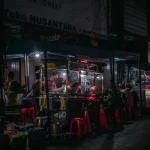
📷 Featured image by Fikri Rasyid on Unsplash.