On this page
- Sumatra’s Wild Highlands: Volcano Lakes and Orangutan Encounters
- Java’s Cultural Powerhouses: Royal Cities and Ancient Temples
- Sulawesi’s Underwater Wonders and Highland Mysteries
- Flores and the Komodo Archipelago: Dragons, Diving, and Traditional Villages
- Kalimantan’s River Adventures and Dayak Culture
- The Spice Islands of Maluku: Historic Trading Posts and Pristine Reefs
- Budget Breakdown: What Regional Travel Actually Costs in 2026
- Getting Around Indonesia’s Outer Islands: Routes and Reality Check
- Frequently Asked Questions
💰 Click here to see Indonesia Budget Breakdown
💰 Prices updated: September, 2026. Budget figures are estimates — always verify before travel.
Exchange Rate: $1 USD = Rp17,928.47
Daily Budget (per person)
Shoestring: Rp358,569 – Rp896,424 ($20.00 – $50.00)
Mid-range: Rp1,254,993 – Rp2,689,271 ($70.00 – $150.00)
Comfortable: Rp2,689,271 – Rp4,482,118 ($150.00 – $250.00)
Accommodation (per night)
Hostel/guesthouse: Rp71,714 – Rp179,285 ($4.00 – $10.00)
Mid-range hotel: Rp448,212 – Rp896,424 ($25.00 – $50.00)
Food (per meal)
Budget meal: Rp26,893.00 ($1.50)
Mid-range meal: Rp143,428.00 ($8.00)
Upscale meal: Rp537,854.00 ($30.00)
Transport
Single metro/bus trip: Rp3,500.00 ($0.20)
Monthly transport pass: Rp200,000.00 ($11.16)
While Bali’s Instagram-perfect rice terraces continue drawing millions of visitors in 2026, Indonesia’s vast archipelago offers 17,000 other Islands where authentic experiences await without the selfie stick crowds. The recent expansion of domestic flight networks and improved inter-island ferry schedules has made reaching these regional gems easier than ever, though many travellers still default to the Bali-Gili-Lombok circuit.
Sumatra’s Wild Highlands: Volcano Lakes and Orangutan Encounters
North Sumatra delivers raw natural beauty that puts Bali’s manicured landscapes to shame. Lake Toba, formed by a supervolcanic eruption 74,000 years ago, stretches 100 kilometres across with Samosir Island floating at its centre like a miniature continent. The Batak people here live in traditional carved wooden houses with soaring buffalo horn roofs, and their weekend markets overflow with fresh ikan mas (goldfish) grilled over coconut husks.
The cool highland air around Berastagi provides relief from Indonesia’s tropical heat while offering access to two active volcanoes: Gunung Sibayak and Gunung Sinabung. Early morning hikes to Sibayak’s crater reward climbers with sulfur-scented steam vents and panoramic views across the Karo plateau. The town’s passion fruit orchards and vegetable terraces supply much of Medan’s fresh produce.
Gunung Leuser National Park harbours one of the world’s last viable orangutan populations. The rehabilitation centre at Bukit Lawang offers semi-wild encounters where rescued orangutans swing through the canopy above jungle trekking trails. Unlike Bali’s monkey forest temples, these interactions happen on the animals’ terms in their natural habitat.
West Sumatra’s Minangkabau heartland around Bukittinggi showcases Indonesia’s most architecturally distinctive culture. The region’s rumah gadang (big houses) feature dramatically curved rooflines that mirror buffalo horns, while the surrounding hills hide traditional weaving villages where women still create intricate songket textiles on wooden looms.
Java’s Cultural Powerhouses: Royal Cities and Ancient Temples
Central Java remains Indonesia’s cultural soul, anchored by the royal cities of Yogyakarta and Solo (Surakarta). Yogyakarta’s Sultan Hamengkubuwono X still rules from the 18th-century Kraton palace, where gamelan orchestras practice daily in marble-floored pavilions. The city’s Malioboro Street pulses with becak (cycle rickshaws), street food vendors, and silver workshops where artisans hammer intricate jewelry by hand.

Solo offers a more refined royal atmosphere with less tourist bustle. The Mangkunegaran Palace displays one of Java’s finest collections of traditional arts, while the city’s textile heritage lives on in batik workshops along Kampung Laweyan. Here, master craftsmen still use traditional canting tools to apply hot wax in patterns passed down through generations.
The ancient Buddhist temple complex at Borobudur, built in the 8th century, remains one of the world’s most significant archaeological sites. Sunrise visits reveal the monument’s true grandeur as morning mist clears from the surrounding volcanic peaks. The nearby Mendut and Pawon temples complete a sacred triangle that Buddhist pilgrims still follow today.
East Java’s Bromo-Tengger-Semeru National Park offers Indonesia’s most accessible active volcano experience. The pre-dawn journey across the Sea of Sand to Mount Bromo’s crater rim reveals a landscape that resembles another planet, with sulfur smoke billowing from the perfectly circular crater. The Hindu Tenggerese people who inhabit these highlands maintain traditions distinct from Java’s predominantly Muslim population.
Sulawesi’s Underwater Wonders and Highland Mysteries
North Sulawesi’s Bunaken National Marine Park protects some of the world’s richest coral reefs, where sea turtles graze on seagrass meadows and schools of barracuda form silvery tornadoes in the blue. The diving here rivals anything in the Caribbean, with vertical walls that drop into oceanic depths just minutes from shore. Manado’s seafood markets showcase the region’s incredible marine biodiversity, with species that exist nowhere else on Earth.

The highlands of Toraja in South Sulawesi preserve one of Indonesia’s most unique cultures. Traditional tongkonan houses with their boat-shaped roofs dot rice terraces carved into mountainsides, while elaborate funeral ceremonies can last for days and involve the sacrifice of dozens of water buffalo. The Torajan belief system blends animism with Christianity, creating rituals found nowhere else in the archipelago.
Tentena, situated between Poso Lake and the remote Morowali Nature Reserve, serves as a base for exploring Central Sulawesi’s least-visited regions. The area’s endemic birds and mammals evolved in isolation, creating species assemblages that fascinate biologists. Local guides from Tentena’s Christian communities lead multi-day treks through primary rainforest where hornbills call from the canopy.
The remote Togean Islands, scattered across the Gulf of Tomini, offer pristine coral reefs and traditional fishing villages built on stilts over turquoise lagoons. Getting here requires patience and planning, but the rewards include world-class diving and complete escape from Indonesia’s increasingly developed tourism infrastructure.
Flores and the Komodo Archipelago: Dragons, Diving, and Traditional Villages
Flores stretches 350 kilometres east-west, with each region showcasing distinct landscapes and cultures. The tri-coloured crater lakes of Kelimutu change colours unpredictably due to volcanic minerals, creating a natural phenomenon that local Ende people consider sacred. Traditional villages like Bena maintain stone circle arrangements and ancestral shrines that predate European contact.
Labuan Bajo has transformed from a fishing village into the gateway for Komodo National Park, but development remains relatively controlled compared to Bali’s southern coast. The town’s seafood restaurants serve freshly caught grouper and lobster while overlooking a harbour filled with traditional pinisi sailing boats and modern dive liveaboards.

Komodo and Rinca Islands protect the world’s largest lizards in their natural habitat. These three-metre-long predators roam freely across savanna grasslands, hunting deer and wild boar with venomous bites. Park rangers accompany all visitors, as the dragons can run faster than humans and have occasionally attacked locals.
The underwater realm around Komodo features strong currents that support massive schools of fish and regular manta ray encounters at cleaning stations. The biodiversity here represents a crossroads between Indian and Pacific Ocean species, creating marine life combinations found nowhere else on Earth. Cold water upwellings also bring whale sharks and occasional blue whale sightings.
Kalimantan’s River Adventures and Dayak Culture
Indonesian Borneo offers the country’s most authentic jungle experiences, where Dayak longhouse communities still live along remote river systems. The Mahakam River in East Kalimantan provides access to traditional villages where extended families share communal buildings constructed entirely from tropical hardwood without metal fasteners.
Tanjung Puting National Park protects critical orangutan habitat in Central Kalimantan. Multi-day boat journeys up the Sekonyer River pass through pristine peat swamp forests where proboscis monkeys crash through the canopy and crocodiles sun themselves on muddy banks. The park’s research stations offer opportunities to observe orangutan rehabilitation efforts up close.
Banjarmasin’s floating markets operate from dawn along the Barito River, where Banjarese women paddle wooden boats loaded with tropical fruits, vegetables, and prepared foods. The city’s canal network, built during the Banjar Sultanate, creates a Venice-like atmosphere where river transportation remains more practical than roads.
The Spice Islands of Maluku: Historic Trading Posts and Pristine Reefs
The Banda Islands, once the world’s only source of nutmeg, retain colonial architecture from when European powers fought bloody wars for control of the spice trade. Banda Neira’s Dutch Governor’s mansion now serves as a museum, while nutmeg plantations still operate using traditional methods on volcanic slopes.

Ambon serves as Maluku’s main hub, where Christian and Muslim communities coexist after decades of sectarian conflict that ended in the early 2000s. The city’s Siwalima Museum displays traditional war shields and ceremonial objects from across the Moluccas, while local restaurants serve ikan bakar (grilled fish) with unique Ambonese spice blends.
The remote Kei Islands offer some of Indonesia’s most pristine beaches, with powdery white sand and crystal-clear water that rivals any tropical paradise. Traditional sasi laws govern fishing and harvesting, creating de facto marine protected areas that maintain healthy coral reefs despite minimal government oversight.
Ternate and Tidore, the original spice islands, face each other across a narrow strait beneath active volcanoes. Both islands retain sultanates that trace their lineages back 700 years, when they controlled maritime trade routes between Asia and Europe. The clove trees that made these islands famous still grow on terraced hillsides, though tourism now provides more income than spices.
Budget Breakdown: What Regional Travel Actually Costs in 2026
Regional Indonesia travel costs vary dramatically depending on remoteness and infrastructure development. Budget travellers can survive on IDR 300,000-500,000 daily in developed areas like Yogyakarta or Flores, covering basic accommodation, local transport, and street food. This includes fan-cooled guesthouses (IDR 150,000-250,000), local bus or bemo transport (IDR 10,000-30,000 per ride), and meals at warungs (IDR 25,000-50,000 each).
Mid-range comfort requires IDR 800,000-1,200,000 daily, upgrading to air-conditioned hotels with private bathrooms (IDR 400,000-600,000), private car or motorbike rental (IDR 200,000-400,000), and restaurant meals (IDR 75,000-150,000 each). This budget also covers entrance fees to national parks (IDR 50,000-200,000) and guided activities like volcano hikes or cultural tours.
Comfortable travel in remote areas like Kalimantan or Maluku often costs IDR 1,500,000-2,500,000 daily due to limited infrastructure and charter transport requirements. This includes boat charters (IDR 1,000,000-2,000,000 per day), eco-lodges or resort accommodation (IDR 800,000-1,500,000), and specialized guide services for wildlife viewing or cultural experiences.

Domestic flights have become more affordable with budget carriers like Citilink and Super Air Jet expanding routes in 2025-2026. Jakarta to Medan costs around IDR 800,000-1,200,000, while more remote destinations like Labuan Bajo or Ambon range from IDR 1,500,000-2,200,000 from major cities. Advance booking and flexible dates can reduce these costs significantly.
Getting Around Indonesia’s Outer Islands: Routes and Reality Check
Inter-island connectivity has improved dramatically since 2024 with new ferry routes and expanded flight schedules, though patience remains essential for regional travel. Garuda Indonesia and Lion Air have added direct flights from Jakarta to previously underserved destinations like Ternate, Kendari, and Pangkalan Bun, reducing connection times and overall journey duration.
PELNI’s passenger ferry network connects all major islands on predictable schedules, offering budget-friendly transport with basic cabin accommodation. The KM Bukit Raya route from Surabaya to Makassar and onward to Ambon operates weekly, while smaller regional ferries connect outer islands on less regular timetables. Cabin bookings fill quickly during holiday periods, particularly around Lebaran and Christmas.
Road conditions vary wildly across regions. Java’s Trans-Java toll road provides excellent connections between major cities, while Sumatra’s roads range from good highways around Medan to challenging mountain routes near Bukittinggi. Kalimantan and Sulawesi often require 4WD vehicles for reaching remote areas, and many destinations remain accessible only by boat or chartered aircraft.
Digital connectivity has expanded significantly, with 4G coverage now reaching most district capitals and tourist areas. However, remote regions like interior Kalimantan or the outer Maluku islands still lack reliable internet, making offline maps and downloaded content essential for navigation and communication.
The rainy season (October-March) significantly impacts travel in eastern Indonesia, with ferry cancellations and flight delays common during peak monsoon months. Dry season travel (April-September) offers more reliable transportation but coincides with higher accommodation prices and advance booking requirements for popular destinations.

Frequently Asked Questions
Which regional destination offers the best value for money?
Central Java provides excellent value with affordable accommodation, cheap local transport, and incredible cultural sites like Borobudur and the royal palaces of Yogyakarta and Solo. Daily costs can stay under IDR 400,000 while accessing world-class attractions and authentic Indonesian experiences.
How much time should I allocate for travel between Indonesia’s regions?
Allow at least 2-3 days minimum per region to account for transport time and basic exploration. Remote areas like Maluku or interior Kalimantan require 5-7 days to justify the journey costs and fully experience the unique cultures and landscapes.
Are English-speaking guides available in regional destinations?
Major tourist areas like Toba, Yogyakarta, and Labuan Bajo have English-speaking guides readily available. More remote destinations often require basic Indonesian language skills or guides arranged through tour operators in regional capitals like Medan, Makassar, or Ambon.
What vaccinations are needed for Indonesia’s remote regions?
Yellow fever vaccination is required if arriving from affected countries. Hepatitis A/B, typhoid, and Japanese encephalitis are recommended for rural areas. Malaria prophylaxis may be advised for remote regions of eastern Indonesia, Papua, and interior Kalimantan.
When is the best time to visit Indonesia’s outer islands?
The dry season (April-September) offers the most reliable weather and transport connections. However, shoulder months like March and October can provide good conditions with fewer crowds and lower prices, particularly in western regions less affected by monsoons.
Explore more
Where to Go in Indonesia Besides Bali?
Beyond Bali: Discover Indonesia’s Best Hidden Gems & Unforgettable Islands
Indonesia Beyond Bali: Discover the Best Regional Destinations
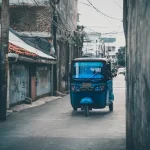
📷 Featured image by Kevin Kald on Unsplash.