On this page
- What Tana Toraja Actually Is — and Why It Defies Easy Description
- The Funeral Ceremonies — How They Work and How to Attend
- Cliff Graves, Tau-Tau Effigies, and the Architecture of the Dead
- Tongkonan Houses and Living Torajan Villages
- Eating in Tana Toraja — Markets, Warungs, and Local Spots
- Getting to Tana Toraja and Moving Around in 2026
- Day Trips into the Surrounding Highlands
- Evenings in the Highlands — What Happens After Dark
- Shopping — What to Buy and Where to Find It
- Where to Stay in Tana Toraja
- Best Time to Visit Tana Toraja
- Practical Tips for 2026
- Budget Breakdown for 2026
- Frequently Asked Questions
💰 Click here to see Indonesia Budget Breakdown
💰 Prices updated: September, 2026. Budget figures are estimates — always verify before travel.
Exchange Rate: $1 USD = Rp17,928.47
Daily Budget (per person)
Shoestring: Rp358,569 – Rp896,424 ($20.00 – $50.00)
Mid-range: Rp1,254,993 – Rp2,689,271 ($70.00 – $150.00)
Comfortable: Rp2,689,271 – Rp4,482,118 ($150.00 – $250.00)
Accommodation (per night)
Hostel/guesthouse: Rp71,714 – Rp179,285 ($4.00 – $10.00)
Mid-range hotel: Rp448,212 – Rp896,424 ($25.00 – $50.00)
Food (per meal)
Budget meal: Rp26,893.00 ($1.50)
Mid-range meal: Rp143,428.00 ($8.00)
Upscale meal: Rp537,854.00 ($30.00)
Transport
Single metro/bus trip: Rp3,500.00 ($0.20)
Monthly transport pass: Rp200,000.00 ($11.16)
Most travelers arrive in Tana Toraja with a checklist mentality — snap the curved rooftops, find a funeral, fly home. That approach misses almost everything. In 2026, visitor numbers have climbed steadily since direct charter flights from Bali and expanded road access from Makassar made the highlands more reachable than ever. The flip side is that some of the more famous burial sites now see tuk-tuk convoys and selfie queues. This guide is built to help you go deeper: understand the ceremonies before you stumble into one, know which villages are genuinely lived-in rather than staged, and budget realistically for a place where “cheap” is relative to its remoteness.
What Tana Toraja Actually Is — and Why It Defies Easy Description
Tana Toraja occupies the mountainous interior of South Sulawesi, roughly 300 kilometres north of Makassar. At elevations between 700 and 2,800 metres, the air is cool enough that mornings regularly drop to 15°C — a genuine shock if you’ve come straight from Bali’s humidity. The landscape is all green ridges, terraced rice fields, and valleys wrapped in low cloud that burns off by mid-morning.
The Torajan people are not a single ethnic group but a collection of communities sharing a cosmological belief system called Aluk Todolo — the Way of the Ancestors. Although the majority of Torajans today identify as Christian (following Dutch missionary activity in the early 20th century), Aluk Todolo ceremonies, particularly those surrounding death, remain the living heart of the culture. Death here is not a tragedy but a long, elaborate transition. A deceased person may be kept at home — sometimes for months, sometimes years — before the family can afford the ceremony that properly sends them to the afterlife.
Rantepao is the main traveler hub, a small town with guesthouses, restaurants, and a decent market. Makale, the regional capital, is quieter and 18 kilometres south. Most cultural sites scatter across the countryside between and around these two towns.

The Funeral Ceremonies — How They Work and How to Attend
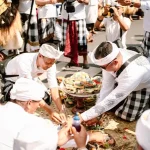
A Torajan funeral is not a quiet graveside affair. The largest ceremonies, called Rambu Solo’, are multi-day events involving the slaughter of water buffalo and pigs, traditional dances, chanting, and the gathering of hundreds or thousands of family members who may have traveled from across Indonesia and overseas. The scale of the ceremony reflects the social status of the deceased — a high-ranking noble’s funeral might involve dozens of buffalo.
The moment the buffalo are brought to the ceremonial ground and the crowd tightens into a wide circle, the atmosphere becomes unlike anything else in Indonesian travel. The drumming carries across the valley, smoke from cooking fires drifts through bamboo groves, and elderly women in black sarongs sit in a row on raised bamboo platforms chanting in low, continuous tones. It is genuinely moving in a way that photographs cannot prepare you for.
Finding a Ceremony
Funerals happen year-round but cluster between June and September, when Torajans who work in Makassar, Jakarta, and overseas return home. The dry season also makes the buffalo transport and outdoor logistics easier. There is no official public calendar, but your guesthouse owner or a local guide in Rantepao will know what is happening within a day or two of your arrival. In 2026, a few guesthouses have started informal WhatsApp notification systems for guests — ask when you check in.
Attending Respectfully
Visitors are genuinely welcomed at most ceremonies — Torajans view outside attendance as an honor. That said, there are clear expectations. Wear dark or muted clothing; black is ideal, but anything that isn’t bright or festive works. Bring a gift: a carton of cigarettes, sugar, or biscuits handed to the family at the entrance is the correct protocol, not cash. Sit where you are shown, not wherever you choose. Put your camera away during the most sacred moments and ask a local guide before photographing anything close-up. A guide who is from the community — not just an agency hire from Makassar — will navigate this for you naturally.
Cliff Graves, Tau-Tau Effigies, and the Architecture of the Dead
Torajan burial practice is inseparable from the landscape itself. Rather than burying the dead underground, many families carve tombs directly into cliff faces or hollow out enormous boulders. The oldest of these sites are centuries old, and some hold dozens of coffins stacked in natural caverns.
Londa
This is one of the most-visited burial caves, about 6 kilometres south of Rantepao. Inside, coffins are stacked in the natural cavern, some dating back several hundred years. Old skulls and bones spill from collapsed coffins at the cave’s edges. A child guide with a kerosene lamp will lead you through the deeper sections for a small tip (IDR 20,000–30,000 is appropriate). The entrance fee in 2026 is IDR 30,000 for foreign visitors.
Lemo
The most photogenic of the cliff burial sites. Rows of balconied niches are carved into a vertical limestone face, each holding tau-tau — life-sized carved wooden effigies of the deceased, dressed in real clothing and positioned to look out over the land. The tau-tau at Lemo are particularly striking because many face outward with uncanny, detailed expressions. Some of the older effigies show their age: faces faded, sarongs bleached by altitude sun. Admission is IDR 30,000.

Kete Kesu
A UNESCO-listed heritage site roughly 4 kilometres from Rantepao. The elevated burial site here has coffins hanging from an overhanging cliff, some so old they have partially collapsed and spilled bones onto lower ledges. The village below features a well-preserved row of tongkonan houses and rice barns. It does attract significant visitor traffic, but early morning (before 8:30) you’ll often have the place nearly to yourself.
Tongkonan Houses and Living Torajan Villages
The tongkonan — the traditional Torajan house with its dramatically curved, boat-shaped roof sweeping up at both ends — is the most recognizable visual symbol of the culture. These are not just beautiful architecture; they are the spiritual and social center of a clan’s identity. Land, ceremonies, and heritage rights all trace back to the tongkonan.
The roofs are traditionally covered in layered bamboo and decorated with carved and painted geometric panels in red, black, yellow, and white. Facing each tongkonan is a row of alang — rice barns with the same curved roof — which hold the family’s stored grain and ceremonial objects. Buffalo horns stack along the front facade of the older tongkonan, each pair representing a past ceremony and a measure of the family’s prestige.
Villages Worth Visiting Beyond the Tourist Circuit
- Pallawa: North of Rantepao, this cluster of traditional houses sits on a hillside with a genuine working-village atmosphere. Less visited than Kete Kesu.
- Nanggala: A complex of well-maintained tongkonan with dozens of buffalo horn stacks — one of the most impressive single sites in the region.
- Suaya: Contains royal burial sites in a cliff face and a quieter, more reflective mood than the northern sites.
Eating in Tana Toraja — Markets, Warungs, and Local Spots

Eating in Tana Toraja is a no-frills, deeply satisfying experience. This is not a food destination in the resort-destination sense, but the local food is honest and filling, and the main market in Rantepao is one of the best places to eat cheaply in Sulawesi.
Pasar Bolu and the Rantepao Market Area
Pasar Bolu is the main market in Rantepao, famous for its Tuesday and Saturday buffalo and pig markets, which start at dawn. The food stalls inside operate every morning. Get there by 7:00 for pa’piong — pork or fish cooked with vegetables inside a bamboo tube over an open flame — alongside bowls of rice porridge and black sticky rice with palm sugar. The smell of bamboo charring and the sound of vendors calling prices make for a market experience that feels entirely unperformed.
Warung Makan Along Jalan Ahmad Yani
The main strip in Rantepao has a string of warungs serving standard Torajan plates: pork with chili, grilled fish, fried rice, and tinutuan-style vegetable porridge. Most of these places operate on a nasi campur model — rice with three or four side dishes, picked from what’s in the steam trays. A full meal costs IDR 25,000–45,000. Nothing fancy, nothing disappointing.
Rumah Makan Padang Options
For non-pork eaters, Rantepao has several Padang-style restaurants along the main road that serve chicken, beef rendang, and fish. These are not as distinctive as the local food but reliable and inexpensive.
Coffee
Tana Toraja produces some of the finest arabica coffee in Indonesia — grown at altitude in the surrounding highlands. You can buy fresh-roasted beans at stalls in Pasar Rantepao for around IDR 60,000–100,000 per 250 grams depending on grade. A few small cafes near the guesthouse strip, including Kopi Toraja stalls on Jalan Monginsidi, serve it properly brewed. The coffee is earthy and low-acid with a clean, slightly smoky finish — nothing like the commercially blended “Toraja” brands sold at airport shops.

Getting to Tana Toraja and Moving Around in 2026
Getting There
The nearest airport is Pongtiku Airport in Makale, which handles small turboprop aircraft. As of 2026, Wings Air operates direct flights from Makassar (Sultan Hasanuddin) to Pongtiku on certain days of the week — check current schedules as services remain irregular. The more reliable approach is to fly into Makassar and travel overland.
The road journey from Makassar to Rantepao takes approximately 7–9 hours depending on road conditions and the driver. The Trans-Sulawesi highway improvements that began in 2023 have reduced travel times on the southern stretch, but the mountain sections north of Enrekang remain winding and slow. Night buses (IDR 150,000–200,000) depart from Terminal Daya in Makassar most evenings. If you prefer a private transfer, expect to pay IDR 600,000–900,000 from Makassar with a driver.
Getting Around
Inside Tana Toraja, the main options are:
- Ojek (motorcycle taxi): The most practical way to reach smaller villages. Negotiate rates directly — IDR 100,000–200,000 for a half-day is reasonable. Grab operates in Rantepao in 2026 with limited coverage.
- Rented motorbike: IDR 80,000–120,000 per day from guesthouses. The roads between sites are mostly paved but narrow and hilly. Recommended for confident riders only.
- Chartered local vehicles (Pete-pete/minivan): Available from Rantepao to major sites, typically IDR 250,000–400,000 for a half-day run.
- Walking: Between sites near Rantepao (Kete Kesu, the Sa’dan weaving village), walking is completely practical and gives you access to rice-field paths that vehicles can’t use.
Day Trips into the Surrounding Highlands
Batutumonga and the Ridge Walk
Batutumonga sits on a ridge above Rantepao at around 1,400 metres with views across the valley that are genuinely extraordinary on a clear morning. The drive takes about 45 minutes from Rantepao. A 4–6 hour walking trail connects Batutumonga to the villages of Pana’ and Lokomata, passing through rice terraces and traditional villages. Most walkers do this north-to-south with a driver dropping them at the top and picking them up at the bottom.

Lolai — Sea of Clouds
Lolai has become well-known in Indonesian travel circles for its pre-dawn cloud inversions, where the entire valley below fills with white cloud and the hilltop emerges above it. The view from the viewpoint on clear mornings is extraordinary — the curved rooftops of distant tongkonan houses poking through the cloud layer. You need to be at the viewpoint by 5:30 to 6:00. It has gotten busier in 2026 with local tourism increasing, but the view itself remains worth it on clear days.
Bori’ Kalimbuang
One of the most significant ceremonial megaliths in Tana Toraja — a field of standing stones called menhir, each erected to mark a high-ranking funeral ceremony. Some stones are over 3 metres tall. The site feels genuinely ancient in a way that the more tourist-processed burial sites don’t quite replicate. It’s located near Sesean village, about 8 kilometres from Rantepao.
Sa’dan Weaving Village
Sa’dan, about 12 kilometres north of Rantepao, is known for its traditional weaving. Women work large hand looms under their houses, producing the distinctive Torajan cloth — Torajan plaid — in earthy reds, blacks, and yellows. You can watch the process and buy directly from the weavers at prices well below what guesthouse gift shops charge.
Evenings in the Highlands — What Happens After Dark
Tana Toraja is not a nightlife destination, and that’s genuinely part of its appeal. By 9:00 PM, most of Rantepao is quiet. The mountains get cold after dark — temperatures drop to 16–18°C on a dry season evening — and the town operates on an early schedule.
What the evenings do offer is a particular atmosphere that’s hard to find elsewhere in Indonesia: clear mountain air, the distant sound of frogs from the rice fields, and the occasional soft glow of a ceremony in progress somewhere in the valley. Several guesthouses have outdoor seating areas where guests congregate after dinner over Toraja coffee and swap notes on what they’ve seen.

There are a handful of simple bars in Rantepao, mostly on and around Jalan Ahmad Yani, serving Bintang and local palm wine (tuak) — the latter worth trying at least once. Tuak is fermented, mildly alcoholic, cloudy white, and tastes somewhere between sour yogurt and cider. It goes well with grilled pork at a warung.
Some larger guesthouses occasionally host informal traditional dance performances, particularly Ma’gellu (a women’s ceremonial dance) during peak season. These aren’t staged tourist shows — they’re usually rehearsals or community events that guests are invited to watch.
Shopping — What to Buy and Where to Find It
Souvenir shopping in Tana Toraja is best done away from the entrance stalls at major sites, which sell the same carved wooden goods at inflated prices.
Pasar Rantepao
The daily market in central Rantepao is the best all-around shopping spot. Fresh Torajan coffee beans, local woven cloth, small carved buffalo figurines, and ceremonial textiles are all available here at real local prices. Go on Tuesday or Saturday when the market is at its largest.
What to Buy
- Kain Toraja (woven cloth): Bought directly from Sa’dan weavers, prices run IDR 150,000–350,000 for a meter of hand-woven fabric depending on complexity. The same cloth sold in airport boutiques in Makassar can cost three times as much.
- Carved wooden objects: Buffalo, tongkonan miniatures, and ceremonial panels. Quality varies enormously — look for clean geometric carving and dense, dark wood rather than light, soft pieces that will crack. Prices IDR 50,000–500,000+ depending on size and quality.
- Torajan coffee: Buy at Pasar Rantepao or directly at small roasters on the roadside. Freshly roasted is infinitely better than the vacuum-packed tourist versions.
- Pa’tedong (buffalo-shaped accessories): Small silver or horn jewelry and hair pieces — available at the market and from a few small artisan workshops near the town center.

Where to Stay in Tana Toraja
Rantepao Town Center (Budget to Mid-Range)
Most guesthouses cluster in and around central Rantepao. Staying here puts you within walking distance of the market, restaurants, and ojek points. Budget guesthouses (IDR 150,000–300,000 per night) are plentiful; most are clean with basic rooms, cold-water showers, and a simple breakfast. Mid-range options (IDR 400,000–700,000) include places like Toraja Heritage Hotel and Hotel Indra, which offer hot water, gardens, and better beds without being impersonal.
Rice Field Guesthouses (Mid-Range, More Atmosphere)
Several smaller family guesthouses are scattered among the rice fields within 3–8 kilometres of Rantepao. These offer more contact with daily village life and quieter surroundings. Waking up to the sound of roosters and mist rising off terraced fields is worth the slight inconvenience of needing a motorbike to get into town. Prices IDR 300,000–600,000 per night.
Batutumonga Ecolodges (Splurge for Views)
For a genuinely special stay, the ridge guesthouses at Batutumonga are unmatched for highland atmosphere. Simple but well-maintained rooms with valley views, fresh mountain air, and no traffic noise. Expect to pay IDR 500,000–900,000 per night. The tradeoff is that getting anywhere requires a motorbike or vehicle.
Best Time to Visit Tana Toraja
The dry season — May through September — is the most popular time to visit, and for good reason. Roads are passable, the views are clear, and funeral ceremonies peak in July and August when Torajan diaspora communities return home. This is when you’re most likely to encounter a ceremony in progress.

June and July hit the sweet spot: dry enough that sites aren’t muddy, busy enough that ceremonies happen regularly, but not yet at the August peak when the main sites get noticeably crowded.
The wet season (October to March) doesn’t make Tana Toraja off-limits — the landscapes are extraordinarily green and the rice terraces are at their most photogenic. But mountain roads can become genuinely dangerous, smaller burial sites get slippery and inaccessible, and ceremony frequency drops. If you’re going in the wet season, budget extra days for weather delays.
Toraja International Festival — held annually in late July — features traditional dances, music, and cultural demonstrations centered in Rantepao. It was relaunched in 2023 after a COVID hiatus and has been growing steadily. In 2026, it runs for approximately four days and draws significant domestic tourism from Makassar and Java. Accommodation books out quickly during this window.
Practical Tips for 2026
- Cash only: Tana Toraja is almost entirely cash-based. ATMs exist in Rantepao but are limited to BRI and BNI machines, and they sometimes run dry on weekends or holiday periods. Bring enough cash from Makassar to cover your full stay plus a buffer.
- SIM cards: Telkomsel gives the strongest coverage across the highland areas. Other providers drop out entirely in the more remote valleys. Buy a Telkomsel SIM with at least 10GB in Makassar before you leave.
- Clothing: Pack a light jacket or fleece. Mornings are genuinely cold by Indonesian standards. A waterproof layer is essential even in dry season for afternoon showers.
- Language: Torajan locals generally speak Indonesian, but older community members and ceremony participants may use local dialects. A guide with community connections is valuable not just for access but for basic communication in ceremonial contexts.
- Photography etiquette: At burial sites, always ask before photographing tau-tau and coffins at close range. Some families consider the effigies sacred and prefer visitors don’t photograph them directly. At ceremonies, read the room — when moments are clearly private or spiritually intense, put the camera down.
- Health: Altitude is mild enough that acclimatization isn’t usually an issue. Bring your own medications for stomach upsets and cuts, as pharmacy options in Rantepao are limited. Bottled water is available everywhere; tap water is not safe to drink.

Budget Breakdown for 2026
Tana Toraja is not cheap by Indonesian regional standards, partly because of its remoteness and limited supply chains. Here is a realistic daily budget breakdown:
Budget Traveler — IDR 350,000–500,000 per day
- Guesthouse dorm or basic private room: IDR 100,000–180,000
- Three meals at warungs and market stalls: IDR 75,000–120,000
- Rented motorbike for getting around: IDR 80,000–120,000
- Site admission fees (2–3 sites): IDR 60,000–90,000
- Coffee and small snacks: IDR 20,000–40,000
Mid-Range Traveler — IDR 700,000–1,100,000 per day
- Guesthouse private room with hot water: IDR 350,000–500,000
- Mix of warungs and sit-down restaurants: IDR 150,000–200,000
- Local guide for half-day: IDR 200,000–300,000
- Site admissions and transport: IDR 100,000–150,000
Comfortable Traveler — IDR 1,500,000–2,500,000 per day
- Boutique guesthouse or ridge ecolodge: IDR 700,000–900,000
- Full-day guide with private transport: IDR 500,000–700,000
- Better meals, coffee, and tastings: IDR 200,000–300,000
- Shopping and site fees: IDR 200,000–400,000
Getting from Makassar adds a significant transport cost: night bus (IDR 150,000–200,000 each way) or private transfer (IDR 600,000–900,000 each way). Budget for this separately.
Frequently Asked Questions
Is it respectful to attend a Torajan funeral as a tourist?
Yes — Torajans genuinely welcome outside visitors at most funeral ceremonies. The key is to go with a local guide who has community connections, bring an appropriate gift (cigarettes, sugar, or biscuits), and wear dark clothing. Avoid large group tours and treat the ceremony as a guest at a family event, not a spectacle.
How do I find out about funeral ceremonies happening during my visit?
Ask your guesthouse owner or hire a local guide as soon as you arrive in Rantepao. Ceremonies cluster between June and September, but some happen year-round. There is no public calendar — local knowledge is your only reliable source. Some guesthouses in 2026 use informal WhatsApp groups to notify guests about upcoming events.
How long should I spend in Tana Toraja?
A minimum of three to four nights gives you time to see the main burial sites, visit one or two traditional villages, and increase your chances of coinciding with a ceremony. Five to seven nights is ideal if you want to do the ridge hike at Batutumonga, explore outer villages, and genuinely absorb the pace of highland life without rushing.
What is the best way to get from Makassar to Tana Toraja?
The most reliable option is an overnight bus from Terminal Daya in Makassar (IDR 150,000–200,000, approximately 7–9 hours). Private transfers are more comfortable at IDR 600,000–900,000. The Pongtiku Airport in Makale handles small turboprop flights from Makassar on irregular schedules — check current Wings Air timetables before planning around it.
Can I visit Tana Toraja during the wet season?
You can, but prepare for complications. Roads become treacherous on the mountain sections, some burial sites are inaccessible when wet, and funeral ceremonies are less frequent. The landscape is extremely beautiful in the rain. If visiting between October and March, allow extra days for weather delays and check road conditions from Makassar before departing.
Explore more
What Are the Must-Buy Souvenirs from Indonesia? Your Ultimate List
Best Day Trips from Ubud: Explore Bali’s Green Heart & Hidden Gems
Seminyak vs. Canggu: Which Bali Hub Has the Best Nightlife Scene?
📷 Featured image by Afif Ramdhasuma on Unsplash.