On this page
- The Vibe: What Kind of Neighborhood Kemang Actually Is
- Getting to Kemang in 2026: Transport Options That Actually Work
- Where to Eat and Drink: Kemang’s Best Streets and Venues
- The Art and Culture Scene Hidden in Plain Sight
- Shopping in Kemang: Independent Stores Worth Your Time
- Where to Stay: Kemang’s Accommodation Spread
- 2026 Budget Reality: What Things Cost in Kemang
- Frequently Asked Questions
💰 Click here to see Indonesia Budget Breakdown
💰 Prices updated: September, 2026. Budget figures are estimates — always verify before travel.
Exchange Rate: $1 USD = Rp17,928.47
Daily Budget (per person)
Shoestring: Rp358,569 – Rp896,424 ($20.00 – $50.00)
Mid-range: Rp1,254,993 – Rp2,689,271 ($70.00 – $150.00)
Comfortable: Rp2,689,271 – Rp4,482,118 ($150.00 – $250.00)
Accommodation (per night)
Hostel/guesthouse: Rp71,714 – Rp179,285 ($4.00 – $10.00)
Mid-range hotel: Rp448,212 – Rp896,424 ($25.00 – $50.00)
Food (per meal)
Budget meal: Rp26,893.00 ($1.50)
Mid-range meal: Rp143,428.00 ($8.00)
Upscale meal: Rp537,854.00 ($30.00)
Transport
Single metro/bus trip: Rp3,500.00 ($0.20)
Monthly transport pass: Rp200,000.00 ($11.16)
If you’ve been searching Jakarta travel guides and keep landing on the same three neighborhoods — Menteng, SCBD, and Sudirman — you’re not alone. Kemang rarely gets the headline treatment it deserves, partly because it resists easy description. It’s not a tourist district, not a business hub, not a budget backpacker zone. That ambiguity is exactly what makes it worth understanding before you arrive. In 2026, with Jakarta’s Outer Ring Road improvements funneling more visitors south of the city center, Kemang is seeing fresh attention from both long-stay travelers and weekend visitors who want something more textured than a mall.
The Vibe: What Kind of Neighborhood Kemang Actually Is
Kemang sits in South Jakarta, roughly 10 kilometers south of Monas. The neighborhood grew in the 1980s and 1990s as an expat enclave, and that DNA is still visible in the wide, tree-lined streets, the embassies tucked behind high walls, and the mix of Indonesian and international residents who’ve lived side by side for decades. But calling it an “expat bubble” undersells what it has become.
Walk Kemang Raya on a Sunday morning and you’ll pass a mechanic’s workshop next to a Japanese brunch café, a batik art studio beside a craft beer bar, and a convenience store flanked by two small galleries. The neighborhood has layers. The main drag, Kemang Raya, is commercial and lively. Wander one block east or west and residential streets take over — quiet, shaded, and genuinely pleasant on foot in a city not known for walkability.
The crowd here skews creative. Designers, photographers, musicians, and writers have long chosen Kemang for its relative calm compared to central Jakarta. The neighborhood has a lived-in quality that neither Pantai Indah Kapuk’s manufactured gloss nor Pluit’s commercial density can match. Boutique restaurants, independent bookshops, and pop-up markets coexist with old warungs that have been selling soto ayam for thirty years and have no intention of changing their recipe.
Getting to Kemang in 2026: Transport Options That Actually Work
This is the honest part that most articles skip. Kemang has no MRT or LRT station. The nearest MRT stop is Cipete Raya on the North-South line, which extended its southern reach through a 2025 infrastructure push. From Cipete Raya, Kemang is about 2 kilometers east — manageable by ojek online (Gojek or Grab motorcycle taxi) in 10 minutes for around IDR 10,000–15,000, or by car in 5–15 minutes depending on traffic.
From central Jakarta, the most reliable route is to ride the MRT south to Cipete Raya (around IDR 14,000 from Bundaran HI) and then connect via ojek. Alternatively, Gojek and Grab car rides from Sudirman or Blok M run IDR 35,000–65,000 depending on the time of day. Avoid driving yourself during the evening peak — Jalan Kemang Raya backs up badly between 17:00 and 20:00 on weekdays.
TransJakarta bus corridor 6 passes through the Kemang area via Blok M terminal, which itself connects to the MRT. It’s slower but costs only IDR 3,500. For visitors staying in the neighborhood for several days, the easiest approach is to use ojek for short hops and Grab car for longer crossings.
Where to Eat and Drink: Kemang’s Best Streets and Venues
Jalan Kemang Raya is the main artery for food, but the real finds are on the side streets. Jalan Kemang Selatan and Jalan Kemang Timur both reward slow walking — restaurants here tend to have more personality and lower prices than the highly Instagrammed spots on the main road.
For Indonesian food at street level, the cluster of warungs near the southern end of Kemang Raya delivers the kind of meal that costs IDR 25,000–40,000 and leaves you wondering why you ever paid more. Nasi padang, mie ayam, and bubur ayam stalls set up early and close when the food runs out. The smell of kretek smoke and frying shallots hangs in the air by 07:00, which is the best time to eat here before the heat builds.
The mid-range and upscale scene is genuinely diverse. Japanese, Korean, Mexican, Italian, and modern Indonesian concepts all operate here with varying degrees of seriousness. A few spots have earned genuine followings: a wood-fired pizza restaurant on Kemang Timur that’s been quietly excellent for years, a Vietnamese canteen run by a Jakarta-born family who spent time in Ho Chi Minh City, and a Korean BBQ spot on Kemang Selatan where the charcoal grill smoke drifts into the garden seating on cool evenings.
For drinks, Kemang has a functioning craft beer and cocktail culture without the tourist markup of Seminyak or the sterility of some SCBD rooftop bars. Several low-key bars operate along Kemang Raya and Jalan Kemang Utara — the kind of places with mismatched furniture, local bands on weekend nights, and bartenders who make recommendations rather than menus.

The Art and Culture Scene Hidden in Plain Sight
Kemang hosts a quiet but genuine arts community that most visitors walk past without noticing. Several working galleries operate here — not souvenir shops, but actual exhibition spaces showing contemporary Indonesian painting, photography, and installation work. The galleries tend to cluster around Jalan Kemang Raya and Jalan Kemang Timur, and most are free to enter.
The neighborhood has a long connection with Jakarta’s music scene. A handful of live music venues, some no larger than a large living room, host original acts on Thursday, Friday, and Saturday nights. Genres range from jazz and folk to indie rock and experimental electronic — the kind of programming that doesn’t happen by accident but reflects a neighborhood with enough creative residents to sustain it.
Every few months, Kemang hosts street-level pop-up markets that combine food, crafts, vintage clothing, and live performance. These are announced through local Instagram accounts and Jakarta lifestyle media rather than official tourism channels. Checking accounts like @kemangvillage or Jakarta-focused event pages a week before your visit will tell you whether anything is running during your stay. In 2026, several of these markets have become monthly fixtures, building consistent audiences from across South Jakarta.
Shopping in Kemang: Independent Stores Worth Your Time
Kemang is not a shopping destination in the Grand Indonesia or Pacific Place sense — there’s no mega-mall. What it has instead is a scatter of independent stores that are genuinely interesting to browse.
Local fashion designers operate small studios-cum-shops along the side streets, selling ready-to-wear pieces that reflect a distinctly Indonesian aesthetic without being costume-y. Vintage clothing stores, some organized and some chaotic, turn up good Indonesian-made pieces from the 1980s and 1990s alongside international finds. Prices are negotiable in most of these spaces.
For books, a small English-language and bilingual bookshop on Kemang Raya carries Indonesian literature in translation alongside art books and design titles. It’s the kind of place where you can spend an hour and leave with three things you didn’t expect to find. Home goods stores selling locally made ceramics, textiles, and rattan pieces also operate in the area — quality varies, but the better ones stock work from Indonesian artisans across multiple islands.
Where to Stay: Kemang’s Accommodation Spread
Staying in Kemang itself puts you close to the neighborhood’s best hours — early morning, when the residential streets are quiet and the warungs open, and late evening, when the bar scene heats up. You won’t have the convenience of a central Jakarta hotel for sightseeing across the city, but the trade-off in character and calm is real.
Accommodation options range from boutique guesthouses and serviced apartments to a few mid-range hotels along Kemang Raya. Serviced apartments are the best value for stays of three nights or more — these are common in Kemang given its history as an expat neighborhood, and many offer weekly rates significantly cheaper than nightly pricing. Budget guesthouses exist on the side streets, often in converted residential buildings with limited signage but decent reviews on Tiket.com and Airbnb.
For a higher-end stay, several design-led boutique hotels operate in Kemang with rates that are noticeably lower than comparable properties in SCBD or Senayan. The trade-off is that you’re 20–30 minutes from most Jakarta sightseeing by car, which adds up if you’re doing multiple day trips.
2026 Budget Reality: What Things Cost in Kemang
- Budget tier: Guesthouse room IDR 200,000–350,000 per night. Warung meals IDR 20,000–45,000. TransJakarta and ojek for getting around. Total daily spend roughly IDR 300,000–500,000.
- Mid-range tier: Boutique hotel or serviced apartment IDR 500,000–900,000 per night. Mix of warungs and sit-down restaurants, IDR 50,000–150,000 per meal. Grab car for transport. Total daily spend roughly IDR 700,000–1,200,000.
- Comfortable tier: Design boutique hotel IDR 1,000,000–1,800,000 per night. Dinner at a quality Kemang restaurant IDR 200,000–400,000 per person with drinks. Grab car or private driver on call. Total daily spend IDR 1,500,000–3,000,000.
Kemang is cheaper than central Jakarta’s premium zones and more expensive than Cikini or Tebet. The value sweet spot is the mid-range, where quality food and accommodation are genuinely good without the SCBD markup. Coffee at a specialty café runs IDR 45,000–75,000 for a single origin pour-over — on par with Bali’s Ubud scene and a sign of how far Jakarta’s café culture has moved since 2022.
Frequently Asked Questions
Is Kemang safe for tourists?
Yes, Kemang is one of the safer neighborhoods in Jakarta for visitors. It’s a residential and commercial area with good street lighting on main roads and regular police presence. As with any urban neighborhood, standard awareness applies — keep your phone out of sight on quiet streets at night and use app-based transport rather than flagging random vehicles.
How long should I spend in Kemang?
One full day covers the highlights — a morning walk, lunch at a warung, gallery browsing in the afternoon, and dinner followed by live music. Two or three days lets you explore the side streets properly and catch a pop-up market if the timing works. Kemang rewards slow, unscheduled time more than checklist touring.
Is Kemang worth visiting if I only have a short trip to Jakarta?
If your Jakarta visit is two days or fewer and you want to see Monas, the National Museum, and Kota Tua, Kemang may not fit logistically. But if you have three or more days and want a break from tourist infrastructure — a neighborhood that feels like actual Jakarta life — Kemang earns a half-day at minimum.
What is Kemang like on weekends versus weekdays?
Weekends bring more foot traffic, open markets, longer café queues, and louder evenings — it’s the neighborhood at its most social. Weekdays are quieter, easier for walking, and better for gallery visits and unhurried meals. Traffic on Kemang Raya is actually lighter on weekends than weekday evenings, which surprises most first-time visitors.
Does Kemang have good options for vegetarians and vegans?
Better than most Jakarta neighborhoods. The international restaurant mix means several venues actively cater to plant-based diets, and Indonesian staples like gado-gado, tempeh dishes, and vegetable-based rice plates are available at warungs throughout the area. A few cafés explicitly market vegan menus. It’s not Ubud, but it’s not difficult either.
Explore more
Is Jakarta Worth Visiting? Top Things to Do in Indonesia’s Capital
The Ultimate Jakarta Food Guide: Where to Eat Now
Best Day Trips from Jakarta: Escape the City Bustle
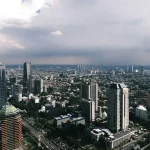
📷 Featured image by Nathaniel Filberto on Unsplash.