On this page
- Puncak & Bogor — The Classic Highland Escape
- Kepulauan Seribu (Thousand Islands) — The Sea Day Trip
- Bandung — The Fast Train Option
- Carita Beach & Krakatau — The Volcano Coast
- Taman Nasional Ujung Kulon — The Wild Card
- 2026 Budget Reality — Cost Breakdown by Destination
- Logistics That Make or Break Your Day Trip
- Frequently Asked Questions
💰 Click here to see Indonesia Budget Breakdown
💰 Prices updated: September, 2026. Budget figures are estimates — always verify before travel.
Exchange Rate: $1 USD = Rp17,928.47
Daily Budget (per person)
Shoestring: Rp358,569 – Rp896,424 ($20.00 – $50.00)
Mid-range: Rp1,254,993 – Rp2,689,271 ($70.00 – $150.00)
Comfortable: Rp2,689,271 – Rp4,482,118 ($150.00 – $250.00)
Accommodation (per night)
Hostel/guesthouse: Rp71,714 – Rp179,285 ($4.00 – $10.00)
Mid-range hotel: Rp448,212 – Rp896,424 ($25.00 – $50.00)
Food (per meal)
Budget meal: Rp26,893.00 ($1.50)
Mid-range meal: Rp143,428.00 ($8.00)
Upscale meal: Rp537,854.00 ($30.00)
Transport
Single metro/bus trip: Rp3,500.00 ($0.20)
Monthly transport pass: Rp200,000.00 ($11.16)
Jakarta in 2026 is more connected than ever — the MRT now reaches Lebak Bulus in the south and the LRT Jabodebek expansion has added stops toward Bekasi and Bogor — but that connectivity comes with a trade-off. On weekends, half the city has the same idea you do: get out. The Trans-Java toll road improvements and the Whoosh high-speed rail have genuinely changed what counts as a “day trip” from Jakarta. Destinations that used to mean a grinding three-hour crawl through Puncak Pass traffic are now reachable with a bit of planning. This guide cuts through the noise and tells you exactly how to make each escape work — where to go, how to get there, and what it actually costs in 2026 rupiah.
Puncak & Bogor — The Classic Highland Escape
The air changes about 40 kilometres south of Jakarta. You feel it before you see it — a drop of five or six degrees Celsius, the sharp green smell of tea plants replacing exhaust fumes, and the sound of rain on banana leaves that seems permanently switched on in the Puncak highlands. This is the most popular weekend escape from Jakarta, which is both its appeal and its biggest problem.
Bogor sits at around 265 metres elevation and takes roughly 60–90 minutes from central Jakarta via the Jagorawi toll road on a clear weekday morning. The famous Kebun Raya Bogor (Bogor Botanical Gardens) is genuinely worth the visit — 87 hectares of colonial-era garden with over 15,000 plant species, and peaceful enough on a weekday morning that you can hear birds instead of crowds. The Presidential Palace sits at the garden’s edge, and spotted deer wander the grounds with complete indifference to tourists.
Puncak proper — the highland stretch along the old Ciawi-Puncak road — is best for tea plantation walks at Perkebunan Teh Gunung Mas near Cisarua, where you can walk between shoulder-high tea bushes on a cool misty morning and buy freshly dried leaves directly from the cooperative for around IDR 50,000 per 100 grams.

Timing is Everything Here
Do not attempt Puncak on a Saturday or Sunday unless you leave Jakarta before 5:30 AM. Weekends bring gridlock that can stretch travel time to four hours each way. The Puncak Pass road is also subject to one-way traffic management (ganjil-genap) enforced by local police on weekends — check the schedule before going. Weekdays are dramatically quieter. If a weekend is your only option, consider taking the Commuter Line train to Bogor station and limiting your day to the city and gardens rather than pushing up to the pass.
Kepulauan Seribu (Thousand Islands) — The Sea Day Trip
Most Jakartans have been to the Thousand Islands at least once, and many dismiss it as crowded and overdeveloped. They’re not wrong about certain islands — but they’re picking the wrong ones. Kepulauan Seribu is a chain of 110 small islands stretching north into the Java Sea from the Muara Angke port in North Jakarta, and the character of each island varies enormously depending on how far out you go.
Which Islands Actually Work for a Day Trip
Pulau Tidung is the most popular, and it shows — weekends bring hundreds of day-trippers crossing the famous long bridge (Jembatan Cinta) between Tidung Besar and Tidung Kecil. The snorkelling around the bridge pylons is actually decent for a beginner, and the island has plenty of warung food. Ferry from Muara Angke takes about 2.5 hours and costs IDR 65,000–80,000 each way in 2026.

Pulau Pramuka is the administrative capital of the archipelago and slightly less chaotic than Tidung. It has a small turtle conservation centre and clear enough water on the eastern side for snorkelling. Good option for families.
Pulau Harapan and Pulau Kelapa — further out at 3–4 hours by regular ferry — offer genuinely clear water, healthier coral, and far fewer crowds. These are worth considering if you’re willing to take a faster speedboat from Marina Ancol (IDR 300,000–450,000 per person return), which cuts travel time to around 90 minutes and makes a comfortable day trip possible.
Practicalities at the Port
Muara Angke port is not glamorous. Arrive at least 30 minutes before your ferry and expect to wade through vendors selling snacks, snorkelling gear rentals, and package tour operators. Bring your own seasickness medication if you’re prone — the Java Sea can get choppy, especially between November and March. All ferries from Muara Angke require a passenger manifest, so bring your national ID or passport.
Bandung — The Fast Train Option
The Whoosh high-speed rail service, which launched in late 2023, has settled into a reliable routine by 2026. Jakarta to Bandung now takes 45–47 minutes from Halim station in East Jakarta, and the trains run frequently enough that you can realistically treat Bandung as a day trip without military-level planning. A return ticket costs IDR 300,000–400,000 in economy class depending on the time slot — book at least a day ahead through the KCIC app or at the station, because weekend morning departures sell out.
Bandung sits at 768 metres elevation and averages 22–24°C year-round — a relief from Jakarta’s thick heat. The city has a distinct identity: Dutch colonial architecture, a strong arts scene, fashion factory outlets along Jalan Cihampelas and Jalan Riau, and a food culture that centres on Sundanese cuisine. The smoky char of ayam bakar grilled over coconut-husk coals at a roadside warung near Dago tastes completely different from anything you’ll find in the capital — lighter, more herbal, served with a mountain of fresh raw vegetables and house-made sambal that builds slowly on the back of the tongue.

What to Do with Your Hours
Bandung is large, but a focused day trip works well if you pick one zone. The Dago area (north Bandung) covers the Institute of Technology campus, the forested hillside cafés with city views, and the Dago Pakar nature area. The Braga–Asia Afrika corridor in central Bandung covers colonial street photography, the Gedung Sate government building, and good coffee stops. The factory outlet strip along Jalan Riau is purely for shopping — discount clothing from Bandung’s textile industry, priced at IDR 50,000–300,000 per piece depending on the brand.
One practical note: Bandung’s city traffic has worsened since 2024, and the city does not have the equivalent of Jakarta’s MRT. Budget for ride-hailing (Grab or Gojek) between zones — expect IDR 15,000–40,000 per short trip within the city.
Carita Beach & Krakatau — The Volcano Coast
This is the day trip that feels most like an actual adventure. Carita beach sits on the western tip of Java, facing the Sunda Strait — about 165 kilometres from Jakarta via the Tangerang–Merak toll road extension, which in 2026 has reduced the journey to roughly 2.5–3 hours from central Jakarta by car, depending on departure time. The drive itself is interesting — you pass through the flat industrial belt west of the city, then the landscape opens into coconut groves and fishing villages as you approach Labuan.

The main draw here is not the beach itself (Carita’s sand is dark grey volcanic, not white tropical). The draw is Anak Krakatau — the active volcanic island born from the collapse of the original Krakatoa in 1883. Boat charters from Carita’s beach operators run to Anak Krakatau for IDR 500,000–800,000 per person depending on group size, and the trip takes about 2 hours each way on the strait. Standing on the black volcanic shoreline of Anak Krakatau and watching steam rise from the crater rim — and smelling the sulfurous edge in the sea breeze — is one of those experiences that stays with you.
Safety Checks for 2026
Anak Krakatau remains an active volcano. Always check the PVMBG (Indonesian Centre for Volcanology) activity level before booking a boat. In 2026, the standard tourist access rule allows landing when the volcano is at Level I or II (Normal or Advisory) — Level III or IV means no access and no reputable operator will take you. The December–February wet season also brings rough strait conditions that regularly cancel trips. March to October gives the best window.
Taman Nasional Ujung Kulon — The Wild Card
Ujung Kulon is where the Javan rhinoceros still exists — fewer than 80 individuals, the rarest large mammal on earth, in a UNESCO World Heritage Site at the far southwestern tip of Java. Getting there from Jakarta takes 4–5 hours by car (with the toll road) plus a boat crossing, which technically puts it at the outer edge of a day trip — but it’s doable if you leave Jakarta by 4:00 AM and accept a late return.
Most visitors access the park via the fishing village of Sumur or Taman Jaya, where park permits (IDR 50,000 per person on weekdays, IDR 75,000 on weekends) are purchased. You won’t see a Javan rhino — they are strictly off-limits to tourists for conservation reasons, and encounter rates even for park rangers are extremely low. What you will see, depending on your trail: Javan banteng (wild cattle), silvery gibbons, hornbills, and green sea turtle nesting sites on Peucang Island.

This trip requires a car — there is no viable public transport option. A rented car with driver from Jakarta for a full day to Ujung Kulon runs IDR 800,000–1,200,000 including the driver’s overnight allowance if you return very late. For most day-trippers, this destination works better as a one-night trip, but serious wildlife enthusiasts who accept the logistics will find it unlike anything else within range of the capital.
2026 Budget Reality — Cost Breakdown by Destination
Prices below reflect what a solo traveller or couple should realistically budget per person for a day trip, including transport, entry fees, one meal, and basic activities. Accommodation is not included.
Puncak & Bogor
- Budget: IDR 80,000–150,000 (Commuter Line train + Kebun Raya entry IDR 30,000 + warung lunch)
- Mid-range: IDR 300,000–500,000 (private car share + plantation walk + café lunch)
- Comfortable: IDR 700,000–1,200,000 (private car rental with driver + resort lunch + guided tea tour)
Kepulauan Seribu
- Budget: IDR 150,000–250,000 (Muara Angke ferry + island entry + warung food)
- Mid-range: IDR 400,000–650,000 (Marina Ancol speedboat + snorkel gear rental + lunch)
- Comfortable: IDR 900,000–1,500,000 (private speedboat charter to outer islands + guided snorkel tour)
Bandung
- Budget: IDR 350,000–500,000 (Whoosh economy return + ride-hailing + street food)
- Mid-range: IDR 600,000–900,000 (Whoosh business class return + café lunch + Dago walk)
- Comfortable: IDR 1,200,000–2,000,000 (business class + restaurant lunch + shopping budget)
Carita & Krakatau
- Budget: IDR 400,000–600,000 (shared car + shared boat tour + beach warung)
- Mid-range: IDR 800,000–1,300,000 (private car + shared Krakatau boat + seafood lunch)
- Comfortable: IDR 1,500,000–2,500,000 (private car + private boat charter + resort lunch)
Ujung Kulon
- Budget: Not realistic without a private vehicle — minimum spend is IDR 700,000+ per person even in a shared arrangement
- Mid-range: IDR 1,000,000–1,800,000 (car rental split 4 ways + park fees + basic meals)
- Comfortable: IDR 2,500,000–4,000,000 (private car with driver + Peucang Island day visit + guided nature walk)

Logistics That Make or Break Your Day Trip
Getting the destination right is only half the equation. These are the practical decisions that determine whether your day trip is smooth or a disaster.
Leave Jakarta Early — This Is Not Optional
Jakarta’s weekend traffic is notorious for a reason. The toll roads heading to Puncak and Carita regularly experience total gridlock by 7:00 AM on Saturday mornings during school holidays. The general rule: if your destination requires a car, leave by 5:00–5:30 AM on weekends. Weekday day trips are dramatically easier — if your schedule allows it, a Tuesday or Wednesday departure changes the experience completely.
Ride-Hailing vs. Renting a Car
Grab and Gojek both operate intercity services from Jakarta in 2026, but pricing for longer routes (to Carita, for example) can be unpredictable — some drivers accept, some decline. For destinations beyond the immediate Jabodetabek area, a day-hire car with driver (mobil sewa dengan sopir) is more reliable. Rates run IDR 600,000–900,000 for an 8–10 hour day within West Java, negotiated at the start. Most hotels and guesthouses can arrange this with one day’s notice.
The Commuter Line and LRT — Underused Options
For Bogor specifically, the KRL Commuter Line from Manggarai, Jakarta Kota, or Sudirman is genuinely the best option — cheap, frequent, air-conditioned, and immune to toll road traffic. The LRT Jabodebek 2026 expansion now connects several eastern Jakarta suburbs more directly to interchange stations, which helps if you’re coming from Bekasi or Cibubur. Neither system helps for coastal or highland destinations beyond Bogor, but they eliminate the Bogor toll road stress entirely.
Booking Boats and Tours in Advance
For both the Thousand Islands and Krakatau boat trips, weekend availability can genuinely run out. The Krakatau boat operators in Carita — particularly the more reputable ones with life jackets and functioning engines — fill up fast during the dry season (May–October). Booking via WhatsApp a week ahead is standard practice, and a deposit of IDR 100,000–200,000 per person is typical to secure your spot.

Frequently Asked Questions
What is the easiest day trip from Jakarta for first-time visitors?
Bogor is the most straightforward option. The Commuter Line train runs directly from central Jakarta to Bogor station in 60–75 minutes for IDR 4,000, and the Botanical Gardens are a short ride from the station. No car rental, no toll roads, no ferry logistics — just a clean, easy escape that works any day of the week.
Is the Whoosh high-speed train to Bandung worth it for a day trip?
Yes, for most travellers. The 45-minute journey transforms Bandung from a traffic-stress destination into a genuinely comfortable day out. Book the earliest morning departure and a late afternoon return to maximise your time. Economy class at IDR 150,000 one way is excellent value. Weekend tickets sell out — book at least 48 hours ahead through the KCIC app.
Can you visit Anak Krakatau safely as a day trip in 2026?
Yes, when volcanic activity is at Level I or II. Always check the PVMBG website the morning of your trip before departing Jakarta. The boat journey across the Sunda Strait can be rough, particularly in the wet season. Choose reputable operators with proper safety equipment and avoid the very cheapest options — the strait deserves respect.
What months are best for day trips from Jakarta?
May through October is the dry season across West Java and offers the most reliable weather for outdoor trips. The Thousand Islands and Krakatau are particularly weather-dependent — sea conditions in November through March can cancel boat trips entirely. Puncak and Bogor are accessible year-round but are misty and rainy from November to February, which some visitors actually enjoy.
How do I get to the Thousand Islands from Jakarta without going to Muara Angke port?
Marina Ancol in North Jakarta is the premium alternative — faster boats, cleaner facilities, and better safety standards than Muara Angke. Speedboats from Marina Ancol reach Pulau Tidung in about 90 minutes versus 2.5 hours by slow ferry from Muara Angke. The trade-off is cost: expect IDR 300,000–450,000 per person return from Ancol versus IDR 65,000–80,000 from Muara Angke.
Explore more
Things to Do in Jakarta: Uncover the City’s Hidden Gems
Where to Stay in Jakarta: A Guide to the City’s Best Neighborhoods
Is Jakarta Worth Visiting? Uncovering the City’s Best Experiences
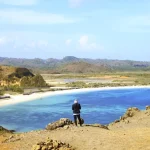
📷 Featured image by Rafli Raihan on Unsplash.