On this page
- What Makes Sumba Different From Every Other Indonesian Island
- Best Areas to Base Yourself on Sumba
- Top Experiences and Highlights on Sumba
- Where to Eat on Sumba
- Getting To and Around Sumba
- Best Day Trips and Excursions From Your Base
- Nightlife and Evening Culture on Sumba
- Shopping and Ikat Weaving on Sumba
- Where to Stay on Sumba
- Best Time to Visit Sumba
- Practical Tips for Traveling on Sumba
- 2026 Budget Breakdown: Daily Costs on Sumba
- Frequently Asked Questions
💰 Click here to see Indonesia Budget Breakdown
💰 Prices updated: August, 2026. Budget figures are estimates — always verify before travel.
Exchange Rate: $1 USD = Rp17,720.00
Daily Budget (per person)
Shoestring: Rp389,840 – Rp1,151,800 ($22.00 – $65.00)
Mid-range: Rp886,000 – Rp1,772,000 ($50.00 – $100.00)
Comfortable: Rp4,430,000 – Rp8,860,000 ($250.00 – $500.00)
Accommodation (per night)
Hostel/guesthouse: Rp53,160 – Rp744,240 ($3.00 – $42.00)
Mid-range hotel: Rp460,720 – Rp1,772,000 ($26.00 – $100.00)
Food (per meal)
Budget meal: Rp30,000.00 ($1.69)
Mid-range meal: Rp105,000.00 ($5.93)
Upscale meal: Rp1,250,000.00 ($70.54)
Transport
Single metro/bus trip: Rp5,000.00 ($0.28)
Monthly transport pass: Rp886,000.00 ($50.00)
In 2026, Sumba remains one of the few places in Indonesia where you can stand inside a living animist village, watch a traditional horseback war ritual, and walk to a near-empty pink sand beach — all in the same day. The challenge most travelers face is that getting there still requires planning. Flight connectivity improved slightly after Garuda Indonesia added a direct Bali–Tambolaka route in late 2024, but Sumba is still not the kind of island you wing. This guide covers everything you need to arrive prepared and leave having experienced the real thing.
What Makes Sumba Different From Every Other Indonesian Island
Sumba sits east of Sumbawa and Flores in Nusa Tenggara Timur, and it operates on its own frequency. The island is predominantly Christian but layered with Marapu — the indigenous animist belief system that shapes everything from village architecture to funeral rites to the Pasola war festival. Unlike Bali’s performative spirituality or Lombok’s coastal tourism, Sumba’s culture is not staged for visitors. You will stumble upon a ceremony that has been happening the same way for centuries and feel genuinely privileged to witness it.
The landscape swings between extremes. The east is dry savanna, all golden grass and acacia trees that make it look more like East Africa than Southeast Asia. The west turns lush and hilly after rain, with rivers cutting through jungle to reach waterfalls that empty into lagoons. The coastline has beaches — Mandorak, Nihiwatu, Walakiri — that regularly appear on “world’s best” lists without the crowds those lists usually generate. In 2026, this still holds. Sumba gets a fraction of the tourists that Komodo or Raja Ampat receives.
Best Areas to Base Yourself on Sumba
Waingapu (East Sumba)
Waingapu is the island’s largest town and the main transport hub for East Sumba. It has the best selection of mid-range accommodation, a functioning market, restaurants, and ATMs. Travelers who want to explore the savanna landscapes, traditional ikat weaving villages like Prailiu and Rende, and the beaches of the east coast (Walakiri, with its famous mangrove roots at low tide) should base themselves here. It’s not glamorous — it’s a working Sumbanese town — but that’s the appeal.
Waikabubak (West Sumba)
Waikabubak is the cultural heartland. Traditional clan villages with towering thatched roofs and massive megalithic tombs sit right inside the town boundaries. This is where Pasola festival energy is strongest. The town itself is small and unpretentious, with warung-lined streets and a slower pace than Waingapu. Tambolaka Airport (10 km away) serves West Sumba, making this the natural arrival point if you fly direct from Bali. Most cultural itineraries start here.

Nihiwatu Coast (Southwest)
If you’re staying at Nihi Sumba Resort — consistently ranked among the world’s top hotels — you’re based on this remote stretch of southwest coast. Even if that’s beyond your budget, the area around Nihiwatu and Pero beach is worth visiting. A few smaller guesthouses have opened nearby in recent years, giving mid-range travelers access to the same pristine surf and sunset views without the four-figure room rates.
Top Experiences and Highlights on Sumba
Pasola Festival
The Pasola is the most extraordinary cultural event in eastern Indonesia. Hundreds of horsemen from rival clans charge at each other on open fields, hurling blunted wooden spears in a ritual war that determines agricultural fortune for the year. The atmosphere crackles — the sound of hooves on dry earth, the crowd surging with each charge, the dust rising in thick orange clouds over the field. It happens annually in February and March, with dates determined by the appearance of nyale sea worms on the beach. The main locations are Lamboya and Kodi in West Sumba. In 2026, check the Nusa Tenggara Timur tourism board website for precise dates — they publish them about six weeks in advance.
Megalithic Tombs and Traditional Villages
Sumbanese clan villages (kampung adat) are organized around massive stone tombs where ancestors are buried with valuable goods. Kampung Tarung near Waikabubak is one of the most accessible. Kampung Prai Ijing offers a more remote experience with panoramic hillside views. At Anakalang, the tombs reach extraordinary size — some are the largest megalithic structures in Indonesia. Many villages have a small entry contribution (around IDR 50,000–100,000) that goes directly to the community.
Weekuri Lagoon
A saltwater lagoon separated from the ocean by a narrow limestone ridge, Weekuri is shallow, impossibly turquoise, and warm enough to float in for hours. It’s about 60 km west of Waikabubak. Go early morning — by 10am the day trippers from resort buses start arriving and the stillness breaks.
Lapopu Waterfall and Matayangu
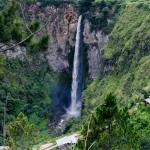
Lapopu is the island’s most dramatic waterfall, a two-tiered cascade inside Manupeu Tanah Daru National Park in West Sumba. The short hike in is muddy after rain but accessible. Matayangu waterfall, further into the park, requires a guide and more effort — it rewards with total isolation.
Pink Beach at Nihiwatu and Mandorak
Mandorak Beach in the southwest has the highest concentration of pink-tinged sand, caused by crushed red coral mixing with white. It’s accessed by dirt track and requires a 4WD or motorbike. Bring everything you need — there are no warungs at the beach itself.
Where to Eat on Sumba
Sumba’s food scene is honest and unfussy. Don’t come expecting the restaurant sophistication of Bali or Lombok — come expecting freshly cooked rice and grilled fish at a wooden table with a ceiling fan turning overhead.
In Waingapu, the strip of warungs along Jalan Achmad Yani near the central market is where locals eat lunch. Order ikan bakar (grilled fish) with steamed rice and sambal and you’ll spend under IDR 35,000. Rumah Makan Bersaudara near the waterfront does solid Indonesian standards — ayam goreng, cap cay, grilled shrimp — and is a reliable evening option. The morning market on Jalan El Tari has vendors selling lontong (rice cakes) and sweet tea from dawn.
In Waikabubak, the pasar malam (night market) that sets up along the main street on Friday and Saturday evenings is the social heart of the town. The smell of charcoal and coconut oil hits you half a block away — satay skewers, corn on the cob grilled to black at the tips, fried tempe — all for IDR 10,000–20,000 per serve. Rumah Makan Gloria on Jalan Sudirman is the most reliably open sit-down restaurant in town, with a menu covering Indonesian and Chinese-Indonesian dishes.
Near the Nihiwatu Coast, a few small family warungs operate in Pero village. They’re basic but serve fresh catch from local fishermen — ask what came in that morning and they’ll cook it simply with garlic and chili. This is some of the best seafood on the island and costs a fraction of what resort restaurants charge.
Getting To and Around Sumba
Flying In
Sumba has two airports. Umbu Mehang Kunda Airport (WGP) serves Waingapu in the east. Tambolaka Airport (TMC) serves Waikabubak and West Sumba. In 2026, Tambolaka has direct flights from Bali (Ngurah Rai) operated by Garuda Indonesia and TransNusa. Waingapu is reachable from Bali via Kupang or Labuan Bajo with connections. Flying via Bali is almost always the most efficient entry point for international travelers. Book domestic connections well in advance — load factors on these routes run high during peak periods and around Pasola season.
Airport Transfers
Neither airport has metered taxis. Fixed-rate ojek (motorbike taxi) and bemo rides are available, but the easiest option is arranging a pickup through your accommodation. Most guesthouses in Waingapu and Waikabubak offer this for IDR 100,000–200,000 depending on distance.
Getting Around the Island
Renting a motorbike is the most flexible option for experienced riders — IDR 80,000–120,000 per day in 2026. Roads in East Sumba have improved, but West Sumba’s rural tracks turn treacherous in wet season. Hiring a local driver with a car (typically a 4WD or Avanza) costs IDR 500,000–800,000 per day and is the smarter choice if you’re covering significant ground or visiting in November–March. Gojek and Grab operate in Waingapu town but coverage outside urban areas is essentially zero.
Best Day Trips and Excursions From Your Base
- East Sumba Ikat Villages (from Waingapu): Prailiu and Rende villages are 5–15 km from Waingapu. Half-day trip. Watch weavers work backstrap looms under their homes and buy directly from the family. No middlemen, lower prices.
- Walakiri Beach (from Waingapu): 30 km northeast. Famous for its ghost trees at sunset — mangrove trunks rising from shallow tidal flats. Go at 4pm and stay for the golden hour. Full return trip by motorbike or car takes 3–4 hours including beach time.
- Weekuri Lagoon + Mandorak Beach (from Waikabubak): Combine both in one long day. 60+ km from Waikabubak — hire a car. Arrive at Weekuri before 9am, then continue to Mandorak for lunch (bring your own food). Return by late afternoon.
- Anakalang Tombs + Kampung Prai Ijing (from Waikabubak): Both sites are within 30 km east of Waikabubak. Cultural half-day that can be extended into a loop through the hills.
- Lapopu Waterfall (from Waikabubak): 50 km southeast, inside national park. Allow a full day. Arrange a guide through your accommodation — IDR 150,000–200,000 for the park and guide combined.
Nightlife and Evening Culture on Sumba
Sumba does not have a bar district. That’s not a limitation — it’s the island’s character. What happens after dark here is more interesting than anything a cocktail menu can offer.
In Waikabubak, evenings during festival periods involve drumming, chanting, and gathering around the central village platforms that you can hear from the street. Locals are generally welcoming of respectful visitors who sit and observe. The Friday and Saturday pasar malam runs until around 10pm and functions as the town’s main social gathering — families, teenagers, food vendors, and the occasional traveler sharing the same strip of road.
In Waingapu, a handful of small karaoke establishments and rumah makan stay open until 11pm. The waterfront area picks up with motorbikes and food carts from around 7pm. It’s low-key but genuinely local. Nihi Sumba Resort has a world-class sunset bar experience for guests, but non-guests can visit the beachfront bar for sundowners if they call ahead and book a day access pass — in 2026 this costs approximately IDR 750,000 per person and includes use of facilities.
Shopping and Ikat Weaving on Sumba
Sumbanese tenun ikat is among the most technically demanding textile traditions in the world. The finest pieces take six months to a year to produce and involve resist-dyeing individual threads before weaving. A high-quality hand-dyed, hand-woven ikat from Sumba starts at IDR 1,500,000 and can reach IDR 15,000,000 or more for ceremonial pieces. Machine-made imitations are common in tourist shops — always ask to see the back of the cloth (hand-woven ikat is as detailed on the reverse as the front).
The best places to buy authentic ikat:
- Prailiu and Rende villages (East Sumba): Buy directly from weaving families. Best selection, honest prices, no commission shops.
- Pasar Waingapu: The main market has a textile section. Quality varies — inspect carefully.
- Waikabubak market: West Sumba ikat has different motifs (horses, skull trees, ancestors) than East Sumba ikat. Both are worth buying if you see something that speaks to you.
- Toko-toko along Jalan Gajah Mada in Waingapu: Several fixed-price shops sell curated ikat — more expensive than buying from villages but you have more certainty about quality.
Where to Stay on Sumba
Budget (Under IDR 350,000/night)
Waingapu has the most reliable budget options — guesthouses and losmen along the main streets offer clean rooms with fan and shared or private mandi. Waikabubak’s budget scene is thinner but a few family-run guesthouses near the market function well for backpackers.
Mid-Range (IDR 350,000–1,200,000/night)
Hotel Elvin and Hotel Merlin in Waingapu represent reliable mid-range options with air conditioning, private bathrooms, and simple breakfast included. In West Sumba, boutique guesthouses have expanded near Tambolaka — look for newer properties that have opened in 2024–2025 offering bungalow-style rooms with garden settings within 30–45 minutes of Waikabubak.
Luxury (IDR 8,000,000–50,000,000+/night)
Nihi Sumba is in a category of its own. The resort sits on an 11 km private stretch of beach in southwest Sumba, with open-air villas, expert surf access, and an experience curated around the island’s culture. It routinely ranks as one of the top five hotels in the world. Booking well in advance — six to twelve months for peak season — is essential. For travelers wanting a luxury experience with more accessibility, Lelewatu Resort Sumba opened to strong reviews and offers a different aesthetic at slightly more approachable rates.
Best Time to Visit Sumba
Sumba has a distinct dry season and wet season, and the difference matters more here than on most Indonesian islands.
Dry season (April–November) is when Sumba is most accessible. Roads are passable, beaches are swimmable, and the savanna landscape of East Sumba reaches its golden peak in July–September. This is peak tourist season — book accommodation early, especially around the Nihi Sumba area.
Wet season (December–March) brings heavy rain, flooded roads, and genuine difficulties accessing remote villages and waterfalls. However, this is when Pasola happens. February and March — right at the height of wet season — are the most culturally significant months on the calendar. If Pasola is your reason for coming, accept the road conditions as part of the deal and hire a 4WD driver.
Shoulder months (April and November) offer the best balance — post-Pasola in April means cultural residue is still in the air (ceremonies, village preparations), crowds are minimal, and roads are drying out. November sees the first rains but is still largely accessible.
Practical Tips for Traveling on Sumba
- Cash is king: ATMs exist in Waingapu and Waikabubak (BRI and BNI are most reliable) but nowhere else on the island. Withdraw enough before heading to remote areas. IDR is the only currency accepted.
- SIM cards: Buy a Telkomsel SIM at the airport or in town. It gives the best rural coverage. Connectivity drops to zero in many highland and coastal areas — download offline maps (Maps.me or Google Maps offline) before leaving your base.
- Language: Bahasa Indonesia is widely spoken. Local Sumbanese languages vary by region. English is understood at hotels and some restaurants in Waingapu, but very limited elsewhere. Basic Bahasa phrases go a long way.
- Medical: Waingapu has a public hospital (RSUD Waingapu) and a few clinics. For anything serious, medical evacuation to Bali or Kupang is the realistic plan. Travel insurance with medical evacuation cover is not optional on Sumba.
- Dress respectfully in villages: When entering traditional villages or ceremonies, cover shoulders and knees. Some villages require a sarong — carry one. A small contribution or gift of betel nut (pinang) is a meaningful gesture when visiting community elders.
- Electricity: Power cuts happen regularly across the island, including in Waingapu. A portable power bank is useful.
2026 Budget Breakdown: Daily Costs on Sumba
Sumba is one of the more affordable islands in Indonesia for daily expenses, though getting there costs more than Bali or Lombok due to flight connections.
Budget Traveler — IDR 250,000–450,000/day
- Accommodation: IDR 100,000–200,000 (fan room guesthouse)
- Food: IDR 50,000–100,000 (warung meals, market food)
- Transport: IDR 80,000–120,000 (rented motorbike)
- Entry fees/activities: IDR 20,000–50,000 average
Mid-Range Traveler — IDR 700,000–1,500,000/day
- Accommodation: IDR 400,000–900,000 (AC hotel or boutique guesthouse)
- Food: IDR 100,000–200,000 (mix of warungs and sit-down restaurants)
- Transport: IDR 500,000–700,000 (shared car hire, split between 2–3 people)
- Activities/guides: IDR 150,000–300,000
Comfortable/Luxury Traveler — IDR 3,000,000–50,000,000+/day
- Accommodation: IDR 1,500,000–50,000,000 (luxury resort or Nihi Sumba)
- Food: IDR 300,000–800,000 (resort dining or private chef arrangements)
- Private car + guide: IDR 800,000–1,500,000
- Curated experiences (surf lessons, cultural tours): IDR 500,000–2,000,000
Frequently Asked Questions
Is Sumba safe for tourists?
Sumba is generally safe for travelers in 2026. Petty crime is rare and locals are known for being welcoming to visitors. The main risks are road-related — unpaved tracks and rain-season flooding. Take sensible precautions, hire drivers for difficult terrain, and carry comprehensive travel insurance with medical evacuation cover.
Do I need a visa to visit Sumba?
Sumba is part of Indonesia. In 2026, visitors from most Western countries, Australia, and most of Southeast Asia can enter Indonesia visa-free for up to 30 days under the Bebas Visa program, or obtain a Visa on Arrival at major entry points. Confirm current rules at your nearest Indonesian embassy before travel, as visa policy is reviewed periodically.
When is the Pasola festival in 2026?
Pasola occurs in February and March, with the exact date set by the Marapu priests based on the appearance of nyale sea worms after the full moon. In 2026, the main Pasola events in Lamboya and Kodi fall in late February and early March. Check the Dinas Pariwisata NTT (East Nusa Tenggara Tourism Office) website or ask your accommodation to confirm exact dates on arrival.
How long should I spend on Sumba?
A minimum of five days is needed to experience both East and West Sumba meaningfully. Seven to ten days is better if you want to combine beach time, cultural village visits, and a waterfall excursion without feeling rushed. The island rewards slow travel — distances between sites are significant on local roads.
Can I visit Sumba on a budget?
Yes — daily expenses on the ground are low once you arrive. The bigger cost is getting there: return flights from Bali to Tambolaka or Waingapu typically run IDR 1,200,000–2,500,000 per person depending on season and booking lead time. Once on the island, food and accommodation are among the cheapest in eastern Indonesia.
Explore more
Nusa Penida Day Trip from Bali: Your Ultimate Island Hopping Guide
Getting Around Indonesia: Your Ultimate Local Transport Guide
📷 Featured image by Afif Ramdhasuma on Unsplash.