On this page
- Why Sulawesi Challenges Every Indonesia Stereotype
- North Sulawesi: Manado and the Underwater Wonderland
- Central Sulawesi: Tana Toraja’s Living Culture
- South Sulawesi: Makassar Gateway and Bugis Heritage
- Southeast Peninsula: Wakatobi and Remote Paradise
- Getting Around Sulawesi: Transportation Reality Check
- Where to Stay Across the Four Arms
- Sulawesi in 2026: Budget Breakdown by Region
- Frequently Asked Questions
💰 Click here to see Indonesia Budget Breakdown
💰 Prices updated: September, 2026. Budget figures are estimates — always verify before travel.
Exchange Rate: $1 USD = Rp17,928.47
Daily Budget (per person)
Shoestring: Rp358,569 – Rp896,424 ($20.00 – $50.00)
Mid-range: Rp1,254,993 – Rp2,689,271 ($70.00 – $150.00)
Comfortable: Rp2,689,271 – Rp4,482,118 ($150.00 – $250.00)
Accommodation (per night)
Hostel/guesthouse: Rp71,714 – Rp179,285 ($4.00 – $10.00)
Mid-range hotel: Rp448,212 – Rp896,424 ($25.00 – $50.00)
Food (per meal)
Budget meal: Rp26,893.00 ($1.50)
Mid-range meal: Rp143,428.00 ($8.00)
Upscale meal: Rp537,854.00 ($30.00)
Transport
Single metro/bus trip: Rp3,500.00 ($0.20)
Monthly transport pass: Rp200,000.00 ($11.16)
Sulawesi throws every Indonesia travel assumption out the window. While Bali drowns in tourists and Java races through modernization, this orchid-shaped island maintains its wild edges and authentic rhythms. In 2026, improved domestic flights and new road connections make Sulawesi more accessible than ever, yet it remains Indonesia’s most rewarding challenge for travelers seeking genuine cultural encounters and pristine natural beauty.
Why Sulawesi Challenges Every Indonesia Stereotype
Sulawesi operates on its own logic. The island’s four distinct peninsulas feel like separate countries, each shaped by unique geography and cultural traditions. Christianity dominates the north while Islam prevails in the south, yet ancient animist beliefs thread through both regions. The landscape shifts from volcanic peaks to limestone karst, coral atolls to highland plateaus.
The Bugis sailors from South Sulawesi once ruled Southeast Asian trade routes, while Torajan communities in the central highlands developed elaborate funeral ceremonies that continue today. Minahasan cuisine in the north features ingredients you won’t find elsewhere in Indonesia, including forest rat and fruit bat prepared with aromatic spices.
Unlike Java’s dense population or Bali’s tourism infrastructure, Sulawesi rewards patience and flexibility. Roads wind through mountains, connecting isolated communities that maintain distinct languages and customs. The morning call to prayer might echo from a village mosque while church bells ring from a hilltop cathedral visible from the same viewpoint.
North Sulawesi: Manado and the Underwater Wonderland
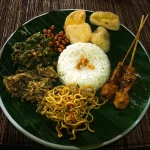
Manado serves as Sulawesi’s most accessible entry point, with direct international flights from Singapore and Kuala Lumpur. The city itself pulses with Minahasan energy, where street vendors serve tinutuan (rice porridge with vegetables) alongside fresh seafood grilled with rica-rica chili paste that brings tears to your eyes and keeps you reaching for more.
Bunaken National Marine Park lies just 45 minutes offshore by boat. The underwater walls here drop dramatically into cobalt depths, creating feeding grounds for massive schools of barracuda, tuna, and reef sharks. The coral formations remain pristine compared to tourist-heavy dive sites elsewhere in Indonesia. Early morning dives offer the best visibility, with water temperatures around 28°C year-round.

Lake Tondano occupies a volcanic caldera 30 kilometers inland from Manado. Traditional wooden houses on stilts dot the lake’s edge, while local fishermen cast nets from narrow boats carved from single tree trunks. The surrounding highlands produce coffee, cloves, and nutmeg in small family plantations that welcome visitors during harvest seasons.
Tomohon’s flower market explodes with color and variety impossible to find elsewhere in Indonesia. Beyond the expected tropical blooms, you’ll discover highland vegetables, exotic fruits, and unfortunately, sections selling bat and dog meat for local consumption. The nearby Lokon volcano offers hiking trails through sulfur vents and crater lakes.
Central Sulawesi: Tana Toraja’s Living Culture
Tana Toraja exists in cultural suspension between ancient traditions and modern pressures. The dramatic landscape of rice terraces carved into mountainsides provides a backdrop for elaborate funeral ceremonies that can last several days and cost families their life savings. These aren’t tourist performances but genuine community events where the deceased aren’t considered truly dead until proper ceremonies conclude.
Traditional tongkonan houses rise on stilts with distinctive boat-shaped roofs that represent the vessels ancestors used to reach Toraja highlands. Each house displays buffalo horns indicating the family’s wealth and status, while intricate wood carvings tell ancestral stories passed down through generations.
Rantepao serves as the region’s practical base, offering modest accommodations and restaurants serving local specialties like pa’piong (rice cooked in bamboo tubes) and buffalo meat prepared in various styles. The town’s central market provides insight into highland agriculture, with vendors selling red rice, mountain coffee, and palm wine called tuak.

Lemo cliff contains dozens of tau-tau statues representing deceased community members, their painted faces watching over valley below. Nearby Kete Kesu demonstrates traditional Torajan architecture and blacksmithing techniques still practiced by local artisans. The village cemetery showcases hanging coffins secured in cliff faces, a practice dating back centuries.
Bolu market operates on a six-day rotation, attracting highland communities who descend from remote villages to trade goods. Water buffalo, pigs, and chickens change hands alongside locally grown coffee, vegetables, and handwoven textiles. The market atmosphere captures rural Indonesian commerce at its most authentic.
South Sulawesi: Makassar Gateway and Bugis Heritage
Makassar pulses with commercial energy as Sulawesi’s largest city and primary transportation hub. The historic port area preserves remnants of colonial Dutch architecture alongside traditional Bugis houses raised on stilts. Losari Beach stretches along the city’s waterfront, transforming each evening into an open-air food court where vendors serve fresh seafood and regional specialties.
Fort Rotterdam anchors the old city center, its thick walls containing museums dedicated to Sulawesi’s maritime history and the Bugis people’s far-reaching trading networks. The nearby Paotere Harbor continues traditional boat-building practices, where wooden pinisi schooners take shape using techniques passed down through generations.
Bantimurung-Bulusaraung National Park lies 50 kilometers northeast of Makassar, protecting limestone karst formations and Southeast Asia’s largest butterfly preserve. The park’s caves extend deep underground, while waterfalls cascade over travertine pools perfect for swimming during dry season months.
Traditional markets in Makassar reveal South Sulawesi’s culinary diversity. Pasar Sentral offers everything from dried fish and spice pastes to fresh tropical fruits. Street food vendors throughout the city serve coto Makassar (beef soup with rice cakes), konro (grilled ribs), and es pisang ijo (banana wrapped in green rice flour with coconut milk).

Southeast Peninsula: Wakatobi and Remote Paradise
Wakatobi represents Indonesia’s most pristine marine ecosystem, where four main islands protect coral reefs that marine biologists consider among the world’s most biodiverse. The name derives from the first letters of the four islands: Wangi-Wangi, Kaledupa, Tomia, and Binongko.
Getting to Wakatobi requires commitment. Flights from Makassar reach Wangi-Wangi Island twice weekly, while boat connections from Kendari take 8-10 hours across sometimes rough seas. The journey filters out casual visitors, preserving the area’s pristine character and traditional Bajau sea nomad culture.
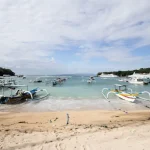
Bajo communities maintain their maritime heritage through traditional fishing practices and boat-building skills. Wooden boats called lepa-lepa navigate shallow coral gardens using knowledge passed down through generations. Some families still live primarily on the water, moving seasonally between anchorages.
The diving and snorkeling around Wakatobi surpasses most other Indonesian destinations for visibility and coral health. Underwater walls drop into deep channels where large pelagic species patrol, while shallow gardens teem with tropical fish species in every color combination imaginable. Water temperatures remain constant around 27-29°C throughout the year.
Accommodation options range from basic guesthouses to eco-resorts, all maintaining low environmental impact. Most visitors arrange dive packages that include meals and boat transfers, as independent restaurant options remain limited outside main village areas.
Getting Around Sulawesi: Transportation Reality Check
Sulawesi’s transportation network improved significantly in 2026 with new domestic flight routes and road upgrades, but overland travel still requires patience and flexibility. The Trans-Sulawesi Highway connects major cities, though mountain sections involve winding roads and unpredictable weather conditions.
Domestic flights link major destinations efficiently. Garuda Indonesia and Lion Air operate regular services between Makassar, Manado, Palu, and Kendari. New routes launched in 2025 include direct flights from Manado to Wakatobi and Makassar to Poso, reducing travel times significantly.

Road travel between regions takes considerable time despite improved infrastructure. Makassar to Rantepao requires 8-9 hours by private car or tourist bus, while Manado to Rantepao involves a full day’s journey with overnight stops recommended. Local buses operate these routes but expect frequent stops and basic comfort levels.
Rental cars provide maximum flexibility for exploring individual regions, though international driving permits are mandatory. Major rental agencies operate in Makassar and Manado, while local operators serve smaller cities. Road conditions vary dramatically, from smooth highways to potholed mountain tracks.
Inter-island ferries connect Sulawesi’s peninsulas and offshore islands, though schedules depend on weather conditions and passenger demand. Pelni operates passenger ships between major ports, while smaller boats serve remote destinations like Wakatobi and Togean Islands.
Where to Stay Across the Four Arms
Accommodation standards vary dramatically across Sulawesi’s regions, from international hotels in major cities to basic homestays in remote villages. Each area requires different expectations and booking strategies.
Makassar offers the island’s most sophisticated lodging options. International chains like Swiss-Belhotel and Aston provide business-class amenities, while boutique properties preserve colonial architecture with modern comfort. Budget travelers find clean hostels and guesthouses throughout the city center.
Manado’s hotel scene caters primarily to divers and business travelers. Beachfront resorts near Bunaken offer dive packages and boat transfers, while city hotels provide convenient access to restaurants and transportation. Many properties include breakfast and airport transfers in their rates.
Tana Toraja accommodations reflect the region’s cultural focus. Traditional-style guesthouses offer experiences in tongkonan-inspired architecture, while family homestays provide authentic cultural immersion. Most properties arrange cultural tours and ceremony visits through local guides.
Remote areas like Wakatobi and Togean Islands operate mainly eco-resorts and dive lodges with package deals including meals and activities. Basic guesthouses exist but require advance booking, as accommodation capacity remains limited.

Booking platforms cover major destinations, though remote areas often require direct contact or local agent arrangements. WhatsApp communication has become standard for smaller properties, allowing real-time confirmation and special requests.
Sulawesi in 2026: Budget Breakdown by Region
Sulawesi’s costs vary significantly by region and travel style. Northern and southern areas with established tourism infrastructure cost more than central highlands and remote eastern islands.
Budget Travel (150,000-250,000 IDR daily): Local guesthouses, street food, public transportation, basic activities. This covers simple accommodation, Indonesian meals, local buses, and entrance fees to major attractions. Budget diving in Bunaken costs around 400,000 IDR for two tanks.
Mid-Range Travel (350,000-600,000 IDR daily): Comfortable hotels, restaurant meals, private transportation, guided tours. Includes air-conditioned accommodation with private bathrooms, mix of local and international cuisine, rental cars or private drivers, and organized cultural experiences.
Comfortable Travel (800,000+ IDR daily): Resort accommodation, fine dining, private guides, premium activities. Covers beachfront hotels, resort dining, private boats for diving and island hopping, and exclusive cultural access through specialized tour operators.
Specific costs vary by season and advance booking. Domestic flights range from 800,000-1,500,000 IDR depending on route and timing. Car rentals start around 300,000 IDR daily excluding fuel and driver fees. Guided cultural tours in Tana Toraja cost 500,000-1,000,000 IDR per day for small groups.
Remote destinations like Wakatobi operate mainly on package pricing due to limited independent options. Dive packages typically range from 1,200,000-2,500,000 IDR per person daily including accommodation, meals, and boat diving.
Frequently Asked Questions
How many days do you need to see Sulawesi properly?
Minimum two weeks for three regions, though three weeks allows proper cultural immersion and relaxation. Each peninsula deserves 4-5 days minimum. Many travelers focus on 1-2 areas rather than rushing through all four arms.

Is Sulawesi safe for independent travelers?
Yes, Sulawesi is generally very safe with welcoming communities and low crime rates. Standard precautions apply for road travel and water activities. Remote areas require more preparation and local guidance than major tourist destinations.
What’s the best time to visit Sulawesi?
April through October offers the driest weather and best diving conditions. November through March brings more rain, especially in mountainous regions. Torajan funeral season peaks during July-September when weather is most reliable.
Do I need special permits or vaccinations for Sulawesi?
No special permits required for Indonesian citizens or visa-exempt visitors. Routine vaccinations recommended plus hepatitis A/B and typhoid. Malaria risk exists in some rural areas, consult travel health professionals for current recommendations.
Can I island hop easily between Sulawesi’s peninsulas?
Domestic flights are the most efficient option between distant regions. Overland travel takes considerable time due to mountainous terrain. Ferry connections exist but schedules are irregular and weather-dependent, especially during monsoon months.
Explore more
Tana Toraja: Essential Things to Do & See in Sulawesi’s Cultural Heart
Beyond Bali: Discover the Best Places to Visit in Sulawesi
Your Ultimate Tana Toraja Travel Guide: Things to Do & See in Sulawesi
📷 Featured image by Heru Haryanto on Unsplash.