On this page
- Planning Your 2026 Komodo & Flores Adventure
- Komodo National Park: Dragons, Diving & Island Hopping
- Pink Beach & Pristine Marine Sanctuaries
- Flores Volcanic Landscapes & Cultural Encounters
- Where to Stay: From Labuan Bajo Resorts to Village Homestays
- Getting Around: Boats, Flights & Overland Routes
- What It Really Costs: 2026 Budget Breakdown
- Frequently Asked Questions
💰 Click here to see Indonesia Budget Breakdown
💰 Prices updated: September, 2026. Budget figures are estimates — always verify before travel.
Exchange Rate: $1 USD = Rp17,928.47
Daily Budget (per person)
Shoestring: Rp358,569 – Rp896,424 ($20.00 – $50.00)
Mid-range: Rp1,254,993 – Rp2,689,271 ($70.00 – $150.00)
Comfortable: Rp2,689,271 – Rp4,482,118 ($150.00 – $250.00)
Accommodation (per night)
Hostel/guesthouse: Rp71,714 – Rp179,285 ($4.00 – $10.00)
Mid-range hotel: Rp448,212 – Rp896,424 ($25.00 – $50.00)
Food (per meal)
Budget meal: Rp26,893.00 ($1.50)
Mid-range meal: Rp143,428.00 ($8.00)
Upscale meal: Rp537,854.00 ($30.00)
Transport
Single metro/bus trip: Rp3,500.00 ($0.20)
Monthly transport pass: Rp200,000.00 ($11.16)
Indonesia’s eastern frontier has undergone a dramatic transformation since 2024, with new international flights direct to Labuan Bajo and upgraded marina facilities making this UNESCO World Heritage region more accessible than ever. Yet beneath the improved infrastructure lies the same wild frontier that captivated explorers for centuries—ancient dragons stalking volcanic islands, coral reefs that rival the Maldives, and traditional villages where time moves at the pace of weaving looms.
Planning Your 2026 Komodo & Flores Adventure
The opening of Labuan Bajo’s expanded international terminal in late 2025 changed everything for Komodo and Flores access. Direct flights from Singapore, Kuala Lumpur, and Darwin now land twice weekly, eliminating the previous Bali connection requirement. The new flights operate on Wednesdays and Saturdays, perfectly timed for week-long adventures.
Peak season runs April through September when southeast trade winds keep seas calm and visibility underwater exceeds 30 metres. The shoulder months of March and October offer excellent value with 30% lower accommodation rates and fewer tour groups crowding the prime dragon spotting sites on Rinca Island.
Book Komodo National Park permits online at least two weeks ahead during peak season. The daily visitor cap of 200 people per island often sells out, especially for Komodo Island itself where the largest dragons congregate. Rinca Island permits are easier to secure and offer equally impressive dragon encounters with better photo opportunities due to more open terrain.
Most travellers base themselves in Labuan Bajo on Flores’ western tip, using it as a launching pad for multi-day boat trips through the national park. The town has evolved from a sleepy fishing village into a proper resort destination while retaining its laid-back charm. Waterfront restaurants serve fresh mahi-mahi and snapper caught that morning, their wood smoke drifting across the harbour as traditional phinisi boats prepare for sunset departures.

Komodo National Park: Dragons, Diving & Island Hopping
The Komodo dragon encounter remains one of Earth’s most primal wildlife experiences. These three-metre prehistoric predators lumber through the dry savanna of Komodo and Rinca islands, their forked tongues tasting the air for carrion or unsuspecting deer. Rangers lead small groups along established trails, maintaining a strict three-metre distance from any dragon spotted.
Rinca Island offers the most reliable dragon sightings. The morning trek to the ranger station viewpoint passes through classic dragon habitat—scrubby acacia trees and sun-baked grassland where these apex predators bask in the early warmth. Dragons often gather near the ranger quarters, drawn by the scent of cooking and food storage areas. The largest male on record, nicknamed “Rambo” by rangers, frequently appears near the main trail around 8am.
Komodo Island itself requires more hiking for dragon encounters but rewards visitors with larger specimens and fewer crowds. The three-hour trek to Banunggulung viewpoint passes multiple dragon nesting sites and offers panoramic views across the entire archipelago. Water buffalo bones scattered along the trail tell the story of successful dragon hunts, while the sulfurous smell of dragon saliva marks territory boundaries.
The underwater realm surrounding these volcanic islands rivals any diving destination globally. Manta Point off Komodo Island hosts resident populations of reef mantas year-round, their five-metre wingspans gliding through plankton-rich currents just below the surface. The cleaning stations here operate like underwater car washes, with wrasses and cleaner fish servicing queue of mantas in perfectly choreographed rotations.
Castle Rock’s underwater pinnacle creates washing machine currents that challenge even advanced divers, but the reward is walls of grey reef sharks, schooling barracuda, and the occasional whale shark cruising the blue water beyond. The coral formations here have recovered remarkably since 2024’s marine protection upgrades, with hard corals showing new growth and fish populations increasing measurably.

Pink Beach & Pristine Marine Sanctuaries
Pantai Merah on Komodo Island earned its fame through Instagram, but the reality exceeds any filtered photograph. The pink sand results from microscopic red coral fragments mixed with white sand, creating a rosy blush that intensifies during golden hour. The beach curves for 200 metres between volcanic headlands, its pink sand giving way to gin-clear water over pristine coral gardens.
The snorkelling directly off Pink Beach reveals why this area earned UNESCO protection. Staghorn corals create underwater forests where schools of fusiliers flash silver against the blue water. Green sea turtles graze on seagrass beds in the shallows, often approaching within arm’s reach of snorkellers. The reef drops to 40 metres just 50 metres from shore, where Napoleon wrasse patrol the deeper waters.
Long Beach on Padar Island offers a different pink sand experience with dramatic landscape photography opportunities. The trek to the famous Padar viewpoint takes 45 minutes through scrubland, emerging at a ridgetop overlooking three distinct bays—one with white sand, one pink, and one black from volcanic minerals. The contrast creates one of Indonesia’s most photographed vistas, especially striking during the 6:30am golden light.
Gili Lawa Darat provides the archipelago’s most pristine coral reefs, protected by strong currents that keep tour boats at bay. Only experienced snorkellers should attempt the drift snorkel here, but the reward is virgin hard coral formations and fish densities that approach Maldivian levels. The island’s grassy hilltop offers 360-degree views across the entire Komodo archipelago, particularly stunning at sunset when the volcanic peaks catch fire.
Kanawa Island combines excellent snorkelling with comfortable day trip amenities. The resort here offers day passes including lunch, kayaks, and snorkel gear for 350,000 IDR. The house reef extends around the entire island perimeter, with the best coral formations on the north side where currents bring nutrients from deeper water. Blacktip reef sharks patrol the sandy channels between coral heads.

Marine Conservation Success Stories
The 2025 expansion of no-take zones throughout Komodo National Park has produced measurable results. Fish biomass increased 40% in protected areas, while coral coverage improved from 65% to 78% across monitored sites. The traditional sasi system—community-based fishing restrictions—now operates alongside government regulations, creating effective protection.
Local fishing communities have transitioned into conservation partners through tourism revenue sharing. Former fishermen now work as dive guides and boat operators, their intimate knowledge of currents and marine life making them invaluable for underwater adventures. The transformation is particularly visible around Seraya Kecil, where former fishing boats now carry snorkellers to pristine reefs.
Flores Volcanic Landscapes & Cultural Encounters
Flores island stretches 350 kilometres east from Labuan Bajo, its spine dominated by active volcanoes and traditional villages that maintain customs unchanged for centuries. The Trans-Flores Highway, completed in 2025, now allows overland exploration of this cultural treasure trove in comfort previously impossible.
Bajawa sits at 1,100 metres elevation in the Ngada highlands, surrounded by active volcanoes and traditional villages where megalithic stone circles still mark clan territories. The cool mountain air provides relief from coastal humidity, while morning mist drifts through coffee plantations that produce some of Indonesia’s finest arabica beans. Local families roast beans over wood fires, the rich aroma mixing with frangipani blossoms in traditional compound courtyards.
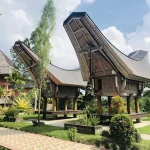
Bena village, 19 kilometres from Bajawa, preserves traditional Ngada architecture with remarkable authenticity. Grass-roofed houses arrange around central ceremonial stones, while clan totems guard family compounds. Women weave ikat textiles on simple looms, their patterns encoding clan histories and marriage alliances. The village operates as a living museum where tourists are welcomed but traditions continue uncompromised.

Mount Inerie dominates the landscape south of Bajawa, its perfect volcanic cone rising 2,245 metres above surrounding valleys. The sunrise trek to the summit takes four hours through cloud forest and alpine meadows, emerging at a crater rim with views across central Flores. On clear mornings, the volcanic chain extends to the horizon in both directions, while traditional villages appear as tiny clearings in the green valleys below.
Ende, Flores’ largest town, serves as the gateway to Kelimutu National Park and its famous three-coloured crater lakes. The town has historical significance as Sukarno’s place of exile from 1934-1942, with his modest house now operating as a museum. Traditional markets here sell local specialities including palm wine (tuak) and cashew fruit candy unique to Flores.
Kelimutu volcano’s three crater lakes change colours unpredictably, creating an otherworldly landscape that ranks among Indonesia’s most striking natural phenomena. The lakes currently display turquoise, chocolate brown, and emerald green, though colours shift based on mineral content and volcanic activity. The pre-dawn hike to the viewpoint takes 90 minutes from Moni village, timed to reach the crater rim as sunrise illuminates the mysterious waters.
Cultural Immersion Opportunities
Homestay programs in Ngada villages offer authentic cultural exchanges impossible in commercial hotels. Families in Bena and nearby Luba village host guests in traditional houses, sharing meals of locally grown corn, vegetables, and free-range pork. Evening gatherings around cooking fires provide opportunities to learn about clan histories, traditional medicine, and agricultural practices.
Textile workshops in Bajawa teach traditional ikat weaving techniques passed down through generations. Master weavers demonstrate the complex process of tying and dyeing threads before weaving, creating intricate patterns that require months to complete. Participants can try their hand at basic weaving while learning about the symbolic meanings encoded in traditional designs.

Where to Stay: From Labuan Bajo Resorts to Village Homestays
Labuan Bajo’s accommodation scene has matured significantly since 2024, with several international resort chains opening properties that rival any tropical destination. The Marriott Labuan Bajo opened in March 2025 with overwater villas and a world-class spa, setting new luxury standards for the region.
Plataran Komodo Beach Resort occupies a spectacular hillside location with infinity pools overlooking the harbour. Traditional Manggarai architecture blends with modern amenities, while the resort’s own dive centre offers direct access to Komodo’s premier sites. Rooms start at 2,800,000 IDR during peak season, including breakfast and sunset cocktails at the clifftop bar.
For mid-range comfort, Bayview Gardens Hotel combines excellent value with prime waterfront location. Rooms feature modern amenities and private balconies, while the rooftop restaurant serves excellent Indonesian and international cuisine. The hotel’s tour desk arranges Komodo trips with reputable operators, often at better rates than booking independently.
Budget travellers find excellent value at Bajo Bay Residence, where private rooms with air conditioning start at 350,000 IDR including breakfast. The property features a swimming pool, tour booking services, and a popular restaurant that serves fresh seafood caught by local fishermen. The communal atmosphere makes it easy to join group tours and share costs.
Villa Menari offers boutique luxury in an intimate setting, with just eight villas scattered across tropical gardens. Each villa features a private pool, outdoor bathroom, and panoramic harbour views. The personalised service includes customised tour arrangements and in-villa spa treatments.
Flores Highland Accommodations
Bajawa’s Pendopo Nusantara provides mountain resort luxury with traditional Ngada design elements. Rooms feature fireplaces for cool highland evenings, while the spa offers treatments using local coffee and volcanic clay. The property’s organic garden supplies vegetables and herbs for the restaurant’s farm-to-table cuisine.

Moni village near Kelimutu offers simple guesthouses perfect for budget travellers making the sunrise trek. Kelimutu Eco Lodge provides the best combination of comfort and value, with clean rooms, hot water, and guides for the volcano hike. Evening meals feature local specialities including Flores coffee and palm wine.
Traditional village homestays throughout Flores provide authentic cultural experiences. Families in Bena, Luba, and Wae Rebo villages offer basic accommodation in traditional houses, sharing meals and daily activities with guests. These experiences require advance booking through village elders or local tour operators.
Getting Around: Boats, Flights & Overland Routes
Komodo Soekarno Airport (LBJ) now handles international flights from Singapore (Scoot, twice weekly), Kuala Lumpur (AirAsia, twice weekly), and Darwin (Jetstar, once weekly). Domestic connections operate from Jakarta, Bali, Surabaya, and Makassar with multiple daily frequencies. The airport’s 2025 expansion includes dedicated international arrivals, duty-free shopping, and improved ground transportation.
Boat trips represent the only way to reach Komodo National Park islands. Day trips from Labuan Bajo cover Pink Beach and Rinca Island but feel rushed with limited dragon viewing time. Two-day, one-night trips allow proper exploration of multiple islands including Padar viewpoint and quality snorkelling time. Three-day trips add Komodo Island itself and deeper exploration of remote dive sites.
Traditional phinisi boats remain the classic choice for multi-day adventures, their distinctive sails and carved wooden hulls creating Instagram-worthy moments. Modern versions feature air-conditioned cabins, western toilets, and professional dive equipment. Budget operators charge 1,500,000 IDR per person for two-day trips, while luxury phinisi charters cost 8,000,000 IDR for private groups.
Speed boats offer day trip alternatives for travellers short on time. The journey to Rinca Island takes 90 minutes each way, allowing three hours ashore for dragon trekking and lunch. These trips work well for families with young children who might struggle with overnight boat accommodation.

The Trans-Flores Highway’s 2025 completion opened overland exploration possibilities previously impossible. The 600-kilometre route from Labuan Bajo to Larantuka takes 12 hours through spectacular volcanic landscapes, traditional villages, and changing cultural zones. Most travellers break the journey with overnight stops in Bajawa and Ende.
Local Transportation Options
Motorcycle rental in Labuan Bajo costs 100,000 IDR daily for automatic scooters, perfect for exploring nearby beaches and villages. International driving permits are required, and traffic moves at relaxed pace outside town centre. Popular rides include Cunca Rami waterfall (45 minutes) and Rangko Cave (30 minutes).
Shared minibuses (bemos) connect major towns along the Trans-Flores Highway for budget-conscious travellers. The Labuan Bajo to Bajawa route costs 150,000 IDR and takes five hours through mountain scenery. Services are irregular, so confirm schedules with your accommodation.
Private car charters provide the most comfortable way to explore Flores island. Daily rates start at 800,000 IDR including driver and petrol for local trips, or 1,500,000 IDR for longer distances. Many drivers speak basic English and act as informal guides, sharing local knowledge about cultural sites and traditions.
What It Really Costs: 2026 Budget Breakdown
Komodo and Flores cater to all budget levels, though costs increased 20% since 2024 due to improved infrastructure and growing international recognition. Careful planning can keep expenses reasonable while ensuring quality experiences.
Budget Travel (Under 500,000 IDR Daily)
- Accommodation: Basic guesthouses and homestays, 150,000-250,000 IDR per night
- Food: Local warungs and markets, 80,000-120,000 IDR per day
- Transport: Shared boats and public transport, 100,000-200,000 IDR per day
- Activities: Group tours and self-guided trekking, 150,000-300,000 IDR per day
- Komodo National Park: Entry permits 225,000 IDR, shared boat tours from 750,000 IDR

Mid-Range Comfort (500,000-1,500,000 IDR Daily)
- Accommodation: Hotel rooms with AC and amenities, 400,000-800,000 IDR per night
- Food: Mix of local and international restaurants, 200,000-400,000 IDR per day
- Transport: Private cars and fast boats, 300,000-600,000 IDR per day
- Activities: Private guides and quality equipment, 400,000-800,000 IDR per day
- Komodo trips: Private group boats 2,500,000-4,000,000 IDR for 2-day trips
Luxury Experience (Above 2,000,000 IDR Daily)
- Accommodation: Resort villas and boutique properties, 1,500,000-4,000,000 IDR per night
- Food: Resort restaurants and private dining, 500,000-1,000,000 IDR per day
- Transport: Private boats and chartered flights, 1,000,000+ IDR per day
- Activities: Premium dive operators and private guides, 800,000-1,500,000 IDR per day
- Komodo luxury: Private phinisi charters 8,000,000-15,000,000 IDR for 3-day trips
Essential Cost Considerations
Komodo National Park permits cost 225,000 IDR for foreign tourists, payable only by card or bank transfer. Weekend permits cost 375,000 IDR on Saturdays and Sundays. Book online at least one week ahead during peak season.
Diving costs vary significantly by operator quality. Budget shops charge 400,000 IDR for two-tank dives with basic equipment, while premium operators cost 800,000 IDR with new gear and smaller groups. Nitrox certification adds 150,000 IDR per day but extends bottom times significantly.
Airport transfers in Labuan Bajo cost 50,000 IDR by shared taxi or 150,000 IDR by private car. Most hotels offer free transfers with advance booking. The airport sits just 10 minutes from town centre, making taxis economical for solo travellers.
Frequently Asked Questions
How many days do you need for Komodo and Flores?
Five days minimum allows proper Komodo National Park exploration plus Flores highlights like Bajawa or Kelimutu. Seven to ten days provides comfortable pacing for both dragons and cultural immersion. Most visitors spend 3-4 days on Komodo boat trips and 2-3 days exploring Flores island.
Is it safe to visit Komodo dragons in 2026?
Yes, with proper precautions. Park rangers accompany all groups and maintain strict three-metre distances from dragons. No attacks have occurred during guided tours. Rangers carry forked sticks and know dragon behaviour patterns. Follow instructions exactly and never approach dragons independently outside designated areas.

When is the best time to visit for diving and dragon spotting?
April through September offers optimal conditions with calm seas, 30+ metre visibility, and active dragons. Dragons are most active in early morning (7-9am) and late afternoon (4-6pm). Manta rays appear year-round but peak numbers occur during April-June when plankton blooms attract them.
Do I need diving certification for Komodo’s underwater sites?
Open Water certification minimum for most sites, but Advanced Open Water recommended for famous spots like Castle Rock due to strong currents. Many operators require 50+ logged dives for advanced sites. Excellent snorkelling exists for non-divers, especially at Pink Beach and Kanawa Island.
Can you visit Komodo National Park independently without tours?
No, independent access is prohibited. All visitors must use licensed boat operators and registered guides. You can book directly with operators in Labuan Bajo for better prices than hotel bookings. Minimum group sizes apply during low season, but solo travellers can join existing groups.
Explore more
Komodo & Flores Itinerary: The Ultimate 7-Day Travel Guide
Komodo & Flores Itinerary: Your Ultimate Guide to Indonesia’s Dragon Islands
Komodo & Flores Itinerary: Your Ultimate 7-Day Island Hopping Guide
📷 Featured image by Ludo Poiré on Unsplash.