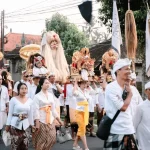
💰 Click here to see Indonesia Budget Breakdown
💰 Prices updated: September, 2026. Budget figures are estimates — always verify before travel.
Exchange Rate: $1 USD = Rp17,928.47
Daily Budget (per person)
Shoestring: Rp358,569 – Rp896,424 ($20.00 – $50.00)
Mid-range: Rp1,254,993 – Rp2,689,271 ($70.00 – $150.00)
Comfortable: Rp2,689,271 – Rp4,482,118 ($150.00 – $250.00)
Accommodation (per night)
Hostel/guesthouse: Rp71,714 – Rp179,285 ($4.00 – $10.00)
Mid-range hotel: Rp448,212 – Rp896,424 ($25.00 – $50.00)
Food (per meal)
Budget meal: Rp26,893.00 ($1.50)
Mid-range meal: Rp143,428.00 ($8.00)
Upscale meal: Rp537,854.00 ($30.00)
Transport
Single metro/bus trip: Rp3,500.00 ($0.20)
Monthly transport pass: Rp200,000.00 ($11.16)
Planning three days in Yogyakarta feels overwhelming when you’re staring at endless temple lists and cultural site recommendations. Most itineraries either rush you through Sultan’s Palace in an hour or drag you to every single temple within 50 kilometers. After the 2024-2026 tourism infrastructure upgrades, including new pedestrian zones around Malioboro and improved shuttle services to Borobudur, you can now experience Yogya’s cultural heart without the previous logistical headaches.
Day 1: Royal Heritage and Historic Core
Start your Yogyakarta journey where the city’s soul lives strongest — in the royal quarter around Kraton Yogyakarta. The Sultan’s Palace opens at 8:30 AM, giving you cool morning hours before the crowds arrive. The gamelan orchestras practice in the morning courtyard, filling the ancient halls with metallic chimes that echo off weathered stone walls.
Walk through the palace’s seven courtyards methodically. The museum sections house the current Sultan’s collection of royal carriages, including the ornate golden chariot used for coronations. Local guides speak excellent English and share stories about court life that you won’t find in guidebooks. Budget 2-3 hours here, including the underground mosque tour that most visitors skip.
Exit the Kraton through the north gate directly into Alun-Alun Utara, the grand square where locals still gather for evening kite flying. The two ancient banyan trees at the square’s center create natural shade for your next stop: Taman Sari Water Castle. This 18th-century royal garden complex sits just 500 meters west of the main palace.
Taman Sari’s underground passages and bathing pools tell stories of royal intrigue. Climb the central tower for panoramic views across the old city’s terracotta rooftops. The restoration work completed in 2025 opened previously closed sections, including the meditation chambers where sultans once retreated from court duties.

Spend your afternoon on Malioboro Street, but avoid the main tourist strip initially. Walk down Jalan Sosrowijayan first — the backpacker haven where batik artists work in open shopfronts. Watch them apply hot wax to cotton using copper stamps, their movements precise from decades of practice. The smell of melted wax mingles with clove cigarettes and fresh coffee from nearby warungs.
Return to Malioboro proper around 4 PM when the heat breaks. The street transforms as horse-drawn andong carriages emerge for evening tours, their bells chiming through traffic. Browse silver shops in the Beringharjo Market’s second floor — prices here beat tourist areas by 30-40%. End your day at the Vredeburg Museum, where multimedia exhibits explain Yogyakarta’s role in Indonesia’s independence struggle.
Day 2: Temple Adventures and Cultural Immersion
Book the 5:30 AM Borobudur sunrise tour through your hotel or any local operator — this timing became crucial after 2025 visitor number restrictions. The new shuttle service from Yogyakarta Station runs every 30 minutes starting at 4:45 AM, eliminating previous transportation hassles.
Climbing Borobudur’s stone terraces in pre-dawn darkness creates anticipation that erupts when sunrise reveals the temple’s full magnificence. The mountain silhouettes emerge slowly, followed by rice paddies stretching to the horizon. Buddhist pilgrims circle each terrace level clockwise, their quiet chanting mixing with morning bird calls from surrounding forests.
Study the stone relief panels while descending — over 2,600 panels tell Buddhist stories with intricate detail. Local guides point out hidden symbols and explain how medieval craftsmen carved these narratives into volcanic stone. The morning light reveals texture and depth invisible during harsh midday visits.
Return to central Yogyakarta by 11 AM for a different cultural immersion: traditional arts learning. The Affandi Museum showcases Indonesia’s most famous painter through his surreal, expressionistic works. His former studio remains exactly as he left it, tubes of paint scattered across worktables beside half-finished canvases.

Book an afternoon batik workshop at House of Raminten or similar cultural centers. These hands-on sessions teach traditional wax-resist dyeing techniques passed down through generations. You’ll leave with your own sarong or scarf, plus newfound appreciation for this UNESCO-recognized art form. The process requires patience — watching master craftspeople work reveals why authentic batik commands high prices.
Evening brings you to a traditional gamelan performance at the Sultan’s Palace or Sonobudoyo Museum. The bronze percussion ensemble creates hypnotic rhythms that seem to emerge from the instruments themselves. Wayang kulit shadow puppet shows run Thursday and Saturday nights, featuring leather puppets casting dramatic shadows while dalang storytellers voice dozens of characters.
Day 3: Arts, Crafts, and Modern Yogya
Dedicate your final day to Yogyakarta’s thriving contemporary culture alongside traditional crafts. Start early at Kota Gede, the historic silver-working district 5 kilometers southeast of downtown. Narrow alleyways echo with hammering sounds as craftspeople shape silver into intricate jewelry and decorative items.
Visit family workshops where techniques pass from grandparents to grandchildren. Watch artisans create delicate filigree patterns using tools unchanged for centuries. Many workshops welcome visitors and explain their processes in basic English. Quality silver jewelry here costs 60% less than tourist markets, with guaranteed authenticity from source craftspeople.
Move to Prambanan temple complex for your second major archaeological experience. This Hindu temple compound contrasts dramatically with Borobudur’s Buddhist serenity. The main Shiva temple towers 47 meters skyward, its pointed architecture reaching toward heaven. Stone reliefs around the temple base tell episodes from the Ramayana epic through detailed carvings.
Explore smaller temples surrounding the main complex — many visitors focus only on the central trio, missing intimate shrines tucked among ruins. The afternoon light creates dramatic shadows across weathered stone, perfect for photography. Local guides explain Hindu symbolism embedded in architectural details.

Return to central Yogyakarta for contemporary cultural exploration. The Cemeti Art Gallery showcases cutting-edge Indonesian contemporary art that challenges traditional boundaries. Young artists here engage with social issues through installations, video art, and experimental media that wouldn’t have been possible during the Suharto era.
Explore Prawirotaman district’s emerging café culture. This former backpacker ghetto now hosts artisan coffee shops serving beans from Java’s mountain regions. Café Kopi Klotok roasts their own beans while maintaining the laid-back atmosphere that attracted budget travelers for decades. Order kopi joss — coffee served with a burning charcoal ember that creates a unique smoky flavor.
End your Yogyakarta experience at Jalan Mangkubumi’s evening street food scene. Vendors set up portable kitchens serving gudeg — Yogya’s signature jackfruit stew slow-cooked with coconut milk, palm sugar, and spices until tender. The sweet-savory flavors define Yogyakarta cuisine better than any restaurant interpretation.
Practical Information: Budget and Transport
Understanding Yogyakarta’s pricing helps plan your three-day adventure realistically. Costs vary dramatically based on accommodation choices and dining preferences, but the city remains Indonesia’s most budget-friendly cultural destination.
Budget Level (IDR 500,000-750,000 daily): Dormitory beds cost IDR 80,000-120,000 in Sosrowijayan area. Warung meals range IDR 15,000-25,000, while local transportation via ojek or angkot runs IDR 5,000-15,000 per ride. Temple entry fees total IDR 75,000 for major sites. Street food keeps dinner costs under IDR 30,000.
Mid-Range Comfort (IDR 1,200,000-1,800,000 daily): Private guesthouse rooms cost IDR 350,000-500,000 near Malioboro. Restaurant meals average IDR 75,000-120,000 per person. Private car hire for temple visits costs IDR 600,000 full-day including driver. Cultural workshops and guided tours add IDR 200,000-400,000.
Comfortable Experience (IDR 2,500,000-4,000,000 daily): Boutique hotels charge IDR 1,200,000-2,000,000 nightly. Fine dining experiences cost IDR 300,000-500,000 per meal. Private guides for temple tours command IDR 800,000-1,200,000 daily. Luxury spa treatments and exclusive cultural experiences increase costs further.

Transportation between Yogyakarta and temple sites became more affordable in 2026. The new Borobudur express shuttle costs IDR 50,000 return, while Prambanan temple access via Trans Jogja bus costs just IDR 3,500. Trans Jogja buses connect major destinations efficiently with Route 1A running from the airport through Malioboro to Prambanan temple every 20 minutes. Grab and Gojek operate extensively with motorcycle taxis starting at IDR 8,000 for short rides.
Where to Stay for Each Day’s Activities
Your accommodation choice determines daily logistics, travel times, and neighborhood atmosphere. Yogyakarta’s accommodation clusters serve different travel styles and itinerary focuses.
Sosrowijayan Area: Budget travelers gravitate here for hostels, guesthouses, and backpacker culture. This quarter sits 400 meters north of Malioboro, providing easy access to royal sites while maintaining lower costs. Popular spots include Via Via Jogja and Duta Guest House. Narrow alleyways create intimate neighborhood feelings, with warung food and local life just outside your door.
Malioboro Street Vicinity: Mid-range hotels along or near Malioboro offer maximum convenience for cultural sightseeing. The Phoenix Hotel provides colonial elegance, while Hotel Neo Malioboro delivers modern comfort with traditional design elements. You can walk to the Kraton, night markets, and major restaurants within 10 minutes from any accommodation here.
Prawirotaman District: This former backpacker center evolved into a charming mid-range neighborhood with boutique guesthouses and local character. Puri Artha Hotel and similar properties offer garden settings with traditional architecture. The area sits 2 kilometers south of Malioboro but connects easily via becak pedicabs or short motorcycle taxi rides.
Airport Area Hotels: Choose airport vicinity only for early morning temple tours or late arrivals. The 45-minute journey to central Yogyakarta makes cultural exploration inconvenient, though hotels like Harper Mangkubumi provide luxury amenities and shuttle services to downtown areas.

Frequently Asked Questions
What’s the best time to visit Yogyakarta’s temples?
Early morning (6-9 AM) offers cooler temperatures, better lighting for photography, and fewer crowds. Borobudur sunrise tours require 5:30 AM departure but provide unforgettable experiences. Avoid midday visits during April-September when temperatures exceed 32°C.
Do I need a guide for cultural sites?
Professional guides enhance understanding at complex sites like Borobudur and Prambanan, explaining historical context and religious symbolism. At the Kraton, multilingual guides provide insider stories about royal life. Budget IDR 200,000-400,000 for full-day guide services.
How much time should I spend at each major temple?
Allow 3-4 hours for Borobudur including sunrise viewing and detailed exploration. Prambanan requires 2-3 hours to see main temples and surrounding ruins properly. Factor in travel time — each site sits 45-60 minutes from central Yogyakarta.
Is Yogyakarta safe for solo female travelers?
Yogyakarta remains Indonesia’s safest major cultural destination with friendly, educated locals and strong tourism infrastructure. Exercise normal precautions, especially in crowded markets. The Sosrowijayan backpacker area provides communal atmosphere and fellow travelers for group temple visits.
What should I buy as authentic Yogyakarta souvenirs?
Quality batik from Beringharjo Market or established workshops offers authentic cultural value. Silver jewelry from Kota Gede craftspeople provides unique designs at source prices. Avoid mass-produced items on Malioboro — seek workshops where you can watch production processes.
Explore more
Yogyakarta Itinerary: The Best Things to Do in 3 Days
Things to Do in Yogyakarta: Your Ultimate Guide to Java’s Cultural Capital
The Ultimate Guide to Yogyakarta: Unforgettable Things to Do & See
📷 Featured image by Rizal Setiya on Unsplash.