On this page
- The Cultural Heart of Java
- Royal Districts and Student Quarters
- Ancient Temples and Royal Palaces
- Yogya’s Food Streets and Hidden Warungs
- Becak, Trans Jogja, and Temple Hopping
- Solo Day Trip and Batik Village Escapes
- Tugu District Bars and Gamelan Nights
- Silver Streets and Batik Markets
- Where to Sleep in the Sultan’s City
- Best Time to Visit
- Navigating Yogya Like a Local
- Daily Budgets from Gudeg to Luxury
- Frequently Asked Questions
💰 Click here to see Indonesia Budget Breakdown
💰 Prices updated: September, 2026. Budget figures are estimates — always verify before travel.
Exchange Rate: $1 USD = Rp17,928.47
Daily Budget (per person)
Shoestring: Rp358,569 – Rp896,424 ($20.00 – $50.00)
Mid-range: Rp1,254,993 – Rp2,689,271 ($70.00 – $150.00)
Comfortable: Rp2,689,271 – Rp4,482,118 ($150.00 – $250.00)
Accommodation (per night)
Hostel/guesthouse: Rp71,714 – Rp179,285 ($4.00 – $10.00)
Mid-range hotel: Rp448,212 – Rp896,424 ($25.00 – $50.00)
Food (per meal)
Budget meal: Rp26,893.00 ($1.50)
Mid-range meal: Rp143,428.00 ($8.00)
Upscale meal: Rp537,854.00 ($30.00)
Transport
Single metro/bus trip: Rp3,500.00 ($0.20)
Monthly transport pass: Rp200,000.00 ($11.16)
Yogyakarta remains Indonesia’s undisputed cultural capital in 2026, but the sunrise crowds at Borobudur now require advance booking through the new digital reservation system, while the traditional batik workshops in nearby Solo have adapted to post-pandemic tourism with smaller group experiences and hands-on classes.
The Cultural Heart of Java
Yogyakarta pulses with a rhythm entirely its own. This is where Java’s ancient Javanese culture collides with contemporary Indonesian creativity, where becak drivers share narrow streets with university students rushing to classes at Gadjah Mada University, and where the Sultan’s palace still governs daily life in ways visitors rarely expect.
The city earned its “soul of Java” reputation through centuries as the center of Javanese arts, philosophy, and royal tradition. Sultan Hamengkubuwono X still rules from the Kraton palace, making Yogya one of the few places on earth where an active monarchy shapes modern city life. Walk through the royal quarter at dawn, and you’ll hear gamelan rehearsals drifting from the palace walls while street vendors prepare nasi gudeg for the morning rush.
What makes Yogyakarta magnetic is its layers. University students from across Indonesia flock here for affordable education and cultural immersion, creating a young, creative energy that infuses everything from the indie music scene in Tugu district to the contemporary art galleries along Jalan Prawirotaman. Meanwhile, master craftsmen continue thousand-year-old traditions of batik-making, silver working, and puppet carving in workshops tucked behind busy main streets.
The city’s compact size works in travelers’ favor. You can walk from the train station to the Kraton in fifteen minutes, cycle from Malioboro Street to the atmospheric Kotagede silver district in half an hour, or catch a morning bus to Borobudur and return by afternoon. This accessibility, combined with Indonesia’s most developed tourist infrastructure outside Bali, makes Yogya the ideal introduction to Javanese culture.

Since 2024, Yogyakarta has embraced sustainable tourism initiatives that enhance rather than diminish authentic experiences. The new Yogyakarta Heritage Trail connects major sites via pedestrian-friendly routes, while community-based tourism programs in surrounding villages offer deeper cultural exchanges. The result is a city that feels both timeless and thoroughly contemporary, where ancient traditions adapt naturally to modern life.
Royal Districts and Student Quarters
Yogyakarta’s neighborhoods reflect the city’s dual personality as both royal capital and university town. Each district offers distinct experiences, from palace ceremonies to late-night warungs serving cheap nasi cat to hungry students.
Kraton and Taman Sari form the historic heart, centered around the Sultan’s palace complex. This area feels removed from modern Indonesia, with narrow lanes, traditional Javanese architecture, and residents who still follow royal protocols. Stay here for maximum cultural immersion and easy walking access to the palace, Taman Sari water castle, and traditional batik workshops. The neighborhood quiets early, making it perfect for cultural enthusiasts who prefer authentic atmosphere over nightlife.
Malioboro Street serves as Yogya’s commercial spine, stretching from the train station to the palace gates. This pedestrian-friendly boulevard buzzes day and night with street food vendors, becak drivers, and tourists. Hotels here put you steps from Yogyakarta’s best shopping and street food, though expect urban noise and tour group crowds. Choose Malioboro if you want everything walkable and don’t mind trading tranquility for convenience.
Sosrowijayan remains backpacker central, packed with budget guesthouses, travel agencies, and restaurants serving Western food alongside local specialties. The narrow alleys connecting to Malioboro create an intimate village feel despite the urban location. This area suits budget travelers seeking social atmosphere and fellow backpackers, though family-run guesthouses throughout the neighborhood welcome all ages.
Prawirotaman evolved from a backpacker district into Yogya’s boutique hotel quarter, offering mid-range accommodations with character. Tree-lined streets, colonial architecture, and a growing café scene make this neighborhood appealing to travelers seeking style without luxury prices. The area provides easy access to central attractions while maintaining a residential feel that showcases daily Indonesian life.
Kotagede sits southeast of the city center, famous for intricate silver workshops and as the original capital of the Mataram Kingdom. Narrow streets wind between traditional Javanese houses, silver smithies, and small mosques. This neighborhood offers the most authentic local experience, though limited accommodation options mean most visitors come for day trips to watch master craftsmen create intricate jewelry and decorative objects.
Tugu District represents Yogya’s creative renaissance, with art galleries, independent bookstores, and live music venues occupying converted colonial buildings. This area attracts young professionals, artists, and culturally curious travelers seeking contemporary Indonesian creativity alongside traditional Javanese culture. Accommodation options remain limited but growing, with several boutique properties opening in renovated heritage buildings.
Ancient Temples and Royal Palaces
Yogyakarta serves as gateway to Java’s most spectacular archaeological treasures, where 8th-century Buddhist and Hindu temples rise from green rice paddies and the living Sultan’s palace maintains centuries-old court traditions.
Borobudur Temple requires early morning commitment for the full sunrise experience. The 2026 sunrise viewing system caps daily visitors at 320 people, requiring advance booking through the official Borobudur Park website. Gates open at 4:30 AM, giving you time to climb the monument’s nine levels before dawn breaks over the Menoreh Hills. The experience justifies the effort – watching first light illuminate the Buddha statues while mist rises from surrounding rice terraces creates one of Southeast Asia’s most spiritual moments.

Regular Borobudur visits (after sunrise hours) offer more relaxed temple exploration. The monument’s scale becomes apparent as you walk the stone galleries depicting Buddha’s path to enlightenment through thousands of carved relief panels. Hiring a licensed guide enhances understanding of Buddhist symbolism and Javanese craftsmanship, though the audio guide system introduced in 2025 provides quality interpretation in twelve languages.
Prambanan Temple Complex showcases Hindu architecture at its most dramatic. The main temple group honors Shiva, Vishnu, and Brahma through towering spires decorated with intricate stone carvings. Unlike Borobudur’s meditative atmosphere, Prambanan feels dynamic and powerful, with relief panels depicting the Ramayana epic in vivid detail. The nearby Sewu Temple and scattered smaller temples reward extra exploration time.
Evening visits to Prambanan offer the best lighting for photography, with warm sunlight highlighting the stone carvings’ intricate details. The Ramayana Ballet performances at Prambanan’s outdoor theater (May through October) combine traditional Javanese dance with the temple’s dramatic backdrop, creating an unforgettable cultural experience.
Kraton Palace remains an active royal residence, requiring respectful dress and behavior from visitors. The palace complex showcases Javanese court architecture through pavilions, courtyards, and galleries displaying royal treasures. Guided tours reveal the philosophical symbolism embedded in every architectural detail, from building orientations aligned with sacred mountains to color schemes reflecting Javanese cosmology.
The palace’s living traditions distinguish it from museum-piece royal sites elsewhere. Courtiers in traditional dress conduct daily ceremonies, gamelan orchestras rehearse classical compositions, and palace guards maintain ancient protocols. Sunday morning brings the most activity, with court ceremonies and traditional performances open to respectful observers.
Taman Sari Water Castle served as the royal family’s pleasure garden, featuring pools, meditation chambers, and underground passages. The partially restored complex demonstrates Javanese garden design principles and hydraulic engineering. Underground chambers and secret tunnels add adventure to cultural education, especially appealing to families traveling with children.

Yogya’s Food Streets and Hidden Warungs
Yogyakarta’s culinary landscape centers on gudeg, the city’s signature jackfruit curry, but extends far beyond this sweet specialty to encompass Java’s most diverse street food scene and time-tested family recipes served in neighborhood warungs.
Gudeg Yu Djum on Jalan Wijilan sets the gold standard for Yogya’s most famous dish. This legendary warung serves gudeg with the perfect balance of sweet jackfruit, tender chicken, and rich coconut milk gravy, accompanied by hard-boiled eggs, tofu, and tempeh. Arrive before 8 PM as the best portions sell out early. The no-frills setting and plastic stools reflect authentic local dining culture.
Malioboro Street transforms into an open-air food court each evening, with dozens of lesehan (mat) vendors spreading their wares along the pedestrian mall. Try bakpia (mung bean pastry), warm wedang ronde (sweet ginger drink with rice balls), and fresh rujak (fruit salad) while watching street performers and horse-drawn andong carriages. The atmosphere peaks between 7-9 PM when families and couples claim spots on the provided mats.
Jalan Sosrowijayan serves budget travelers and university students through numerous warungs offering filling meals for under IDR 25,000. Warung Handayani specializes in nasi campur with generous portions of vegetables, tempeh, and your choice of chicken or fish curry. The friendly owners speak basic English and don’t mind explaining Indonesian dishes to curious foreigners.
Beringharjo Market’s food section occupies the ground floor of Yogya’s central traditional market, where local vendors sell fresh tropical fruits, traditional snacks, and ready-to-eat specialties. The durian sellers in the market’s southeast corner offer the freshest fruit in the city, while the jamu (herbal drink) stalls provide traditional health tonics using recipes passed down through generations.
Angkringan Tugu near Tugu Train Station represents Yogya’s late-night food culture. These mobile food carts serve nasi kucing (small portions of rice with various side dishes), gudeg, and hot tea from large thermos containers. The social atmosphere encourages lingering conversations with locals, students, and night shift workers. Most angkringan operate from 6 PM until 2 AM.

Pasar Kembang night market comes alive after sunset along Jalan Malioboro’s southern extension. Local families frequent this market for affordable dinner options including sate kambing (goat satay), nasi gudeg, and various traditional sweets. The prices reflect local rather than tourist expectations, making it excellent for authentic cultural immersion.
Warung Mbok Berek in Kotagede serves traditional Javanese home cooking in a residential setting. The elderly owner prepares daily specials based on available ingredients, typically featuring vegetables from her own garden and freshly made tempeh. This warung exemplifies Indonesian hospitality, with the owner treating guests like family members visiting for lunch.
Becak, Trans Jogja, and Temple Hopping
Yogyakarta’s transportation mix reflects its character as a traditional city embracing modernity, where smartphone apps coordinate becak rides and the efficient Trans Jogja bus system connects ancient temples with university campuses.
Becak (cycle rickshaw) remain Yogya’s most atmospheric transport option, especially for short trips around the city center. Standard rates run IDR 15,000-25,000 for journeys under 2 kilometers, though tourist areas command premium pricing. The best becak experiences involve hiring the same driver for a half-day tour of traditional neighborhoods like Kotagede, where narrow streets suit the vehicles’ pace and size.
Trans Jogja buses provide the city’s most efficient public transportation, with dedicated lanes ensuring predictable journey times despite Yogya’s increasing traffic. Route 1A connects the airport directly to Malioboro Street for IDR 4,000, while Route 2A serves the train station and university campus. The system’s smartphone app shows real-time bus locations and estimated arrival times in Indonesian and English.

Gojek and Grab motorcycle taxis dominate short-distance travel, offering door-to-door service for IDR 8,000-15,000 within the city center. Both apps function reliably in Indonesian and English, with drivers generally familiar with major tourist destinations. Motorcycle taxi travel requires basic comfort with Indonesian traffic patterns, though drivers typically accommodate nervous passengers by reducing speed.
Temple transportation depends on your schedule and budget. Public buses to Borobudur depart from Jombor Terminal (accessible via Trans Jogja Route 2A) every 30 minutes from 6 AM to 5 PM, costing IDR 7,000 each way. The journey takes 1 hour each direction, limiting temple visiting time if attempting multiple sites in one day.
Private temple tours through hotel bookings or travel agencies cost IDR 400,000-600,000 for Borobudur-Prambanan combination trips, including transportation and English-speaking guides. These tours maximize temple time while providing cultural context, though they follow fixed schedules that may not suit photography enthusiasts seeking specific lighting conditions.
Rental motorcycles offer maximum flexibility for temple hopping and rural exploration. Daily rates start at IDR 60,000 for basic scooters, with international driving licenses technically required though rarely checked. The Borobudur-Prambanan route via back roads passes through traditional villages and rice terraces, creating scenic journeys between major sites.
Airport transfers from Yogyakarta International Airport (opened 2024) to central Yogya take 45 minutes via the dedicated Trans Jogja airport route for IDR 15,000, or 30 minutes by Grab car for IDR 80,000-100,000. The new airport’s location east of the city requires longer transfer times compared to the old airport, though improved facilities and efficiency offset the added distance.
Solo Day Trip and Batik Village Escapes
Solo (Surakarta) sits just 65 kilometers northeast of Yogyakarta, offering day-trip access to Java’s most traditional batik workshops, authentic palace culture, and village communities where ancient crafts continue unchanged by modern tourism.

Solo’s Royal Legacy centers on two competing palaces – Kraton Surakarta and Pura Mangkunegaran – which showcase different approaches to preserving Javanese court culture. The main Kraton maintains stricter traditional protocols than Yogya’s palace, with daily ceremonies performed exactly as practiced for centuries. Guided tours reveal the philosophical differences between Solo and Yogyakarta’s royal families, providing deeper understanding of Central Java’s political history.
Kampung Batik Laweyan represents Solo’s most authentic batik district, where family workshops continue traditional production methods passed down through generations. Unlike tourist-focused batik centers, Laweyan operates as a working neighborhood where residents create batik for Indonesian markets rather than souvenir shops. Visitors can arrange private workshops (IDR 150,000-300,000) to learn hand-drawn batik techniques using traditional canting tools and natural dyes.
Pasar Klewer serves as Indonesia’s largest traditional textile market, occupying a multi-story complex near Solo’s main train station. The market specializes in batik fabrics, ready-made traditional clothing, and ceremonial accessories used for Javanese weddings and cultural events. Prices reflect wholesale rather than tourist markets, making it ideal for serious batik collectors seeking authentic pieces at fair prices.
Getting to Solo from Yogyakarta offers multiple options suited to different schedules and budgets. The Prameks train provides the most comfortable journey, departing every 2 hours from Tugu Station with a 1-hour travel time and IDR 15,000 fare. Express buses from Giwangan Terminal take 1.5 hours and cost IDR 12,000, while private car hire runs IDR 600,000-800,000 for full-day trips including driver and fuel.
Sangiran Museum lies 30 minutes north of Solo, showcasing fossils and artifacts from Java’s prehistoric human inhabitants. The museum’s modern displays explain human evolution in Southeast Asia through interactive exhibits and reconstructed archaeological sites. Combined Solo-Sangiran day trips appeal to travelers interested in Indonesia’s deep history beyond the Islamic and Hindu periods represented by Central Java’s temples.
Traditional Villages surrounding Solo maintain artisan traditions including batik-making, traditional weaving, and wood carving. Kampoung Wisata Kauman specializes in religious batik patterns used for Islamic ceremonies, while Desa Wisata Plumbon focuses on natural dyeing techniques using plants grown in surrounding gardens. These community-based tourism initiatives provide authentic cultural exchanges while supporting local economies.
Triwindu Antique Market occupies a traditional building near Solo’s main square, specializing in Javanese antiques, vintage batik, and traditional household items. Serious collectors find genuine wayang puppets, brass ceremonial objects, and colonial-era furniture among the stalls, though distinguishing authentic pieces from skilled reproductions requires expert knowledge or trusted local guides.
Tugu District Bars and Gamelan Nights
Yogyakarta’s nightlife reflects its dual identity as university town and cultural center, where trendy bars serving craft cocktails coexist with traditional venues presenting classical Javanese performing arts.
Via Via Café in Prawirotaman pioneered Yogya’s Western-style bar scene, offering Belgian beers, cocktails, and live music in a colonial building atmosphere. The venue attracts international travelers, local university students, and Indonesian professionals seeking relaxed evening socializing. Weekend jazz sessions feature local musicians blending Indonesian and international influences, creating unique fusion performances.
House of Raminten presents traditional Javanese entertainment in an authentic setting, where transvestite performers called gemblak present classical dance, comedy, and storytelling. This cultural institution operates more as living theater than conventional nightlife, offering insight into traditional Javanese entertainment forms rarely seen in modern Indonesia. Shows begin at 8 PM most evenings, with modest cover charges including welcome drinks.
Rooftop bars along Malioboro provide urban nightlife with views over the city center toward the Kraton palace. The Attic Bar and 1945 Monument Café offer cocktails, local beers, and Indonesian fusion cuisine while overlooking Yogya’s evening street life. These venues appeal to travelers seeking modern nightlife atmosphere combined with cultural views.

Gamelan performances at the Kraton palace and Taman Budaya cultural center present Java’s classical music tradition in proper settings. The Kraton’s Wednesday and Saturday evening concerts feature court gamelan orchestras performing pieces composed for royal ceremonies, while Taman Budaya presents contemporary interpretations by university music students and professional ensembles.
Dagadu clothing store and café combines shopping with socializing, featuring Yogya-themed t-shirts, local artwork, and a café serving coffee and light meals until late evening. The venue attracts young Indonesians and travelers interested in local creative culture rather than traditional tourist entertainment.
Live music venues in the Tugu area showcase Indonesian indie bands, folk singers, and experimental musicians. Rumah Musik Harry Roesli serves as the city’s premier live music venue, presenting everything from traditional Javanese fusion to contemporary Indonesian rock. Most shows begin around 9 PM, with cover charges ranging from IDR 30,000-75,000 depending on the performer.
University district warungs extend socializing hours through late-night food service and casual drinking. These informal venues serve Bintang beer, local snacks, and provide opportunities for cultural exchange with Indonesian students. The atmosphere focuses on conversation and community rather than entertainment, offering authentic insight into contemporary Indonesian youth culture.
Silver Streets and Batik Markets
Yogyakarta’s shopping landscape encompasses everything from ancient silver-smithing traditions in Kotagede’s narrow alleys to contemporary batik innovations in modern shopping centers, providing opportunities to acquire authentic Indonesian crafts alongside practical travel needs.
Kotagede Silver District maintains its reputation as Java’s finest silver-working center, where family workshops create intricate jewelry, decorative objects, and ceremonial pieces using techniques unchanged for centuries. The narrow streets wind between traditional Javanese houses converted to workshops and showrooms, where visitors can watch master craftsmen shape complex filigree patterns by hand.

Tom’s Silver on Jalan Mondorakan leads Kotagede’s silver scene, combining traditional craftsmanship with contemporary designs appealing to international buyers. The workshop welcomes visitors to observe the complete silver-working process from raw material to finished pieces. Custom orders take 3-5 days for simple designs, with complex pieces requiring 1-2 weeks completion time.
Beringharjo Market serves as Central Java’s most important traditional market, occupying a multi-story colonial building near the Kraton palace. The ground floor specializes in fresh produce and prepared foods, while upper floors feature batik fabrics, traditional clothing, and household goods. Bargaining is expected, with opening prices typically 50-70% above final selling prices for tourist items.
The market’s batik section offers the region’s widest selection, from inexpensive printed fabrics to hand-drawn pieces requiring months of work. Experienced vendors can explain the differences between various batik styles, regions of origin, and appropriate uses for ceremonial versus daily wear. Quality varies dramatically within individual stalls, making careful selection essential.
Malioboro Street shopping combines tourist-oriented souvenir stalls with local shops serving residents’ daily needs. Batik shirts, traditional puppets, and Yogya-themed t-shirts dominate tourist offerings, while local shops stock everything from motorcycle parts to university textbooks. Evening brings additional vendors setting up temporary stalls along the pedestrian mall.
Contemporary shopping centers like Galeria Mall and Malioboro Mall provide air-conditioned alternatives to traditional markets, featuring modern Indonesian fashion, electronics, and international brands. These venues appeal to travelers seeking familiar shopping environments or specific items difficult to find in traditional markets.
Jalan Prawirotaman’s boutique shops showcase contemporary Indonesian design, with young entrepreneurs creating modern interpretations of traditional crafts. Shops specializing in modified batik clothing, handmade jewelry using traditional techniques, and contemporary Indonesian art provide alternatives to mass-produced souvenirs.
Pasar Ngasem bird and flower market offers a uniquely Indonesian shopping experience, where vendors sell tropical birds, traditional plants, and flowers used for Javanese ceremonies. While most travelers don’t purchase living birds, the market provides fascinating glimpses into Indonesian pet culture and traditional plant medicine.
Where to Sleep in the Sultan’s City
Yogyakarta’s accommodation spans from IDR 80,000 backpacker guesthouses to luxury heritage hotels approaching IDR 2,000,000 per night, with the city’s compact size making location more important than transport connections for most travelers.
Budget Options (IDR 80,000-300,000) concentrate in Sosrowijayan and parts of Prawirotaman, where family-run guesthouses offer basic but clean rooms with shared or private bathrooms. Shanti Guesthouse in Sosrowijayan provides reliable budget accommodation with helpful English-speaking staff, basic breakfast, and tour booking services. The property’s central courtyard creates community atmosphere while maintaining quiet spaces for rest.
Backpacker hostels like ViaVia Jogja combine dormitory accommodation with social common areas, restaurants, and travel services. These properties attract international backpackers and budget-conscious Indonesian travelers, creating multicultural environments ideal for meeting fellow travelers and gathering destination information.
Mid-range Properties (IDR 300,000-800,000) in Prawirotaman offer the best value combination of location, comfort, and character. The Phoenix Hotel occupies a renovated colonial building with traditional Javanese decorative elements, swimming pool, and restaurant serving Indonesian and international cuisine. Rooms feature air conditioning, private bathrooms, and modern amenities while maintaining period character.
Omah Pitu Heritage Hotel demonstrates successful conversion of traditional Javanese architecture to contemporary hospitality, with rooms arranged around courtyards in traditional compound style. The property provides cultural immersion through design details, traditional breakfast service, and staff trained in Javanese cultural customs.
Luxury Accommodations (IDR 800,000-2,000,000) emphasize cultural authenticity over international hotel standardization. The Royal Ambarrukmo Hotel combines modern facilities with proximity to the Kraton palace, featuring spa services using traditional Javanese treatments and restaurants specializing in refined versions of local cuisine.
Tentrem Hotel represents Yogya’s contemporary luxury option, with modern rooms, international dining options, and business facilities appealing to corporate travelers and tourists preferring familiar hospitality standards. The property’s central Malioboro location provides walking access to major attractions while maintaining quiet internal spaces.
Heritage Properties throughout the city showcase traditional Javanese architecture adapted for modern accommodation. These boutique hotels typically feature 10-20 rooms arranged around courtyards, traditional furnishings combined with modern amenities, and personalized service reflecting Indonesian hospitality traditions.
Best Time to Visit
Yogyakarta’s tropical climate and cultural calendar create distinct seasons for different travel priorities, from optimal temple photography conditions to traditional festival timing and university semester schedules affecting accommodation availability.
Dry Season (April-October) provides the most reliable weather for temple visits and outdoor activities, with minimal rainfall and comfortable morning temperatures around 24-26°C. This period offers the best conditions for sunrise visits to Borobudur, when clear skies ensure dramatic views over surrounding mountains and rice terraces. However, dry season coincides with international holiday periods, increasing accommodation prices and tourist crowds at major attractions.
July and August represent peak tourist season, with Indonesian school holidays bringing domestic tourists alongside international visitors. Temple sites become crowded, especially during weekend periods, while hotel rates reach annual peaks. Travelers seeking solitude should consider shoulder season months like April-May or September-October.
Wet Season (November-March) brings afternoon thunderstorms and higher humidity, but also fewer tourists and reduced accommodation prices. Morning hours often remain clear and sunny, making early temple visits feasible despite afternoon rain predictions. The cooler temperatures during rainy periods provide comfortable conditions for walking city neighborhoods and indoor cultural activities.
December through February offers the most consistent rainfall, though showers typically occur as brief afternoon downpours rather than all-day rain. Cultural venues, museums, and indoor markets provide excellent alternatives during wet weather periods.
Festival Calendar influences both cultural opportunities and practical considerations for accommodation and transportation. The Islamic calendar determines major religious observances like Ramadan and Eid celebrations, which affect restaurant hours and local customs but provide opportunities to observe Indonesian religious culture.
Sekaten Festival in March celebrates the Prophet Muhammad’s birthday with traditional ceremonies at the Great Mosque and cultural performances throughout the city. This weeklong celebration brings increased visitors but also enhanced cultural programming worth timing visits around.
University Calendar impacts accommodation availability and local atmosphere, with student populations swelling during academic terms (September-December and February-June) and diminishing during holiday periods. Budget accommodation in student areas becomes more available and affordable during university breaks.
Navigating Yogya Like a Local
Yogyakarta’s blend of traditional Javanese culture and modern Indonesian life requires visitors to navigate both ancient social customs and contemporary urban realities, from proper palace etiquette to smartphone app payments at street food stalls.
Cultural Etiquette in Yogyakarta reflects Java’s hierarchical society and royal traditions. Address older individuals and authority figures using formal Indonesian (Bapak/Ibu) rather than casual terms, remove shoes before entering mosques or traditional buildings, and dress modestly when visiting religious sites or the Kraton palace. Traditional Javanese behavior emphasizes soft-spoken communication and indirect responses, making patience essential for meaningful cultural interactions.
Language Basics beyond standard Indonesian include Javanese terms still used in daily conversation, especially among older residents and in traditional settings. Learning basic greetings like “sugeng enjang” (good morning) and “matur nuwun” (thank you) in Javanese demonstrates cultural respect and often results in warmer local interactions.
Bargaining Expectations vary significantly between tourist-oriented businesses and local markets. Traditional markets like Beringharjo expect negotiation starting at roughly half the quoted price, while modern shops, restaurants, and transportation services use fixed pricing. Street food vendors typically charge standard local prices without negotiation expected.
Safety Considerations in Yogyakarta focus more on petty theft than serious crime, with pickpocketing possible in crowded areas like Malioboro Street during evening hours. Motorcycle taxi travel requires basic traffic awareness, as Indonesian traffic patterns differ significantly from Western standards. Solo female travelers generally experience minimal harassment, though modest dress reduces unwanted attention.
Digital Payments and SIM Cards have become standard throughout Yogya, with GoPay, OVO, and Dana mobile payments accepted by most businesses including street food vendors. Tourist SIM cards are available at the airport and electronics shops, with Telkomsel providing the most reliable coverage for temple visits outside the city center.
Water and Food Safety follows standard Southeast Asian practices, with bottled water recommended for drinking and ice generally safe in established businesses. Local warung and street food present minimal health risks if vendors maintain visible cleanliness standards and food appears freshly prepared.
Tipping Culture in Yogyakarta remains minimal outside tourist-oriented services, with rounding up bills or small additional amounts (IDR 5,000-10,000) appropriate for good service at restaurants and tours. Becak drivers and local guides appreciate tips, while warung and market vendors don’t expect additional payments beyond agreed prices.
Daily Budgets from Gudeg to Luxury
Yogyakarta’s cost structure accommodates everything from backpacker shoestring travel to comfortable luxury experiences, with the city’s excellent value making it Indonesia’s most budget-friendly major destination for international travelers in 2026.
Budget Travel (IDR 200,000-350,000 daily) covers basic accommodation, local transportation, street food meals, and major attraction entries for travelers comfortable with simple accommodations and local dining. Guesthouse accommodation in Sosrowijayan runs IDR 80,000-150,000 per night, while street food meals cost IDR 15,000-25,000 per serving.
Daily temple visits via public transportation add IDR 30,000-50,000 including bus fares and entrance tickets, while city transportation via becak or motorcycle taxi typically totals IDR 40,000-60,000 per day. Budget travelers can experience Yogya’s essential attractions and authentic local culture without significant financial stress.
Mid-range Comfort (IDR 500,000-900,000 daily) includes private rooms with air conditioning, mixed local and international dining, private transportation for temple visits, and some shopping or cultural activities. Mid-range hotel accommodation costs IDR 300,000-500,000 per night, while restaurant meals range from IDR 40,000-80,000 per person.
Private temple tours with English-speaking guides cost IDR 400,000-600,000 per day including transportation, while cultural activities like batik workshops or traditional performances add IDR 100,000-200,000. This budget level provides comfortable travel while maintaining authentic cultural experiences.
Luxury Experience (IDR 1,200,000-2,500,000 daily) encompasses heritage hotel accommodation, refined Indonesian cuisine, private cultural experiences, and premium transportation. Luxury hotel rooms range from IDR 800,000-1,500,000 per night, with fine dining restaurants charging IDR 150,000-300,000 per person for multi-course meals.
Private cultural experiences like exclusive batik workshops, private gamelan lessons, or customized heritage tours cost IDR 800,000-1,500,000 per day. Luxury travelers can access exceptional cultural experiences while enjoying international-standard comfort and service.
Specific Cost Examples (2026 prices) include Borobudur sunrise tickets at IDR 375,000, regular Borobudur admission at IDR 50,000, Prambanan temple entry at IDR 40,000, and Kraton palace tours at IDR 15,000. Local transportation via Trans Jogja costs IDR 4,000 per ride, while Grab motorcycle trips within the city center range from IDR 8,000-15,000.
Meals at recommended venues: Gudeg Yu Djum complete meal IDR 35,000, Malioboro street food dinner IDR 20,000-30,000, mid-range restaurant dinner IDR 75,000-120,000 per person, and luxury hotel dining IDR 200,000-350,000 per person.
Frequently Asked Questions
How early do I need to book Borobudur sunrise tickets?
Book sunrise tickets at least one week in advance through the official Borobudur Park website, especially during dry season (April-October). The 320-person daily limit means weekend and holiday dates often sell out 2-3 weeks early.
Can I visit both Borobudur and Prambanan in one day?
Yes, most travelers can comfortably visit both temples in one day using private transportation or organized tours. Public transportation requires 3-4 hours total travel time, limiting temple exploration time but remaining feasible for energetic travelers.
Is it safe to drink tap water and eat street food in Yogyakarta?
Stick to bottled water for drinking, though tap water is fine for brushing teeth. Street food from busy vendors with visible cleanliness standards poses minimal health risks. Look for high turnover and freshly prepared items.
What’s the best way to get from Yogyakarta airport to the city center?
Trans Jogja Route 1A provides direct airport-to-city service for IDR 15,000, taking 45 minutes to Malioboro Street. Grab cars cost IDR 80,000-100,000 and take 30 minutes, offering comfort and convenience for travelers with luggage.
Do I need to hire a guide for temple visits and cultural sites?
Guides enhance understanding of Buddhist/Hindu symbolism and Javanese culture, but aren’t essential. The new audio guide systems at major temples provide quality interpretation. Consider guides for deeper cultural interest or complex sites like the Kraton palace.
Explore more
Yogyakarta Itinerary: Uncover Java’s Cultural Riches in 3 Epic Days
Yogyakarta Itinerary: How Many Days Do You Need?
The Ultimate Guide to Yogyakarta’s Nightlife Scene
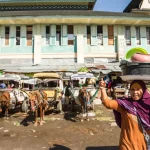
📷 Featured image by adib rofiqi on Unsplash.