On this page
- Why Jogja’s Quiet Side Is Worth Your Time
- Neighborhoods Beyond Malioboro
- Hidden Attractions and Local Secrets
- Where to Eat Like a Local
- Getting Around Without the Tourist Traps
- Day Trips Into the Countryside
- Nightlife and Evening Entertainment
- Shopping for Real Craft
- Where to Stay by Budget
- Best Time to Visit
- Practical Tips
- Budget Breakdown for 2026
- Frequently Asked Questions
💰 Click here to see Indonesia Budget Breakdown
💰 Prices updated: November, 2026. Budget figures are estimates — always verify before travel.
Exchange Rate: $1 USD = Rp18,130.00
Daily Budget (per person)
Shoestring: Rp543,900 – Rp906,500 ($30.00 – $50.00)
Mid-range: Rp1,269,100 – Rp2,719,500 ($70.00 – $150.00)
Comfortable: Rp2,719,500 – Rp4,532,500 ($150.00 – $250.00)
Accommodation (per night)
Hostel/guesthouse: Rp36,260 – Rp362,600 ($2.00 – $20.00)
Mid-range hotel: Rp199,430 – Rp1,323,490 ($11.00 – $73.00)
Food (per meal)
Budget meal: Rp45,325.00 ($2.50)
Mid-range meal: Rp181,300.00 ($10.00)
Upscale meal: Rp1,813,000.00 ($100.00)
Transport
Single metro/bus trip: Rp3,500.00 ($0.19)
Monthly transport pass: Rp400,000.00 ($22.06)
By 2026, Yogyakarta‘s headline sights can feel like a queue with a view. Malioboro is packed by mid-morning, and Borobudur sunrise slots sell out. Prambanan’s courtyards fill with tour groups holding flags. Many visitors leave thinking Jogja is hot, crowded, and a bit rushed. That is not the Jogja that locals know. The city’s real charm sits in silver-workers’ lanes, hilltop pine forests, sunken temples, and roadside stalls where the grill smoke starts before dawn. This guide shows you where to find them.
Why Jogja’s Quiet Side Is Worth Your Time
Yogyakarta is a city that moves slowly on purpose. The Sultan still lives in the Kraton, and the Javanese phrase alon-alon asal kelakon (“slowly, as long as it gets done”) is practically the local motto. Students from Gadjah Mada University and dozens of art schools keep the city young, while court traditions keep it old. That mix explains why a single street can hold a gamelan rehearsal, a vegan café, and a man repairing bicycles under a banyan tree.
Since 2023, the city’s “Cosmological Axis”, the straight line from Mount Merapi through Tugu Monument, the Kraton, and down to the south coast, has been a UNESCO World Heritage site. This has changed how Jogja markets itself. Locals now talk more about the axis, and more small cultural spaces have opened along it. For you, the axis is a handy map. Many of the best hidden spots sit just off it, in kampung (village-style neighbourhoods) that tour buses skip.
The morning light here is soft and gold. Early walks are the best way in. You will hear the call to prayer overlap with roosters, smell clove cigarettes and sweet palm sugar from gudeg pots, and see vendors setting up while the city is still half asleep.
Neighborhoods Beyond Malioboro
Kotagede: the old Mataram capital
About 6 km southeast of the centre, Kotagede was the royal seat before the Kraton existed. Its alleys are narrow, with high stone walls and carved wooden Javanese houses. It is famous for silver, but the real reward is just wandering. Come here if you like history, photography, and slow mornings. It is not for you if you want nightlife or a big hotel pool.
Nitiprayan: the artists’ village
South of the city in Bantul, Nitiprayan is a village where painters, sculptors, and musicians have set up studios in family compounds. Murals cover walls, and small galleries open informally. It suits creative travellers and anyone staying a week or more. Many spaces have no signs, so ask neighbours for directions.

Prawirotaman and Tirtodipuran: the relaxed south
Prawirotaman is the traveller-friendly street, full of cafés, guesthouses, and laundry shops. Tirtodipuran, a short ride north, is quieter and more local, with small galleries, coffee roasters, and bakeries. Together they are the best base for first-timers who want calm without being isolated.
Kaliurang and the northern slopes
About 25 km north, Kaliurang sits at 900 m on the slope of Merapi. The air is 5 to 8 degrees cooler than in the city. This area suits families, hikers, and anyone escaping the heat. The trade-off is distance, as it takes 45 to 60 minutes to reach the city centre.
Hidden Attractions and Local Secrets
Sunken Candi Sambisari. This 9th-century Hindu temple was found buried under volcanic ash and farmland in 1966. It was excavated downward, so you walk down into a pit to reach it. It is quiet, shady, and mostly empty on weekday mornings, and entry costs only a few thousand rupiah.
Candi Ijo at sunset. It sits on a hill east of the city, higher than Prambanan. The temple terraces look across rice fields toward the airport plain, and the sky turns orange and pink. Locals bring mats and sit on the grass.
Taman Sari’s back lanes. Most visitors photograph the bathing pools and leave. Walk instead through the kampung behind it, where houses were built into the old water castle walls. You will find batik painters working on their front porches and a dim underground passageway at Sumur Gumuling, an old circular prayer space with five staircases meeting in a central platform. Ask a local guide (around Rp 100,000 to Rp 150,000) to show you the back routes.
Imogiri royal tombs. About 17 km south of the city, 400 stone steps lead up to the burial site of Javanese sultans. Visitors must wear traditional Javanese dress, which can be rented at the entrance. The tombs open only on certain days, so check before you go. The mountain air and incense smell make it feel very far from the city.
Pinus Pengger and Mangunan pine forests. In Bantul’s hills, pine groves catch low morning mist. Pengger has a viewpoint over the city lights at dusk. Mangunan’s pines are quieter and better for walking. Both cost under Rp 15,000 to enter.
Pasar Ngasem. It was once the city’s bird market. Today it is a tidy traditional market near Taman Sari, where you can buy jajan pasar (market snacks) and watch grandmothers haggle over herbs.
Where to Eat Like a Local
- Angkringan Lik Man (near Tugu Station): The original home of kopi joss, coffee with a glowing piece of charcoal dropped in. Sit on a mat on the pavement and eat nasi kucing (tiny rice portions wrapped in banana leaf) for Rp 3,000 to Rp 5,000 each. The coffee costs around Rp 5,000 to Rp 8,000.
- Gudeg stalls on Jalan Wijilan: This street near the Kraton is lined with gudeg houses. Expect a plate for roughly Rp 25,000 to Rp 40,000, with sweet jackfruit, egg, and spicy krecek. Go before 10 am for the best selection.
- Sate Klathak Pak Pong (Jejeran, Bantul): This is the local style of goat satay, skewered on bicycle spokes and grilled over coals with only salt. The smoky, juicy flavour comes through at once, and the sticks arrive with a thin curry broth. Ten sticks cost about Rp 40,000 to Rp 60,000.
- Mie Lethek in Bantul: Rustic noodles made from cassava and sago, fried over charcoal in a wok until smoky. A bowl costs about Rp 15,000 to Rp 25,000.
- Pasar Beringharjo (upper floor): Go early for fresh market food. Try thiwul and gatot (cassava snacks) or a simple pecel breakfast for under Rp 20,000.
- Pasar Kranggan and Pasar Sentul: Smaller local markets with fewer foreigners. Come for fried snacks, tempeh, and hot sweet drinks.
- Kipo and kue in Kotagede: Kipo are tiny, sweet coconut-filled green biscuits sold fresh in the old town. A small bag costs Rp 10,000 to Rp 20,000.
- Sunday Morning (Sunmor) at UGM: A weekly food and clothing market on the campus. It gets crowded after 8 am, but the street snacks are cheap and good.
Getting Around Without the Tourist Traps
Gojek and Grab work well across Yogyakarta and nearby Bantul, and are cheaper than hotel taxis. A cross-city ride usually costs Rp 15,000 to Rp 40,000. Drivers sometimes cannot enter narrow kampung lanes, so be ready to walk the last 200 metres.
Trans Jogja buses cover major routes for about Rp 4,000 per ride and are a good way to reach Prambanan or the northern part of the city. You can pay by card or e-money. Becak (pedal rickshaws) are best for short, slow trips such as Taman Sari to the Kraton, at around Rp 30,000 to Rp 60,000 if you agree the price first. Andong (horse carts) are slower and mostly tourist-focused.

Scooter rental costs roughly Rp 80,000 to Rp 120,000 per day. It gives you freedom in Bantul and Gunungkidul, but you need an international licence with a motorbike endorsement, and police checks do happen. If you are not confident on busy roads, hire a car with a driver for about Rp 600,000 to Rp 900,000 per day, usually with fuel included.
Most international and many domestic flights use Yogyakarta International Airport (YIA), about 45 km west of the city. The airport train to Yogyakarta Station takes about 40 minutes and costs around Rp 100,000 or more (check the current fare). Shared shuttles and DAMRI buses are also available. A private car or ride-hailing trip costs about Rp 250,000 to Rp 400,000, depending on time and traffic. Sections of the toll road linking Solo, Yogyakarta, and YIA are still in development in 2026, so expect road works around some entry points.
Day Trips Into the Countryside
Gunungkidul: caves and beaches (full day)
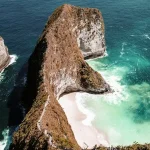
About 40 to 60 km southeast, Gunungkidul’s limestone hills hide caves, cliff beaches, and a whole volcanic ridge. Goa Pindul offers cave tubing from about Rp 50,000. Pantai Jogan has a small waterfall that drops onto the sand, and Pantai Ngandong is calm and nearly empty on weekdays. Allow 8 to 10 hours with a scooter or driver.
Nglanggeran Ancient Volcano (half day)
About 25 km east of the city, this extinct volcano is a short, steady climb of 60 to 90 minutes. The summit view stretches across green hills. Entry costs roughly Rp 20,000. Go at dawn for cooler air and soft light.
Imogiri and Giriloyo batik village (half day)
Combine the royal tombs with the batik workshops of Giriloyo, a short ride from the base of the tomb steps. Many households welcome visitors to try hand-drawn batik for Rp 50,000 to Rp 150,000, depending on cloth size.
Kulon Progo and Kalibiru (full day)
Kalibiru’s forest viewpoint overlooks Sermo Reservoir and the hills behind it. It is 40 to 50 km west of the city, near YIA, so you can combine it with a flight day. Plan 6 to 8 hours. Photo platforms cost extra, usually Rp 10,000 to Rp 20,000.

Kaliurang and Merapi’s lower slopes (half day)
Escape the heat with a visit to the cooler foothills, the Ullen Sentalu museum (a small, excellent Javanese culture museum), and simple forest walks. Lava tour jeeps on Merapi’s slopes cost from about Rp 350,000 to Rp 600,000 per vehicle, depending on route. Check volcanic activity updates before you go.
Nightlife and Evening Entertainment
Jogja nights are about atmosphere, not clubs. The best evenings start on a pavement mat at an angkringan, where students, taxi drivers, and artists sit together under string lights. Guitar players often wander over, and it is normal to join the chatter.
For views, try Bukit Bintang on the road to Gunungkidul. It is a hillside strip of open-air cafés looking over the city lights. A drink costs about Rp 20,000 to Rp 40,000, and the breeze is welcome after a hot day.
Alun-Alun Kidul (the southern square) is famous for its masangin game, where people try to walk blindfolded between two banyan trees. Rental bikes covered with LED lights circle the square, and wedang ronde (ginger tea with rice balls) is sold at every corner. Cost is a few thousand rupiah per drink.
For culture after dark, check evening wayang kulit (shadow puppet) shows at Museum Sonobudoyo, which has run regular nightly performances. Prambanan’s open-air Ramayana Ballet runs on selected evenings. Prawirotaman has relaxed bars and acoustic live music for those who want a beer, while most of Jogja goes to bed early.
Shopping for Real Craft
Skip mass-produced souvenirs on the main shopping street and head to the makers instead.
- Kotagede silver: Workshops along Jalan Kemasan let you watch artisans hammer filigree. Small silver pieces start around Rp 150,000, and finer jewellery costs several million rupiah. Buy from workshops that show you the process.
- Giriloyo batik: This village produces hand-drawn (batik tulis) cloth, which costs much more than printed cloth. Expect Rp 300,000 to Rp 1,500,000 for quality pieces, and ask to see the wax work on the fabric.
- Kasongan pottery: A village in Bantul known for ceramics, vases, and garden pots. Items are fragile, so ask the shop to pack and ship.
- Pasar Klithikan Pakuncen: A market for second-hand goods, old tools, vintage electronics, and curiosities. Bargain hard and start at half the first price.
- Tirtodipuran: Small boutiques and design shops sell linen, ceramics, and local-brand clothes.
- Pasar Beringharjo: Best for batik fabric by the metre. The textile floor can be overwhelming, but prices are lower than in shops on the main street.

Where to Stay by Budget
Budget (Rp 150,000 to Rp 350,000 per night). Guesthouses and hostels in Prawirotaman, Sosrowijayan, and Kotagede. Many include breakfast. Check for air conditioning, since the nights can be sticky from October to November.
Mid-range (Rp 500,000 to Rp 1,200,000 per night). Boutique homestays in Tirtodipuran and Kotagede, often in restored Javanese houses with courtyards and small pools. Prawirotaman also has strong options with garden rooms.
Luxury (Rp 1,800,000 and up per night). Heritage-style resorts and villas around Sleman and the northern slopes, plus restored joglo (traditional Javanese house) properties with private pools. Many offer cooking classes, batik workshops, and rice-field views.
Best Time to Visit
The dry season, roughly May to September, is the most comfortable for hiking and day trips. Daytime highs are about 30 to 33 degrees, and nights can feel cool near Merapi. July and August are the busiest months, joined by Indonesian school holidays and Christmas to New Year.
The wet season, from about November to March, brings afternoon downpours and lush green scenery. Crowds are thinner, and prices are lower. Roads in Gunungkidul can be slippery, so avoid long cliff walks on rainy days.
April to early June and September to October are shoulder months with fewer people and decent weather. Festivals can add colour, including the Sekaten celebrations around the Prophet’s birthday, with a night market near the Kraton, and Grebeg ceremonies, where large food mountains are paraded from the palace. Dates follow the Islamic and Javanese calendars, so check them for 2026.
Practical Tips
- Safety: Jogja is one of Indonesia’s safest cities. Watch for bag snatching on motorbikes in crowded areas and keep phones in a front pocket.
- Tipping: Not expected, but rounding up to Rp 5,000 to Rp 10,000 for drivers and guides is appreciated. Check whether service charge is added in restaurants.
- Language: Indonesian works everywhere. Locals appreciate “matur nuwun” (thank you in Javanese) and “permisi” when walking past people.
- SIM cards: Telkomsel has the best coverage in hills and villages. Tourist data packages start around Rp 100,000 for several gigabytes. You can also use an eSIM at YIA.
- Water: Do not drink tap water. Refill bottles at your hotel or buy sealed water for Rp 3,000 to Rp 5,000.
- Dress and etiquette: Cover shoulders and knees at royal and religious sites. Remove shoes before entering homes and some workshops.
- Midday heat and hours: Many small shops close during the early afternoon, and the Kraton closes around 1 pm. Plan indoor activities for noon and outdoor ones for early morning and late afternoon.
- Payments: QRIS is accepted at most cafés and even many small stalls. Cash is still necessary for village entrance fees, parking, and markets.

Budget Breakdown for 2026
Yogyakarta remains one of the best-value cities in Indonesia. These are daily estimates per person, excluding flights.
Budget: Rp 350,000 to Rp 550,000 per day
- Guesthouse or hostel bed: Rp 150,000 to Rp 250,000
- Meals at warung and angkringan: Rp 80,000 to Rp 130,000
- Trans Jogja, ride-hailing, and entrance fees: Rp 60,000 to Rp 120,000
Mid-range: Rp 900,000 to Rp 1,600,000 per day
- Boutique hotel or homestay: Rp 500,000 to Rp 1,000,000
- Meals including café stops: Rp 200,000 to Rp 350,000
- Scooter or ride-hailing, activities, and a workshop class: Rp 200,000 to Rp 400,000
Comfortable: Rp 2,500,000 and up per day
- Luxury villa or heritage resort: Rp 1,800,000 and up
- Restaurant dining and drinks: Rp 400,000 to Rp 700,000
- Private driver, guided day trips, and spa: Rp 600,000 to Rp 1,200,000
Prices rise by 20 to 40 percent during national holidays and in July and August. Always confirm rates for the exact dates of your trip.
Frequently Asked Questions
What is the best hidden gem in Yogyakarta?
Candi Sambisari is a top pick. This 9th-century Hindu temple sits in a pit where volcanic ash once buried it, and weekday mornings are peaceful. It costs only a few thousand rupiah to enter. For views, Candi Ijo at sunset is another quiet favourite among locals.
How many days do you need in Yogyakarta for off-the-beaten-path sights?
Four to five days is ideal. Spend one day in the city’s kampung and markets, one in Kotagede and Imogiri, one in Gunungkidul, and one on the northern slopes or Kulon Progo. Add a day for Borobudur and Prambanan if you want the famous temples too.
Is Yogyakarta safe for solo travellers?
Yes, it is one of the safest and friendliest cities in Indonesia. Petty theft such as phone snatching can happen in crowded areas, so keep valuables secure. Women travelling alone generally report feeling comfortable, especially if they dress modestly. Use ride-hailing apps after dark instead of walking long distances alone.
How do I get from Yogyakarta airport to the city?
Most flights land at Yogyakarta International Airport (YIA), about 45 km west of the city. The airport train takes around 40 minutes to Yogyakarta Station. DAMRI buses, shared shuttles, and private cars or ride-hailing trips are alternatives. Allow 60 to 90 minutes by road, depending on traffic.
What food should I try in Yogyakarta away from tourist areas?
Try gudeg from stalls along Jalan Wijilan, sate klathak in Jejeran, and mie lethek in Bantul. Evening angkringan stalls near Tugu Station serve kopi joss and nasi kucing for just a few thousand rupiah. Visit local markets like Pasar Kranggan and Beringharjo for snacks and breakfast.
📷 Featured image by Lintang Drestanta on Unsplash.