On this page
- Medan’s Distinct Neighborhoods and How They Feel on the Ground
- The Old City Core — Colonial Streets, Temples, and the Palace
- Eating Your Way Through Medan — Venues and Streets, Not Stories
- Day Excursions That Start and End in Medan
- Getting Around Medan in 2026
- 2026 Budget Reality — What Things Actually Cost
- Practical Things to Know Before You Arrive
- Frequently Asked Questions
💰 Click here to see Indonesia Budget Breakdown
💰 Prices updated: September, 2026. Budget figures are estimates — always verify before travel.
Exchange Rate: $1 USD = Rp17,928.47
Daily Budget (per person)
Shoestring: Rp358,569 – Rp896,424 ($20.00 – $50.00)
Mid-range: Rp1,254,993 – Rp2,689,271 ($70.00 – $150.00)
Comfortable: Rp2,689,271 – Rp4,482,118 ($150.00 – $250.00)
Accommodation (per night)
Hostel/guesthouse: Rp71,714 – Rp179,285 ($4.00 – $10.00)
Mid-range hotel: Rp448,212 – Rp896,424 ($25.00 – $50.00)
Food (per meal)
Budget meal: Rp26,893.00 ($1.50)
Mid-range meal: Rp143,428.00 ($8.00)
Upscale meal: Rp537,854.00 ($30.00)
Transport
Single metro/bus trip: Rp3,500.00 ($0.20)
Monthly transport pass: Rp200,000.00 ($11.16)
Medan gets a bad rap. Most travelers treat it as a transit stop before Lake Toba or Bukit Lawang, spending one night and moving on. That is a real mistake. In 2026, Medan has quietly evolved into one of Sumatra‘s most interesting cities — not in spite of its rough edges, but partly because of them. The challenge is knowing where to go and what to skip, because the city is large, spread out, and easy to misread on first arrival. This guide cuts through that.
Medan’s Distinct Neighborhoods and How They Feel on the Ground
Medan is Indonesia’s fourth-largest city, and it is not a place you can understand from one central square. The city has distinct pockets with very different characters, and knowing which one you are in — or heading to — makes a significant difference to your experience.
Kesawan and the Old City
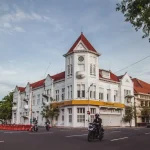
Kesawan is the oldest commercial district, built around Jalan Ahmad Yani. The streets here are narrow, lined with two-storey shophouses whose facades are faded yellow and colonial Dutch. It is chaotic, loud, and dense. Motorbikes thread between pedestrians and delivery carts. The air smells of diesel, fried shallots, and something sweet from the coffee shops that have operated here for decades. This is the part of Medan that rewards slow walking.
Maimoon Palace Area (Jalan Brigjen Katamso)
Just south of the old commercial core, the area around Maimoon Palace and the Grand Mosque feels more composed. The streets are a little wider. There are vendors selling sticky rice in banana leaf outside the mosque after Friday prayers. It is quieter than Kesawan and is best visited in the morning before the heat peaks.
Kampung Keling and the Multi-Faith Quarter
One of Medan’s genuinely rare features is the cluster of religious buildings within walking distance of each other near Jalan Zainul Arifin. A Hindu temple, a Chinese temple, a mosque, and a Catholic church all coexist in a few city blocks. The neighborhood still functions as a working Tamil and Chinese-Indonesian community, not a tourist display. Expect traffic, small family workshops, and the sound of temple bells in the afternoon.

Sun Plaza and Jalan Dr. Mansur Area
This is where Medan’s middle class lives, shops, and eats on weekends. The streets around Universitas Sumatera Utara (USU) and Sun Plaza mall are lined with modern warungs, boba tea shops, and air-conditioned cafes. It is not scenically interesting but it is comfortable and useful — good for orientation if you arrive tired, and a reliable place to find fast WiFi and cold drinks at a fair price.
Polonia and the Expat Belt
Near the old Polonia airport site (now being redeveloped through a mixed-use project that began construction in 2024 and is partially open in 2026), there are several quiet residential streets with boutique hotels and a small number of international restaurants. This is where longer-stay visitors tend to base themselves.
The Old City Core — Colonial Streets, Temples, and the Palace
Medan’s historical sights are genuinely worth your time, but they are best approached on foot with comfortable shoes and no fixed schedule. The heat in Medan — routinely 31 to 34°C from mid-morning onwards — means you want to start before 9:00.
Maimoon Palace (Istana Maimoon)
Built in 1888 by the Sultan of Deli, Maimoon Palace is still partially occupied by the royal family. The main throne room is open to visitors for a small entrance fee (around Rp 10,000 in 2026 — effectively unchanged, as admission has been kept low deliberately). The yellow-walled building is a visual hybrid of Malay, Moorish, and Dutch colonial architecture. Inside, the high ceilings, gilded furniture, and dim lighting from ornate chandeliers create something genuinely atmospheric. Members of the royal family occasionally sit near the entrance in traditional dress for photos — this is voluntary and a small tip of Rp 20,000–30,000 is appreciated.
Masjid Raya Al-Mashun
A five-minute walk from Maimoon, this grand mosque was completed in 1909 and funded by the same Deli Sultanate. The dome is dark grey-green and the overall scale is impressive from the outside. Non-Muslim visitors can enter outside prayer times — dress modestly and remove shoes. The morning light through the latticed windows on the interior walls is particularly striking between 7:00 and 9:00.
Tjong A Fie Mansion
This is the most historically layered building in Medan. Tjong A Fie was a Hakka Chinese merchant who became one of the most powerful figures in colonial Medan, managing rubber and tobacco estates and building much of the city’s infrastructure. His 1895 mansion on Jalan Ahmad Yani has been restored and opened as a heritage museum. Entry is Rp 35,000. The ground floor rooms show a Cantonese-style interior with original furniture, and guides (included in admission) explain the trade networks that made Medan wealthy. The upper balcony overlooking the old commercial street is one of the better vantage points in the city.
Graha Maria Annai Velangkanni
This Catholic basilica in the Titi Papan area looks like something that should not exist — a South Indian Dravidian-style temple structure built by the Tamil Catholic community. Completed in 2001 but increasingly recognized as a significant pilgrimage site by 2026, it draws visitors from across Sumatra. The multi-tiered tower is painted in vivid red, blue, and gold. Inside, the atmosphere is quiet and devotional. It is about 8 kilometres from central Medan, best reached by Grab or Gojek.
Eating Your Way Through Medan — Venues and Streets, Not Stories
Medan is arguably the best food city in Sumatra, and competitive with most of urban Java. The mix of Batak, Malay, Tamil, and Hokkien-Hakka Chinese food cultures produces a street food landscape that is dense and distinct. Here is where to actually go.
Merdeka Walk and the Night Food Stalls
Merdeka Walk, the pedestrian strip along Jalan Balai Kota near Lapangan Merdeka, becomes a proper outdoor food court after 18:00. Vendors set up plastic tables across the pavement and sell everything from Medan-style soto (a broth-based soup with shredded chicken, glass noodles, and a hit of lime) to grilled corn and fresh coconut. The atmosphere is casual — families, couples, groups of university students. Arrive by 19:00 for the best selection before things sell out.
Jalan Semarang — The Chinese Food Street
This is Medan’s best-known food street and it still delivers. The stalls operate from late afternoon into the early hours of the morning. Look for bihun bebek (rice vermicelli with duck), kwetiau goreng (fried flat rice noodles with dark soy, egg, and prawns), and lontong cap go meh — a compressed rice dish in rich peanut and coconut sauce that has a smell and texture unlike anything sold under the same name in Java. The duck noodle stalls have queues for good reason: the broth is simmered through the day and the fat from the duck renders into something genuinely rich.
Tip Top Restaurant — Jalan Ahmad Yani
Tip Top has been open since 1934 and the interior feels like it. The ceiling fans are original, the wooden chairs creak, and the menu mixes Malay-Dutch colonial-era dishes with standard Indonesian staples. The ice cream (made in-house) and the roti bakar served with Dutch-style butter and kaya are the reasons to come. This is a good mid-morning stop between the palace and the Tjong A Fie Mansion — both are walkable from here.
Pasar Petisah
Medan’s most practical wet and dry market operates from early morning until around 14:00. The food section on the upper floor has small stalls serving nasi gurih (fragrant rice cooked in coconut milk, served with fried anchovies and boiled egg) from about 06:00. The market is busy, loud, and not organized for tourists — which makes it exactly the right place to eat breakfast for Rp 15,000–25,000 while watching Medan function in real time.
Rumah Makan Lelei — Batak Food
For Batak cuisine specifically, Rumah Makan Lelei on Jalan Sei Batanghari is well regarded by locals. The menu features arsik (carp cooked with Andaliman pepper and torch ginger — the pepper gives a numbing, citrusy tingle on the tongue that is unlike any other spice in Indonesian cooking) and saksang (pork or buffalo cooked in blood and spices). The Andaliman pepper is genuinely distinctive; if you have not had it before, this is a worthwhile introduction.
Day Excursions That Start and End in Medan
Medan’s position in north Sumatra makes it the logical base for several significant excursions. None of these are quick, but all are manageable as full-day trips or easy overnights.
Bukit Lawang — Orangutan Rehabilitation Forest (90 km)
The village of Bukit Lawang sits on the edge of Gunung Leuser National Park and is the most accessible place in Sumatra to see wild Sumatran orangutans. The drive from Medan takes 2.5 to 3.5 hours depending on traffic and road conditions. In 2026, the road has been improved between Binjai and Bohorok — the worst stretch of potholes that plagued the journey until 2024 has been repaired. Hire a licensed guide on arrival (Rp 300,000–450,000 per person for a half-day trek) and go in the morning. The rehabilitation centre no longer operates public feeding sessions due to rewilding protocols, but orangutan sightings on guided forest treks are frequent.
Berastagi — Highland Market Town (65 km)
The town of Berastagi sits at around 1,300 metres elevation in the Karo Highlands, and the temperature there is a relief after Medan’s lowland heat — expect 18 to 22°C during the day. The drive up takes about 2 hours. Berastagi’s main market sells highland produce: passion fruit, marquisa juice, strawberries, and corn grown on volcanic soil. Gunung Sinabung and Gunung Sibayak are both accessible from here — Sibayak is a popular sunrise hike (3–4 hours return), though always check volcanic activity status before attempting Sinabung, which remains intermittently active.
Lake Toba (4–5 Hours)
Lake Toba is usually visited as a multi-day trip rather than a single day excursion, but it can be done as an overnight from Medan. The drive to Parapat (the main lakeside town) takes 4 to 5 hours. From Parapat, ferries cross to Samosir Island, which is the cultural and accommodation hub. If your time in Sumatra is genuinely limited, an overnight at Tuk Tuk on Samosir gives a usable introduction. But two nights minimum is the practical recommendation.
Getting Around Medan in 2026
Medan does not have a metro or BRT system, and the traffic is serious. This is still a motorbike-and-car city, and navigation requires realistic expectations.
Ride-Hailing — The Default Option
Grab and Gojek are both fully operational in Medan in 2026. For most trips within the city, a Grab car costs Rp 25,000–55,000. GrabBike and Gojek ojek (motorbike taxi) are faster in traffic and cost Rp 10,000–25,000 for inner-city routes. Download both apps before you arrive — prices sometimes differ by 15–20% between them at peak hours.
Blue Bird Taxis
Blue Bird operates in Medan and uses meters. They are reliable for airport runs and longer distances. Flag one down on main roads or book through the Blue Bird app. Avoid unmarked taxis — the risk of fare disputes is real and unnecessary in a city where ride-hailing works well.
Kualanamu International Airport
Kualanamu (KNO) is 39 kilometres southeast of the city centre. The rail link between Kualanamu and Medan’s Stasiun Besar (main train station) runs every 30–60 minutes, takes about 40 minutes, and costs Rp 10,000 in 2026 — still the cheapest and most reliable way into the city. Grab from the airport runs Rp 120,000–180,000 depending on destination and traffic time.
Traffic and Timing
Medan’s morning rush (07:00–09:30) and evening rush (16:30–19:00) on key corridors like Jalan Gatot Subroto and Jalan Imam Bonjol can push a 5-kilometre journey to 40 minutes. Plan sightseeing to avoid these windows or use motorbike taxis during those hours.
2026 Budget Reality — What Things Actually Cost
Medan is not cheap by Sumatran backpacker standards, but it is very affordable by international comparison. Here is an honest breakdown by spending tier.
Accommodation (per night)
- Budget: Rp 150,000–280,000 — guesthouses and small hostels in Kesawan or near the train station. Basic aircon, shared or private bathroom.
- Mid-range: Rp 350,000–650,000 — clean hotels with reliable WiFi, private bathroom, and breakfast included. Several solid options near Sun Plaza and in the Polonia area.
- Comfortable: Rp 800,000–1,800,000 — four-star properties including the Aryaduta Medan and Grand Mercure. Full amenities, rooftop pools, consistent service.
Food and Drink
- Warung or market meal: Rp 15,000–35,000
- Jalan Semarang dinner (two dishes and drinks): Rp 60,000–120,000 per person
- Restaurant meal at a mid-range sit-down place: Rp 80,000–200,000 per person
- Kopi at a traditional coffee shop: Rp 8,000–18,000
- Specialty coffee at a modern café: Rp 35,000–65,000
Transport and Activities
- Airport rail link: Rp 10,000
- Inner-city Grab car: Rp 25,000–55,000
- Maimoon Palace entry: Rp 10,000
- Tjong A Fie Mansion entry: Rp 35,000
- Bukit Lawang guided trek (half-day): Rp 300,000–450,000 per person
- Chartered car and driver for day trip to Berastagi: Rp 450,000–700,000 total
Realistic Daily Budget
- Budget traveler: Rp 250,000–400,000 per day (dorm or cheap guesthouse, market meals, public transport)
- Mid-range: Rp 600,000–1,000,000 per day (hotel with breakfast, mix of street food and sit-down meals, ride-hailing)
- Comfortable: Rp 1,500,000–2,500,000 per day (four-star hotel, restaurant meals, private driver)
Practical Things to Know Before You Arrive
Best Time to Visit
Medan is equatorial and humid year-round. The wettest months are October through December, when afternoon downpours can be heavy and persistent. February through August generally offers the most reliable dry-weather windows, though brief rain can arrive on any afternoon. Morning excursions are always safer. Heat is constant — 30 to 34°C — regardless of season.
Language
Bahasa Indonesia is universally spoken. English is understood in hotels, larger restaurants, and tourist sites, but not reliably on the street or in markets. A basic Indonesian phrase set goes a long way. The local Batak Toba and Minangkabau communities each have their own languages, but Indonesian is the common working language for everyone.
Safety and Street Sense
Medan has a reputation for being rough that is partly outdated and partly location-specific. The tourist and commercial areas described in this guide are generally safe during the day and in the early evening. Late-night solo walking in unfamiliar areas is not recommended — not because of extreme danger, but because the city’s street lighting is patchy and getting lost at midnight in an industrial back street is unpleasant anywhere. Use ride-hailing at night.
SIM Cards and Connectivity
Telkomsel and XL Axiata both have strong coverage in Medan proper. Buy a SIM at the airport (multiple vendors in the arrivals hall, prices are regulated — Rp 30,000–60,000 for a starter pack with 10–20GB data). In 2026, Telkomsel’s 5G coverage has expanded to cover the main commercial corridors of Medan, though much of the outer city remains on 4G.
Currency and Payment
Cash is still king at markets, street stalls, and smaller restaurants. QRIS (Indonesia’s unified QR payment system) has expanded significantly — most mid-range and above venues accept it in 2026. ATMs are widely available; look for BCA, BNI, and Mandiri machines, which have the most reliable English interfaces and the lowest foreign card fees.
Frequently Asked Questions
How many days should I spend in Medan?
Two full days covers the main city sights comfortably — Kesawan, Maimoon Palace, Tjong A Fie Mansion, and the food streets. Add one or two more days if you plan a day trip to Berastagi or Bukit Lawang. Travelers using Medan purely as a gateway to Lake Toba can get by with one night, but they will miss a genuinely interesting city.
Is Medan safe for solo female travelers?
Yes, with standard urban caution. The city is busy and commercial, which means there are usually people around during daytime hours. Dress modestly near mosques and markets. Use Grab or Gojek at night rather than walking unfamiliar streets. Catcalling can occur but aggressive harassment is not the norm in tourist and commercial areas.
What is the best way to get from Medan to Lake Toba?
Most travelers take a shared minibus (travel agency shuttle) from Medan to Parapat, costing around Rp 100,000–150,000 per person and taking 4 to 5 hours. Departure points are usually from agencies near the Aksara area or Pinang Baris terminal. Private car hire costs Rp 500,000–800,000 total and is faster because it skips the stops. From Parapat, public ferries cross to Samosir Island.
Can I visit Medan’s attractions without a guide?
Most city sights — Maimoon Palace, Tjong A Fie Mansion, the Grand Mosque, Kampung Keling — are fully accessible without a guide. The Medan heritage walking route app (updated 2026) provides English audio at each stop. For jungle treks at Bukit Lawang, hiring a licensed guide is mandatory for national park entry and genuinely necessary for safety and orangutan sighting success.
What is Medan famous for food-wise?
Medan is best known for its Chinese-Malay food hybrids, particularly dishes like bihun bebek (duck noodle soup), kwetiau goreng, and lontong cap go meh. Batak dishes featuring Andaliman pepper — specifically arsik fish and saksang — are also distinct to this region. Kopi Medan (strong, dark Sumatran coffee served thick) is also a legitimate reason to linger over breakfast.
Explore more
Sumatra Travel Guide: Unforgettable Adventures in Indonesia’s Wild Frontier
What Souvenirs to Buy in Sumatra: Your Ultimate Shopping List
Sumatra Travel Guide: Epic Adventures & Wild Encounters in Indonesia
📷 Featured image by van fletcher on Unsplash.