On this page
- Where to See Orangutans: The Three Sanctuaries That Matter
- Choosing Your Conservation Partner: Rehabilitation Centers vs. Research Stations
- Planning Your Visit: Seasons, Permits, and What to Expect
- Beyond Orangutans: Sumatra’s Other Wildlife Encounters
- Budget Breakdown: What Ethical Wildlife Tourism Actually Costs
- Frequently Asked Questions
Indonesia’s orangutan tourism landscape shifted dramatically in 2026 when new government regulations tightened access to viewing sites, limiting daily visitor numbers and requiring all tour operators to hold certified conservation credentials. This means fewer crowds but stricter booking requirements — and a chance to see these endangered great apes in genuinely protected environments rather than exploitative photo opportunities.
Where to See Orangutans: The Three Sanctuaries That Matter
Sumatra hosts three legitimate orangutan viewing locations, each offering different experiences and conservation approaches. The humid morning air at Bukit Lawang carries the sound of crashing branches as semi-wild orangutans swing through the canopy above the Bohorok River, their russet fur catching dappled sunlight filtering through the rainforest.
Gunung Leuser National Park (Bukit Lawang) remains the most accessible option from Medan. The 30-minute trek through primary rainforest leads to feeding platforms where rehabilitated orangutans receive supplementary fruit. Rangers limit groups to eight people, with two daily sessions at 8:00 AM and 1:00 PM. The morning session offers better wildlife activity and cooler temperatures.
Permit requirements changed in 2026 — book through certified operators only. Independent hiking is no longer permitted. The Orangutan Information Centre handles official bookings, with prices starting at 450,000 IDR per person for the basic trek.
Ketambe Research Station offers a more scientific approach within the same national park. Located four hours from Bukit Lawang by 4WD, this station focuses on behavioral research rather than tourism. Visitors join researchers tracking wild orangutan families through GPS monitoring. Sessions last 6-8 hours and require good fitness levels for jungle trekking.
The station accepts maximum 12 visitors weekly, with advance booking essential through Universitas Syiah Kuala in Banda Aceh. Research participation costs 750,000 IDR per day, including basic accommodation and meals.
Tangkahan combines orangutan viewing with elephant conservation. This community-based program offers overnight jungle camping 90 minutes from Bukit Lawang. Wild orangutans frequent the area, though sightings aren’t guaranteed. The appeal lies in the authentic rainforest experience — sleeping under canvas while hornbills call overhead and the river flows past your tent.
Choosing Your Conservation Partner: Rehabilitation Centers vs. Research Stations
Understanding the difference between rehabilitation and research programs helps you choose experiences aligned with your values and interests. Rehabilitation centers like Bukit Lawang focus on returning ex-captive orangutans to the wild, while research stations study existing wild populations.
Rehabilitation Centers work with orangutans rescued from palm oil plantations, illegal pet trade, or habitat destruction. These semi-wild apes still receive daily supplementary feeding, making encounters more predictable. Visitors witness the final stages of a years-long process returning these intelligent animals to independence.
The Sumatran Orangutan Conservation Programme runs Bukit Lawang’s rehabilitation efforts. Their work includes medical treatment, behavioral training, and gradual forest reintroduction. Tourist fees directly fund these activities, with 70% of entry permits supporting veterinary care and food supplies.
Research Stations study completely wild orangutan populations to understand behavior, ecology, and conservation needs. Ketambe’s long-term research project has tracked the same orangutan families since 1971, providing crucial data for species protection strategies.
Research tourism requires more patience and physical effort. Wild orangutans don’t follow schedules or stay in convenient viewing areas. You might spend hours tracking radio-collared individuals through dense jungle, learning to identify territorial calls and interpret feeding signs.
Both approaches contribute to conservation, but differently. Rehabilitation addresses immediate rescue needs, while research provides long-term scientific understanding. Choose based on your preferred style — predictable wildlife viewing versus authentic scientific fieldwork.
Planning Your Visit: Seasons, Permits, and What to Expect
Sumatra’s equatorial climate means year-round orangutan viewing, but seasonal patterns affect both weather conditions and orangutan behavior. The dry season (June through September) offers easier hiking and clearer forest views, while the wet season (October through March) sees more active fruit trees and varied wildlife.

Seasonal Considerations: Orangutans move higher into the canopy during fruit season (November through February), making observation more challenging but photographically dramatic. Durian season in December brings dozens of orangutans to specific trees, creating exceptional viewing opportunities for patient visitors.
Wet season downpours typically last 2-3 hours in late afternoon. Morning treks proceed regardless of overnight rain, but river crossings may become impossible during heavy weather. Pack waterproof gear and expect muddy trails.
New Permit System (2026): All orangutan viewing requires advance permits through registered tour operators. Independent bookings are no longer accepted. The Indonesian Ministry of Environment issues operators with monthly quotas, selling out during peak season (July-August and December).
Permits include insurance coverage and emergency evacuation, addressing safety concerns following several tourist accidents in 2025. Operators must carry satellite communication devices and employ certified wilderness first aid guides.
What to Pack: Long pants and shirts protect against leeches and mosquitoes. Bring insect repellent containing DEET, though avoid applying it before orangutan encounters — the smell disturbs their sensitive noses. Quiet, earth-toned clothing helps avoid startling wildlife.
Camera equipment needs weather protection. Humidity fogs lenses rapidly when moving between air-conditioned transport and forest heat. Small towels and lens cleaning supplies prove essential.
Beyond Orangutans: Sumatra’s Other Wildlife Encounters
Gunung Leuser National Park hosts Southeast Asia’s richest biodiversity, with orangutan tours offering glimpses of creatures found nowhere else on Earth. The distinctive whooping calls of siamang gibbons echo through the forest canopy at dawn, while Thomas leaf monkeys crash through branches overhead during orangutan tracking sessions.
Large Mammals: Wild elephants roam the park’s deeper forests, though sightings remain rare during standard orangutan tours. Sumatran tigers use the same trails as tourists, evidenced by fresh paw prints in riverside mud, but these nocturnal cats avoid human contact.

The park’s most reliable large mammal encounter comes at Tangkahan, where domesticated elephants help with forest patrol duties. These working elephants, formerly employed in logging operations, now assist rangers in anti-poaching efforts while providing sustainable income for local communities.
Distinctive Primates: Long-tailed macaques entertain visitors with their bold personalities and acrobatic river-crossing techniques. White-handed gibbons swing through the highest canopy levels, their haunting morning songs serving as natural alarm clocks for jungle campers.
Thomas leaf monkeys, found only in northern Sumatra, display striking orange and black coloration. Young leaf monkeys are born bright orange before developing adult black fur, creating confusion with orangutans among first-time visitors.
Reptiles and Amphibians: Monitor lizards patrol riverbanks, growing up to two meters long. Flying lizards glide between trees on colorful wing membranes, while various frog species create nightly concerts in jungle streams.
The park’s snake diversity includes both venomous and non-venomous species. Reticulated pythons reach impressive sizes but remain shy of human contact. Rangers carry anti-venom supplies and receive annual training in emergency response protocols.
Bird Watching Opportunities
Over 380 bird species inhabit Gunung Leuser National Park, from tiny flowerpeckers to massive hornbills. Great hornbills announce their presence with deep, echoing calls and distinctive wing-beat sounds. These impressive birds, reaching 1.2-meter wingspans, nest in tree cavities and play crucial roles in seed dispersal.
Kingfishers dart along rivers, their brilliant blue and orange plumage flashing in filtered sunlight. White-bellied sea eagles soar above the canopy, hunting fish and small mammals. Colorful pittas forage on the forest floor, though their shy nature makes sightings challenging.

Budget Breakdown: What Ethical Wildlife Tourism Actually Costs
Authentic orangutan conservation tourism requires significant investment in guide training, park maintenance, and wildlife protection programs. Understanding cost breakdowns helps you budget appropriately while ensuring your money supports genuine conservation efforts rather than exploitation.
Budget Option (Basic Day Trip from Medan): 850,000 – 1,200,000 IDR per person
– Transportation: 300,000 IDR (shared van Medan-Bukit Lawang return)
– Park permit and guide: 450,000 IDR
– Basic lunch: 75,000 IDR
– Tips for guide and porter: 100,000 IDR
This covers the standard 3-4 hour jungle trek with orangutan viewing. Accommodation in Medan adds 400,000-600,000 IDR for budget guesthouses, 800,000-1,200,000 IDR for mid-range hotels.
Mid-Range Experience (2 Days, 1 Night Bukit Lawang): 2,400,000 – 3,500,000 IDR per person
– Transportation: 300,000 IDR
– Accommodation: 500,000 IDR (riverside guesthouse)
– Two jungle treks: 900,000 IDR
– All meals: 400,000 IDR
– River tubing: 150,000 IDR
– Guide tips: 200,000 IDR
This popular option includes sunrise and sunset treks, increasing orangutan encounter chances while supporting longer-term community relationships.
Comfortable Research Experience (3 Days Ketambe): 4,200,000 – 5,800,000 IDR per person
– Transportation: 600,000 IDR (4WD to research station)
– Research participation: 2,250,000 IDR (3 days)
– Accommodation: 450,000 IDR (research station dormitory)
– All meals: 600,000 IDR
– Equipment rental: 300,000 IDR (GPS, radio, rain gear)
Research station experiences offer the most educational value and direct scientific contribution, though require greater time investment and physical fitness.
What Your Money Actually Funds
Certified operators contribute specific percentages to conservation programs. The Orangutan Information Centre allocates 35% of permit fees to veterinary care, 25% to habitat restoration, 20% to community development, and 20% to operational costs.
Guide salaries range from 150,000-300,000 IDR daily, providing crucial local employment in economically challenged regions. Porter fees (50,000-100,000 IDR daily) support village families while reducing tourist loads on fragile forest trails.
Research tourism fees fund long-term scientific studies tracking climate change impacts on orangutan behavior. Ketambe’s 2026 budget includes 40% for research activities, 30% for equipment maintenance, 20% for local community programs, and 10% for administrative costs.

Frequently Asked Questions
How close can I get to orangutans?
Regulations require 7-meter minimum distance from all orangutans. Guides carry measuring sticks to enforce this rule. Young orangutans may approach closer out of curiosity, but visitors must not engage or touch them under any circumstances.
Are orangutan encounters guaranteed?
Bukit Lawang offers 85-90% success rates due to semi-wild orangutans visiting feeding platforms. Research stations provide no guarantees as they track completely wild populations. Weather and orangutan behavior patterns affect all sightings.
What’s the minimum age for orangutan tours?
Most operators accept children aged 8+ for standard treks. Research station visits require minimum age 16 due to challenging hiking conditions. Some operators offer family-specific programs with shorter hiking distances.
Can I visit during pregnancy?
Pregnant visitors should avoid jungle trekking due to uneven terrain, river crossings, and limited medical access. Discuss specific circumstances with operators who may suggest alternative viewing options or postponement.
How do I verify an operator’s conservation credentials?
Check the Indonesian Association of Tour Operators (ASITA) membership and ask for conservation program documentation. Legitimate operators proudly share financial transparency reports showing conservation contributions and community development projects.
Explore more
Sumatra Travel Guide: Unforgettable Adventures in Indonesia’s Wild Frontier
Where to See Wild Orangutans in Sumatra? Your Essential Bukit Lawang Guide
How to See Wild Orangutans in Sumatra: Your Essential Bukit Lawang Trekking Guide
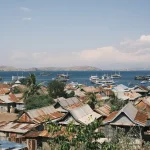
📷 Featured image by styvo Putra Sid on Unsplash.