On this page
- What November Weather Really Looks Like Across Indonesia
- Clothing That Actually Dries
- Footwear for Flooded Streets and Muddy Trails
- Rain Gear That Works in Tropical Downpours
- Protecting Your Phone, Camera and Documents
- Health and Bug Kit for the Wet Season
- Dressing Respectfully When It’s Wet and Hot
- What to Buy in Indonesia Instead of Packing
- 2026 Budget Reality: What Wet-Season Gear Costs
- Frequently Asked Questions
Every year, travellers land in Indonesia in November with either a suitcase full of heavy rain jackets or nothing but beach shorts. Both mistakes cost money and comfort. The truth sits in the middle: the rain is warm, it usually comes in bursts, and the real enemies are humidity, wet cotton and soaked electronics. Here is how to pack for Indonesia’s wet season in 2026 without overloading your bag.
What November Weather Really Looks Like Across Indonesia
November is a transition month. In much of Java, Bali, Lombok and Nusa Tenggara, the dry season is ending and the rains are building. Expect temperatures of roughly 24–32°C, high humidity, and heavy showers that often arrive in the afternoon or evening. Mornings are frequently bright and clear, so plan outdoor activities early.
Not every island follows the same pattern. Parts of Sumatra and Kalimantan, which sit on or near the equator, can see rain through much of the year. Eastern regions can behave differently from western ones. Weather also shifts from year to year, so check forecasts from BMKG, Indonesia’s national weather agency, a week or so before you fly, and again when you arrive.
The practical takeaway: pack for warm rain, not cold rain. You need clothes that dry fast, not clothes that insulate. The exception is highland areas such as the Bromo area or the Dieng Plateau, where nights can be properly cool. Bring one light warm layer for those trips.
Clothing That Actually Dries
Cotton is comfortable until it gets wet. In Indonesian humidity, a cotton T-shirt can stay damp for a full day, and jeans may never fully dry. Choose synthetic or blended fabrics that dry within a few hours, and leave the denim at home.
A solid wet-season wardrobe for a two-week trip looks like this:
- 4–5 quick-dry T-shirts or tops. Light colours show sweat, so mid-tones and patterns work well.
- 2 pairs of lightweight trousers or long shorts. Thin hiking trousers dry fast and protect you from mosquitoes in the evening.
- 1–2 pairs of shorts or a skirt that sits below the knee for temple visits.
- 1 light long-sleeve shirt for sun, bugs and modest dress.
- 1 fleece or thin sweater for air-conditioned buses, trains and highland nights.
- Swimwear that you can wear twice, because it will not dry overnight in a humid room.
- 5–7 pairs of underwear and socks in synthetic or merino blends.
Plan to wash clothes along the way. Laundry shops, called laundry kiloan, are everywhere in tourist areas and charge by weight. Many return clean, folded clothes within a day, though in heavy rain, drying can take longer.

Footwear for Flooded Streets and Muddy Trails
Footwear is where most wet-season packing goes wrong. Leather shoes and canvas sneakers soak through and then smell for the rest of the trip. Bring two pairs at most.
- Strap sandals with a grippy sole. These are your daily shoes. They handle puddles, dry quickly and slip off easily at mosque and temple doors.
- Closed shoes with good tread. Choose light trail runners or quick-dry hiking shoes if you plan to visit volcanoes, waterfalls or rice terraces. Wet volcanic ash, clay and stone steps are slippery.
Skip flip-flops with thin soles. After a downpour, tiled floors in cafés and hotel lobbies get slick. In cities like Jakarta, Surabaya or Bandung, streets can briefly flood, so shoes you can wade through without regret are worth more than stylish ones.
Rain Gear That Works in Tropical Downpours
A heavy waterproof jacket is usually a mistake. Wearing one in 30°C heat makes you as wet from sweat as from rain. A light packable rain jacket with vents, or a poncho, is enough for most trips.
Better still, buy local. Minimarkets and roadside stalls sell inexpensive ponchos, and many motorbike taxi drivers carry spares. That is handy if you are caught out, though you should still pack your own for hikes.
Also worth bringing:
- A compact umbrella. It works well in cities and also shades you from midday sun.
- A rain cover for your backpack, or a roll-top dry bag liner inside it.
- A small daypack with zip pockets, not an open tote.
Protecting Your Phone, Camera and Documents
Rain is one risk. Humidity is the quieter one. Camera lenses can fog when you move from air-conditioning into thick tropical air, and electronics in damp bags can develop problems over time.
- Waterproof phone pouch. Useful for boat trips, waterfalls and sudden storms.
- Dry bags in 5L and 10L sizes. Put your passport, power bank, charger and spare clothes inside every day you travel.
- Silica gel packets. Keep a few in your camera bag and toiletry pouch. Reuse the packets from new shoes and electronics.
- Zip-lock bags. Use them for receipts, tickets, cash and printed copies of your passport and booking details.
- Power bank and the right plug. Indonesia uses 230V and two-pin round plugs (types C and F), so bring an adapter if your devices need one.

Let your camera sit in its bag for a few minutes when you step outside from an air-conditioned room. The lens will adjust without fogging. Also, keep your phone’s offline maps and ride-hailing apps ready before you leave your hotel, since rain can slow mobile signals in busy areas.
Health and Bug Kit for the Wet Season
More rain means more standing water, and that means more mosquitoes. Dengue is present in Indonesia, and cases tend to rise in the wet season. Prevention is simple and cheap.
- Insect repellent. Use one with DEET or picaridin and apply it at dawn and dusk, when the dengue-carrying mosquitoes are most active.
- Light long sleeves and trousers for evenings.
- Anti-fungal powder or cream. Damp feet and skin folds get irritated easily in humid heat.
- Blister plasters. Wet shoes rub.
- Oral rehydration salts. They help with heat and with an upset stomach.
- Your regular medication, in original packaging.
- Sunscreen. Cloud cover does not block UV, and you can burn on a grey day.
Speak to a travel health clinic before you leave about vaccinations and malaria advice for the specific regions on your route. Risk varies by area, and a professional can give you advice that fits your plans.
Dressing Respectfully When It’s Wet and Hot
Rain does not change Indonesia’s dress expectations. Temples in Bali, mosques in Java and Sumatra, and many village communities expect covered shoulders and knees. Wet-season dressing can make this tricky, because thin, wet fabric clings and becomes see-through.
- Pack a lightweight sarong or scarf. It dries quickly and works as a cover-up, a towel or a sun shield.
- Choose tops in non-transparent fabrics, especially in light colours.
- Carry a dry change of clothes if you are visiting a religious site after a storm.
What to Buy in Indonesia Instead of Packing

You do not need to carry everything from home. Many wet-season items are cheap and easy to find locally, which frees up space in your luggage.
- Ponchos and umbrellas: minimarkets, supermarkets and street stalls.
- Insect repellent and sunscreen: pharmacies and minimarkets, though sunscreen can be pricier in tourist areas, so bring your favourite if you are particular.
- Sarongs and light cotton wraps: markets and souvenir shops.
- Sandals: markets and malls, in a huge range of prices.
- Laundry: neighbourhood laundry shops.
Do bring items that are hard to replace: prescription medication, specific shoe sizes if you wear larger sizes, and quality waterproof bags.
2026 Budget Reality: What Wet-Season Gear Costs
Prices vary by city, shop and brand, so treat these as rough 2026 ranges, not fixed prices.
Budget
- Disposable or basic poncho: about Rp 15,000–40,000
- Basic folding umbrella: about Rp 30,000–80,000
- Simple rubber or strap sandals: about Rp 50,000–150,000
- Laundry per kilo: about Rp 8,000–15,000
Mid-range
- Reusable rain jacket or good poncho: about Rp 150,000–500,000
- Dry bag (10L) or waterproof pouch: about Rp 100,000–300,000
- Quick-dry travel shirt: about Rp 150,000–400,000
- Insect repellent: about Rp 20,000–80,000
Comfortable
- Quality waterproof trail shoes: about Rp 1,000,000–2,500,000
- Technical rain jacket: about Rp 1,000,000–3,000,000
- Waterproof daypack: about Rp 500,000–1,500,000
- Hotel or villa laundry service: often priced per piece, so it costs more than a neighbourhood shop
A sensible plan for most travellers: bring a few quality essentials, such as shoes, a dry bag and a light rain jacket, and buy the cheap items locally.
Frequently Asked Questions
Is November a bad time to visit Indonesia?
Not at all. November is the start of the wet season in many regions, but rain usually comes in short, heavy bursts, often in the afternoon. Mornings are often clear. Prices can be lower and tourist areas less crowded, though conditions vary by island and year.
Do I need a raincoat in Indonesia in November?
A light, packable rain jacket or poncho is enough. Heavy waterproof jackets feel too hot in 24–32°C weather. If you are visiting highland areas or planning hikes, a thin jacket gives useful protection against both wind and rain.
What shoes should I pack for Indonesia in the rainy season?
Bring strap sandals with grippy soles for daily use, and one pair of quick-dry closed shoes or trail runners for volcanoes, waterfalls and muddy paths. Avoid leather and thin canvas shoes, which stay wet and smell. Flip-flops with thin soles can be slippery on wet tiles.
How do I protect my electronics from rain and humidity?
Use a waterproof phone pouch and dry bags for your passport, charger and power bank. Add silica gel packets to your camera bag. When moving from air-conditioning to outdoor heat, let your camera sit in its bag for a few minutes so the lens does not fog.
Should I worry about mosquitoes in November?
Yes, take sensible precautions. Rain creates standing water where mosquitoes breed, and dengue is present in Indonesia. Use repellent with DEET or picaridin, wear light long sleeves in the evening, and choose accommodation with screens or air-conditioning. Ask a travel clinic about advice for your route.
Explore more
November 2026 in Indonesia: Finding Serenity Amidst the Tropical Showers
Indonesia in November 2026: Preparing for the Rainy Season
Your November 2026 Guide to Indonesia’s Lush Green Season
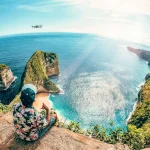
📷 Featured image by Andrea Huls Pareja on Unsplash.