On this page
- July in Indonesia: The Best Month That Everyone Wants — and How to Navigate It
- Why July Hits Different in Indonesia
- Where to Catch the Best Waves in July
- Beyond the Beach: Cultural Events and Festivals in July 2026
- Islands Worth the Journey This Month
- 2026 Budget Reality: What July Actually Costs
- Staying Cool and Comfortable in July Heat
- Frequently Asked Questions
July in Indonesia: The Best Month That Everyone Wants — and How to Navigate It
July 2026 is shaping up to be one of the busiest travel months Indonesia has seen in years. European and Australian school holidays overlap almost perfectly, Bali’s southern beaches are near capacity on weekends, and flight prices between Jakarta, Denpasar, and Lombok have reflected that demand since bookings opened in March. If you are heading to Indonesia this July without a plan, you will spend the month fighting for sunbeds and overpaying for rooms you could have booked cheaper three months ago. The good news is that with a little strategy, July is genuinely one of the finest months to be in this country — warm, mostly dry, and culturally rich in ways that catch a lot of visitors completely off guard.
Why July Hits Different in Indonesia
Indonesia sits across the equator, so “seasons” work differently depending on which island you are on. But for the most-visited destinations — Bali, Lombok, the Gili Islands, Flores, and Java’s highland areas — July falls squarely in the dry season. Rain is rare. Skies are clear by mid-morning. Visibility underwater for snorkelling and diving is at its annual peak in many spots, often exceeding 20 metres around Komodo and around Nusa Penida’s famous Manta Point.
The flip side is that July is Indonesia’s high tourist season without qualification. Kuta and Seminyak in Bali buzz with Australian families. Ubud fills with yoga retreat groups and solo travellers chasing the Eat Pray Love fantasy. Prices reflect this. Anyone travelling on a tight schedule with no flexibility will find July frustrating. Anyone willing to move slightly off the standard circuit — even by 30 kilometres — will find quiet villages, uncrowded temples, and guesthouses where the owner cooks breakfast from whatever grew in the garden that morning.
Temperature-wise, expect 27–32°C across coastal areas. Higher elevation spots like Ubud, Bedugul in Bali, or Dieng Plateau in Central Java drop to a genuinely refreshing 18–22°C at night. The southeast trade winds pick up noticeably along Bali’s southern coast in July — uncomfortable if you want a flat-water swim at Kuta, but exactly what surfers are waiting for.
Where to Catch the Best Waves in July
July is the month Indonesian surf reaches its full expression. The southwest swell that builds through June hits peak consistency, and the winds organise in a way that grooms waves across several coasts simultaneously. This is not a coincidence — it is the reason serious surfers plan around July specifically.
Uluwatu, Bali is the headline act. The left-hand reef break here works best at mid to high tide during a solid southwest swell, and July delivers both reliably. The clifftop warungs above the cave entrance fill with spectators every late afternoon, the smell of Bintang and fried tempe drifting out over the break as sets roll through. It is crowded in the water — no way around that — but the wave itself is long enough that patience rewards you.
Desert Point on Lombok’s west coast is a completely different experience. Long, hollow left-hander, shallow reef, and a reputation that keeps intermediate surfers away. In July, when conditions align, it produces some of the longest barrels in Southeast Asia. Access is not easy — a rough road and a boat crossing — but that difficulty is exactly what keeps the lineup manageable even in high season.
Lakey Peak in Sumbawa offers two breaks in one spot: a right and a left splitting off the same peak. July winds groom both consistently. The village of Hu’u nearby has simple guesthouses where you can eat fresh grilled fish for under Rp 50,000 a plate and hear nothing at night except the ocean.
For beginners, Kuta Beach in Lombok (not to be confused with Kuta in Bali) has gentler, slower waves that instructors use for lessons through July. The atmosphere is far more relaxed than anything in Bali’s south.
Beyond the Beach: Cultural Events and Festivals in July 2026
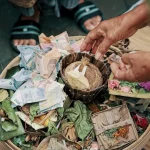
July is when Bali’s ceremonial calendar intensifies ahead of Galungan — a cycle that falls at different points each year, so check the specific 2026 dates before you travel. Even outside major ceremonies, Hindu Balinese temple festivals happen almost daily somewhere on the island, and wandering into a village dressed in a sarong to watch offerings being prepared is one of the genuinely free and irreplaceable experiences July offers.
In Yogyakarta, the Kraton (royal palace) maintains its weekly schedule of gamelan performances and wayang kulit shadow puppetry. The sound of a full gamelan orchestra in a stone courtyard at dusk — bronze keys resonating in waves, the lead singer’s voice threading through — is the kind of thing that reframes your understanding of what music can be. Entrance fees remain modest, typically Rp 15,000–25,000 for most Kraton performances.
July also marks the run-up to Indonesia’s Independence Day on August 17th. By mid-July, neighbourhood streets across Java and Bali start decorating with red-and-white bunting. Local competitions — bicycle races, traditional games, community cooking events — appear in villages and urban kampungs alike. These are not tourist events. They are real community celebrations that happen to be visible if you slow down and walk through residential areas rather than sticking to the main tourist strips.
The Toraja funeral season in South Sulawesi peaks between July and August. Torajan funeral ceremonies are among the most elaborate in the world — multi-day events involving buffalo sacrifice, traditional dance, and the gathering of extended family from across Indonesia and the diaspora. Visitors are generally welcome to observe respectfully. This is not dark tourism; it is one of the most profound expressions of community and belief you will encounter anywhere in the archipelago.
Islands Worth the Journey This Month
July’s dry conditions make several islands far more accessible than at other times of year, and some of them remain genuinely uncrowded despite being extraordinary.
Flores is the obvious answer for anyone who has already done Bali and Lombok. The road between Labuan Bajo and Bajawa winds through highland villages, past the famous three-coloured crater lakes of Kelimutu, and into a landscape that feels nothing like the tourist circuit. July is the best month to visit Kelimutu because afternoon clouds that obscure the crater views in the wet season are absent.
Banda Islands in Maluku reward the extra effort with underwater visibility that photographers describe as transformational — walls dropping hundreds of metres, schooling fish in numbers that seem impossible, and almost zero other divers in the water. Getting there requires a flight to Ambon and a ferry or fast boat onward, so budget two to three travel days each way and treat the journey itself as part of the experience.
Belitung Island off Sumatra’s east coast is seeing growing domestic interest in 2026, known for its giant granite boulders scattered across white-sand beaches and turquoise shallows. It lacks the international infrastructure of Bali but offers calm seas in July and a pace that feels genuinely unhurried.
2026 Budget Reality: What July Actually Costs
July prices in Indonesia reflect peak demand. Here is an honest breakdown across three tiers for the most-visited destinations:
- Budget traveller: Rp 150,000–300,000 per night for a guesthouse or hostel dorm in Bali, Lombok, or Yogyakarta. Eating at warungs — Rp 20,000–45,000 per meal. Shared transport and local buses. Total daily spend: Rp 350,000–600,000 is achievable outside Bali’s south if you are disciplined.
- Mid-range: Rp 500,000–1,200,000 per night for a decent private room with air-conditioning and an included breakfast in Seminyak, Ubud, or Gili Trawangan. Rp 80,000–150,000 per meal at mid-range restaurants. Ride apps for local transport. Daily total: Rp 900,000–1,800,000.
- Comfortable: Rp 1,500,000–4,000,000 per night for a villa or boutique hotel with a private pool in Bali or Lombok. Restaurant meals Rp 200,000–500,000 per head. Private drivers for day trips at Rp 500,000–800,000 per day. Daily total: Rp 3,000,000–7,000,000 depending on activity choices.
Domestic flights booked in July rather than in advance carry a significant premium. A Jakarta–Denpasar flight bought two weeks before travel in peak season can run Rp 1,200,000–2,000,000 one-way on full-service carriers. The same route booked three months out is often half that price.
Staying Cool and Comfortable in July Heat
The single most useful rule: do the heavy activity before 10am and after 4pm. Temple visits, rice terrace walks, volcano hikes — all of these are far more pleasant when the sun is low. The midday hours between 11am and 3pm are best spent near water, in the shade, or inside a cool restaurant eating something slow and satisfying.
Hydration is practical, not optional. Sealed 600ml water bottles cost Rp 5,000–8,000 at minimarkets (Indomaret and Alfamart are everywhere). Refillable bottles work well at guesthouses and hotels that provide filtered water, which most mid-range properties do in 2026. Street food cooked fresh in front of you — satay smoking on a charcoal grill, martabak folded and pressed until golden — is generally safe and often the best meal of your day. Avoid pre-cut fruit sitting in the sun without refrigeration.
Light, loose clothing in natural fibres makes a real difference. Many visitors overdress for temples — a sarong tied at the waist over shorts satisfies dress codes at virtually all Balinese temples and is available to borrow or buy at entrances for Rp 10,000–20,000.
Frequently Asked Questions
Is July a good time to visit Bali?
July is one of Bali’s best months weather-wise — dry, sunny, and with good ocean visibility. The trade-off is that it is also the busiest and most expensive period of the year. Southern Bali beaches and Ubud are crowded. Booking accommodation and key activities well in advance is essential to avoid frustration and inflated last-minute prices.
Which parts of Indonesia are less crowded in July?
Eastern Indonesia — Flores, the Banda Islands, Maluku, and parts of Sulawesi — attracts far fewer international visitors despite having excellent July conditions. Within Bali, the north coast around Lovina and the central highlands around Munduk are noticeably quieter than the south. Lombok’s north also remains relatively calm outside the Gili Islands.
How far ahead should I book accommodation in July 2026?
For Bali’s south, Ubud, the Gili Islands, and Lombok’s Senggigi or Kuta areas, book at least two to three months ahead for decent mid-range options. Budget rooms go even faster.
What cultural events happen in Indonesia in July?
July brings Balinese Hindu temple ceremonies throughout Bali, regular gamelan and wayang kulit performances at Yogyakarta’s Kraton, Torajan funeral ceremonies in South Sulawesi, and neighbourhood celebrations building toward Indonesia’s August 17th Independence Day. None of these require advance tickets — most are free or charge minimal entrance fees.
Is it safe to eat street food in Indonesia in July?
Street food cooked fresh and served hot is generally very safe and often the most delicious food available. Look for busy stalls with high turnover — a warung packed with locals at lunchtime is a reliable quality signal. Avoid pre-cut raw fruit and anything sitting uncovered in direct sun for extended periods. Carry water and stay hydrated in the July heat.
Explore more
Indonesia’s June 2026: Embracing the Peak Dry Season for Unforgettable Journeys
Indonesia in June 2026: Sunny Days and Perfect Conditions for Exploration
Experience the Bali Arts Festival: Your June 2026 Guide to Balinese Culture
📷 Featured image by David Wollschlegel on Unsplash.