On this page
- The Honest Answer Before You Book
- Regional Safety Breakdown: Province by Province
- Natural Hazards: The Risks That Actually Hurt Tourists
- Road and Transport Safety: The Risk Most Travelers Underestimate
- Health Risks and Medical Preparation
- Scams and Petty Crime: What Actually Targets Tourists
- Solo and Female Traveler Safety
- Wildlife and Jungle Trekking Safety
- Practical Safety Gear and Digital Tools
- Budget Breakdown: The Cost of Traveling Safely in Sumatra
- Frequently Asked Questions
💰 Click here to see Indonesia Budget Breakdown
💰 Prices updated: September, 2026. Budget figures are estimates — always verify before travel.
Exchange Rate: $1 USD = Rp17,928.47
Daily Budget (per person)
Shoestring: Rp358,569 – Rp896,424 ($20.00 – $50.00)
Mid-range: Rp1,254,993 – Rp2,689,271 ($70.00 – $150.00)
Comfortable: Rp2,689,271 – Rp4,482,118 ($150.00 – $250.00)
Accommodation (per night)
Hostel/guesthouse: Rp71,714 – Rp179,285 ($4.00 – $10.00)
Mid-range hotel: Rp448,212 – Rp896,424 ($25.00 – $50.00)
Food (per meal)
Budget meal: Rp26,893.00 ($1.50)
Mid-range meal: Rp143,428.00 ($8.00)
Upscale meal: Rp537,854.00 ($30.00)
Transport
Single metro/bus trip: Rp3,500.00 ($0.20)
Monthly transport pass: Rp200,000.00 ($11.16)
The Honest Answer Before You Book
In 2026, Sumatra still carries an outdated reputation that keeps thousands of travelers away unnecessarily. The island sits on some of the most seismically active ground on Earth, hosts dense jungle crossed by genuinely rough roads, and shares borders with regions that have historically had security concerns. All of that is real. But the question most travelers are actually asking — “will I be okay visiting Lake Toba, Bukittinggi, or Bukit Lawang?” — has a different answer than the broad warnings suggest.
Sumatra stretches over 1,700 kilometres from Aceh in the north to Lampung in the south. That scale matters for safety conversations, because painting the whole island with one brush is like saying all of Europe is dangerous because parts of one country have political instability. The vast majority of tourist destinations — Lake Toba, Bukittinggi, Bukit Lawang, Padang, Berastagi, and the Mentawai Islands — are genuinely safe for travelers who apply basic common sense. In 2026, North Sumatra and West Sumatra remain the two most visited provinces, and both have well-established tourist infrastructure with experienced local guides, guesthouses accustomed to foreign visitors, and reliable communication networks in the main towns.
Indonesia’s National Police (Polri) expanded regional tourist safety units across North and West Sumatra in 2025, with dedicated tourist assistance desks now operating at Kualanamu International Airport in Medan and Minangkabau International Airport near Padang. These aren’t token gestures — they’re staffed with English-speaking officers and handle everything from lost passports to scam reports.
The parts of Sumatra that do require additional caution are specific and largely known. Certain border areas in Aceh near the Alas River corridor and remote interior zones in Riau province warrant more research before visiting. But these are not on the standard tourist trail, and most travelers never go near them.
Regional Safety Breakdown: Province by Province
Understanding Sumatra by region is the most practical way to assess safety. Here’s the honest picture for 2026:
North Sumatra (Sumatera Utara)
Home to Medan, Lake Toba, Bukit Lawang, and Berastagi — this is the most tourist-ready province on the island. Medan has a reputation for chaotic traffic and opportunistic scams around the airport and bus terminals, but violent crime targeting tourists is rare. Lake Toba’s Samosir Island feels genuinely relaxed, and Bukit Lawang’s single main street through the jungle village is easy to navigate safely.
West Sumatra (Sumatera Barat)
Padang, Bukittinggi, and the Harau Valley are all considered safe for tourists. This is a conservative Muslim region — dress modestly outside resort areas and you’ll receive warm Minangkabau hospitality. The 2009 earthquake risk is not forgotten here, and locals know evacuation routes. Follow their lead if you feel tremors.
Aceh Province
Aceh is safe for tourists in its main areas — Banda Aceh city, Sabang island, and Pulau Weh for diving. The province operates under Sharia law, which means stricter dress codes, no alcohol in public, and closures during prayer times. These are not safety threats — they’re social rules that deserve respect. Remote border areas near the interior mountain ranges are a different matter and should not be attempted without serious local knowledge.
Riau, Jambi, South Sumatra, Lampung
These provinces see far fewer tourists and have less developed visitor infrastructure. They’re not inherently dangerous, but the combination of limited English, fewer reliable guides, and longer distances between medical facilities means solo travelers need more preparation here. Palembang in South Sumatra is navigable and has improved significantly since hosting sporting events in recent years.
Natural Hazards: The Risks That Actually Hurt Tourists
Sumatra sits on the Sunda Arc, one of the most geologically active zones on the planet. The 2004 Indian Ocean tsunami originated off Aceh’s coast. Eruptions from volcanoes like Sinabung and Marapi have affected communities as recently as 2023 and 2024. These are not hypothetical risks.
Earthquakes
Earthquakes happen regularly across Sumatra, particularly in West Sumatra and Aceh. Most are minor and unfelt. If you experience a strong quake near the coast, move immediately to high ground — don’t wait for official warnings. Know the tsunami evacuation signs (blue arrows pointing uphill) in coastal towns before you need them. Hotels in Padang and Banda Aceh have evacuation plans posted on room doors; read them on your first night.
Volcanic Activity
Mount Sinabung near Berastagi has been in an eruptive phase for years. As of 2026, it remains at Alert Level II (Waspada) for most periods, with occasional spikes to Level III. The Volcanological Survey of Indonesia (PVMBG) updates alert levels daily at their website and via the MAGMA Indonesia app. Always check the current alert level before trekking near active peaks. Mount Marapi in West Sumatra saw a tragic eruption in late 2023 that killed trekkers caught on the summit — a reminder that these mountains are not decorative backdrops.
Flooding and Forest Fires
Riau province experiences severe seasonal fires during the dry season (July–October), creating haze that can ground flights and cause respiratory problems across much of Sumatra. If you have asthma or respiratory sensitivities, carry a quality N95 mask and check the Air Quality Index (AQI) via IQAir or the BMKG app before travel. Flash flooding during the wet season can close roads in highland areas with little warning, particularly around Bukittinggi and the Karo Highlands.
Road and Transport Safety: The Risk Most Travelers Underestimate
If you ask experienced travelers what actually went wrong on their Sumatra trip, the majority will say something happened on the road. Not crime, not wildlife — the road. Trans-Sumatra Highway sections are dramatically better than five years ago following major investment through the Trans-Sumatra Toll Road (Jalan Tol Trans-Sumatera) project, but coverage is still incomplete in 2026. The Lampung-to-Palembang and Palembang-to-Pekanbaru sections are fully tolled and well-maintained. But once you’re off the toll system — especially in North Sumatra’s mountain roads toward Lake Toba or West Sumatra’s highland routes — road quality drops sharply.
Night bus travel is convenient and cheap, but the accident statistics on Sumatran highways at night are grim. Overloaded trucks, fog in mountain passes, and bus drivers working dangerously long shifts combine into real risk. If you must take a night bus, use operators with newer vehicles like ALS or Kurnia for the major North Sumatra routes. For Lake Toba transfers from Medan, daytime minibuses are a better choice than overnight coaches.
Renting a motorbike is common among budget travelers in Bukit Lawang and Berastagi. The roads are narrow, the trucks are wide, and emergency medical care can be an hour away. If you ride, wear a proper helmet (not the bicycle-thin shells some rental places hand out), carry your international driving permit, and never ride after dark on mountain roads.
In 2026, Gojek and Grab operate reliably in Medan, Padang, Pekanbaru, and Palembang. Outside these cities, you’re back to negotiating with local ojek drivers. Agree on a price before you get on.
Health Risks and Medical Preparation
Sumatra’s tropical environment comes with health considerations that require preparation, not panic.
Mosquito-Borne Illness
Malaria is present in rural and forested areas of Sumatra, particularly in Riau, West Kalimantan border areas, and remote parts of Aceh and North Sumatra. If you’re staying in major tourist towns — Medan, Padang, Bukittinggi, Lake Toba — the malaria risk is low. For jungle trekking in Gunung Leuser National Park or remote island stays, consult a travel medicine doctor before departure about malaria prophylaxis. Dengue fever is present across the island with no altitude exceptions — use DEET-based repellent consistently, especially at dawn and dusk.
Rabies
Rabies exists in Sumatra. Dog bites are the most common transmission route, but monkeys — particularly the habituated macaques around tourist areas — can also carry it. If you’re bitten or scratched by any animal, wash the wound thoroughly with soap and water for at least 15 minutes and get to a hospital in Medan or Padang for post-exposure treatment immediately. Do not wait and hope. The closest major hospitals with reliable rabies immunoglobulin are Adam Malik Hospital in Medan and M. Djamil Hospital in Padang.
Water and Food Safety
Tap water is not safe to drink anywhere in Sumatra. Bottled Aqua (the dominant trusted brand) is available everywhere. In guesthouses and warungs, the steaming heat of freshly cooked food is your best protection — avoid pre-prepared dishes that have been sitting out, particularly in markets during hot afternoon hours. The smell of a proper Minangkabau kitchen — coconut milk bubbling, chili and galangal hitting hot oil — is a better safety signal than any guidebook rule.
Scams and Petty Crime: What Actually Targets Tourists
Sumatra’s scam ecosystem is less developed than Bali’s, but specific situations produce reliable patterns.
- Medan airport taxi scams: Fixed-price counters at Kualanamu exist — use them. Drivers outside the terminal will quote two to three times the standard rate. The airport taxi counter rate to central Medan is around IDR 180,000–220,000 in 2026.
- Fake guide credentials in Bukit Lawang: Anyone approaching you on the main street claiming to be a licensed Gunung Leuser guide may not be. Book through your guesthouse or directly through the KSDA (Natural Resources Conservation Agency) registered guide list posted at the national park entrance office.
- Gemstone and handicraft scams in Medan and Bukittinggi: “Investment quality” stones, batik at absurd prices, and antiques of questionable origin are standard setups. Buy from fixed-price government craft shops (Dekranasda outlets) if you want authentic pieces.
- Motorbike “damage” scams: Rent from guesthouses with clear written agreements and photograph every existing scratch before you leave. A scam operator will claim new damage on return.
- Pickpocketing in bus terminals: Medan’s Amplas and Pinang Baris terminals are genuinely crowded and opportunistic theft happens. Keep your phone in a front pocket and your bag in front of you.
Solo and Female Traveler Safety
Female travelers, both solo and in small groups, move through Sumatra’s main tourist circuit without serious incident every day. That said, specific practical measures make the experience significantly smoother.
Dress conservatively across most of Sumatra. This doesn’t mean head-to-toe covering everywhere, but loose clothing that covers shoulders and knees is appropriate and genuinely reduces unwanted attention. In Aceh, a headscarf is expected for women in public spaces. In Padang and Bukittinggi, it’s optional but welcomed. At Lake Toba’s Batak Christian communities, dress norms are more relaxed.
Walking alone at night in unfamiliar areas — even in relatively safe towns like Bukittinggi — is worth avoiding simply because poor streetlighting and uneven pavements create physical hazards beyond any crime risk. Use Gojek for evening transport rather than walking unfamiliar routes after dark.
Accommodation choice matters for solo female travelers. Established guesthouses with reviews from other solo women (check Hostelworld and Google Maps reviews from 2025–2026) are the safest bet. Lock your room at night — sliding bolt locks on budget guesthouse doors are not always reliable, and a portable doorstop alarm costs IDR 80,000–150,000 and is worth bringing.
The local women of Sumatra — particularly in West Sumatra’s Minangkabau society, which is matrilineal — are often a traveler’s best resource. A question to a local woman at a warung about whether a particular area or route is safe after dark will get you a straight, honest answer.
Wildlife and Jungle Trekking Safety
Sumatra hosts critically endangered Sumatran orangutans, tigers, elephants, and rhinoceroses. The jungle is extraordinary. It also requires respect that goes beyond Instagram framing.
Orangutan Encounters
Bukit Lawang’s semi-wild orangutans are habituated to humans but remain wild animals. A fully grown male can weigh 90 kilograms and is enormously strong. Keep a minimum distance of five metres at all times, never offer food, and do not stand between a mother and her infant. Bites have occurred when tourists ignored these rules. Your guide’s instructions are not suggestions.
Sumatran Tiger Awareness
Tiger attacks on humans in Sumatra occur almost exclusively in areas where habitat loss has pushed animals into human settlements — not on established trekking paths in Gunung Leuser or Kerinci Seblat National Parks. That said, entering deep forest without a licensed guide is genuinely dangerous. In 2026, all national park trekking in Sumatra requires registration at the park entry post with a licensed guide. This rule is enforced and exists for good reason.
Guide Quality Verification
A licensed guide for Gunung Leuser National Park costs IDR 350,000–600,000 per day depending on group size and route in 2026. This is not optional. Unlicensed guides exist and will offer lower prices. They lack emergency training, first aid certification, and knowledge of wildlife behavior patterns that come from years of daily park experience. The extra cost is genuine insurance.
Practical Safety Gear and Digital Tools
A few specific preparations make a meaningful difference in Sumatra:
- Travel insurance with medical evacuation: Standard travel insurance is not enough. Make sure your policy explicitly covers helicopter medical evacuation and emergency repatriation. World Nomads and SafetyWing both cover this for Sumatra in 2026. Medical evacuation from a remote area to Medan or Singapore can cost USD 15,000–50,000 without coverage.
- Local SIM card: Telkomsel has the best coverage across rural Sumatra in 2026. Buy a tourist SIM at Kualanamu or Minangkabau airport on arrival — it’s sold at official counters for IDR 50,000–100,000 with data packages. Having working data for maps and emergency calls is not optional.
- Offline maps: Download the relevant Sumatra regions on Maps.me or Google Maps offline before you leave your hotel. Mobile signal disappears on mountain roads and in jungle areas with no warning.
- Embassy registration: Register your trip with your home country’s embassy before traveling to remote areas. Australia’s Smart Traveller, the UK’s FCDO travel registration, and the US STEP program all take under ten minutes and mean your government knows where to look if something goes wrong.
- Emergency numbers: Indonesia’s national emergency number is 112. Ambulance is 118. Tourist Police in North Sumatra can be reached at (061) 555-1023.
Budget Breakdown: The Cost of Traveling Safely in Sumatra
Safety on Sumatra isn’t just about behavior — some of it costs money, and knowing what to budget prevents corner-cutting in the wrong places.
Budget Tier (IDR 250,000–450,000 per day)
Dormitory guesthouses in Bukit Lawang or Tuk Tuk (Lake Toba), local warung meals, shared minibus transport, and independent exploration of town areas. At this budget, you should still allocate for a licensed guide on any national park day (IDR 350,000–500,000 on top of your daily budget). Travel insurance is non-negotiable — budget IDR 50,000–80,000 per day of your trip for a basic policy with medical evacuation.
Mid-Range Tier (IDR 500,000–1,200,000 per day)
Private guesthouse rooms with good locks and reviews, Gojek/Grab for city transport, private cars for inter-city legs instead of night buses, and licensed guides included in tour packages. At this level, you can absorb most standard safety costs without separate budgeting.
Comfortable Tier (IDR 1,500,000–3,500,000 per day)
Quality hotels with 24-hour security, private drivers for all road transfers, comprehensive travel insurance, and guided multi-day jungle treks through reputable operators like Orangutan Trekking Tour or Green Hill Guesthouse’s guide network in Bukit Lawang. This tier essentially buys out most of the manageable risks on the island.
Frequently Asked Questions
Is Sumatra safe for tourists in 2026?
Yes, for the main tourist destinations — Lake Toba, Bukit Lawang, Bukittinggi, Padang, Berastagi, and Banda Aceh. The risks that exist are largely manageable with preparation: using licensed guides in national parks, avoiding night bus travel on mountain roads, checking volcanic alert levels, and carrying proper travel insurance with medical evacuation coverage.
Is it safe to travel alone in Sumatra as a woman?
Solo female travel on Sumatra’s main tourist circuit is common and generally safe. Dress conservatively, use Gojek or Grab instead of walking unfamiliar areas at night, and choose guesthouses with strong recent reviews from other solo women. West Sumatra’s matrilineal Minangkabau culture means women are often treated with particular respect.
What is the most dangerous part of Sumatra?
Remote interior zones and certain border areas are genuinely challenging — specifically deep interior Riau, parts of the Aceh highlands, and areas affected by seasonal forest fires. For tourists, the most statistically likely danger is road accidents, particularly on mountain roads at night.
Do I need vaccinations to visit Sumatra?
Yes. At minimum, ensure you’re up to date on Hepatitis A, Typhoid, and routine vaccinations. Rabies pre-exposure vaccination is strongly recommended if you’ll be in jungle areas or around animals. Malaria prophylaxis is worth discussing with a travel medicine doctor if your itinerary includes rural or forested areas beyond the main tourist towns. Japanese Encephalitis is recommended for longer rural stays.
Is Aceh safe for tourists?
Banda Aceh city and Pulau Weh (Sabang) are safe and welcoming. Aceh operates under Sharia law — no public alcohol, modest dress for all visitors, and respect for prayer times. Remote border interior areas require local knowledge and should not be attempted independently.
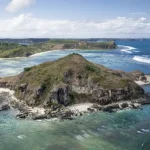
📷 Featured image by Mohamad Fokkerizky on Unsplash.