On this page
💰 Click here to see Indonesia Budget Breakdown
💰 Prices updated: September, 2026. Budget figures are estimates — always verify before travel.
Exchange Rate: $1 USD = Rp17,928.47
Daily Budget (per person)
Shoestring: Rp358,569 – Rp896,424 ($20.00 – $50.00)
Mid-range: Rp1,254,993 – Rp2,689,271 ($70.00 – $150.00)
Comfortable: Rp2,689,271 – Rp4,482,118 ($150.00 – $250.00)
Accommodation (per night)
Hostel/guesthouse: Rp71,714 – Rp179,285 ($4.00 – $10.00)
Mid-range hotel: Rp448,212 – Rp896,424 ($25.00 – $50.00)
Food (per meal)
Budget meal: Rp26,893.00 ($1.50)
Mid-range meal: Rp143,428.00 ($8.00)
Upscale meal: Rp537,854.00 ($30.00)
Transport
Single metro/bus trip: Rp3,500.00 ($0.20)
Monthly transport pass: Rp200,000.00 ($11.16)
Most travellers in 2026 are chasing Indonesia’s famous places and finding crowds, traffic and inflated prices. Maluku offers the opposite. It is the place where nutmeg and cloves once worth more than gold shaped world history, yet you may share a fort with only a few goats and a local guide. The catch is that it takes planning. Flights are limited, boats follow their own schedules, and little is written in English. This guide covers what is worth the effort.
Why the Spice Islands Still Matter
For centuries, nutmeg and mace grew only in the Banda Islands, and cloves grew only on a handful of volcanic islands near Ternate and Tidore. Arab, Chinese, Portuguese, Spanish, English and Dutch traders all fought for control of them. The Dutch East India Company (VOC) won the struggle in the 1600s, often brutally. In 1621 its forces killed or enslaved most of the Bandanese people. In 1667 the Dutch kept Run, a tiny Banda island, and the English took Manhattan in exchange.
Maluku is also not one place. Maluku province centres on Ambon and Banda. North Maluku province covers Ternate, Tidore and Halmahera. Both are mostly sea, with small islands, green volcanoes and calm bays. The communities are a mix of Muslim and Christian, and a strong tradition of music and hospitality runs through both. Ambon’s coastal mood, with guitars on verandas and singing at dusk, is part of the experience.
Banda Islands: Nutmeg, Forts and a Volcano
Banda Neira is the heart of the history. Walk the main street and you pass crumbling Dutch villas, old warehouses and a harbour that looks almost unchanged from old engravings. Fort Belgica, a pentagonal fort on a hill, gives the best view over the town and the smoking cone of Gunung Api across the water. Fort Nassau sits lower down near the waterfront. The Museum Rumah Budaya holds VOC-era maps, cannons and portraits that explain the trade in plain detail.
Take a small boat to Banda Besar and walk through nutmeg groves. Under the trees, the air smells sweet and peppery, and drying mace lies in red-orange lace on mats outside village houses. A local guide can show you how the fruit splits open and why every part is used. Then cross to Run, where the snorkelling over healthy coral is some of the best in eastern Indonesia, with clear water and almost no other boats.
Hikers can climb Gunung Api in about two hours, starting early to avoid the heat. The last eruption was in 1988, and the black lava fields still show how the landscape was formed.
Ternate and Tidore: The Clove Sultanates
The clove story is different from the nutmeg story. Here the local sultans were powerful rulers who played Europeans against each other. Ternate and Tidore face each other across a short strait, rival kingdoms for centuries, and you can visit both in a day.
In Ternate, start at the Kedaton Sultan Ternate museum, which holds royal crowns, weapons and ceremonial objects. Then see Fort Oranje, a Dutch fort in the city, and Fort Tolukko, a Portuguese-built fort with sea views. Ternate’s streets climb the slopes of Gamalama volcano, and the peak often wears a small plume of steam. An ancient clove tree called Afo is said to be several hundred years old, though its age is debated.
Take a short boat ride across to Tidore for its own sultan’s palace and a quieter, village-like pace. The coastal road around the island is easy to ride by motorbike taxi (ojek), and views of Ternate across the water are good in the late afternoon.
Ambon: Gateway City and Its Flavours
Most visitors land in Ambon, and it deserves a night or two. The city has a UNESCO Creative City of Music title, and you can often hear live music in cafes in the evening. For history, visit Fort Victoria and the Siwalima Museum, which covers Maluku’s culture and wartime past. Take a short drive to the beaches of Natsepa and Liang for swimming.
The food is where Ambon stands out. Eat these:
- Ikan bakar with colo-colo: Grilled fish with a sharp sauce of chilli, shallot, lime and sweet soy. Try it at the open-air grill stalls near the harbour at sunset, where the smoke drifts over the water.
- Papeda with kuah kuning: A sticky, glue-like sago porridge eaten with turmeric fish soup. The texture is unusual, but the soup is bright, sour and warming.
- Rujak Natsepa: Fruit rojak with a thick palm sugar and peanut sauce, sold beside the beach at Natsepa.
- Kue kenari and nutmeg sweets: Kenari nut cookies and manisan pala (candied nutmeg fruit) make good gifts.
In Banda Neira, eat at your homestay. Meals are fresh tuna, sambal and kenari almond cakes, cooked for the guests that night. In Ternate, the waterfront grills by Falajawa beach are the best place for fish in the evening.
Getting There and Getting Around
To Ambon: Pattimura Airport has direct flights from Jakarta (about four hours) and connections via Makassar, Surabaya and Manado. Garuda, Lion Air, Batik Air and Citilink serve the route. To Ternate: Sultan Babullah Airport has flights via Makassar, Manado and Jakarta.
Ambon to Banda Neira: The quick way is a small Susi Air flight of about one hour, with a few flights per week and 12 or so seats on each. The slower way is a Pelni ship or ferry from Tulehu port, usually taking around 8 to 12 hours. Schedules change often, so confirm them directly within a week of travel.
Ternate to Tidore: Take a speedboat from Bastiong port, around 15 to 20 minutes. Inside the islands, use ojek, angkot (minivans) and charter boats. Ride-hailing apps are patchy outside Ambon city, so ask your guesthouse to arrange drivers.
Day Trip or Overnight?
Maluku is not a day-trip destination from Bali or Jakarta. The flights alone take most of a day, so plan for at least one night in Ambon. Within the region, though, the answer depends on where you go:
- Tidore from Ternate: an easy day trip, with the palace, a coastal ride and lunch.
- Ambon sights: a good day trip from Ambon city, covering the fort, museum and beaches.
- Banda Islands: overnight only. Plan at least three to four nights, so that one or two days can absorb flight delays.
- Ternate: two nights, to cover the forts, museum and volcano views.
2026 Budget Reality
These are approximate 2026 ranges. Prices in remote Maluku shift with fuel costs and boat availability.
- Budget: Rp 350,000–600,000 per day. Homestay room Rp 200,000–400,000, warung meals Rp 25,000–40,000, shared boat or ojek Rp 50,000–150,000.
- Mid-range: Rp 900,000–1,800,000 per day. Hotel or guesthouse Rp 600,000–1,200,000, private boat for the day Rp 800,000–1,500,000, snorkel gear included.
- Comfortable: Rp 2,000,000–3,500,000 per day. Boutique stay or dive lodge Rp 1,500,000–3,000,000, guided diving Rp 800,000–1,500,000 per day.
Flights are the biggest cost: Jakarta to Ambon is usually Rp 2,000,000–3,500,000 one way, and Susi Air to Banda is around Rp 1,000,000–1,500,000. Pelni economy tickets from Ambon to Banda cost much less, roughly Rp 150,000–300,000.
Practical Tips for Maluku in 2026
- Season: Maluku’s monsoon is different from Java and Bali. June to August brings heavy rain and rough seas, especially around Ambon and Banda. October to early December and March to April are generally calmer.
- Cash: QRIS and cards work in Ambon and Ternate, but in Banda many places take cash only and ATMs are few. Bring enough rupiah for your whole stay.
- Connectivity: Mobile signal is good in towns, but weak at sea and on small islands. Download offline maps before you go.
- Etiquette: Dress modestly in villages and near mosques and churches. Ask before photographing people, and greet locals with a smile. Communities have worked hard since the conflicts of 1999–2002, and travel here is now calm.
- Heritage: Indonesia’s Jalur Rempah (Spice Route) programme has brought fort restoration and signage, but facilities are still basic, so carry water and a hat.
Frequently Asked Questions
How many days do I need for the Spice Islands?
Plan at least seven days for a worthwhile trip: one or two in Ambon, three to four in Banda, and two in Ternate if you add North Maluku. Flight and boat delays are common, so a few spare days will help.
Is Maluku safe for tourists in 2026?
Yes. The conflict of 1999–2002 is long over, and visitors report friendly, welcoming communities. Normal precautions apply. Check sea conditions before boat trips, wear a life jacket, and avoid swimming near strong currents. Keep an eye on volcano alerts around Ternate and Banda.
What is the best time to visit Banda Islands?
October to early December and March to April usually offer the calmest seas and best snorkelling. June to August is the rainy and rough season, when boats and flights are more likely to be delayed or cancelled. Always confirm transport before you book.
How do I get from Ambon to Banda Neira?
Fly with Susi Air on a small plane, about one hour, or take a Pelni ship or ferry from Tulehu, about 8 to 12 hours. Both run on limited schedules, so check the days and book early. The plane is faster, and the boat is much cheaper.
Can I still see spices growing in Maluku?
Yes. Nutmeg groves are on Banda Besar and Banda Neira, and clove trees grow on the slopes of Ternate and Tidore. Local guides can show you harvesting and drying. Nutmeg and clove products are sold in markets and make good, lightweight souvenirs.
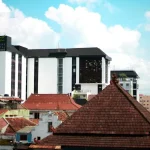
📷 Featured image by Fahrizal Dido Rachmansyah on Unsplash.