On this page
- What Hari Raya Really Means in Indonesia
- The 2026 Timeline: From Ramadan’s End to Open House
- Mudik: The Great Homecoming and How It Reshapes Travel
- The Lebaran Table: Dishes You Will Meet
- How to Take Part Without Making Mistakes
- Regional Moods: Jakarta, Java, Bali and Beyond
- 2026 Budget Reality
- Frequently Asked Questions
Every year, travelers book a trip to Indonesia for late March and discover too late that half the country has gone home. In 2026, Eid al-Fitr falls right around 20–21 March, and it lands almost on top of Bali‘s Nyepi, which makes planning even trickier. Trains sell out weeks ahead, prices jump, and many shops close. But if you plan well, Lebaran is the warmest and most welcoming time to be in Indonesia. This guide shows you how.
What Hari Raya Really Means in Indonesia
Eid al-Fitr marks the end of Ramadan, the Muslim month of fasting. Indonesians usually call it Lebaran or Idul Fitri. “Hari Raya” simply means “big day” and is used across Southeast Asia. Indonesia has the largest Muslim population in the world, so this is the country’s biggest holiday by a wide margin.
The heart of Lebaran is forgiveness. People say “Mohon maaf lahir dan batin” (moh-HON mah-AF LAH-heer dahn BAH-teen), which means “please forgive my physical and spiritual wrongs.” Children ask parents for forgiveness, bosses meet staff, and neighbors knock on each other’s doors. It is a social reset, and that is why families travel so far to be together.
The holiday also carries Indonesian twists. Many families visit the graves of relatives before Eid, a custom called nyekar. Others hold halal bihalal gatherings in the following weeks, where offices, schools and neighborhoods meet to forgive and reconnect. These customs come from local Islamic practice mixed with older Javanese traditions of respect for elders and ancestors.
The 2026 Timeline: From Ramadan’s End to Open House
Indonesia’s religious affairs ministry confirms the exact date at a meeting called sidang isbat, held after the new moon is checked. The two largest Muslim organisations sometimes announce different dates, so Eid can differ by a day. For 2026, expect Eid on or around 20–21 March, and check official announcements a few days before.
- The last days of Ramadan: Markets are packed, tailors are busy, and bakeries sell out of cookies.
- Takbiran night: The evening before Eid, mosques broadcast takbir chants. In many towns, groups walk the streets with drums and lanterns. The sound of hundreds of voices and bedug drums rolling through the dark is something you will not forget.
- Eid morning: Families dress in new clothes and walk to open-air prayer grounds, fields and mosques for Eid prayer. Streets fill with people in white and pastel outfits.
- Days 1–3: Visiting relatives, eating together, and giving small gifts to children.
- Days 4–7: Many people go on short trips, and local tourist spots become very crowded.
The government usually adds extra collective leave days around Eid, so offices and schools often close for a week or more. Check the official joint ministerial decree for the exact 2026 days off.
Mudik: The Great Homecoming and How It Reshapes Travel
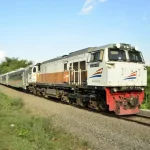
Mudik is the mass trip home, and it is one of the largest temporary migrations on Earth. Tens of millions of Indonesians travel from big cities, mostly Jakarta, to villages across Java, Sumatra and beyond. If you travel as a visitor, you share the same roads, rails and runways.
Since 2024, a few things have changed. Trans-Java and Trans-Sumatra toll sections keep growing, which cuts journey times but also means more cars. Toll roads are cashless, so you need an e-money card with enough balance. Authorities regularly use one-way traffic and contraflow on busy toll sections during peak days, so a trip that normally takes four hours can take twelve. Jakarta–Bandung travelers can now use the Whoosh high-speed train, and Jakarta’s MRT, LRT and commuter lines stay useful for moving around the capital, though schedules can change on holiday days.
Practical rules for foreigners:
- Book intercity trains as soon as sales open, usually about 45 days ahead.
- Avoid travel on the two or three days before Eid and the first return days afterwards. These are the heaviest.
- If you fly, choose early morning flights and arrive at the airport at least three hours before departure.
- Do not plan a long drive in a rental car on peak days. Fatigue and traffic make it risky and slow.
The Lebaran Table: Dishes You Will Meet
Lebaran food is about abundance. Walk into a home on Eid morning and the smell hits you first: coconut milk simmering with lemongrass and galangal, and the grassy scent of woven palm-leaf pouches steaming. Each dish has a role.
- Ketupat: Rice cooked inside a woven palm-leaf diamond until it becomes dense and soft. It symbolises asking for and giving forgiveness. Some people link the name to ngaku lepat, Javanese for “admitting a mistake.”
- Opor ayam: Chicken in a mild, creamy coconut broth with turmeric and candlenut. It is the classic partner to ketupat, especially in Java.
- Rendang: The slow-cooked Minangkabau beef dish, simmered for hours until the coconut milk turns into dark, rich, almost dry spice paste. It keeps well, which is why it appears at festive tables across Indonesia.
- Sambal goreng ati: Liver or beef in a spicy, slightly sweet chili sauce, often with potatoes.
- Kue kering: Dry cookies in tins on every coffee table, such as nastar (pineapple tarts), kastengel (cheese cookies) and putri salju (snowy crescents).
As a guest, you will be offered food at nearly every house. Refusing completely can feel rude, so take a small portion and try a little of everything.
How to Take Part Without Making Mistakes
Many Indonesians love sharing Lebaran with visitors. Some practical points will help you be a good guest:
- Greet properly: Say “Selamat Idul Fitri” (seh-LAH-maht ee-DOOL FIT-ree) or “Minal aidin wal faizin.” Add “Mohon maaf lahir dan batin” if you want to join the forgiveness tradition.
- Handshake style: Many people touch palms lightly and then bring their hand to their chest. You can copy this. Some devout Muslims avoid touching the opposite sex, so wait for them to offer a hand.
- Right hand: Give, receive and eat with your right hand.
- Dress: Cover shoulders and knees. Wear neat, modest clothes if invited into a home. Take your shoes off at the door.
- Bring something small: A box of cookies or fruit is enough. Avoid alcohol and pork products.
- Children’s envelopes: Adults often give children small cash gifts in envelopes. If you are with a host family, ask a family member how much is normal.
- Prayer time: Stay quiet and keep out of the way near prayer grounds. Always ask before photographing people praying.
Regional Moods: Jakarta, Java, Bali and Beyond
Jakarta becomes strangely quiet. The traffic that normally defines the city fades, and many small shops and food stalls close for several days. Big malls and some hotels stay open, and the empty streets feel unusual and calm. It is a good time for photography and for seeing the city at a slower pace.
Central and East Java are the heart of mudik. Smaller cities and villages are crowded with returning families, and the atmosphere is lively. Expect full hotels in Yogyakarta, Solo and Surabaya, and busy attractions from the second day of Eid.
Sumatra, especially West Sumatra, adds Minangkabau traditions, with big family meals and plenty of rendang. Aceh observes Eid in a more conservative style, so dress modestly.
Bali has a Hindu majority, so most of the island carries on as normal. Domestic visitors do arrive for the holiday, which raises prices and traffic. In 2026, Nyepi, the Day of Silence, falls on 19 March, just before Eid. On Nyepi the entire island shuts down: no flights, no traffic, no lights outside, and everyone, including tourists, must stay in their accommodation. Do not plan to arrive or leave on that day, and check dates for the full week.
2026 Budget Reality
Holiday demand pushes prices up. Expect peak-season rates, and book early. These ranges are for the Lebaran period, in Indonesian rupiah, and are estimates; they vary by route and date.
- Budget: Economy train Jakarta–Yogyakarta around Rp 350,000–500,000. Guesthouse or simple hotel Rp 250,000–450,000 per night. Local meals Rp 20,000–40,000. Daily total about Rp 500,000–800,000.
- Mid-range: Executive train Rp 600,000–950,000, or a domestic flight Rp 1,500,000–2,800,000 on peak days. Three-star hotel Rp 600,000–1,300,000 per night. Restaurant meals Rp 60,000–150,000. Daily total about Rp 1,500,000–2,500,000.
- Comfortable: Business-class flights or private car with driver Rp 1,000,000–1,500,000 per day, plus fuel and tolls. Four- or five-star hotel Rp 1,800,000–4,500,000 per night, often with a minimum stay. Daily total Rp 3,500,000–7,000,000 or more.
Small extras add up. Keep Rp 200,000–500,000 for tips, toll and parking fees, small gifts and the occasional taxi surge. Hotels may charge higher rates for the holiday week and ask for full prepayment.
Frequently Asked Questions
When is Eid al-Fitr in Indonesia in 2026?
Eid al-Fitr 2026 is expected around 20–21 March. The government confirms the exact day after a moon-sighting meeting called sidang isbat, and Islamic organisations sometimes differ by a day. Check official announcements a few days before, and expect public holidays and extra collective leave around it.
Is it a good time for tourists to visit Indonesia during Lebaran?
Yes, if you plan ahead. The atmosphere is warm and festive, and many families welcome visitors. But transport is crowded, prices rise and some shops close for several days. Book trains, flights and hotels early, and keep a flexible schedule around the peak mudik days.
Will restaurants and shops be closed during Eid?
Many small family-run shops and food stalls close for two to five days, especially in Jakarta and Javanese towns. Malls, hotel restaurants, convenience stores and tourist areas usually stay open. Buy snacks and cash in advance, and check opening hours before you travel.
What should I wear if I am invited to a Lebaran gathering?
Wear modest, neat clothing that covers your shoulders and knees. Light batik or a simple long-sleeved shirt works well, and women can bring a light scarf. Remove your shoes at the door. Bright, festive colours are common, but avoid anything revealing or sloppy.
What does “Mohon maaf lahir dan batin” mean?
It means “I ask forgiveness for my outward and inward wrongs.” Indonesians say it during Lebaran to clear any hurt, big or small, from the past year. You can say it to hosts, neighbors and guides. The usual reply is the same phrase, or a warm “Sama-sama,” meaning “likewise.”
📷 Featured image by Colin Lloyd on Unsplash.