On this page
- Canggu in 2026: Still Worth the Hype?
- What Kind of Place Is Canggu, Really?
- Canggu’s Neighborhoods: Where You Stay Shapes Everything
- Things to Do in Canggu That Are Actually Worth Your Time
- Where to Eat and Drink in Canggu
- Getting Around Canggu
- Day Trips Worth Making from Canggu
- Canggu After Dark
- Shopping in Canggu
- Where to Stay in Canggu by Budget
- When to Visit Canggu
- Practical Tips for Canggu in 2026
- What Canggu Actually Costs: 2026 Budget Breakdown
- Frequently Asked Questions
💰 Click here to see Indonesia Budget Breakdown
💰 Prices updated: September, 2026. Budget figures are estimates — always verify before travel.
Exchange Rate: $1 USD = Rp17,928.47
Daily Budget (per person)
Shoestring: Rp358,569 – Rp896,424 ($20.00 – $50.00)
Mid-range: Rp1,254,993 – Rp2,689,271 ($70.00 – $150.00)
Comfortable: Rp2,689,271 – Rp4,482,118 ($150.00 – $250.00)
Accommodation (per night)
Hostel/guesthouse: Rp71,714 – Rp179,285 ($4.00 – $10.00)
Mid-range hotel: Rp448,212 – Rp896,424 ($25.00 – $50.00)
Food (per meal)
Budget meal: Rp26,893.00 ($1.50)
Mid-range meal: Rp143,428.00 ($8.00)
Upscale meal: Rp537,854.00 ($30.00)
Transport
Single metro/bus trip: Rp3,500.00 ($0.20)
Monthly transport pass: Rp200,000.00 ($11.16)
Canggu in 2026: Still Worth the Hype?
If you searched for Canggu in 2024, half the results were think-pieces declaring it “over.” They were wrong — but they weren’t entirely off base either. Canggu has changed dramatically in the past two years. The Bali Tourist Levy, tightened visa enforcement for digital nomads working illegally, and a wave of new development north toward Pererenan have reshuffled the whole experience. What you get now is a place that’s simultaneously more polished and more crowded than ever, yet still delivers the surf, the sunsets, and the coffee culture that made it famous. This guide reflects exactly what Canggu looks like in 2026 — not what it was in 2019.
What Kind of Place Is Canggu, Really?
Canggu sits on Bali’s southwest coast, about 15 kilometres north of Kuta and 10 kilometres from Seminyak. It is not a town with a clear center — it’s a loose collection of banjar (village communities) that bleed into each other across rice paddies, surf roads, and café-lined lanes. That formlessness is part of its identity. You won’t find a main square or a landmark market. What you find instead is a lifestyle.
The crowd here skews younger than Seminyak, more independent than Nusa Dua, and more social than Ubud. Digital nomads with laptops and standing desk setups share café space with surf coaches, Pilates teachers, tattoo artists, and a growing number of Indonesian content creators who have figured out that Canggu sells extremely well on social media. In 2026, the Indonesian domestic travel market has also grown substantially in Canggu — you’ll hear as much Bahasa Indonesia at Batu Bolong Beach as you will English or French.
Come here if you want a base that mixes action with downtime. Stay somewhere else if you need quiet, culture-heavy days, or cheap local life — those are Ubud’s strengths, not Canggu’s.
Canggu’s Neighborhoods: Where You Stay Shapes Everything
Batu Bolong
This is the original Canggu core — Batu Bolong Road and its side streets hold the highest density of cafés, surf shops, and warung per square metre in all of Bali. It’s walkable (rare for Canggu), loud at night, and impossible to be bored in. Best for first-timers and social travelers who want to be in the middle of everything.
Berawa
Slightly more upscale, Berawa has evolved into Canggu’s boutique hotel and beach club corridor. Finns Beach Club and Dojo co-working space are both anchored here. The streets are a little wider, the pools a little bigger, and the scene slightly older and more established. Good for mid-range to luxury stays with easy beach club access.

Pererenan
The creative frontier. Since 2024, Pererenan has absorbed a significant wave of cafés, studios, and small hotels moving north to escape Batu Bolong’s congestion and rising rents. The rice field views here are still relatively intact. It attracts people who want the Canggu lifestyle but have already done the main strip. Slightly harder to navigate without a scooter.
Echo Beach
The furthest north and the most surf-focused. Echo Beach has bigger, more powerful waves than Batu Bolong and a rougher, less polished atmosphere. Accommodation here is mostly guesthouses and surf camps. If surfing is your primary reason for visiting, this neighborhood deserves serious consideration.
Things to Do in Canggu That Are Actually Worth Your Time
Surf
Canggu has three main surf breaks: Batu Bolong (best for beginners and intermediates, consistent smaller waves), Echo Beach (more powerful, better for experienced surfers), and Old Man’s (mellow and long, excellent for longboarders). Surf lessons in 2026 run approximately IDR 350,000–500,000 for a two-hour group session including board. Dawn patrol — arriving at the break just after 6am — gives you cleaner conditions and far fewer people in the water.
Rice Field Walks
The Subak irrigation fields between Pererenan and Seseh are still walkable, though the northern sections near Pererenan are the least encroached on. Early mornings, the air smells of damp earth and clove cigarettes from the farmers already working the paddies — a reminder that real Balinese agricultural life exists just behind the café row.
Tanah Lot Temple
Only 11 kilometres from Echo Beach, Tanah Lot is technically a day trip destination but close enough to visit on a half-day. Entry in 2026 is IDR 75,000 per person. Go at sunset — the silhouette of the sea temple on its offshore rock stack is one of those images that earns its postcard reputation in real life.
La Brisa Beach Club
Built almost entirely from reclaimed fishing boats, La Brisa at Echo Beach is worth visiting for the architecture alone. The structure has a warm, weathered quality — salt-bleached wood and rope details — and faces directly west into the sunset. Arrive by 5pm to secure a good spot without a reservation.
Where to Eat and Drink in Canggu
Canggu’s food scene is genuinely excellent if you know where to look. The trap is spending all your money at Instagram cafés with mediocre food. Avoid that by mixing these specific spots into your rotation.
Street Food and Warungs
Warung Dandelion on Jalan Pantai Batu Bolong does nasi campur for around IDR 35,000 — loaded plate, no fuss, eaten standing or at a plastic table. The warung cluster along Jalan Subak Sari near the rice fields serves proper Balinese food to locals and visiting Indonesians at prices that haven’t inflated to tourist levels yet. Order the sate lilit (minced fish satay) and wash it down with a cold Bintang.
Pasar Senggol Canggu (Night Market)
Operating Thursday through Sunday evenings near Berawa, Pasar Senggol is one of the best places in Canggu for cheap Indonesian food. Grilled corn, martabak, bakso, and fresh coconut. Prices run IDR 15,000–40,000 per item. The smoke from the grill carts drifts across the whole market by 7pm — follow the smell and you’ll find the best skewer vendors.
Café Culture
Canggu has more specialty coffee shops per kilometre than most cities in Southeast Asia. Revolver Espresso on Batu Bolong is still the benchmark for espresso. Nuuk Café in Pererenan has the best rice field view setup. Shelter in Canggu handles volume without sacrificing quality. Expect to pay IDR 40,000–65,000 for a well-made flat white.
Seafood
For grilled seafood at reasonable prices, head to the simple warungs directly behind Echo Beach — the ones facing inland, not the beachfront restaurants. You’ll get fresher fish at roughly half the price of the beach-facing spots. A full grilled fish meal with rice and vegetables runs about IDR 80,000–120,000.
Getting Around Canggu
Canggu is not walkable as a whole. The individual neighborhoods — especially Batu Bolong’s central strip — are manageable on foot, but getting between Berawa, Echo Beach, and Pererenan requires transport.
Scooter Rental
The standard way to move around. Daily rentals cost IDR 70,000–100,000 for a basic automatic scooter in 2026. You need an International Driving Permit with a motorcycle endorsement — this is being enforced more seriously since 2025, with police checkpoints occasionally set up on Jalan Raya Canggu. Without the proper license, you risk a fine of IDR 250,000–500,000 or, more expensively, a towed scooter and a negotiation you don’t want to have.
Gojek and Grab
Both apps work well in Canggu for point-to-point trips. Within the neighborhood, a Gojek ride rarely exceeds IDR 20,000–35,000. These apps are also your best option when you’ve had a few drinks and need to get back to your accommodation safely. Note: surge pricing during Nyepi eve and New Year weekend can push fares significantly higher.
Airport Transfers
Ngurah Rai International Airport is approximately 18–22 kilometres from Canggu, depending on your exact location. Expect 30–60 minutes depending on traffic (the Kuta–Seminyak corridor remains consistently congested). A Grab or Gojek car from the airport runs approximately IDR 120,000–160,000. Pre-booked private transfers cost IDR 200,000–300,000 but offer more luggage space and a fixed price.
Day Trips Worth Making from Canggu
Uluwatu — 1.5 Hours South
The clifftop Uluwatu Temple, legendary surf breaks, and Jimbaran seafood all make this an easy full-day trip. Rent a scooter or hire a driver (IDR 350,000–500,000 for the day). The Kecak fire dance at Uluwatu temple at sunset is one of Bali’s most theatrical experiences — book ahead in peak season.
Ubud — 1.5 Hours East
The cultural counterpoint to Canggu’s beach energy. Ubud’s food market, Monkey Forest, rice terrace walks, and art galleries fill a full day easily. Most Canggu travelers do it as a day trip, but Ubud deserves at least one overnight stay. Hire a driver rather than scootering — the road is long and the mountain section is tiring.
Bedugul and Beratan Lake — 1.5 Hours North
A genuinely different Bali experience. Bedugul sits at 1,200 metres elevation, meaning temperatures drop to around 18–22°C — a relief after Canggu’s coastal heat. Pura Ulun Danu Beratan temple floating at the lake’s edge is one of Bali’s most photographed sights. The strawberry farms and botanical garden nearby add a half-day of low-key exploration.
Nusa Penida — Full Day or Overnight
Takes more planning: you need to drive or Gojek to Sanur (about 40 minutes), catch a fast boat (IDR 150,000–200,000 each way, 45 minutes), and then navigate Penida itself by scooter. Kelingking Beach, Angel’s Billabong, and Broken Beach are the major draws. It’s a long day if done from Canggu in one shot — seriously consider staying one night on the island.
Tabanan and the West Bali Rice Fields — 45 Minutes
Underrated and genuinely beautiful. The Jatiluwih UNESCO-listed rice terraces are located in Tabanan regency, about 45 kilometres from Canggu. Entry is IDR 50,000. The landscape is vast and green with almost none of the tourist infrastructure density that Tegallalang near Ubud now has. Go on a weekday morning for the quietest experience.
Canggu After Dark
Canggu’s nightlife has a different rhythm than Seminyak or Kuta. It starts late, peaks around midnight, and clusters into a few specific zones rather than one main strip.
Batu Bolong Bar Street
The stretch around Old Man’s beach bar is Canggu’s most concentrated nightlife corridor. Old Man’s itself remains the social anchor — open-air, plastic chairs, cold Bintang, regular live music starting around 9pm. The crowd is mixed, the vibe is relaxed, and you can walk between three or four bars without needing transport.
Beach Clubs for Sundowners
Finns Beach Club in Berawa is the largest and most produced — three pools, multiple bars, regular DJ nights. La Brisa at Echo Beach is more intimate and architecturally interesting. Both charge IDR 150,000–250,000 minimum spend per person during peak sunset hours, which is easy to absorb into one or two drinks.
Live Music
Canggu has a small but consistent live music scene. Pretty Poison and The Lawn have both hosted regular band nights since 2025. Check their Instagram pages for current weekly schedules — programming changes seasonally and the best nights book up fast with the resident nomad community.
Shopping in Canggu
Canggu is not a shopping destination in the traditional Balinese market sense — you won’t find batik stalls or wood carving workshops. What it does have is a strong collection of independent boutiques and surf-oriented retail.
Surf and Lifestyle Shops
Drifter Surf Shop on Batu Bolong Road carries a well-curated selection of surfboards, fins, and surf fashion that leans toward quality rather than fast fashion. Indosole (sandals made from recycled tires) has an outlet near Berawa. Prices here are honest — not cheap by Indonesian standards, but the products are genuinely good.
Vintage and Second-Hand
A cluster of vintage clothing shops has grown around the Jalan Pantai Batu Bolong and Jalan Subak area. Prices vary wildly — some shops have caught on that foreigners will pay Bali-inflated rates for pre-loved items. Go early, try things on, and negotiate where pricing isn’t fixed.
Pasar Canggu and Local Markets
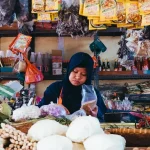
The small morning market near Jalan Raya Canggu operates daily from about 5am to 9am and is primarily a local food and produce market — not a tourist shopping destination. But it’s worth a walk through for fresh tropical fruit and a genuine glimpse of daily Balinese commerce before the café crowd arrives.
Where to Stay in Canggu by Budget
Budget (IDR 200,000–450,000 per night)
Guesthouses and surf camps are concentrated around Echo Beach and the quieter lanes off Batu Bolong. Dorms at established surf camps run IDR 150,000–200,000. Private rooms in family-run guesthouses cost IDR 250,000–400,000 and usually include a simple breakfast. You won’t have a pool, but you’ll be among the surf community and close to the best breaks.
Mid-Range (IDR 450,000–1,200,000 per night)
This is the sweet spot in Canggu. A solid mid-range villa or boutique hotel gets you a private pool, air conditioning, daily breakfast, and a genuinely stylish room. Berawa and Pererenan have the best concentration of this tier in 2026. Look for properties set back slightly from the main roads — you trade five minutes of walking for dramatically better sleep quality.
Luxury (IDR 1,500,000–5,000,000+ per night)
Private villa complexes dominate Canggu’s luxury tier. A two-bedroom private villa with staff, pool, and kitchen typically runs IDR 2,000,000–4,000,000 per night and makes considerably more sense if you’re traveling with two or more people splitting the cost. Berawa has the highest concentration of genuinely luxurious private villas.
When to Visit Canggu
Bali’s dry season runs May through October and covers Canggu’s best surf and weather conditions. July and August are the absolute peak — accommodation prices inflate by 30–50%, popular cafés have queues, and the beaches are at their most crowded. If you want dry season conditions without peak crowds, aim for May–June or September–October.
The wet season (November through March) brings afternoon rain, flatter surf at some breaks, and significantly cheaper accommodation. Canggu during the wet season is not the miserable experience people fear — mornings are often clear and beautiful, and the lower crowd density is a genuine improvement to daily life. February is the wettest and least comfortable month.
Nyepi (Balinese New Year, falling in March) means Bali shuts down completely for 24 hours — no leaving your accommodation, no noise, no lights visible from outside. It’s a remarkable cultural experience but requires planning: stock food in advance and book accommodation that allows guests to stay in.
Galungan and Kuningan (celebrating ancestral spirits returning to earth) see Canggu’s streets lined with penjor — tall bamboo poles decorated with offerings. If your dates align, this is one of the most visually beautiful periods to be in Bali.
Practical Tips for Canggu in 2026
- Bali Tourist Levy: The IDR 150,000 international visitor levy introduced in 2024 remains in effect in 2026. Pay online at lovebali.baliprov.go.id before arrival or at the airport kiosk. Keep your receipt — you may be asked to show it.
- SIM Cards: Buy a Telkomsel or XL SIM at the airport arrivals hall. Telkomsel has the strongest coverage across Bali. A 30-day data package with 30GB runs approximately IDR 100,000–150,000 in 2026.
- Water: Do not drink tap water. Bottled water (600ml) costs IDR 5,000 at minimarts. Most mid-range and above accommodations provide filtered drinking water refill stations — use them to reduce plastic waste.
- Dress codes at temples: If you visit any temple — including Tanah Lot on a day trip — you need a sarong and sash. These are always available for rent or loan at the entrance for IDR 10,000–20,000.
- Safety: Canggu is generally safe. Petty theft from bags on scooters (bag snatching) happens occasionally on busier roads — keep bags on the side away from traffic. Most cafés and accommodations have in-room safes; use them for passports and cash.
- Tipping: Not mandatory but genuinely appreciated. IDR 10,000–20,000 for warung meals, IDR 50,000 for a driver who’s done a great job, 10% at sit-down restaurants that don’t already include a service charge.
What Canggu Actually Costs: 2026 Budget Breakdown
These are realistic daily budgets for one person, covering accommodation, food, transport, and basic activities.
Budget Traveler — IDR 350,000–600,000 per day
- Guesthouse dorm or basic private room: IDR 150,000–250,000
- Warung meals (3x): IDR 80,000–120,000
- Scooter rental: IDR 80,000
- Coffees and snacks: IDR 40,000–60,000
- One surf session or local activity: IDR 50,000–100,000
Mid-Range Traveler — IDR 750,000–1,500,000 per day
- Boutique guesthouse or private villa room: IDR 450,000–800,000
- Mix of warungs and cafés: IDR 150,000–250,000
- Gojek/Grab transport: IDR 50,000–100,000
- Surf lessons or spa session: IDR 150,000–350,000
- One or two specialty coffees: IDR 80,000–120,000
Comfortable Traveler — IDR 2,000,000–5,000,000+ per day
- Private villa with pool: IDR 1,500,000–4,000,000
- Restaurant meals and beach club minimums: IDR 300,000–600,000
- Private driver for the day: IDR 400,000–600,000
- Spa, private surf coaching, yoga classes: IDR 300,000–700,000
Frequently Asked Questions
Is Canggu good for beginner surfers?
Yes. Batu Bolong Beach and Old Man’s both have consistent, forgiving waves that suit beginners. Surf schools line the beach and lesson quality has improved significantly in recent years. The breaks get crowded by mid-morning — book an early session starting at 7am for better waves and fewer people sharing them.
Is Canggu suitable for families with children?
It works better for families with older children (10+) who are into surfing or active holidays. The beaches have strong currents and are not calm swimming beaches like Sanur or Nusa Dua. The nightlife zone is easy to avoid, and the café culture is child-tolerant rather than child-focused. Traffic on the main roads requires careful management with young kids.
How far is Canggu from Seminyak and Kuta?
Seminyak is approximately 6–8 kilometres south of Batu Bolong and takes 15–25 minutes by scooter or Gojek depending on traffic. Kuta is about 12–15 kilometres and 25–40 minutes. Both are common day or evening trips — you can move between them easily, though the Seminyak–Canggu corridor gets congested from late afternoon onward.
Do I need a visa to visit Bali and Canggu as a tourist in 2026?
Citizens of 87 countries qualify for a free 30-day Visa on Arrival that can be extended once to 60 days total. The Bali Tourist Levy (IDR 150,000) is separate from the visa and is mandatory for all international visitors. Check Indonesia’s current visa regulations before travel as policies have been updated multiple times since 2024.
Is Canggu expensive compared to the rest of Bali?
Yes, relative to most of Bali. Canggu consistently ranks among the most expensive areas on the island alongside Seminyak and parts of Ubud. Café prices, accommodation, and beach club costs run 20–40% higher than equivalent experiences in Sanur or Lovina. That said, cheap warung food and budget guesthouses still exist — you simply have to seek them out more deliberately.
Explore more
How to Get Around Bali: Your Complete Guide to Local Transport Options
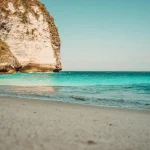
📷 Featured image by Matthew Stephenson on Unsplash.