On this page
- Understanding the Orangutans — What You’ll Actually See in the Wild
- Choosing Your Trek — Half-Day, Full-Day, and Multi-Day Options Compared
- Finding a Reputable Guide — What to Look For and Who to Avoid
- What to Expect on Trek Day — Hour-by-Hour Reality
- Where to Eat in Bukit Lawang — Specific Warung, Cafes, and Night Stalls
- Getting to Bukit Lawang — From Medan and Beyond in 2026
- Where to Stay — Jungle Guesthouses by Budget Tier
- Responsible Trekking Rules — What the Park Enforces in 2026
- Beyond the Orangutans — Other Wildlife and Jungle Experiences
- Best Time to Visit — Dry Season, Wet Season, and What They Mean for Trekking
- Budget Breakdown — Daily Costs in IDR for 2026
- Frequently Asked Questions
💰 Click here to see Indonesia Budget Breakdown
💰 Prices updated: September, 2026. Budget figures are estimates — always verify before travel.
Exchange Rate: $1 USD = Rp17,928.47
Daily Budget (per person)
Shoestring: Rp358,569 – Rp896,424 ($20.00 – $50.00)
Mid-range: Rp1,254,993 – Rp2,689,271 ($70.00 – $150.00)
Comfortable: Rp2,689,271 – Rp4,482,118 ($150.00 – $250.00)
Accommodation (per night)
Hostel/guesthouse: Rp71,714 – Rp179,285 ($4.00 – $10.00)
Mid-range hotel: Rp448,212 – Rp896,424 ($25.00 – $50.00)
Food (per meal)
Budget meal: Rp26,893.00 ($1.50)
Mid-range meal: Rp143,428.00 ($8.00)
Upscale meal: Rp537,854.00 ($30.00)
Transport
Single metro/bus trip: Rp3,500.00 ($0.20)
Monthly transport pass: Rp200,000.00 ($11.16)
Bukit Lawang draws travelers with a promise that almost sounds too good: wild Sumatran orangutans in a functioning rainforest, reachable from Medan in a few hours. The promise is real, but the experience in 2026 has layers that most travel blogs skip. Over-tourism pressure, unofficial guides operating without licenses, and outdated park fee information circulating online have left plenty of visitors frustrated before they even set foot on the trail. This guide cuts through that noise and gives you what you actually need to plan a jungle encounter that respects the wildlife and rewards your effort.
Understanding the Orangutans — What You’ll Actually See in the Wild
Bukit Lawang sits on the eastern edge of Gunung Leuser National Park, one of the last places on Earth where Sumatran orangutans (Pongo abelii) live in a semi-wild state. The population here is partly descended from a rehabilitation center that operated until the 1990s, which means some older individuals are accustomed to human presence. Their offspring, however, are increasingly wild and behave accordingly — keeping distance, moving fast through the canopy, and not performing for cameras.
What you might realistically see: a mother and infant moving slowly through the fig trees, a large flanged male — those impressive cheek pads are called flanges — calling across the valley in the early morning, or a juvenile practicing nest-building alone in the branches. The rainforest here also holds Thomas’s leaf monkeys with their striking black-and-white markings, Sumatran gibbons whose calls roll through the mist before dawn, and sun bears if you’re very lucky. Hornbills are common overhead. Seeing a Sumatran tiger is extraordinarily rare and should not be an expectation.
The key sensory reality nobody warns you about: the forest is thick, humid, and loud in ways that feel overwhelming at first. The smell of decomposing leaves and wet earth hits you immediately on the trail, layered under sudden wafts of wild fruit when orangutans are feeding nearby. Your guide will hear and spot them long before you will.
Choosing Your Trek — Half-Day, Full-Day, and Multi-Day Options Compared
Gunung Leuser National Park requires all trekkers to be accompanied by a licensed guide. There is no self-guided trekking option. Beyond that rule, the main variable is how long you go in.
Half-Day Trek (3–4 Hours)
This covers the trails closest to the park entrance near the river. Orangutan sightings are possible but less likely than on longer routes, simply because more visitors pass through this zone and the animals have learned to move deeper. Best for travelers with mobility limitations or those connecting to another destination the same day. Cost in 2026 typically runs IDR 350,000–500,000 per person including guide fee.
Full-Day Trek (6–8 Hours)
The sweet spot for most visitors. You move deep enough into the park that wildlife encounters feel genuinely wild rather than managed. Lunch is usually prepared on-site by your guide using portable gear — expect rice, fried egg, tempe, and jungle greens wrapped in banana leaf. Budget IDR 550,000–750,000 per person, guide included.
Multi-Day Jungle Trek (2–4 Nights)
This is for people who want the full experience: camping in the forest, night sounds, dawn primate calls, and the cumulative reward of going deeper than day-trippers can reach. You sleep in simple tarp camps built by your guide team. The physical demand is real — steep, muddy trails, river crossings, no facilities. Costs range from IDR 1,200,000–2,000,000 per person per day, all-inclusive. Minimum fitness level: you should be comfortable hiking 15+ kilometres on uneven terrain.
Finding a Reputable Guide — What to Look For and Who to Avoid
This is where many Bukit Lawang trips go wrong. The village has no shortage of men offering guide services outside the official registration system. Some are genuinely skilled naturalists who simply haven’t renewed paperwork. Others are completely unqualified and will get you lost, misidentify species, or worse, engage in behavior that stresses the orangutans — like trying to touch them or feeding them.
Licensed guides carry a Surat Keterangan Pemandu issued by the national park authority (TNGL — Taman Nasional Gunung Leuser). Ask to see it. The Eco Tourism Operators of Bukit Lawang (ETOB) association maintains a vetted list; their office is on the main path into the village, identifiable by a green-and-brown signboard. Booking through your guesthouse is often reliable because established accommodation providers know their local reputation depends on guide quality.
Red flags: a guide who approaches you at the bus drop-off and pressures you to book immediately; quotes significantly below the price ranges above (undercutting usually means corners are cut); anyone who suggests you can feed orangutans fruit “just once” — this is both illegal and genuinely harmful to the animals’ behavior.
What to Expect on Trek Day — Hour-by-Hour Reality
Most treks depart between 08:00 and 09:00. Your guide registers your group at the park entrance, you pay the national park entry fee (IDR 150,000 for foreign visitors in 2026, up from IDR 100,000 in 2024 following a fee revision), and then you cross the suspension bridge over the Bahorok River into the forest.
The first hour is the steepest. The trail climbs sharply away from the riverbank through secondary forest. This is where the sweat really starts — humidity sits around 80–90% even in the dry season. Wear synthetic, quick-dry clothing. Cotton is miserable here.
By the second hour you’re in primary forest. The canopy closes overhead and the temperature drops a few degrees. Your guide will stop frequently, listening. If orangutans are in the area, you’ll often hear crashing in the canopy before you see anything.
When an encounter happens, your guide will signal you to stop and be still. The standard rule is a minimum 7-metre distance from any orangutan — enforced by both the guide and park rangers who conduct spot checks on the trail. The animals sometimes close that distance themselves, especially curious juveniles. The protocol is to back away, not to hold your ground.
Afternoon treks tend to produce fewer sightings because orangutans build their nests and rest from around 14:00. Many experienced guides time the return to arrive back at the river by 15:30–16:00, when the light is still good and the river crossing feels refreshing rather than cold.
Where to Eat in Bukit Lawang — Specific Warung, Cafes, and Night Stalls
Bukit Lawang is a small village and the food scene reflects that — it’s not Medan, but it punches above its weight for a jungle outpost of this size.
Warung Kita, near the main bridge, serves the most consistently good nasi campur in the village. The owner sets out four or five rotating dishes from around 09:00, and by 12:00 the best options are gone. Rice piled with braised jackfruit, fried catfish, and sambal that genuinely smells of toasted chili — the kind of lunch that carries you through an afternoon on the trail.
Rainforest Restaurant, attached to one of the older guesthouses on the hillside, has a terrace overlooking the river and serves Western-leaning food (pasta, banana pancakes) alongside Indonesian standards. The mie goreng here is heavier and oilier than street versions but satisfying after a long day. They also do fresh fruit juices from local papaya and pineapple.

For evenings, the informal night stalls that set up near the village entrance from around 18:00 are the best value. Bakso (meatball soup), martabak (stuffed pancake), and grilled corn appear alongside small tables and plastic stools. Prices are honest — a full meal costs IDR 20,000–35,000.
A note on drinking water: do not drink tap water. Most warung sell bottled water (IDR 5,000–8,000 for 600ml) and all guesthouses provide either bottled or filtered water. Carry at least 2 litres on any trek.
Getting to Bukit Lawang — From Medan and Beyond in 2026
Bukit Lawang lies approximately 85 kilometres northwest of Medan, Sumatra’s largest city. The journey by road takes 2.5–3.5 hours depending on traffic, which is the real variable — Medan’s outbound traffic on weekend mornings can add 45 minutes before you even reach the toll road.
The most practical option for most travelers is a shared tourist shuttle from Medan, operating from several hostels and guest house hubs around Jalan Hang Tuah and the Merdeka Walk area. These run once or twice daily and cost IDR 80,000–120,000 per person. Booking a day in advance is reliable; turning up on the same morning works on weekdays but is risky on weekends when seats fill.
Private car hire from Medan runs IDR 350,000–500,000 for the vehicle (not per person), and gives you the flexibility to stop at Bukit Lawang’s local market or the viewpoint above the valley. It makes sense for groups of three or more.
From Medan’s Kualanamu International Airport, there is no direct shuttle to Bukit Lawang. The standard route is Kualanamu to central Medan by Kualanamu Commuter Line (IDR 12,000, 30–40 minutes — this rail link has been running reliably since its upgrade in early 2025), then catch the tourist shuttle from central Medan.
There is no train or direct bus from outside Sumatra. Travelers arriving from Penang by ferry or from Kuala Lumpur via budget airline all funnel through Medan first. Allocate half a day of buffer in Medan for connections.
Where to Stay — Jungle Guesthouses by Budget Tier
Accommodation in Bukit Lawang is uniformly simple. No property here has air conditioning in the rooms — the elevation and river breeze make it unnecessary. What you’re paying for is proximity to the trail, quality of the river view, and whether the guesthouse has a reliable generator for evening power.
Budget (IDR 100,000–200,000 per night)
Basic bamboo or timber bungalows, shared bathrooms, cold-water mandi. Several line the riverbank north of the main bridge. They’re functional and the river sounds are free. Expect thin walls and early-morning roosters.
Mid-Range (IDR 250,000–450,000 per night)
Private bathroom, better mattress, a small terrace. Properties like Ecolodge Bukit Lawang and Garden Inn sit on the hillside with clear jungle views and slightly more reliable WiFi (still limited — download your maps offline before arriving).
Comfortable (IDR 500,000–900,000 per night)
The upper tier here still isn’t luxury by any global standard, but it means more space, hot water, better linens, and staff who can arrange guide bookings and transport without confusion. Jungle Inn is consistently recommended in this tier for its management reliability.
Responsible Trekking Rules — What the Park Enforces in 2026
Gunung Leuser National Park updated its visitor code of conduct in late 2024, and rangers now conduct trail inspections regularly, particularly on routes within 5 kilometres of the entrance. These are the rules that have real consequences if broken:
- No feeding wildlife — any wildlife, including monkeys. Fines start at IDR 500,000 and guides can lose their license.
- Minimum 7-metre distance from all primates. If an animal approaches closer, you move back.
- No flash photography. Cameras on silent mode. Phones on silent.
- No single-use plastic inside the park. Bring a reusable water bottle. Rangers have been issuing IDR 150,000 fines for plastic bottles since January 2025.
- No smoking on the trail.
- Carry out all waste. Your guide carries a bag for this — add your own rubbish to it.
These rules exist because Bukit Lawang spent years recovering from the catastrophic 2003 flash flood that destroyed much of the village and disrupted orangutan habitats. The current protections are genuine progress. Take them seriously.
Beyond the Orangutans — Other Wildlife and Jungle Experiences
The pressure to see orangutans can make visitors overlook everything else in one of Southeast Asia’s most biodiverse ecosystems. A full-day trek that doesn’t produce an orangutan encounter is still a full day in a Sumatran rainforest — which is extraordinary.
Thomas’s leaf monkeys are frequently seen in the canopy and are more reliably present near the trail edges than orangutans. Their black-and-white markings and mohawk crests make them instantly recognizable. Pig-tailed macaques travel in large, noisy groups and are a constant presence near the forest edge.
The Bahorok River offers tubing — floating downstream on inflated inner tubes through the jungle corridor. This has become popular enough that you can arrange it at the village without booking in advance. It costs IDR 30,000–50,000 for tube rental and takes about 45 minutes from the launch point back to the village.

Bat cave visits are possible as an add-on — a limestone cave system about 2 kilometres from the main village is home to thousands of cave-roosting bats. Guides charge IDR 100,000–150,000 for this additional excursion. The exit flight of bats at dusk, when the cloud of wings pours out of the cave mouth against an orange sky, is one of the most underrated sights in North Sumatra.
Best Time to Visit — Dry Season, Wet Season, and What They Mean for Trekking
North Sumatra doesn’t have a perfect dry season. Rain can and does fall year-round in the Bahorok valley. That said, the drier months — generally April through September — produce trails that are muddy but manageable rather than genuinely dangerous. Orangutan sightings are also reportedly better in dry months, likely because animals move more and feed in more visible locations.
October through March brings heavier rainfall and the risk of flash flooding in the river. The 2003 flood remains a real reference point for locals. If you’re trekking in the wet season, confirm river levels with your guesthouse before departing. Multi-day camps require experienced guides during this period — do not attempt them with anyone whose experience you can’t verify.
Peak visitor periods are July–August (European summer) and the weeks around Indonesian national holidays, particularly Idul Fitri. During these windows, guides book out days in advance and guesthouse prices rise by 20–40%. Book everything at least a week ahead if you’re traveling in peak season.
The shoulder months of April–May and September–October are the locals’ recommendation for a reason: trails are quieter, guides are more available, and afternoon light in the forest in May has a quality that’s difficult to describe without sounding sentimental about it.
Budget Breakdown — Daily Costs in IDR for 2026
The following are realistic daily costs for a traveler who has already arrived in Bukit Lawang, not including transport to get there.
Budget Traveler
- Accommodation: IDR 120,000–180,000
- Food (3 meals at warung + snacks): IDR 60,000–90,000
- Half-day trek with guide: IDR 350,000–400,000
- Water + incidentals: IDR 30,000
- Total: approximately IDR 560,000–700,000 per day
Mid-Range Traveler
- Accommodation: IDR 300,000–400,000
- Food (mix of warung and guesthouse restaurant): IDR 100,000–150,000
- Full-day trek with guide: IDR 600,000–700,000
- Park entry fee: IDR 150,000
- Extras (tubing, bat cave): IDR 80,000–120,000
- Total: approximately IDR 1,230,000–1,520,000 per day
Comfortable Traveler

- Accommodation: IDR 650,000–900,000
- Food: IDR 200,000–300,000
- Multi-day trek (averaged per day): IDR 1,500,000–2,000,000
- Private guide (dedicated, not shared group): IDR 300,000–400,000 premium
- Total: approximately IDR 2,650,000–3,600,000 per day
Tipping is not mandatory in Bukit Lawang, but it is genuinely appreciated and represents a meaningful portion of guide income. IDR 50,000–100,000 per person for a half or full-day trek is the local benchmark for a tip that registers as respectful.
Frequently Asked Questions
Is it guaranteed that I’ll see orangutans at Bukit Lawang?
Nothing in wildlife is guaranteed, but Bukit Lawang has one of the highest reliable encounter rates of any orangutan trekking destination in the world. Full-day treks produce sightings the large majority of the time. Choosing a licensed guide and going deeper into the park rather than sticking to entrance-zone trails significantly improves your odds.
How physically demanding is the trekking at Bukit Lawang?
More demanding than most people expect. Trails are steep, often muddy, and the heat and humidity add real strain. A half-day trek suits moderate fitness levels. Full-day and multi-day treks require good baseline fitness, functional knees, and comfort with uneven terrain. Hiking poles help considerably on descent.
Is Bukit Lawang safe for solo female travelers?
Generally yes, with standard precautions. The village is small and tourist-facing, which creates a degree of informal oversight. Book your guide through a guesthouse rather than accepting approaches from strangers on arrival. Avoid walking the riverside paths alone after dark. Most female solo travelers report feeling comfortable here.
Can I visit Bukit Lawang as a day trip from Medan?
Technically yes, but it’s a poor choice. The travel time alone eats 5–7 hours of your day round-trip, leaving very little time for a meaningful trek. Staying one or two nights is the minimum that makes the journey worthwhile. The experience at dawn and dusk — sounds, light, atmosphere — is impossible to access as a day-tripper.
Do I need to book a guide in advance or can I arrange one on arrival?
In low season (October–March outside holidays), arriving and booking the next day is usually fine. In high season (July–August, national holiday periods), licensed guides fill up days ahead. Contact your guesthouse before arrival and ask them to confirm guide availability — most established properties can do this easily and it removes the risk of arriving without options.
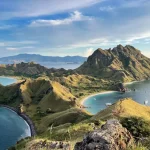
📷 Featured image by Ammar Andiko on Unsplash.