On this page
- Why Sumatra’s Food Scene Hits Differently
- The Padang Table: Eating Nasi Padang the Right Way
- Medan’s Street Food Labyrinth
- Acehnese Cuisine: The Bold North
- Batak Food Around Lake Toba
- Palembang’s Pempek Scene
- Coffee Culture Across Sumatra
- Night Markets & Morning Markets: Where Locals Actually Eat
- Spice Shopping & Culinary Souvenirs
- 2026 Budget Breakdown for Eating in Sumatra
- Practical Food Tips for Sumatra
- Frequently Asked Questions
💰 Click here to see Indonesia Budget Breakdown
💰 Prices updated: September, 2026. Budget figures are estimates — always verify before travel.
Exchange Rate: $1 USD = Rp17,928.47
Daily Budget (per person)
Shoestring: Rp358,569 – Rp896,424 ($20.00 – $50.00)
Mid-range: Rp1,254,993 – Rp2,689,271 ($70.00 – $150.00)
Comfortable: Rp2,689,271 – Rp4,482,118 ($150.00 – $250.00)
Accommodation (per night)
Hostel/guesthouse: Rp71,714 – Rp179,285 ($4.00 – $10.00)
Mid-range hotel: Rp448,212 – Rp896,424 ($25.00 – $50.00)
Food (per meal)
Budget meal: Rp26,893.00 ($1.50)
Mid-range meal: Rp143,428.00 ($8.00)
Upscale meal: Rp537,854.00 ($30.00)
Transport
Single metro/bus trip: Rp3,500.00 ($0.20)
Monthly transport pass: Rp200,000.00 ($11.16)
Sumatra has a food identity problem — but not the kind you’d expect. The problem is that most visitors only know rendang and nasi Padang, then leave thinking they’ve seen the whole picture. In 2026, with more direct international flights landing in Medan and Kualanamu International Airport’s expanded terminal finally operational, more travellers are arriving with time to explore. What they’re finding is an island with at least six distinct regional cuisines, a coffee belt that supplies half the world’s specialty roasters, and street food scenes that make Bali look like a airport food court. This guide cuts through the noise.
Why Sumatra’s Food Scene Hits Differently
The island stretches over 1,700 kilometres from Aceh’s northern tip to Lampung in the south. That distance matters. A dish that’s commonplace in Padang can be completely unrecognisable in Medan or Banda Aceh. Sumatra’s food is shaped by trade routes that brought Indian spices through the Strait of Malacca, Dutch colonists who left behind a love of strong coffee and fried snacks, and indigenous Batak, Minangkabau, Acehnese, and Malay communities who each developed entirely separate culinary traditions.
The flavours lean hard. Coconut milk appears in everything from curries to sweet drinks. Dried chillis, fresh bird’s eye chillis, and fermented chilli paste called sambal lado show up at almost every table. Fermented fish and shrimp paste underpin stocks and sauces in ways that are invisible until you try to replicate the dish at home and realise something is missing. Even the sweetness here is assertive — palm sugar, not refined white sugar, giving desserts a caramel-dark edge.
What’s changed in 2026 is accessibility. The Trans-Sumatra Highway has improved road connections between Medan, Padang, and Palembang, cutting overland journey times significantly. That means food travellers can now plan multi-city itineraries that were logistically painful just three years ago.
The Padang Table: Eating Nasi Padang the Right Way
Nasi Padang is probably Indonesia’s most famous meal, but eating it in Padang itself — in West Sumatra — is a completely different experience from eating it at a franchise outlet in Jakarta or Singapore. The city of Padang sits on the west coast, and the restaurant culture here operates on a system called hidang: you sit down, and within minutes the table fills with small dishes. You only pay for what you eat. Dishes you don’t touch go back to the kitchen and get served to the next table.
The smell hits you before you even sit down — the deep, oily sweetness of rendang that’s been cooking since early morning, the funky sharpness of fermented cassava leaves, and the coconut-milk richness of gulai brain curry. At Rumah Makan Pagi Sore on Jalan Pondok in central Padang, the rendang arrives genuinely black — cooked so long the coconut milk has fully absorbed and caramelised into the meat. Order the gulai kepala ikan (fish head curry) here. The fish is local; the sauce is volcanic.
Avoid the tourist-facing restaurants near the waterfront. The best nasi Padang in the city is found in the residential neighbourhoods of Lubuk Begalung and along Jalan Sudirman, where the clientele is almost entirely local and the dishes rotate daily based on what the market had that morning.
Medan’s Street Food Labyrinth
Medan is Sumatra’s largest city and one of Indonesia’s most underrated food destinations. The population is a mix of Batak, Malay, Chinese-Indonesian, Javanese, and Tamil communities, and every group has contributed something to the street food ecosystem. The result is a city where you can eat Hokkien-style noodles for breakfast, Batak pork ribs for lunch, and Indian Muslim biryani for dinner — all within a few kilometres of each other.
Jalan Semarang in central Medan is the address for Chinese-Indonesian street food after dark. The Mie Aceh stalls along this strip serve thick yellow noodles stir-fried with shrimp, crab, or mutton in a spiced broth that’s closer to a curry than a soup. It arrives fragrant — the wok breath, the hit of black pepper, the acidic brightness of a lime squeezed over the top at the last second.
Pasar Rame near the city centre is the place for breakfast. Get here before 8:00 AM. The nasi gurih stalls — coconut rice with fried anchovies, boiled egg, and cucumber — sell out fast. Just as important is the bika ambon, Medan’s signature honeycomb cake made from tapioca flour and coconut milk, which you’ll find sold by the tray on Jalan Mojopahit. The texture is unlike anything else: elastic and sticky, with small air pockets that collapse slightly as you chew.
For something more substantial, Tip Top Restaurant on Jalan Ahmad Yani has been operating since 1929 and still serves Dutch-colonial era ice cream sundaes alongside Malay rice dishes. It’s not a tourist gimmick — locals have been eating here for generations.

Acehnese Cuisine: The Bold North
Aceh sits at Sumatra’s northern tip and has been historically connected to the Arab spice trade longer than almost anywhere else in Southeast Asia. That heritage shows up in the food: dishes here use kapulaga (cardamom), bunga lawang (star anise), and dried turmeric in combinations that feel more Middle Eastern than anything you’ll find in central Java.
Mie Aceh is the region’s most exported dish, but eating it in Banda Aceh — especially at Mie Razali near Pasar Aceh — is categorically different from eating it elsewhere. The noodles are hand-pulled and thicker, the broth is darker and more complex, and the heat level is serious. The restaurant has been running for decades; the cook hasn’t changed the recipe once.
Kuah pliek u is less famous but arguably more interesting — a curry made from fermented coconut flesh with vegetables, typically served with rice and eaten as a communal meal. You’re unlikely to find it in restaurants outside Aceh. Ask at Pasar Aceh in the morning; some vendors sell it by the bowl to local workers.
Aceh is also the home of kopi Aceh drinking culture. Coffee here is drunk from small glasses, sometimes filtered through a cloth sock, and served with condensed milk stirred in. The caffeine hit is immediate and sustained. Warung kopi (coffee shops) open before sunrise and are packed by 6:00 AM.
Batak Food Around Lake Toba
Lake Toba is the world’s largest volcanic lake and the cultural heartland of the Batak people. The food here is the most distinctive in all of Sumatra — primarily because the Batak are predominantly Christian, which means pork is central to the cuisine in a way that’s rare across the rest of the island.
Arsik is the dish to understand here. It’s freshwater carp — usually from the lake itself — cooked in a broth of andaliman (a Batak pepper with a numbing, citrusy quality similar to Sichuan pepper), torch ginger, and kaffir lime. The fish absorbs the broth slowly; when it arrives at the table, the sauce has reduced to a thick, intensely aromatic coating. Eat it at Rumah Makan Sidikkalang in the lakeside town of Parapat, or at family-run warungs in Tomok on Samosir Island.
Saksang — pork or dog cooked in blood and spices — is served at traditional Batak ceremonies and in some local restaurants. It’s not for everyone, but understanding that it exists is part of understanding the food culture here. If you’re offered it as a guest at a Batak home, try a small portion. It’s an act of hospitality, not a tourist performance.
The andaliman pepper is worth taking home. It’s grown specifically in the Toba highlands and cannot be replicated by any substitute. Buy it fresh at the Pasar Pangururan market on Samosir Island — small, fragrant, greenish-red berries sold by the handful for a few thousand rupiah.
Palembang’s Pempek Scene
Palembang, South Sumatra’s capital, is the home of pempek — fish cakes made from tenggiri (Spanish mackerel) mixed with tapioca and deep-fried, then served in a dark, sharp, sweet-sour broth called cuka (vinegar sauce). Every Palembang local has an opinion on who makes the best version. This is not casual food discourse; this is near-religious conviction.
The best pempek in the city comes from family operations that have been running the same recipe for 30 or 40 years. Pempek Beringin on Jalan Jenderal Sudirman is the most consistently praised by locals. The kapal selam (literally “submarine”) variety — a large oval pempek with an egg cooked inside — is the one to order first. The cuka here is darker and more complex than what you’ll find in Jakarta versions: sharper vinegar, more palm sugar, dried shrimp ground directly into the liquid.
Pasar 16 Ilir, Palembang’s main traditional market, has a cluster of pempek vendors on its upper floor. Go between 7:00 AM and 10:00 AM when the fish cakes are freshest. You can also buy vacuum-sealed pempek here to carry home — they keep for several days unrefrigerated and are available at airports too, though the market price is significantly lower.
Coffee Culture Across Sumatra
Sumatra produces some of the world’s most distinctive coffee. The island is home to three major growing regions — Gayo (in Aceh), Mandheling (North Sumatra), and Lintong (near Lake Toba) — each producing beans with a heavy body, low acidity, and earthy, sometimes mushroomy depth that specialty roasters in Europe and North America pay serious prices for.
In Takengon, the highland town at the centre of the Gayo coffee belt, you can visit smallholder farms and watch the wet-hulling process (called giling basah) that gives Sumatran coffee its distinctive character. Several farms now offer guided visits; ask at the Takengon tourism office or your guesthouse. Drinking a cup of freshly processed Gayo coffee at a warung at 1,400 metres above sea level, with the mist still sitting on the hillsides at 7:00 AM, is a very specific kind of pleasure.

In Medan, the Warung Kopi Apek on Jalan Sei Deli has been serving Mandheling coffee the same way since 1949 — in small glasses, brewed in individual cloth filters, drunk quickly while it’s hot. In Padang, Kafe Sari near Pasar Raya serves Lintong beans as espresso. These aren’t Instagram cafes with latte art; they’re functional, busy, and genuinely good.
Night Markets & Morning Markets: Where Locals Actually Eat
The most honest version of Sumatran food exists at pasar malam (night markets) and pasar pagi (morning markets), not in restaurants. These are where locals eat before work, after work, and on weekends with their families.
In Medan, the Pasar Malam Glugur runs from about 6:00 PM until midnight. The BBQ section — whole fish, chicken wings, and lamb skewers grilled over coconut husk charcoal — sends smoke drifting across the entire block. The smell of charred skin and wood smoke mixes with the sweetness of martabak manis (stuffed pancake) being folded and cut nearby. Eat at the plastic tables, order by pointing, pay cash.
Padang’s Pasar Raya is most alive in the morning. By 6:30 AM the food section is running at full speed — lontong sayur (rice cakes in vegetable curry), fried rice, and various grilled things sold from carts and fold-out stalls. The market itself is a working produce and spice market; the food vendors cluster near the eastern entrance.
In Palembang, the evening market along Jalan Veteran is worth visiting for tekwan — a pempek-based soup with shrimp broth, glass noodles, and mushrooms that’s eaten more like a main meal than a snack.
Spice Shopping & Culinary Souvenirs
Sumatra is one of the few places left in the world where you can buy spices directly from the people who grew them. The following are worth seeking out as culinary souvenirs:
- Andaliman pepper — buy fresh at Pasar Pangururan on Samosir Island or dried at markets in Medan. IDR 20,000–50,000 per 100g.
- Gayo coffee beans — buy directly from cooperatives in Takengon or from specialty shops in Medan like Rumah Kopi Nusantara. IDR 80,000–200,000 per 250g for single-origin.
- Rendang paste — sold vacuum-packed at Pasar Raya in Padang. The paste versions travel better than cooked rendang. IDR 30,000–60,000 per packet.
- Bika ambon — Jalan Mojopahit in Medan is the dedicated street for this. Buy the day you plan to eat it; it dries out after 24–48 hours.
- Tempoyak — fermented durian paste, a speciality of Palembang and Lampung. Available at Pasar 16 Ilir. Pungent enough to require airtight packaging.
2026 Budget Breakdown for Eating in Sumatra
Food in Sumatra is still significantly cheaper than Bali or Jakarta in 2026, even with the general inflation affecting the rest of the country. Here’s a realistic picture of daily food costs:
- Budget tier — Eating exclusively at warungs, pasar malam, and food courts: IDR 50,000–100,000 per day covers three full meals and coffee. Nasi Padang at a local warung: IDR 15,000–25,000 per plate. A bowl of mie Aceh at a street stall: IDR 20,000–30,000.
- Mid-range tier — Mix of sit-down local restaurants and occasional café stops: IDR 150,000–300,000 per day. A full nasi Padang spread at a proper rumah makan: IDR 40,000–80,000. Specialty coffee at a good café: IDR 30,000–55,000 per cup.
- Comfortable tier — Dining at hotel restaurants, upscale local restaurants, and food tours: IDR 400,000–800,000 per day. Guided culinary experiences in Medan or Padang now run IDR 250,000–500,000 per person for half-day tours, a service that barely existed before 2024.
Note that alcohol is difficult to find outside tourist-facing bars in Medan and a handful of hotels. Budget accordingly if wine or beer is part of your travel routine — imported beer where available runs IDR 60,000–100,000 per bottle.
Practical Food Tips for Sumatra
A few things worth knowing before you eat your way across the island:
- Halal is the default — Outside Batak-majority areas around Lake Toba and some Chinese-Indonesian neighbourhoods in Medan, virtually all food is halal. Pork is easy to find in Tomok and Parapat; it’s essentially absent everywhere else.
- Heat levels are not negotiable — Sumatran food is hot by default. “Tidak pedas” (not spicy) will often result in a less-spicy version, not a mild one. If you have genuine chilli sensitivity, ask specifically for “sangat kurang pedas” and manage expectations.
- Drinking water — Tap water is not safe to drink anywhere in Sumatra. Buy bottled water (IDR 5,000–8,000 for 1.5 litres at convenience stores) or carry a filtered bottle. Ice in established restaurants is generally made from filtered water; ice from street carts is a gamble.
- Vegetarian and vegan eating — Genuinely difficult outside cities. Many dishes that appear vegetarian contain shrimp paste or anchovies in the base. In Medan and Padang, look for Chinese vegetarian (masakan vegetarian Cina) restaurants — these are fully plant-based and surprisingly common.
- Early hours — The best food often runs out by mid-morning. Pasar pagi vendors are typically gone by 10:00 AM. Street food restarts around 5:00 PM. There’s a genuine mid-afternoon gap in food availability in smaller cities.
- Payment — Cash dominates at street food level. Larger restaurants in Medan and Padang accept QRIS payments (the national QR standard). GoPay and OVO are widely used. Physical cash in IDR is essential for markets.
Frequently Asked Questions
What is the most famous food from Sumatra?
Rendang from West Sumatra is Sumatra’s most internationally recognised dish — slow-cooked beef in coconut milk and spices until the liquid fully reduces. Eating it in Padang, where it originates, is categorically different from versions found outside Indonesia. Pempek from Palembang and mie Aceh from Aceh are equally significant within the island itself.
Is Sumatran food very spicy?
Yes, generally. Sumatran cuisine — especially Minangkabau (Padang) and Acehnese food — uses fresh and dried chillis heavily. Heat is built into most dishes by default. You can request reduced spice levels, but the baseline is significantly hotter than most Southeast Asian cuisines. Batak food around Lake Toba tends to be more aromatic than purely hot.
Where is the best place to eat in Sumatra?
Medan is Sumatra’s most diverse food city, with Chinese-Indonesian, Batak, Malay, and Indian Muslim cuisines all active and easily accessible. Padang is essential for nasi Padang at its source. Palembang is unmissable for pempek. Each city covers different culinary ground — a complete Sumatra food trip should include at least two of the three.
Can vegetarians eat well in Sumatra?
It requires effort. Most Sumatran dishes contain meat, fish, or shrimp paste. In Medan, Chinese vegetarian restaurants offer fully plant-based menus. In Padang, some dishes like sayur daun singkong (cassava leaf) are vegetarian in themselves but cooked alongside meat stock in many warungs. Communicating dietary needs clearly and finding specific vegetarian establishments is the most reliable strategy.
What Sumatran food can I bring home?
The most practical culinary souvenirs are dried andaliman pepper (unique to the Toba highlands), vacuum-sealed rendang paste from Padang markets, single-origin Gayo or Mandheling coffee beans from Medan or Takengon, and commercially packaged pempek from Palembang’s airport or Pasar 16 Ilir. Check your home country’s import rules for meat-based products before packing cooked rendang.
Explore more
Where to Party in Sumatra: Your Guide to Island Nightlife Hotspots
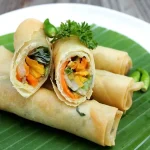
📷 Featured image by Rokhmadi Teguh Yuwono on Unsplash.