On this page
- The Short Answer: How Safe Hari Raya Really Is
- Hari Raya 2026: Dates and What Changes Day by Day
- Mudik Transport Safety: Roads, Rails and Airports
- Crowds, Petty Crime and Scams
- Heat, Fasting Season and Food Safety
- Customs That Keep You Respectful and Welcome
- Regional Differences: Java, Bali, Sumatra and Beyond
- 2026 Budget Reality
- Quick Safety Checklist
- Frequently Asked Questions
Every year, travellers book a trip to Indonesia, then realise their dates land on Lebaran. Then they worry: will everything be closed, will transport be dangerous, and will they be in the way? The honest answer for 2026 is that Hari Raya is safe for visitors, but it is the most logistically demanding week of the Indonesian year. Here is what actually matters.
The Short Answer: How Safe Hari Raya Really Is
Hari Raya, called Lebaran or Idul Fitri in Indonesia, marks the end of Ramadan. It is a family holiday, not a risky one. Violent crime against tourists is rare during this period, and police and military are visible at stations, airports, toll gates and mosques.
The real dangers are ordinary ones: road accidents, packed transport, pickpockets in crowds, and heat. Terrorism is a low-probability risk in Indonesia, and security is tighter during the holiday. Check your government’s latest travel advisory before you fly, as you would for any trip.
Hari Raya 2026: Dates and What Changes Day by Day
Eid al-Fitr 2026 is expected around 20 to 21 March. The exact date depends on moon sighting and the government’s announcement. Muhammadiyah, a large Islamic organisation, and the government sometimes differ by a day. Official collective leave (cuti bersama) usually stretches the holiday to a week or more.
In 2026, Nyepi, Bali’s Day of Silence, falls only days before Eid. That is unusual, and it affects anyone moving between Bali and Java.
- About 7 to 10 days before: Mudik begins. Millions leave Jakarta and other big cities for home villages.
- Night before Eid: Takbiran. Drums, chanting and sometimes fireworks echo from mosques until late.
- Eid morning: Prayers in mosques and open fields, then family visits and forgiveness rituals.
- Days 2 to 5: Domestic tourism peaks. Attractions, beaches and toll roads fill up.
- Return flow (arus balik): Another surge back to the cities.
Mudik Transport Safety: Roads, Rails and Airports
Mudik is one of the largest annual human migrations on Earth. Tens of millions of people travel at once. Transport is where you face the most risk and the most stress.
Roads
Traffic accidents are the leading danger. Fatigue, motorbike overloading and long toll-road drives cause most of them. The Trans-Java toll road now links almost the entire island, but during peak days police use contraflow and one-way systems, so a 3-hour drive can take 10. If you rent a car, avoid driving at night and take breaks at rest areas, which fill up fast. Hiring a driver is often safer than driving yourself.

Trains
Trains are the safest long-distance option on Java. Tickets for long-distance routes sell out weeks ahead, often as soon as they open 45 days before departure. The Whoosh high-speed train between Jakarta and Bandung and the Jabodebek LRT help ease pressure on commuter routes. Book through the official KAI app.
Flights and ferries
Domestic flights sell out and prices climb. Delays are common on peak days, so avoid tight connections. Ferries, such as those between Java and Bali or to Sumatra, can have long queues and crowded decks. Wear a life jacket if the crew offers one, and avoid travelling on overloaded boats.
Crowds, Petty Crime and Scams
Crowds are the main driver of petty crime. Train stations, bus terminals, malls and tourist spots like Yogyakarta’s Malioboro Street become packed. Pickpockets and bag snatchers work in those conditions, especially on motorbikes in cities.
- Carry your phone in a front pocket or a zipped cross-body bag.
- Keep only one day’s cash on you. Leave passports in your hotel safe and carry a photo copy.
- Use Grab or Gojek instead of unmarked taxis. Check the plate number before getting in.
- Be careful when someone offers a “special holiday price” for a tour or ticket. Prices do rise, but verify with your hotel first.
- Do not accept drinks or food from strangers who approach you at transport hubs.
Fake “Eid donation” requests do happen. Real charity (zakat) is arranged through mosques and organisations, not strangers asking tourists for cash.
Heat, Fasting Season and Food Safety
Lebaran in March falls near the end of the rainy season. Expect heat around 30 to 33°C, high humidity and sudden afternoon downpours. Long waits in queues, on ferry decks or in stuck traffic can cause dehydration. Carry water at all times and rest in the shade.
Food is a pleasure during Hari Raya. The smell of coconut milk, lemongrass and galangal drifts from kitchens as families cook opor ayam, rendang and ketupat, rice cooked in woven palm-leaf pouches. If someone invites you in, you will likely be fed generously, and this is usually safe. Just use common sense. Choose food that is freshly cooked and served hot, and be careful with ice from unknown sources. Bring basic medicine for stomach upsets, since many pharmacies close for a few days.

Customs That Keep You Respectful and Welcome
Safety also means avoiding misunderstandings. A few habits go a long way:
- Greetings: Say “Selamat Hari Raya” or “Mohon maaf lahir dan batin” (please forgive me, inside and out). Hearing it from a foreigner makes people smile.
- Dress: Cover shoulders and knees, especially when visiting villages or mosques.
- Homes: Remove your shoes at the door. Use your right hand to eat and to give or receive anything.
- Photos: Ask before photographing people praying or families at home.
- Gifts: If invited, a box of pastries or fruit is welcome. Do not bring alcohol or pork products.
Eating in front of fasting people is no longer an issue after Eid, but the week before it is still polite to be discreet in conservative areas.
Regional Differences: Java, Bali, Sumatra and Beyond
Java: Jakarta feels strangely quiet and easy to move around in, as millions leave. Central Java and Yogyakarta become very crowded with returning families and domestic tourists. Bali: Mostly Hindu, so daily life continues. Expect more visitors from other islands. With Nyepi coming just before Eid in 2026, plan your Bali dates carefully, because the airport closes for 24 hours and everyone must stay indoors.
Sumatra: West Sumatra, the Minangkabau homeland, is lively with family gatherings and heavy traffic. In Aceh, which follows sharia-based local rules, dress conservatively and follow local rules more closely. Sulawesi, Lombok and Eastern Indonesia: Many communities celebrate with big family meals and visits. Smaller towns may have limited transport for a few days, so book ahead.
2026 Budget Reality
Holiday demand pushes prices up. These are typical peak-week ranges, and they vary by city and how early you book.
- Budget: Hostel or basic guesthouse Rp 250,000–450,000 per night. Economy train seats Rp 150,000–350,000 on shorter Java routes. Warung meals Rp 20,000–40,000.
- Mid-range: Three-star hotel Rp 600,000–1,200,000 per night. Executive train class Java long-distance Rp 400,000–700,000. Domestic flights Rp 1,200,000–2,500,000. Restaurant meals Rp 60,000–120,000.
- Comfortable: Four- or five-star hotel Rp 1,800,000–4,000,000+ per night. Private driver with car Rp 900,000–1,500,000 per day. Last-minute peak flights Rp 2,500,000–4,000,000. Dinner Rp 200,000–400,000.
Ride-hailing surge pricing can double short trips on Eid day. Keep some cash too. QRIS digital payment works in most places, but small vendors and village shops may have network problems.

Quick Safety Checklist
- Book hotels and long-distance transport at least 4 to 8 weeks ahead.
- Avoid travelling on the peak days before and after Eid if you can.
- Save emergency numbers: 112 (general emergency), 110 (police), 118 or 119 (ambulance).
- Buy travel insurance that covers medical care, delays and motorbike use if you ride.
- Keep a stock of water, snacks, cash and medicine in case shops close.
- Register your trip with your embassy if it offers that service.
Frequently Asked Questions
Is Indonesia safe for tourists during Eid al-Fitr?
Yes, for most travellers. Violent crime against tourists is rare, and police presence increases during Lebaran. The real risks are traffic accidents, crowded transport, petty theft and heat.
Are shops and restaurants closed during Hari Raya?
Many local shops, warung and small businesses close for two to five days around Lebaran, especially in Java and Sumatra, because owners travel home. Malls, hotels, convenience stores and tourist-area restaurants usually stay open, often with shorter hours. Keep some snacks, cash and your hotel’s contact number as backup.
Should I avoid travelling on the days right before and after Lebaran?
If you can, yes. The peak mudik rush usually covers about three days before and three days after Eid, when toll roads, trains and airports are heaviest. Travelling a week earlier or staying put during the peak is safer, cheaper and far less stressful, especially on Java.
Can non-Muslim visitors join Lebaran celebrations?
Yes. Indonesians are famously welcoming, and many will invite you for ketupat and opor ayam. Accept with your right hand, dress modestly, and say “Selamat Hari Raya” or “Mohon maaf lahir dan batin.” Ask before taking photos of prayers, and remove your shoes when entering homes or mosques.
Is Bali safe and open during Hari Raya?
Bali is safe and mostly operates normally, since most Balinese are Hindu. Expect more domestic tourists, higher prices and busier roads. In 2026, Nyepi falls just before Eid, so check the calendar: during Nyepi the island shuts down for 24 hours, including the airport, and you must stay in your accommodation.
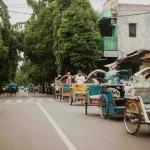
📷 Featured image by Eyestetix Studio on Unsplash.