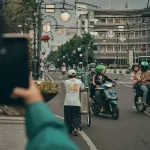
Many travellers in 2026 skip November because they fear a month of grey skies and ruined plans. The reality is different. Indonesia’s wet season builds slowly, rice fields turn a bright, almost glowing green, and prices drop before the December holiday rush. With some planning, November is one of the best-value months to visit.
What “Green Season” Really Means in November 2026
Indonesia sits on the equator, so there is no winter. There is a dry season and a wet season, and November is the transition for much of the country. In Java, Bali, Lombok and parts of Sumatra, the rains usually start picking up between October and December. They then peak in the following months.
Rain in November rarely means all-day drizzle. It usually arrives as a heavy burst in the afternoon or evening and clears within an hour or two. Mornings are often bright and clear. Temperatures in the lowlands stay around 26–32°C with high humidity, and the highlands are much cooler.
Rain patterns have become harder to predict in recent years. Some years the wet season starts early, and other years it arrives late. Treat any forecast as a guide, not a promise, and check the national weather agency, BMKG, for current conditions before you travel.
Where the Rain Falls: A Regional Breakdown
Indonesia is huge, so November weather varies a lot from island to island.
- Bali and Lombok: The rains build through the month. Expect a mix of sunny mornings and stormy afternoons, with the Gili Islands and southern Lombok often a little drier than the Bali highlands.
- Java: Yogyakarta, Bandung and Malang get frequent afternoon rain. Jakarta has a long history of flooding in the wet season, so keep your schedule flexible there.
- Sumatra: Northern and western areas, including Lake Toba and Bukit Lawang, tend to be wet around this time of year. Forests are lush, but trekking tracks get muddy.
- Maluku, Banda and Raja Ampat: These eastern regions follow a different pattern from Java and Bali. Conditions are generally calmer for diving and island-hopping at this time of year, though weather can still change quickly.
- Komodo and Flores: This is late dry season, so it is hot and the landscape can still look brown. Greenery returns as the rains arrive.
If you want guaranteed sunshine, head east. If you want deep green scenery and fewer people, stay in Java, Bali or Sumatra and accept some rain.

The Greenest Places to Be This Month
Bali’s Rice Terraces
As the paddies fill with water and young shoots, the terraces around Ubud and in central and north Bali look their best. Walk early, before the heat builds. After a night of rain the air smells of wet earth and frangipani, and the only sounds are frogs, flowing water and distant gamelan from a village temple.
Java’s Highlands
The Dieng Plateau, the tea country around Puncak and Bandung, and the slopes near Malang turn deep green in the wet season. Cloud often sits low over the hills. This looks moody and beautiful, though sunrise views at famous viewpoints can be hidden by fog. Go for the atmosphere, not a perfect photo.
Sumatra’s Lakes and Jungle
Lake Toba and the forests of northern Sumatra are at their most vivid in wet weather. Waterfalls run stronger and the jungle feels alive. Wildlife trekking is still possible, but be ready for leeches, slippery paths and the occasional cancelled walk.
Waterfalls Everywhere
Waterfalls in Bali, Lombok and Java are at their strongest as the wet season sets in. Rocks and steps become slippery, so wear shoes with proper grip, not flip-flops. Avoid swimming below falls after heavy rain, since water levels can rise fast.
Eating and Drinking in the Wet Season
Food tastes better when the sky turns grey. Warm dishes come into their own: soto ayam with its turmeric broth, bakso meatball soup from a pushcart, and bubur ayam for breakfast. Sitting under a warung’s tin roof while rain hammers down, with a glass of hot sweet tea or ginger-based wedang jahe, is one of the real pleasures of travelling here in this season.
Many Indonesian fruits ripen toward the end of the year. Depending on the region, you may find rambutan and mangosteen around this time, with durian season usually following soon after. Ask at local markets what is in season, since timing shifts from year to year and place to place.
Planning Your Days Around the Rain
- Pack light rain gear: A thin, breathable rain jacket works better than a heavy poncho in the humidity. Cheap disposable ponchos are sold everywhere for a few thousand rupiah if you forget.
- Use dry bags: A waterproof cover for your daypack and a zip bag for your phone and passport save a lot of stress.
- Bring quick-dry clothes: Cotton stays damp for days in the humidity. Synthetic fabrics dry overnight.
- Add buffer days: If you have a flight, ferry or boat trip, leave a spare night. Weather delays are more common in the wet season, especially for small boats and island crossings.
- Choose accommodation with covered space: A balcony or veranda where you can sit and watch the storm makes a big difference.

For temples, Bali’s covered pavilions and Java’s historic sites are still very doable in rain. Quiet, misty mornings at ancient temples can be far more atmospheric than a busy sunny day.
Staying Healthy and Safe
The wet season brings a few specific risks, all easy to manage.
- Mosquitoes: Dengue is a known risk in Indonesia and is more common in the wet season. Use repellent, especially at dawn and dusk, and choose rooms with screens or air conditioning.
- Roads: Mountain roads can see landslides and flooding after heavy rain. Ask your driver or hotel about current conditions and avoid night driving in hilly areas.
- Motorbikes: Wet roads, oil and potholes make scooters riskier. If you are not an experienced rider, hire a driver or use ride-hailing apps for this month.
- Sea conditions: Some beaches have stronger currents and rougher surf. Follow lifeguard flags and local advice, and skip boat trips if operators advise against them.
- Water and food: Stick to bottled or filtered water, and choose busy food stalls with high turnover.
Check that your travel insurance covers weather-related cancellations and medical care before you book.
2026 Budget Reality
November sits in the shoulder period, so you usually find better deals on rooms and tours than in July–August or late December. These are approximate ranges for 2026. Prices vary by island, with Bali and Jakarta at the higher end and smaller cities cheaper.
Budget (about Rp 300,000–600,000 per day)
- Guesthouse or hostel: Rp 150,000–350,000 per night
- Warung meals: Rp 15,000–35,000 each
- Local transport and ride-hailing: Rp 30,000–100,000 per day
Mid-range (about Rp 900,000–2,000,000 per day)
- Hotel or small boutique stay: Rp 600,000–1,500,000 per night
- Café and restaurant meals: Rp 50,000–150,000 each
- Private driver for a day (Bali and Java): roughly Rp 600,000–900,000
Comfortable (Rp 2,500,000+ per day)

- Private pool villa or upscale resort: Rp 2,000,000–5,000,000+ per night
- Fine dining and beachfront restaurants: Rp 150,000–400,000 per person
- Private guides, spa days and chartered transfers on top
Ask for discounts when booking several nights. Many hotels and villas in Bali and Lombok drop rates in the wet season, though the exact amounts vary by property.
Frequently Asked Questions
Is November a good time to visit Indonesia?
Yes, if you are flexible. November is a transition month with fewer crowds, lower prices and green landscapes. Rain mostly arrives in the afternoon in Java and Bali. Eastern regions such as Raja Ampat and Maluku often have calmer conditions, so you can choose a destination to match your weather tolerance.
Does it rain all day in Indonesia in November?
Usually not. Typical wet-season rain comes as short, heavy bursts, often in the afternoon or evening, with sunny periods in between. Some days are fully grey, particularly in mountain areas and parts of Sumatra. Plan outdoor activities for the morning and keep indoor options ready for later.
Which part of Indonesia has the best weather in November?
Eastern regions such as Maluku, Banda and Raja Ampat are generally better for sea conditions and diving at this time of year. Komodo and parts of Nusa Tenggara are still in late dry season. Java, Bali and Sumatra are wetter but greener and quieter.
Is it safe to travel in Indonesia during the wet season?
Yes, with sensible precautions. Main risks are slippery roads, flooding in cities like Jakarta, landslides on mountain roads and more mosquitoes. Avoid night driving in hilly areas, use repellent, check BMKG forecasts, and consider hiring a driver instead of riding a scooter in heavy rain.
What should I pack for Indonesia in November?
Pack light, quick-dry clothing, a thin rain jacket, shoes with good grip, sandals, insect repellent and a dry bag for electronics and documents. Bring a light layer for the highlands, where mornings are cool. Sunscreen is still essential, because UV is strong between rain showers.
Explore more
Indonesia in October 2026: Exploring Waterfalls and Rice Terraces in Their Prime
Indonesia in October 2026: Your Guide to Shoulder Season Beach Escapes
Indonesia in October 2026: Embracing the Green Season’s Serenity
📷 Featured image by Laurent Gence on Unsplash.