On this page
- What Makes Raja Ampat Different
- Getting There: Flights, Sorong and the Ferry to Waisai
- Day Trip or Overnight?
- Sample Itineraries: 5 Days and 7 Days
- Where to Stay: Homestays, Resorts and Liveaboards
- What You Will Eat on the Islands
- 2026 Budget Reality
- Practical Tips: Cash, Signal, Season and Packing
- Frequently Asked Questions
💰 Click here to see Indonesia Budget Breakdown
💰 Prices updated: September, 2026. Budget figures are estimates — always verify before travel.
Exchange Rate: $1 USD = Rp17,928.47
Daily Budget (per person)
Shoestring: Rp358,569 – Rp896,424 ($20.00 – $50.00)
Mid-range: Rp1,254,993 – Rp2,689,271 ($70.00 – $150.00)
Comfortable: Rp2,689,271 – Rp4,482,118 ($150.00 – $250.00)
Accommodation (per night)
Hostel/guesthouse: Rp71,714 – Rp179,285 ($4.00 – $10.00)
Mid-range hotel: Rp448,212 – Rp896,424 ($25.00 – $50.00)
Food (per meal)
Budget meal: Rp26,893.00 ($1.50)
Mid-range meal: Rp143,428.00 ($8.00)
Upscale meal: Rp537,854.00 ($30.00)
Transport
Single metro/bus trip: Rp3,500.00 ($0.20)
Monthly transport pass: Rp200,000.00 ($11.16)
Raja Ampat has a reputation for being expensive and confusing, and in 2026 that reputation is half true. There is no single booking site, boats burn costly fuel, and one missed ferry can cost you a full day. But the trip is very doable on a sensible budget once you understand the logistics. This guide covers the route, a realistic itinerary and the real costs for first-timers.
What Makes Raja Ampat Different
Raja Ampat is a cluster of more than 1,500 islands off the northwest tip of Papua, part of Southwest Papua Province. It sits in the Coral Triangle, which holds more marine species than anywhere else on Earth. Divers come for Cape Kri and the Dampier Strait. Non-divers come for limestone islands, turquoise lagoons and snorkelling just off the jetty.
The main areas are quite different from each other:
- Dampier Strait (Kri, Mansuar, Arborek): the easiest area for first-timers, with dense fish life, manta rays and many homestays.
- Piaynemo and the Kabui Passage: the classic karst viewpoint, reached by a short climb up wooden stairs.
- Wayag: the famous jagged-island view. It is far north and needs a long boat ride or overnight stay.
- Misool: remote southern islands with hidden lagoons, mostly visited by resorts and liveaboards.
Wildlife is also on the list. Red birds of paradise can be seen with a local guide near Sapokren village, usually at dawn when the forest is still damp and quiet.
One 2026 note: nickel mining on some Raja Ampat islands drew national attention in 2025, and the government revoked several permits. Tourism areas in the Dampier Strait and Wayag are still protected, and the marine park fee supports local conservation.
Getting There: Flights, Sorong and the Ferry to Waisai
Everything starts in Sorong (airport code SOQ) on the Papua mainland. Direct flights run from Jakarta, taking about 4.5 hours. From Bali, you usually connect through Makassar. Manado, Ambon and Makassar also have links. Flight prices change a lot, so book early for travel between October and April.
From Sorong, take a taxi to the harbour (about 20 to 30 minutes) and catch the public ferry to Waisai on Waigeo island. The fast ferry takes around two hours. Slower ferries take longer and cost less. Sailings are mainly in the morning and early afternoon, and schedules shift with weather and demand, so confirm the day before. Most homestays will send a boat to collect you in Waisai.
Day Trip or Overnight?
Raja Ampat cannot be done as a day trip from Bali or Jakarta. The flight alone takes most of a day, and the islands are another ferry ride beyond Sorong. Plan a minimum of four nights on the islands, and five to seven if you want Wayag or Misool.
Day trips only make sense once you are based in the islands. From Waisai or the Dampier Strait you can do a one-day boat trip to Piaynemo, Arborek or nearby snorkel spots. Wayag in a single day from Waisai is a long, expensive ride, so most travellers stay overnight closer to it.
Sample Itineraries: 5 Days and 7 Days
5 Days: The Dampier Strait Essentials
- Day 1: Fly into Sorong, ferry to Waisai, boat to your homestay. Snorkel off the jetty at sunset.
- Day 2: Boat day through the Dampier Strait. Snorkel at Friwen Wall or Kri, then stop at Arborek village.
- Day 3: Manta rays at Manta Sandy, then a lazy afternoon on a quiet beach.
- Day 4: Piaynemo viewpoint and the Kabui Passage, with a swim in the lagoon.
- Day 5: Morning snorkel, boat to Waisai, ferry back to Sorong, fly out the next day.
7 Days: Adding Wayag or Birds of Paradise
Follow the first four days above. On Day 5, take a long boat trip toward Wayag (4 to 5 hours each way from Waisai, so many travellers sleep nearby). Spend Day 6 climbing the viewpoint and swimming among the islands. Use Day 7 for the return journey. Or swap Wayag for a dawn bird-watching trip near Sapokren and an extra snorkel day. Always leave a buffer day before your flight home, since weather can delay boats and ferries.
Where to Stay: Homestays, Resorts and Liveaboards
Homestays are the backbone of budget travel here. They are simple wooden huts on stilts over the water, owned by local families. You get a mattress, a fan, a shared or basic bathroom and three meals a day. Electricity often runs only a few hours each evening. In return you wake up to the sound of waves under the floor and fish visible from your doorstep.
Dive resorts offer private cabins, guided diving and better comfort, mostly on islands like Kri and in Misool. Liveaboards make sense for divers who want to cover Wayag, Misool and the Dampier Strait in one trip, but they are the most expensive option.
What You Will Eat on the Islands
Homestay food is simple and fresh. Expect grilled tuna or mackerel with rice, stir-fried water spinach, sambal and sweet tea or coffee. Fish soup with lemon and turmeric (ikan kuah kuning) is a regional favourite, and some families serve papeda, a sticky sago porridge eaten with the soup. Dinner with the smell of charcoal-grilled fish drifting across the water is one of the best parts of staying in a homestay.
In Sorong, look for seafood warung near the waterfront and small restaurants around the main streets, where grilled fish with sambal costs far less than at the airport. Stock up on snacks, instant coffee and bottled water in Sorong, because prices are higher on the islands.
2026 Budget Reality
Raja Ampat costs more than most of Indonesia because everything is shipped in and boats use a lot of fuel. These ranges are typical for 2026 and exclude international flights.
- Flights: Jakarta to Sorong return is roughly Rp 4,000,000 to Rp 7,000,000. From Bali with a connection, expect Rp 5,000,000 to Rp 8,000,000.
- Sorong to Waisai ferry: about Rp 75,000 to Rp 150,000 one way, depending on the ferry type.
- Marine park permit: about Rp 1,000,000 for foreign visitors and about Rp 500,000 for Indonesian citizens, valid for a year. Confirm the current rate before you travel.
Budget (Rp 9,000,000 to Rp 13,000,000 for 7 days on the islands)
Homestay with full board at Rp 400,000 to Rp 550,000 per person per night, plus shared boat trips at Rp 500,000 to Rp 900,000 per person per day. Sorong hotels cost around Rp 350,000 to Rp 600,000.
Mid-range (Rp 20,000,000 to Rp 35,000,000 for 7 days)
Better homestays or small resorts with private bathrooms and air-conditioning at Rp 1,200,000 to Rp 2,500,000 per night, plus private boat days split between two or three people at Rp 3,000,000 to Rp 5,000,000 per day.
Comfortable (Rp 45,000,000 and up for 7 days)
Dive resorts at Rp 4,000,000 to Rp 8,000,000 or more per person per night, guided diving, and private charters to Wayag or Misool. Liveaboards are priced separately, often in the hundreds of US dollars per day.
Practical Tips: Cash, Signal, Season and Packing
- Cash: ATMs exist in Sorong and Waisai, but they can be empty or offline. Withdraw most of your money in Sorong. Most homestays do not take cards, and many do not accept transfers.
- Signal: Mobile coverage is patchy outside Waisai and a few islands. Tell family you will be offline for stretches, and download offline maps before leaving Sorong.
- Season: October to April usually brings the calmest seas. Rain can come at any time of year, so build in a spare day.
- Packing: Reef-safe sunscreen, a rash guard, water shoes, a dry bag, a power bank and any seasickness tablets. Bring your own snorkel mask for a proper fit.
- Respect: Do not stand on coral, feed fish or take shells. Ask before photographing people in villages, and dress modestly away from the beach.
Frequently Asked Questions
How many days do you need in Raja Ampat?
Plan at least five days, with four nights on the islands. That allows time to snorkel the Dampier Strait, see Piaynemo and absorb travel delays. Add two more days if you want Wayag or birds of paradise, since boat rides are long and weather can disrupt schedules.
Is Raja Ampat expensive for first-timers?
Yes, compared with Bali or Java. Budget travellers can manage about Rp 9,000,000 to Rp 13,000,000 for a week on the islands, excluding flights. Fuel, imported food and long boat transfers drive prices up, so homestays and shared boat trips are the best way to save.
What is the best time to visit Raja Ampat?
October to April is generally best, with calmer seas and good visibility for snorkelling and diving. Rain and wind can still appear in any month. Manta rays can be seen at several points of the year, so it is worth asking your homestay about current conditions.
Do you need a permit for Raja Ampat?
Yes. Visitors need a marine park entrance permit, which costs about Rp 1,000,000 for foreigners and Rp 500,000 for Indonesians and is valid for one year. Homestays or tour operators often arrange it, or you can buy it in Waisai. Keep it with you on boat trips.
Can you visit Raja Ampat without diving?
Absolutely. Much of the reef is shallow enough for snorkelling right from homestay jetties. Non-divers can also enjoy the Piaynemo and Wayag viewpoints, village visits at Arborek, kayaking and bird-watching. Diving adds extra access to walls and currents, but it is not necessary for a great trip.
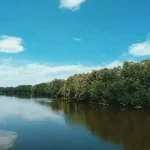
📷 Featured image by Aryanditho Rakasiwi on Unsplash.