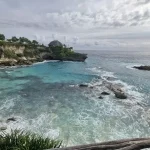
On this page
- Why Raja Ampat Is Different Underwater
- The Best Dive Sites by Area
- When to Dive and What Skill Level You Need
- Getting to Raja Ampat
- Homestay, Resort or Liveaboard?
- What You Eat on the Islands
- Day Trip or Overnight?
- 2026 Budget Reality
- What Has Changed Since 2024
- Practical Tips Before You Go
- Frequently Asked Questions
💰 Click here to see Indonesia Budget Breakdown
💰 Prices updated: September, 2026. Budget figures are estimates — always verify before travel.
Exchange Rate: $1 USD = Rp17,928.47
Daily Budget (per person)
Shoestring: Rp358,569 – Rp896,424 ($20.00 – $50.00)
Mid-range: Rp1,254,993 – Rp2,689,271 ($70.00 – $150.00)
Comfortable: Rp2,689,271 – Rp4,482,118 ($150.00 – $250.00)
Accommodation (per night)
Hostel/guesthouse: Rp71,714 – Rp179,285 ($4.00 – $10.00)
Mid-range hotel: Rp448,212 – Rp896,424 ($25.00 – $50.00)
Food (per meal)
Budget meal: Rp26,893.00 ($1.50)
Mid-range meal: Rp143,428.00 ($8.00)
Upscale meal: Rp537,854.00 ($30.00)
Transport
Single metro/bus trip: Rp3,500.00 ($0.20)
Monthly transport pass: Rp200,000.00 ($11.16)
Most people planning a Raja Ampat trip in 2026 get stuck on the same problem: the logistics look confusing and the prices look high, so they never book. The truth is simpler. You fly to Sorong, take a ferry, and sleep at a homestay or resort right above the reef. This guide covers what to dive, when to go, how to get there, and what it really costs.
Why Raja Ampat Is Different Underwater
Raja Ampat sits in Southwest Papua province, at the heart of the Coral Triangle. It has more than 1,500 small islands and the highest marine biodiversity ever recorded on Earth. On a single dive at Cape Kri, a team of scientists once counted 374 fish species.
That number makes sense when you are in the water. Walls are covered in soft corals in orange, purple and red. Fish swirl around you in clouds. Between the big schools you can find tiny things, like pygmy seahorses on gorgonian fans and walking epaulette sharks pushing across the reef on their fins.
The area is also remote. Reefs here are in better shape than most in Southeast Asia, and you will often share a dive site with only your own group.
The Best Dive Sites by Area
Dampier Strait (Kri, Mansuar, Gam)
This is the main hub and the best place for a first trip. Cape Kri and Chicken Reef are famous for fish density. Sardine Reef brings sharks and big schools of fusiliers. Manta Sandy is a cleaning station where mantas circle while you hold still on the sand. Arborek jetty is a shallow dive under a village pier, with a thick curtain of silversides around the pilings.
Misool
Misool is in the south and feels wilder. Boo Windows has swim-throughs and drifting fish. Magic Mountain is a pinnacle where mantas visit. Yellow Wall is a sheer face covered in yellow soft coral. Misool is farther from Waisai, so most divers reach it by liveaboard or a dedicated resort.
Wayag and Batanta
Wayag is best known for its limestone karst islands and the viewpoint photos you have seen online. Diving there is secondary, but snorkelling in the lagoons is excellent. Batanta has good muck-style and reef sites near Sorong, which suits travellers who want a shorter ferry ride.
When to Dive and What Skill Level You Need
The best months are October to April. The sea is calm, visibility is often 20 to 30 metres, and manta sightings are most reliable. From roughly June to August, the southeast winds make the south, including Misool, rougher. Water temperature stays between 27°C and 30°C, so a 3 mm wetsuit is enough for most people. Some sites have cooler upwellings, so a thin hood or vest helps.
Currents are the real challenge. Many top sites are drift dives with strong, changing flow. Open Water divers can enjoy calmer bays and house reefs, but an Advanced certificate and at least 30 logged dives will give you access to far more sites. Carry a surface marker buoy and a whistle, and follow your guide closely.
Getting to Raja Ampat
Everything starts in Sorong (airport code SOQ). Flights run from Jakarta, Makassar, Manado and Ambon, and Bali travellers usually connect through Makassar or Jakarta. Expect a total journey of 6 to 10 hours from Bali or Jakarta, depending on connections. Flight schedules change often in eastern Indonesia, so check them close to your travel date.
From Sorong airport, take a taxi or ride-hailing car to the ferry port, about 15 to 25 minutes away. Rates are roughly Rp 50,000 to Rp 100,000. The fast ferry to Waisai takes about 2 hours and costs around Rp 150,000 to Rp 200,000. A slower public ferry takes up to 4 hours and is cheaper. Most resorts and homestays will collect you from Waisai or arrange a private boat straight from Sorong, which costs more but saves time.
Try to arrive in Sorong the day before if you can. A delayed flight can cause you to miss the last ferry, and you will not want to rush on the first day of a diving trip.
Homestay, Resort or Liveaboard?
There are three main ways to dive Raja Ampat, and each suits a different traveller.
- Homestay: The budget favourite. These are simple family-run huts on stilts over the water, usually with fan cooling, shared or basic private bathrooms and meals included. Many partner with a local dive operator.
- Dive resort: Better for comfort, reliable boats, nitrox, rental gear and photo support. You stay in one place and dive nearby sites daily.
- Liveaboard: The only practical way to reach remote areas like Misool’s outer reefs or Wayag in one trip. You sleep on the boat and dive three to four times a day.
Getting around between islands is by small boat. Your host or dive operator arranges nearly everything. There are no taxis or public buses between islands, and private boat hire can cost more than your room, so plan your routes in advance.
What You Eat on the Islands
Food in Raja Ampat is simple and fresh. Imagine coming off a night dive, hair still salty, and sitting down to grilled tuna with a bright sambal dabu-dabu of chopped tomato, shallot and chilli. The smell of charcoal smoke drifts across the jetty while the sky turns dark.
Homestay meals are usually rice, grilled or fried fish, boiled vegetables, cassava and sambal. Ask for ikan kuah kuning, a yellow fish soup with turmeric and lime, often served with papeda, a sticky sago porridge from Papua. It has an unusual texture, but it is worth trying once.
In Sorong, seafood warungs near the harbour serve good grilled fish and fresh crab at fair prices. Waisai has a few small warungs and shops, but variety is limited. Most visitors eat all meals at their accommodation. Tell your host about allergies and dietary needs when you book, because options are limited on remote islands.
Day Trip or Overnight?
Raja Ampat is not a day trip from Bali or Jakarta. The journey alone takes most of a day, and the ferry stretch makes a same-day return impossible. Even from Sorong, a day trip to Waisai leaves you with almost no time in the water.
Plan for a minimum of 4 to 5 nights, and ideally 7 to 10 if you want to see both the Dampier Strait and one other area. A short trip works if you stay in one place and dive about 8 to 10 times. Non-divers on the same trip can snorkel, visit Arborek village or hike to the Pianemo viewpoint, which can be done as a day excursion from a Dampier Strait base.
2026 Budget Reality
Raja Ampat is not cheap, but there is a wide range. These are typical 2026 prices per person.
- Budget: Homestay with meals at Rp 350,000 to Rp 600,000 per night. Dives with a local operator at Rp 550,000 to Rp 750,000 each. A 5-night trip with 8 dives costs about Rp 8,000,000 to Rp 11,000,000 on the ground, not counting flights.
- Mid-range: Simple dive resort or upgraded homestay at Rp 1,200,000 to Rp 2,500,000 per night with meals. Dives at Rp 700,000 to Rp 900,000 each. Expect Rp 14,000,000 to Rp 22,000,000 for a 5-night trip.
- Comfortable: Full-service dive resort or liveaboard at Rp 3,500,000 to Rp 10,000,000 per night, often with dives, meals and transfers bundled in. A week can reach Rp 30,000,000 or more.
Add the marine park entry tag at about Rp 1,000,000 for foreign visitors and about Rp 500,000 for Indonesians, plus flights from Jakarta or Bali, which often cost Rp 3,500,000 to Rp 7,000,000 round trip. Nitrox, gear rental and boat transfers can each add Rp 100,000 to Rp 500,000 or more.
What Has Changed Since 2024
Conservation is getting more attention. In 2025, public concern over nickel mining near the Raja Ampat islands led the Indonesian government to cancel several mining permits in the area. Local operators say this has increased awareness among visitors, and many homestays now promote reef-safe sunscreen and no-touch rules more strictly.
Access is slowly improving. More flights serve Sorong, and the fast ferry to Waisai runs more regularly than a few years ago. Some resorts now offer satellite internet. The conservation fee system is also more consistent, so expect the entry tag to be checked on boats and at some dive sites.
Practical Tips Before You Go
- Entry tag: You must buy the Raja Ampat marine park tag, valid for one year. Keep it with you on boats. Confirm the latest price and purchase method with your operator.
- Cash: ATMs exist in Sorong and Waisai, but not on the islands. Bring enough rupiah in cash for your whole stay. Card payments are rare outside resorts.
- Signal: Mobile data is patchy. Download offline maps and keep your booking confirmations saved. Telkomsel has the broadest coverage.
- Insurance: Get dive insurance that covers evacuation. The nearest hyperbaric chamber is far, and medical care on the islands is basic.
- Reef rules: Wear reef-safe sunscreen or a rash guard, never stand on coral, and take all rubbish back with you.
- Bring spares: Pack your own mask, dive computer, SMB and a small repair kit. Rental gear in homestays can be limited.
Frequently Asked Questions
When is the best time to dive Raja Ampat?
The best time is October to April, when the sea is calm, visibility is good and manta sightings are most reliable. Dampier Strait can be dived all year, but the south, including Misool, is rougher from June to August. Avoid late December and January if you want fewer crowds.
Is Raja Ampat suitable for beginner divers?
Yes, with limits. Beginners can enjoy calm house reefs and sheltered bays, especially around Kri and Arborek. Many famous sites have strong currents, so Advanced certification and some experience open up far more options. Choose an operator who splits groups by skill level and offers briefings.
How much does a Raja Ampat diving trip cost in 2026?
A budget homestay trip costs about Rp 8,000,000 to Rp 11,000,000 for five nights and eight dives, excluding flights. Mid-range resorts run Rp 14,000,000 to Rp 22,000,000. Liveaboards and luxury resorts start around Rp 30,000,000 for a week. The entry tag and flights are extra.
How do I get from Sorong to Raja Ampat?
Fly into Sorong, then take a taxi to the port. The fast ferry to Waisai takes about 2 hours and costs roughly Rp 150,000 to Rp 200,000. A slower ferry is cheaper. Many accommodations offer private boat transfers straight from Sorong, which cost more but are convenient and flexible.
Do I need a permit to visit Raja Ampat?
You need the Raja Ampat marine park entry tag, which is valid for one year. It costs about Rp 1,000,000 for foreign visitors and about Rp 500,000 for Indonesians. You can buy it in Sorong or Waisai, or your operator can arrange it. Check current rules before travelling, as fees and systems can change.
📷 Featured image by Wahde Stock on Unsplash.