On this page
- Why West Sumatra Hits Different in 2026
- Padang City: Where to Base Yourself
- Unmissable Sights & Experiences
- Eating Your Way Through West Sumatra
- Getting Around the Region
- Day Trips Worth Every Kilometre
- Nights Out in Padang & Bukittinggi
- Shopping the Minangkabau Way
- Where to Sleep by Budget
- Timing Your Visit Right
- On-the-Ground Practical Tips
- What It Actually Costs in 2026
- Frequently Asked Questions
💰 Click here to see Indonesia Budget Breakdown
💰 Prices updated: September, 2026. Budget figures are estimates — always verify before travel.
Exchange Rate: $1 USD = Rp17,928.47
Daily Budget (per person)
Shoestring: Rp358,569 – Rp896,424 ($20.00 – $50.00)
Mid-range: Rp1,254,993 – Rp2,689,271 ($70.00 – $150.00)
Comfortable: Rp2,689,271 – Rp4,482,118 ($150.00 – $250.00)
Accommodation (per night)
Hostel/guesthouse: Rp71,714 – Rp179,285 ($4.00 – $10.00)
Mid-range hotel: Rp448,212 – Rp896,424 ($25.00 – $50.00)
Food (per meal)
Budget meal: Rp26,893.00 ($1.50)
Mid-range meal: Rp143,428.00 ($8.00)
Upscale meal: Rp537,854.00 ($30.00)
Transport
Single metro/bus trip: Rp3,500.00 ($0.20)
Monthly transport pass: Rp200,000.00 ($11.16)
Why West Sumatra Hits Different in 2026
In 2026, Bali fatigue is real. More travellers are searching for somewhere with equal cultural depth but a fraction of the crowds — and West Sumatra keeps coming up as the answer. The challenge is that most English-language information about the region is outdated, routes have changed, and a few new infrastructure upgrades have quietly made the journey easier than it was two years ago. The Trans-Sumatra Toll Road extension now connects Padang to Bukittinggi in under 90 minutes on a good day, cutting what used to be a grinding two-plus-hour mountain crawl down significantly. This guide reflects where things actually stand in 2026.
West Sumatra moves at its own tempo. The air in Bukittinggi smells like cloves and rain on volcanic soil. Markets open before sunrise and the call to prayer layers over misty valleys where buffalo graze between rice paddies. The Minangkabau people are matrilineal — land and family names pass through women — and that cultural foundation shapes everything from architecture to how guests are welcomed. Travellers who make the effort here often say it recalibrated their entire Indonesia trip.
Padang City: Where to Base Yourself
Padang is the provincial capital and your most likely entry point via Minangkabau International Airport (PDG). It’s a working port city with a coastline, not a resort town, and understanding that upfront helps set the right expectations.
Pondok Area
The old Chinatown district along the waterfront, Pondok is where backpackers and budget travellers cluster. Guesthouses here are cheap, the harbour is walkable, and it has a worn, lived-in character that suits people who don’t need polish. The area feels most alive in the early morning when fishing boats come in.
Jalan Veteran & City Centre
This is mid-range Padang — decent hotels, easy access to government buildings, banks, and transport hubs. Travellers planning multi-day regional exploration use this zone as a practical base without paying beach-hotel prices.
Pantai Padang (Padang Beach Strip)
Families and weekend visitors from across West Sumatra head here. The beach itself is ordinary by Indonesian standards, but the strip along Jalan Samudera has good sunset views, seafood restaurants, and a social energy on Friday and Saturday evenings that feels genuinely local rather than tourist-performed.
Unmissable Sights & Experiences
Jam Gadang, Bukittinggi
The clock tower at the heart of Bukittinggi is West Sumatra’s most photographed landmark. It’s small, but the surrounding market square buzzes constantly and the view from the top of the hill gives you a clean line of sight to Gunung Singgalang on clear mornings. Get there before 8am if you want the tower without the crowd.

Ngarai Sianok (Sianok Canyon)
A 15-metre-deep canyon cutting through the edge of Bukittinggi, Sianok is genuinely dramatic — steep green walls, a river at the bottom, and trails that take you through cacao and clove trees. The canyon walk from Kota Gadang village takes roughly two hours and rewards with views that don’t need any Instagram filter to look real.
Istana Pagaruyung
Outside the town of Batusangkar, this reconstructed Minangkabau royal palace is the architectural centrepiece of the highlands. The tiered roofline of the rumah gadang style — curving upward at each end like buffalo horns — is immediately striking. The interior has royal artefacts and textiles. Allow 2–3 hours including the drive from Bukittinggi.
Lembah Harau
One of the most underrated landscapes in Sumatra. This narrow valley near Payakumbuh is flanked by vertical granite cliffs up to 150 metres high, with waterfalls dropping straight from the top. It’s quiet on weekdays. The surrounding rice fields reflect the cliff walls in the wet season, creating a visual that puts many of Java’s famous landscapes to shame.
Lake Singkarak
Sumatra’s second-largest lake stretches 21 kilometres through the highlands between Padang Panjang and Solok. The road along the western shore is one of the best drives in the region, with warung stops every few kilometres selling fresh bilih fish pulled directly from the lake.
Eating Your Way Through West Sumatra
West Sumatra is widely considered one of Indonesia’s top food regions, and the eating here is best understood through specific places rather than restaurant recommendations that date quickly.
Pasar Raya Padang
The main market in central Padang operates across two buildings and spills onto the surrounding streets. The ground floor of the older building has food stalls serving rice dishes from early morning. Go before 9am when the produce section is at full volume — the smell of fresh turmeric roots, galangal, and dried chilies piled into sacks is overwhelming in the best way.
Warung Strips on Jalan Pasar Baru, Bukittinggi
The stretch of Jalan Pasar Baru near the upper market in Bukittinggi has a row of casual warungs where you eat at low tables. These spots serve the real version of local highland cooking — dishes cooked in smaller batches than the Padang restaurant chains. Lunch here runs IDR 25,000–50,000 per person.
Pasar Atas (Upper Market), Bukittinggi
Operating across the top of the hill near Jam Gadang, Pasar Atas is the social and commercial heart of Bukittinggi. The food section runs along the back — look for the stalls selling ketan (sticky rice) wrapped in banana leaf, and the women grilling corn over charcoal near the entrance. Evening is when it comes alive with snack vendors.
Pantai Padang Seafood Row
On the beach strip in Padang, a row of open-air seafood restaurants faces the Indian Ocean. The catch is local and the prices are honest — a whole grilled fish with rice and sambal runs around IDR 60,000–120,000 depending on size. The tables fill up from 6pm on weekends when families arrive for sunset dinner.
Pasar Malam near Terminal Aur Kuning
Bukittinggi’s night market near the main bus terminal runs from around 6pm and has the widest variety of cheap eats in the city — from satay stands to martabak (stuffed pancake) makers working large flat irons with visible theatrics. Budget IDR 15,000–40,000 per snack item.
Getting Around the Region
West Sumatra is mountainous and spread out. Understanding transport options before you arrive saves hours of frustration.
From the Airport
Minangkabau International Airport sits between Padang and Bukittinggi, roughly 23km from Padang city centre. DAMRI buses run fixed routes to both Padang (IDR 25,000) and Bukittinggi (IDR 50,000) from the airport departure level. Grab operates here in 2026 — a ride to central Padang runs IDR 80,000–130,000 depending on time of day.
Padang to Bukittinggi
The Trans-Sumatra Toll Road extension opened the Padang–Sicincin stretch in late 2024, and by 2026 the connection through to Bukittinggi via Padang Panjang is well-established. By car or rental, the trip takes 75–90 minutes versus the old 2+ hours on the highland road. DAMRI coaches run this route for IDR 30,000–40,000. Private car rental with driver runs IDR 450,000–650,000 per day for highlands exploration.
Within Bukittinggi
The city is walkable in its core — Jam Gadang, Pasar Atas, and Sianok Canyon viewpoints are all within 15 minutes on foot from most guesthouses. Ojek (motorbike taxis) run through Gojek for trips further out. There are no Grab cars within central Bukittinggi — the roads are narrow and the platform defaults to ojek here.
Road Conditions for Self-Drive
If you rent a scooter or car independently, the roads between towns are paved but often single-lane through mountain sections. The route to Lembah Harau from Bukittinggi (roughly 35km) has one steep stretch past Payakumbuh that catches unprepared riders. Check weather before heading out — landslides do occasionally close the highland roads after heavy rain.
Day Trips Worth Every Kilometre
Bukittinggi (from Padang) — 1.5 hours
If you’re based in Padang, Bukittinggi makes the obvious full-day or overnight trip. Jam Gadang, Sianok Canyon, and Pasar Atas can fill a full day comfortably. Most travellers end up staying longer than planned.
Lake Maninjau — 1 hour from Bukittinggi
The descent to Lake Maninjau via 44 sharp hairpin turns (locally called Kelok 44) is one of those drives that gets talked about long after the trip. The lake at the bottom is a caldera lake ringed by jungle-covered hills. It’s quieter than Singkarak and better for swimming. Motorbike is the best way to explore the lakeside road.
Batusangkar & Istana Pagaruyung — 1.5 hours from Bukittinggi
Combine the palace visit with a stop at Tabek Patah pass for highland views, and swing through the traditional village of Pariangan — often cited as one of the most beautiful villages in Indonesia — on the return. Full day, private car recommended.
Mentawai Islands — overnight from Padang
The Mentawai Islands off the Padang coast are world-famous for surfing (particularly around Nias and the Mentawai chain) and increasingly visited for cultural tourism with the indigenous Mentawai people. Fast boats run from Muara Harbour in Padang. This trip requires at least two nights minimum to make the crossing worthwhile — the crossing takes 5–8 hours depending on sea conditions.
Nights Out in Padang & Bukittinggi
West Sumatra is a deeply Islamic region and nightlife here looks very different from Bali or Lombok. This isn’t a bar-and-club destination, but evenings have their own rhythm worth understanding.
Padang’s Waterfront Evening Scene
Jalan Samudera along Pantai Padang lights up after dark with families, couples, and food vendors. Corn roasters, coconut ice stalls, and seafood grills run until around 11pm. It’s social and relaxed rather than loud — the Indonesian concept of nongkrong (hanging out with no particular agenda) at its most genuine.
Bukittinggi Café Culture
A cluster of small cafés near Jalan A. Yani in Bukittinggi serve good Sumatran coffee late into the evening. These are conversation-first spaces — live acoustic music happens at a couple of spots on Friday nights. No alcohol is served in most establishments across the region, so café culture here revolves around coffee, tea, and food.
Shopping the Minangkabau Way
Songket & Tenun Textiles
Minangkabau songket — hand-woven silk and cotton with gold thread — is among the finest in Indonesia. The village of Pandai Sikek, between Bukittinggi and Padang Panjang, is the acknowledged centre of production. Workshops allow visitors to watch weavers at their looms and buy directly. Prices start at IDR 300,000 for smaller pieces and run into millions for full ceremonial cloths.
Jalan Permindo (Gold Street), Padang
Padang has a well-established gold jewellery trade concentrated along Jalan Permindo in the city centre. Minangkabau gold jewellery styles are distinct — heavier and more ornate than Javanese work. Prices are set by daily gold rates, so bargaining on the gold weight isn’t typical, but craftsmanship fees have some flexibility.
Pasar Atas, Bukittinggi
Beyond food, the upper market has stalls selling embroidered fabrics, carved wood items, traditional Minangkabau caps (songkok), and spices in bulk. The spice section is worth a slow walk — dried andaliman pepper, nutmeg shells, and various forms of dried chili that don’t exist in most other Indonesian markets.
Kota Gadang Village
Accessible via the Sianok Canyon trail, Kota Gadang is known for fine silver filigree work. Small workshops sell earrings, brooches, and ornamental pieces at far lower prices than you’d find in curated souvenir shops. IDR 50,000–200,000 covers most everyday pieces.
Where to Sleep by Budget
Budget (IDR 150,000–350,000/night)
In Padang, the Pondok area has the highest concentration of cheap guesthouses and hostels. In Bukittinggi, the streets around Jalan Ahmad Yani have long-running backpacker guesthouses with clean rooms and breakfast included. Mountain Guest House and similar family-run spots in this tier often have terrace views worth more than the room rate.
Mid-Range (IDR 400,000–900,000/night)
Padang’s mid-range hotels cluster near Jalan Veteran and the city centre. Bukittinggi has a growing set of mid-range boutique-style hotels in converted colonial buildings near the canyon viewpoint. These offer air-conditioning, hot water, and sometimes a pool — rare at this price in highland Sumatra.
Comfortable/Upscale (IDR 1,000,000–2,500,000/night)
Padang has several four-star business hotels primarily serving the government and corporate sector — the Mercure and Grand Inna Muara are the main options in 2026. In the highlands, a handful of eco-resort properties in Lembah Harau and around Lake Maninjau offer premium stays in natural settings. These are the best choices for travellers who want comfort without flying back to a city hotel.
Timing Your Visit Right
West Sumatra sits near the equator with no true dry season, but there are better and worse windows. The wettest months are October through December when afternoon storms are frequent and some highland roads temporarily close. June through August is driest and most popular — expect higher prices and fuller guesthouses in Bukittinggi during this window.
Lebaran (Eid al-Fitr) brings massive internal migration as Minangkabau diaspora — one of the largest in Indonesia — returns home from across the country. The week before Lebaran in 2026 sees flights from Jakarta to Padang selling out months in advance and bus tickets becoming scarce. If your timing overlaps with Lebaran, book everything at least six weeks ahead or plan around it entirely.
The Tabuik Festival in Pariaman (a coastal town 56km north of Padang) happens annually around the Islamic month of Muharram. In 2026 this falls in late June. The festival involves the construction and ceremonial drowning of large effigies — it’s one of the most visually striking cultural events in Sumatra and draws significant local crowds. Plan accommodation in Padang or Pariaman two weeks ahead if you want to catch it.
Shoulder windows — May and September — hit the sweet spot of manageable weather, reasonable prices, and fewer domestic tourists.
On-the-Ground Practical Tips
Religion & Local Customs
West Sumatra has a higher proportion of practising Muslims than most Indonesian provinces. Dress modestly when entering markets, villages, and any area outside of tourist hotels — covered shoulders and knees are the baseline. During Friday prayer time (roughly 12pm–1:30pm), many small shops close and traffic near mosques becomes congested. Plan around this rather than fighting it.
SIM Cards
Telkomsel has the most consistent coverage across the highlands and into Mentawai. Buy a SIM at the airport arrivals hall (IDR 50,000–100,000 for a starter pack with data) or at any Telkomsel outlet in Padang. XL works well in Padang city but loses signal on some highland routes.
Water & Food Safety
Drink bottled or filtered water throughout the region. Padang’s tap water is not safe to drink directly. Most guesthouses and restaurants provide bottled water; budget IDR 5,000–8,000 per 600ml bottle.
Safety
West Sumatra is generally safe for travellers. Petty theft around busy markets (Pasar Raya in Padang, Pasar Atas in Bukittinggi) is the primary concern — keep bags front-facing in crowds. Road safety is a more significant risk: highland roads can be treacherous in rain, and local drivers move fast on straight sections. If you’re not an experienced motorbike rider, hire a driver for mountain routes.
Tipping
Tipping is not mandatory or culturally expected in West Sumatra. Rounding up a bill or leaving IDR 5,000–20,000 for particularly good service is appreciated but never assumed. Tour guides who have spent a full day with you are an exception — IDR 50,000–100,000 as a tip is appropriate.
What It Actually Costs in 2026
Budget Traveller — IDR 250,000–450,000/day
- Guesthouse in Pondok (Padang) or Jalan Ahmad Yani (Bukittinggi): IDR 150,000–250,000
- Three meals from warungs and pasar stalls: IDR 60,000–100,000
- Local transport (Gojek ojek, DAMRI buses): IDR 30,000–80,000
- Entrance fees (most sights are IDR 5,000–25,000): IDR 20,000–50,000
Mid-Range Traveller — IDR 600,000–1,200,000/day
- Mid-range hotel with air-con and hot water: IDR 400,000–700,000
- Mix of warungs and sit-down restaurants: IDR 100,000–200,000
- Grab/Gojek car rides plus occasional private transport: IDR 100,000–200,000
- Day trip entry fees and guides: IDR 100,000–200,000
Comfortable Traveller — IDR 1,500,000–3,500,000/day
- Four-star hotel in Padang or eco-resort in the highlands: IDR 1,000,000–2,500,000
- Restaurant meals, seafood dinners, and organised tours: IDR 300,000–600,000
- Private car with driver for the day: IDR 500,000–700,000
- Guided cultural experiences and songket shopping: IDR 200,000–500,000
West Sumatra remains significantly cheaper than Bali at every tier. A mid-range budget here buys a quality experience that would cost double in South Bali in 2026.
Frequently Asked Questions
Is West Sumatra safe for solo travellers?
Yes, including for solo female travellers with some awareness. The main risks are road safety on highland routes and petty theft in busy markets. Locals are generally hospitable and curious about foreign visitors. Dress modestly, use Gojek/Grab for night transport, and you’ll have few problems. Several solo travel communities now run regular trips through Bukittinggi.
How many days do I need to see West Sumatra properly?
A minimum of five days gives you Padang plus Bukittinggi plus two or three day trips. Seven to ten days allows you to add Mentawai, Lembah Harau, and slower exploration of the highlands without rushing. Travellers who try to do it in three days consistently report wishing they had more time.
Can I get alcohol in West Sumatra?
Alcohol is very difficult to find in West Sumatra. A small number of international hotels in Padang may serve it discreetly, but bars and restaurants throughout the province — including in tourist areas of Bukittinggi — do not sell alcohol. Travellers expecting Bali-style drink options will be disappointed. This is a dry region in practice as well as by local preference.
What’s the best way to get from Padang to Bukittinggi?
In 2026, the DAMRI coach is the easiest option for IDR 30,000–40,000 with stops at the airport — useful if you’re arriving by flight. The trip takes 75–90 minutes via the toll road. Private car rental with a driver (IDR 450,000–650,000 for the day) makes sense if you want to stop at viewpoints along the way. Avoid local minibuses unless you’re comfortable with crowded, unscheduled departure times.
Do I need to book Minangkabau attractions in advance?
Most sights — Istana Pagaruyung, Sianok Canyon, Lembah Harau — operate on walk-in entry with small fees (IDR 5,000–30,000). No pre-booking needed. The exceptions are overnight stays at Lembah Harau eco-camps, Mentawai surf and cultural packages (book 2–4 weeks ahead), and accommodation during Lebaran and the Tabuik Festival period, when guesthouses fill quickly.
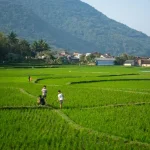
📷 Featured image by ahmad hidayat on Unsplash.