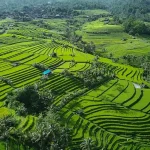
Why September Hits a Sweet Spot
Anyone who has tried to visit Bali or the Gili Islands in July knows the frustration: full villas, inflated prices, and beaches that feel more like a Jakarta mall on a long weekend. August 2026 is shaping up the same way. September, though, is when the arithmetic changes. European summer holidays are over, Australian school terms are back in session, and the Chinese Golden Week holiday doesn’t land until early October. That gap — roughly four weeks — is one of the most genuinely pleasant windows for island travel in the Indonesian calendar.
The dry season across most of eastern and central Indonesia is still holding firm in September, which means clear water for snorkelling, reliable ferry crossings, and sunsets without the haze that comes with late-October humidity. You get the conditions of peak season without most of the crowd pressure. For 2026, with the rupiah remaining the practical choice for daily spending and domestic tourism infrastructure continuing to mature, this window rewards travellers who plan even a few weeks ahead.
The Best Islands to Visit in September 2026
Lombok and the Gili Islands
September is arguably the best month on Lombok’s calendar. The crowds that hammered Gili Trawangan throughout July and August have thinned, but the sea is still warm, flat, and extraordinarily clear — visibility on a calm day can reach 20 metres or more. Rinjani trekking conditions are excellent: the trails are dry, the summit ridge is accessible, and the crater lake glows a deep jade-green under September’s clear sky. Gili Air and Gili Meno, quieter alternatives to Gili T, feel genuinely peaceful by the second week of September.
Flores and Komodo
Flores in September is dry, warm, and magnificent. The Komodo National Park operates at its most comfortable — dragons are active, the pink beach at Pantai Merah still stuns, and the dive sites around Komodo and Rinca are running strong currents that bring in manta rays and sharks. Labuan Bajo, the gateway town, has grown considerably in recent years, with better accommodation options and more regulated boat tours compared to a few years ago. Book liveaboard or day-trip boats at least three to four weeks ahead — September demand is real.
Raja Ampat
October is technically the peak diving month in Raja Ampat, but September gives you almost identical conditions — exceptional underwater visibility, calm passages between islands, and wobbegong sharks draped over coral like sleeping rugs. The advantage in September is that the liveaboards are slightly less booked out than they will be in October. Sorong, the main access point, has reliable connections from Makassar and Jakarta. Budget realistically: Raja Ampat is not a cheap destination by Indonesian standards.
Nusa Penida
Just 45 minutes by fast boat from Sanur in Bali, Nusa Penida in September is still dry and sunny with manageable crowds. The famous Kelingking Beach cliff view, Broken Beach, and Angel’s Billabong are all accessible without the shoulder-to-shoulder situation of August. Mola-mola (ocean sunfish) season typically runs through October, making September one of the few months where a single island delivers both dramatic coastal scenery and rare marine life in one trip.
What the Weather Actually Looks Like
Indonesia spans a vast geographic range, and “September is dry season” is only partly useful advice. Here is a more honest regional breakdown:
- Bali, Lombok, Nusa Tenggara (Flores, Komodo): Firmly in the dry season. Temperatures sit between 25°C and 32°C. Humidity is lower than the wet months. Rain is rare but possible in short afternoon showers in the highlands. Sea conditions are excellent.
- Raja Ampat and West Papua: September is generally good — calmer than the June-July swell period. There can be brief tropical downpours, but they pass quickly and don’t disrupt diving or island-hopping in most cases.
- Sulawesi (Bunaken, Wakatobi): Dry and reliable. Bunaken’s underwater visibility in September is some of the best in the year. Wakatobi, in southeast Sulawesi, is equally outstanding.
- Sumatra and Kalimantan: A different story. These islands follow equatorial rainfall patterns with no classic dry season. September can bring heavy rain and haze (from land-clearing fires, which remain a recurring problem in the region). Coastal areas of Sumatra can still be worthwhile, but plan with flexibility.
- Java (including the Thousand Islands / Kepulauan Seribu): Jakarta’s bay islands are reachable and reasonable in September, though Java itself doesn’t have the dramatic dry-season contrast that the eastern islands show.
2026 Budget Reality: What Island Travel Costs Now
Prices across Indonesia’s island destinations have risen steadily since 2023, partly due to sustained domestic tourism demand and improvements in facilities. Here is an honest picture for September 2026:
Accommodation (per night)
- Budget (guesthouses, surf camps, simple bungalows): Rp 150,000 – Rp 350,000
- Mid-range (small hotels, villa-style rooms with AC and breakfast): Rp 400,000 – Rp 900,000
- Comfortable (boutique resorts, pool villas, Komodo liveaboards): Rp 1,200,000 – Rp 4,500,000+
Food and Daily Costs
- Warung meals (nasi campur, mie goreng, fresh fish): Rp 20,000 – Rp 50,000 per dish
- Mid-range restaurant dinner with drinks: Rp 120,000 – Rp 300,000 per person
- Fresh coconut from a beach vendor: Rp 15,000 – Rp 25,000
- Domestic bottled water (1.5L): Rp 5,000 – Rp 10,000
Activities
- Snorkelling day trip (Gili Islands, Nusa Penida): Rp 200,000 – Rp 450,000 per person
- Komodo National Park entry and boat day trip from Labuan Bajo: Rp 500,000 – Rp 1,500,000+ depending on group size and operator
- Rinjani trek (2–3 days, guided, all-inclusive): Rp 1,500,000 – Rp 3,500,000 per person
- Diving (2 dives, equipment included): Rp 600,000 – Rp 1,200,000
A realistic daily budget for comfortable independent travel in September 2026 sits around Rp 500,000 – Rp 800,000 for budget travellers and Rp 1,200,000 – Rp 2,500,000 for those wanting mid-range comfort with activities included.
Getting Between Islands in September
September is not a blackout period for transport, but a few things to understand before you book:
Domestic Flights
Lion Air, Citilink, Batik Air, and Garuda Indonesia all operate dense networks connecting Java to Lombok, Flores (via Labuan Bajo’s Komodo Airport), and Sulawesi. September is post-peak, so seat availability is generally good — but prices spike if you book within 10 days of travel. Book three to five weeks out for the best combination of price and flexibility. Labuan Bajo–Bali routes and Sorong connections for Raja Ampat tend to fill faster than Java-based routes.
Fast Boats and Ferries
The Bali–Gili Islands fast boat (via Padang Bai or Amed to Lombok or direct to the Gilis) runs multiple times daily in September. Journey time is roughly 90 minutes to two hours. Bali–Nusa Penida fast boats from Sanur run every 30 to 45 minutes in the morning. Always buy tickets directly from licensed operators at the port or through well-established booking platforms — avoid unmarked touts at the beach.
ASDP (the national ferry operator) runs roll-on/roll-off ferries on major routes including Bali to Lombok via Lembar. These are slower but cheaper and useful for travellers with motorbikes or larger gear.
Liveaboards
For Raja Ampat and Komodo, liveaboard boats are often the most efficient way to cover distance and dive multiple sites. September availability is better than October but still limited on the most reputable boats. Four to six weeks of advance booking is a reasonable minimum for September 2026.
What to Pack and How to Prepare
The dry-season conditions of September make packing more straightforward than wet-season travel, but island-specific demands still apply:
- Sun protection: A rash guard or UV-protective shirt is more practical than sunscreen alone on long boat days. Reef-safe sunscreen is increasingly expected (and in some areas, requested) at protected marine sites.
- Footwear: Bring one pair of sturdy sandals and one pair of closed shoes. Rinjani, for example, demands proper grip. Village visits in more conservative areas — particularly in Lombok and Flores — call for shoes and modest clothing over swimwear.
- Cash: ATMs exist in Labuan Bajo, Mataram (Lombok), and larger Gili Island hubs, but smaller islands and remote villages still run entirely on cash. Bring enough rupiah before heading off-grid. Bank transfer and QRIS digital payments have expanded significantly, but cash remains king on boats and in warungs.
- Health: Bring a basic medical kit including oral rehydration salts — September heat on Flores and Lombok is serious. Consult your doctor about malaria prophylaxis for eastern Indonesia (Flores, Raja Ampat, and parts of Sulawesi carry some risk). Mosquito repellent with DEET is essential at dusk.
- Respect local customs: On Lombok, the Sasak culture is predominantly Muslim. Dress modestly when not at the beach. On Flores, many communities are Catholic — church visits require appropriate dress. Small gestures of cultural awareness go a long way.
Frequently Asked Questions
Is September a good time to visit Bali?
Yes, but Bali is mostly past peak crowd season by mid-September. The weather stays dry and warm, making it excellent for beach and inland exploration. It’s a smart time to base yourself in Bali and use it as a launch point for Nusa Penida, Lombok, and the Gili Islands, which are all easily reachable by fast boat or short flight.
Is Komodo National Park open in September 2026?
Komodo National Park is open year-round, and September falls within its dry season, which is considered the best time to visit. Entry fees and regulations for the park have evolved in recent years — confirm current requirements with your tour operator or the park authority before booking, as policies have been subject to updates.
How far in advance should I book island accommodation for September?
For popular destinations like the Gili Islands, Nusa Penida, and Labuan Bajo, booking three to four weeks ahead is wise. For Raja Ampat liveaboards or Rinjani trekking permits, aim for four to six weeks minimum. September is quieter than August but still sees solid demand, especially on weekends.
Do I need a visa to visit Indonesia in September 2026?
Most nationalities can enter Indonesia visa-free for short stays, but the specific conditions — including length of stay and eligible entry points — vary by passport. Always verify current visa requirements directly with the Indonesian embassy or Directorate General of Immigration before travel, as these conditions can change.
Is it safe to swim and snorkel in September?
In the dry-season island destinations — Lombok, Bali, Flores, the Gilis, Nusa Penida — September sea conditions are generally calm and clear, making it excellent for snorkelling and swimming. Always check local current conditions before entering the water, particularly around Nusa Penida and Komodo, where strong currents require experience or a knowledgeable guide.
Explore more
Maximizing Your August 2026 Trip: Smart Tips for Indonesia’s Busiest Month
August 2026 in Indonesia: Navigating Peak Season for the Best Experience
Savoring Indonesia: Must-Try Dishes for Your August 2026 Trip
📷 Featured image by Geio Tischler on Unsplash.