On this page
- What Makes Labuan Bajo Souvenirs Different
- Woven Textiles: Songket and Tenun Flores
- Komodo-Inspired Carvings and Figurines
- Local Spices, Coffee, and Edible Gifts
- Pearls from the Flores Sea
- Where to Shop in Labuan Bajo
- 2026 Budget Reality: What to Expect to Spend
- Packing and Customs Checklist
- Frequently Asked Questions
💰 Click here to see Indonesia Budget Breakdown
💰 Prices updated: September, 2026. Budget figures are estimates — always verify before travel.
Exchange Rate: $1 USD = Rp17,928.47
Daily Budget (per person)
Shoestring: Rp358,569 – Rp896,424 ($20.00 – $50.00)
Mid-range: Rp1,254,993 – Rp2,689,271 ($70.00 – $150.00)
Comfortable: Rp2,689,271 – Rp4,482,118 ($150.00 – $250.00)
Accommodation (per night)
Hostel/guesthouse: Rp71,714 – Rp179,285 ($4.00 – $10.00)
Mid-range hotel: Rp448,212 – Rp896,424 ($25.00 – $50.00)
Food (per meal)
Budget meal: Rp26,893.00 ($1.50)
Mid-range meal: Rp143,428.00 ($8.00)
Upscale meal: Rp537,854.00 ($30.00)
Transport
Single metro/bus trip: Rp3,500.00 ($0.20)
Monthly transport pass: Rp200,000.00 ($11.16)
What Makes Labuan Bajo Souvenirs Different
Since Labuan Bajo was declared a “super-priority” tourism destination, souvenir shops have multiplied fast — and not all of them sell things actually made in Flores. In 2026, mass-produced items from Java and Bali now fill a chunk of the waterfront stalls. Knowing what is genuinely local before you start shopping saves you money and means you go home with something that actually reflects the place. This checklist focuses on items tied directly to Flores culture, Komodo’s environment, and the surrounding seas.
Woven Textiles: Songket and Tenun Flores
Flores is one of Indonesia’s most important weaving regions, and the cloth produced here looks nothing like the batik you find in Java. Tenun ikat from Flores uses a resist-dyeing technique where threads are bound and dyed before weaving begins. The result is geometric patterns with deep earthy reds, indigos, and warm ochres — colours drawn from local plants like indigo leaves and the bark of the noni tree. Running your fingers across a hand-woven piece, you can feel the slight irregularities that machine looms cannot replicate.
Each sub-region of Flores has its own pattern vocabulary. Ende district produces bold diamond motifs. Manggarai — the regency where Labuan Bajo sits — favours spiderweb-like songke designs on dark backgrounds. If a seller cannot tell you which village or district the cloth comes from, treat that as a warning sign.
- Sarong (kain): Single-panel cloth, usable as a wrap, wall hanging, or table runner. Most practical size to carry home.
- Selendang: A narrower shoulder cloth. Lighter and easier to pack than a full sarong.
- Full traditional set: Paired male and female cloths. More expensive but genuinely collectible.
Always ask whether the dyes are natural or synthetic. Natural-dyed pieces fade more gracefully over time and are more valuable. Synthetic-dyed cloths are brighter and cheaper — not necessarily bad, but worth knowing the difference.
Komodo-Inspired Carvings and Figurines
Wood carvings of the Komodo dragon are everywhere in Labuan Bajo. The quality ranges from rough tourist-grade figures knocked out by the dozen to genuinely detailed hand-carved pieces that take a craftsman several days to finish. The difference is obvious once you know what to look for: check the eyes, the texture of the scales, and the underside of the piece. Rushed carvings have flat, unfinished bottoms and smooth, almost plastic-looking scales. Quality pieces have layered scale detail and a base that has been smoothed and sometimes signed by the carver.

The most common wood used locally is sonokeling (Indian rosewood) and jati (teak), both of which are heavy, dark, and durable. Lighter, paler carvings are often made from cheaper softwoods that split more easily in different climates — keep that in mind if you are flying back to a cold, dry country.
- Small desktop figurines (10–15 cm): Easy to pack, widely available, great entry price point.
- Mid-size decorative pieces (30–50 cm): Need proper padding in luggage. Worth asking the shop to wrap them in sarong cloth, which solves two packing problems at once.
- Large statement carvings: Best shipped rather than carried. A few shops near the harbour can arrange cargo shipping for an additional fee.
Stone carvings also appear in some shops — mainly volcanic stone figures with a rougher, more ancient aesthetic. These are heavier but very striking. Factor the weight into your luggage allowance before you commit.
Local Spices, Coffee, and Edible Gifts
Flores sits in one of Indonesia’s most fertile spice belts, and the edible gifts here are genuinely worth prioritising. Arabica coffee grown in the highlands around Bajawa and Manggarai is among the best in Indonesia — a medium roast opens with floral and citrus notes and finishes with a clean, slightly earthy warmth. You can buy it whole bean or ground at several specialty food shops in town, vacuum-sealed for travel.
Other edible items worth picking up:
- Vanili Flores: Flores vanilla is some of the most fragrant in the world. Whole pods sold in small bundles are compact, legal to carry to most countries (check your destination’s biosecurity rules), and far superior to anything in a supermarket back home.
- Kemiri (candlenut): Used in local cooking. Roasted and packaged versions make a good gift for anyone who cooks Indonesian food.
- Madu hutan (wild forest honey): Sold by a few local producers. Darker and more complex than commercial honey, with a slightly smoky finish from the forest flowers the bees forage.
- Sambal and chilli pastes: Some local producers now vacuum-seal homemade sambal. Check it meets your destination country’s food import rules before packing.

Pearls from the Flores Sea
The waters around Flores and the neighbouring Alor archipelago produce South Sea pearls — the large, lustrous variety that commands serious prices internationally. Labuan Bajo has become a small but legitimate pearl trading hub, with a handful of dedicated pearl shops operating near the main harbour road.
Evaluating pearl quality comes down to five factors: lustre (how sharp the reflection is), surface (fewer blemishes, higher value), shape (perfectly round is rare and premium), size (measured in millimetres), and nacre thickness. Ask the seller to show you the pearl under a direct light source — a high-lustre pearl reflects your face like a mirror. A chalky or dull surface means thin nacre or poor quality.
- Loose pearls: Good option if you want to have them set at home. Cheaper than buying finished jewellery in Labuan Bajo.
- Simple silver settings: Local silversmiths produce pendants and rings. Quality varies — inspect solder joints and clasp mechanisms carefully.
- Pearl strands: A matched strand of South Sea pearls is a serious purchase. Expect to pay accordingly and ask for a written description of the pearl specifications.
Where to Shop in Labuan Bajo
Most souvenir shopping in Labuan Bajo is concentrated in a few specific zones. The waterfront strip along Jalan Soekarno-Hatta has the highest density of shops but also the most generic inventory. For better quality and more authentic pieces, move slightly inland.
- Pasar Baru Labuan Bajo: The main local market near the centre of town. Less tourist-polished, but you will find local produce, fresh spices, and occasionally handmade textiles sold directly by villagers who come in from surrounding areas. Mornings are the best time — the market thins out significantly by noon.
- Jl. Soekarno-Hatta (upper section): Several fixed shops here carry certified Manggarai textiles and better-quality carvings. Prices are higher than market stalls but negotiation is still expected and normal.
- Pearl shops near the harbour: Two or three dedicated pearl retailers operate with fixed pricing and certificates of authenticity. These are more reliable than pearls sold informally on the street.
- Hotel lobby boutiques: Some of the mid-range and upmarket hotels now carry curated local products — textiles, coffee, and small carvings. Prices are the highest in town, but the curation is reliable and you skip the negotiation process entirely.
2026 Budget Reality: What to Expect to Spend
Prices in Labuan Bajo have risen noticeably since 2024, partly due to the continued tourism infrastructure investment in the area and partly due to Indonesia’s broader inflation adjustments. Here is a realistic price guide for 2026:

- Machine-made or synthetic-dyed sarong: Rp 50,000 – Rp 150,000
- Hand-woven natural-dyed tenun ikat (small): Rp 350,000 – Rp 800,000
- Hand-woven natural-dyed tenun ikat (large, full sarong): Rp 900,000 – Rp 3,500,000
- Small Komodo wood carving (tourist grade): Rp 50,000 – Rp 120,000
- Quality hand-carved Komodo figurine (mid-size): Rp 300,000 – Rp 900,000
- Flores Arabica coffee (250g, vacuum-sealed): Rp 80,000 – Rp 180,000
- Vanilla pods (small bundle): Rp 60,000 – Rp 150,000
- Single South Sea pearl (loose, mid-grade): Rp 500,000 – Rp 2,500,000
- Pearl pendant with silver setting: Rp 800,000 – Rp 3,000,000
Bargaining is standard at markets and street stalls. Fixed-price shops exist and are clearly marked — do not attempt to negotiate at those. A reasonable opening offer at a market stall is 60–70% of the asking price, then settle somewhere in the middle.
Packing and Customs Checklist
A few practical rules before you load up your bag:
- Textiles: No restrictions on carrying woven cloth. Fold along the natural grain to avoid permanent creases. A dry-cleaning bag or airtight zip bag prevents moisture damage in humid luggage holds.
- Wood carvings: Indonesia has no export restriction on finished wooden carvings made from non-protected species. Your destination country may inspect wooden items — declare them honestly at customs.
- Vanilla and spices: Most countries allow dried spices in sealed commercial packaging. Fresh or undried plant material is different — leave that at the market. Australia and New Zealand have the strictest biosecurity rules; check the official government website for your country before buying.
- Pearls and jewellery: High-value items should be declared at customs in your home country. Keep receipts as proof of purchase value.
- Animal products: Do not buy anything made from Komodo dragons — it is illegal under Indonesian law and CITES international treaty. Genuine Komodo-related items are carvings, not actual animal parts. Any seller claiming to sell real Komodo skin or bones is breaking the law.
- Liquids (sambal, honey): Pack in checked luggage, not carry-on, to avoid airport confiscation. Under 100ml in a sealed commercial container may pass as carry-on — anything larger goes in the hold.
Frequently Asked Questions
What is the most authentic souvenir from Labuan Bajo?
Hand-woven tenun ikat from Manggarai district is the most genuinely local item you can buy. It is made in surrounding villages using techniques passed down through generations, and the patterns are specific to this region of Flores. Look for the government certification tag introduced in 2026 to confirm authenticity.

Is it safe to buy pearls from street vendors in Labuan Bajo?
It carries significant risk. Pearl quality is difficult to assess without proper lighting and experience, and informal sellers rarely offer refunds. Stick to dedicated pearl shops near the harbour that provide written certificates with pearl specifications. The price is higher but the purchase is verifiable and the quality is documented.
Can I bring Flores vanilla pods back to my home country?
In most cases, yes — dried vanilla pods in sealed packaging are permitted in the majority of countries. Australia, New Zealand, and the United States have stricter rules. Check your destination country’s biosecurity or agriculture department website before purchasing. Declare all food items honestly at customs regardless of destination.
Are prices at Labuan Bajo souvenir shops fixed or negotiable?
Both exist. Market stalls and unlabelled shops expect negotiation — starting at 60–70% of the asking price is reasonable. Fixed-price shops display clear signage and do not bargain. Hotel boutiques are also generally fixed price. Trying to negotiate at a clearly fixed-price shop creates awkwardness and rarely works.
What should I avoid buying as a souvenir in Labuan Bajo?
Avoid anything claimed to be made from Komodo dragon skin, bones, or eggs — possession and sale is illegal under Indonesian law and CITES regulations. Also be cautious with coral pieces and sea turtle products, which face similar protections. Generic mass-produced items labelled “Labuan Bajo” are often made in Java and carry no local cultural value.
Explore more
Komodo National Park: The Ultimate Travel Guide (2024)
Komodo & Flores Itinerary: Your Ultimate Guide to Indonesia’s Dragon Islands
Where to Eat in Labuan Bajo: Top Spots for Every Budget
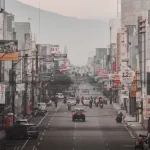
📷 Featured image by Johnny Africa on Unsplash.