On this page
- The Hike Everyone Gets Wrong Before They Go
- What Padar Island Actually Is
- Understanding the Three Viewpoints
- Getting to Padar Island
- The Hike Itself: Trail Conditions and What to Expect
- What to Bring on the Padar Hike
- Best Time to Hike Padar
- Entry Fees and Permits in 2026
- Wildlife You’ll Actually See on the Trail
- Padar Island Budget Breakdown (2026)
- Practical Tips for Padar Island in 2026
- Frequently Asked Questions
💰 Click here to see Indonesia Budget Breakdown
💰 Prices updated: September, 2026. Budget figures are estimates — always verify before travel.
Exchange Rate: $1 USD = Rp17,928.47
Daily Budget (per person)
Shoestring: Rp358,569 – Rp896,424 ($20.00 – $50.00)
Mid-range: Rp1,254,993 – Rp2,689,271 ($70.00 – $150.00)
Comfortable: Rp2,689,271 – Rp4,482,118 ($150.00 – $250.00)
Accommodation (per night)
Hostel/guesthouse: Rp71,714 – Rp179,285 ($4.00 – $10.00)
Mid-range hotel: Rp448,212 – Rp896,424 ($25.00 – $50.00)
Food (per meal)
Budget meal: Rp26,893.00 ($1.50)
Mid-range meal: Rp143,428.00 ($8.00)
Upscale meal: Rp537,854.00 ($30.00)
Transport
Single metro/bus trip: Rp3,500.00 ($0.20)
Monthly transport pass: Rp200,000.00 ($11.16)
The Hike Everyone Gets Wrong Before They Go
Padar Island shows up on more Instagram feeds than almost any other spot in Indonesia — that sweeping ridge shot with three bays curving below in different colors. But in 2026, with the Komodo National Park permit system now fully enforced through the BKSDA digital portal and boat quotas tighter than ever, travelers are still arriving underprepared. Some are turned away at the dock for missing permits. Others start the climb in flip-flops at 11am and wonder why it’s brutal. This guide covers what the algorithm doesn’t tell you: the real trail, the real conditions, and how to do Padar the right way.
What Padar Island Actually Is
Padar is the third-largest island in Komodo National Park, sitting between Komodo Island to the northwest and Rinca Island to the southeast. It’s not a place you stay overnight — there are no hotels, no warungs, no permanent settlements. The entire point of Padar is the ridge hike and the view from the top.
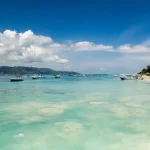
What makes the landscape so unusual is the contrast of the three bays. The water in each bay appears a slightly different shade depending on the time of day, the angle of light, and the season — deep teal, pale turquoise, and a darker blue-green. The hills are covered in dry savanna grass that turns golden in the dry season and briefly green after rains. There are no trees on the exposed ridge, which means no shade and no shelter from the wind.
Unlike Komodo or Rinca, Padar has no resident Komodo dragons. They were historically present but the deer population they depended on collapsed, and the dragons moved elsewhere. That changes the vibe entirely — you hike without a ranger escort and without the low-level alertness that comes with being on an island where something can eat you.
Understanding the Three Viewpoints
The trail doesn’t have one summit — it has three distinct high points along the ridge, and they offer progressively different compositions. Most visitors only reach the first and sometimes the second. Very few make it to the third.
Viewpoint One (Main Summit)
This is the iconic shot. It’s roughly 20–25 minutes of hard climbing from the beach, and from here you can see all three bays simultaneously. The two lower bays frame the left and right, while the larger bay behind you completes the picture. This is where the crowds gather, especially during sunrise trips. At about 170 metres above sea level, it’s not a technical climb, but the steps cut into the hillside are steep and uneven.

Viewpoint Two
Continue along the ridge for another 20 minutes and you reach a second high point that gives you a cleaner sightline toward the open Flores Sea to the south. The crowds disappear almost entirely here. The descent between viewpoints one and two is loose and exposed — it requires actual attention, not just a casual stroll.
Viewpoint Three
Another 30–40 minutes further along the ridge, this viewpoint is almost always empty. The full length of the island stretches out below you, and on a clear day you can see toward Flores and the volcanic outline of the distant coastline. Round-tripping all three viewpoints takes 3–4 hours from the beach. Very few day-trippers attempt it.
Getting to Padar Island
Padar is only accessible by boat. The departure point for almost all visitors is Labuan Bajo, the port town on the western tip of Flores island. The boat journey takes approximately 2 to 2.5 hours by speedboat, or 3.5 to 5 hours by wooden phinisi boat depending on sea conditions.
Speedboat Day Trips
The most common option. Shared speedboats run fixed multi-stop itineraries that typically include Padar Island, Pink Beach, and a snorkelling site. Departure is usually around 6am to catch sunrise at Padar. These trips are heavily subscribed in July and August — book at least 3–5 days ahead through a Labuan Bajo operator or via your guesthouse. In 2026, shared speedboat day trips run between Rp 350,000–Rp 550,000 per person, depending on the number of stops and whether meals are included.
Private Boat Charter
A private speedboat for 4–8 people gives you control over timing and how long you stay at each stop. Prices in 2026 sit around Rp 2,500,000–Rp 4,000,000 per boat per day depending on boat size and fuel costs. Split between 6 people, this is often comparable to a shared trip but with far more flexibility.
Live-Aboard Phinisi
The most immersive option. You sleep on a traditional wooden phinisi boat for 2–3 nights, anchoring at Padar, Komodo, and Rinca with small group sizes and an unhurried pace. Live-aboard packages in 2026 range from Rp 3,500,000–Rp 12,000,000 per person for a 2-night trip depending on boat quality and what’s included.

The Hike Itself: Trail Conditions and What to Expect
The trail starts at the small beach on the northern side of the island where boats anchor. From the moment you step off the boat, the heat is immediate — the beach sits in a sheltered bay with no breeze and the black sand retains warmth even in the morning. Start moving quickly and get elevation before the sun climbs.
The lower third of the trail is the steepest. Concrete and wooden steps have been installed and improved through 2024–2025, but sections remain rough and the steps are irregular heights. Some require you to use your hands for balance. The soil between steps can be slippery after rain or morning dew.
The middle section opens up onto the ridge itself — wide enough to walk comfortably, with views opening to both sides simultaneously. The wind hits here without warning, sometimes strongly enough to make you stop and brace. In the dry season (May through September), the grass is golden-brown and the air is clear. After rain, everything is briefly, vividly green, but the trail surface becomes significantly more treacherous.
The final approach to Viewpoint One is another short steep section, then you’re at the top. The platform area is flat enough to sit, but there’s no railing on the ridge itself. In peak season (July–August), 50–80 people can be at this summit simultaneously, which makes it feel crowded and makes getting a clean photograph difficult without patience.
Total elevation gain to Viewpoint One: approximately 170 metres. Total round-trip distance: roughly 2 kilometres. Time: 45 minutes to 1.5 hours depending on fitness and how long you linger.
What to Bring on the Padar Hike
The exposed ridge with zero shade and variable wind makes Padar’s packing list specific. Don’t treat this like a beach walk.
- Water: Minimum 1.5 litres per person. There is nowhere to buy water on the island. If you’re attempting all three viewpoints, bring 2–3 litres.
- Footwear: Closed-toe trail shoes or solid sandals with ankle support. Flip-flops are genuinely dangerous on the steep lower section. You will see people in flip-flops — they will struggle.
- Sun protection: Hat, sunscreen SPF 50+, and sun-protective clothing. The ridge offers zero shade from the moment the sun is up.
- Snacks: Especially if you’re attempting Viewpoints Two or Three. Energy bars, fruit, or crackers from Labuan Bajo the night before.
- Camera charged: Obvious but easy to forget. The views go to waste fast on a dead phone.
- Light layer: The ridge wind can be cool at sunrise even in dry season. A thin long-sleeve is enough.
- Dry bag or waterproof bag: If you’re coming off a boat and transferring to the beach via a small dinghy, your bag will get splashed.

Best Time to Hike Padar
Sunrise vs Sunset
Sunrise is the standard recommendation and for good reason — the light hits the bays from the east, illuminating them from behind the ridge and creating the color contrast that makes Padar’s bays pop. The air temperature is also 4–6 degrees cooler at 6am than at 10am. By mid-morning, the light flattens and the heat becomes genuinely uncomfortable on the exposed trail.
Sunset trips are less common but worth considering if you’re on a live-aboard. The west-facing light creates a different mood — warmer, more orange, with the bays going darker. Crowds are also notably thinner in the late afternoon. The tradeoff is navigating back down in fading light, which means bringing a torch.
Dry Season (May–October)
The best months for Padar are June, July, and August for guaranteed clear skies and calm seas — but these months are also peak tourist season. Boat slots fill fast and the summit at sunrise can feel overcrowded. May and September offer similar weather with smaller crowds and slightly lower prices.
Wet Season (November–April)
December through March brings rain and rougher seas. Speedboats may cancel or have rough crossings. The trail gets slippery and visibility from the viewpoint is often blocked by cloud. February is statistically the worst month. That said, the landscape is lush and green, and the park is dramatically quieter — if you’re flexible and conditions cooperate, an off-season visit can be rewarding.
Entry Fees and Permits in 2026
The Komodo National Park permit system was restructured in 2023 and has been operating through the official BKSDA online portal since late 2024. In 2026, the system is fully enforced — paper tickets purchased at the dock are no longer accepted for foreign visitors.
Current 2026 fee structure for foreign tourists:
- Weekday entry (Mon–Fri): Rp 250,000 per person per day
- Weekend/holiday entry (Sat–Sun): Rp 300,000 per person per day
- Conservation contribution: Rp 100,000 per person (applied once per multi-day visit)
- Boat permit: Handled by your operator — confirm it’s included before booking
Permits must be purchased at least 24 hours in advance through the official portal or through a licensed Labuan Bajo operator. Your boat operator should be able to handle this for you, but confirm explicitly. Showing a screenshot of your e-permit on arrival is standard — rangers check at the beach landing point.
Indonesian citizens pay a separate, lower rate. Student discounts are available with valid ID.
Wildlife You’ll Actually See on the Trail
While Padar has no Komodo dragons, the island is far from empty. The savanna ecosystem supports a quiet but genuine list of wildlife that most visitors walk straight past.
- Timor deer: Often visible on the lower slopes early in the morning, grazing in small groups. They’re not especially shy — you can get within 30–40 metres if you move slowly.
- Water buffalo: Feral buffalo roam the island and occasionally use the trail. Give them wide space — they’re large and unpredictable.
- Frigate birds and sea eagles: Common overhead, riding the thermals above the ridge.
- Lizards: Various skinks and smaller monitor lizards dart across the trail constantly in the dry season.
- Dolphins: Not on the trail, but frequently spotted from the boat on the crossing from Labuan Bajo.
Padar Island Budget Breakdown (2026)
Budget Tier — Shared Boat Day Trip
- Shared speedboat day trip (multi-stop): Rp 350,000–Rp 500,000
- Park entry permit: Rp 250,000–Rp 300,000
- Snacks and water (bring from Labuan Bajo): Rp 30,000–Rp 80,000
- Total per person: approximately Rp 630,000–Rp 880,000
Mid-Range Tier — Private Charter (split between 6 people)
- Private speedboat per person (6 sharing): Rp 500,000–Rp 700,000
- Park entry permit: Rp 250,000–Rp 300,000
- Lunch on board (if not included): Rp 75,000–Rp 150,000
- Total per person: approximately Rp 825,000–Rp 1,150,000
Comfortable Tier — Live-Aboard Phinisi (2 nights)
- Live-aboard package (all-inclusive): Rp 3,500,000–Rp 8,000,000 per person
- Park permits typically included — confirm when booking
- Total per person: Rp 3,500,000–Rp 8,000,000+ depending on boat grade
Practical Tips for Padar Island in 2026
Safety on the Ridge
The trail has no railing beyond the main viewing platform at Viewpoint One. The loose edge along sections of the ridge is a real drop — not something to approach casually for a photo. In 2025 there were two incidents involving tourists stepping too close to the edge for selfies. Stay at least a metre from any unrailed edge, especially with wind.
Guides
Padar doesn’t require a guide the way Komodo or Rinca do (no dragons). However, if you’re attempting Viewpoints Two or Three without prior hiking experience, a local guide from Labuan Bajo who knows the trail timing is worth hiring. Many boat operators can arrange this for Rp 150,000–Rp 250,000 extra.

Rubbish and Leave No Trace
Padar’s ecosystem is fragile and heavily visited. There are no bins on the trail. Pack out everything you bring in. Rangers enforce this — littering fines were introduced in 2024 and are actively applied.
Phone Signal
There is no reliable phone signal on Padar Island. Download offline maps (Maps.me or Google Maps offline) before leaving Labuan Bajo. Inform someone on your boat of your expected return time if you’re going beyond Viewpoint One alone.
Time Management
If you’re on a shared day trip, clarify with your boat captain exactly how long you have at Padar before departure. Do not assume you can extend it. Operators run tight schedules and missing the boat is a real possibility if you push to Viewpoint Two without accounting for return time.
Frequently Asked Questions
How hard is the Padar Island hike?
The hike to Viewpoint One is moderate — steep in sections but short, with steps installed on the hardest parts. Most reasonably fit adults can complete it in 30–45 minutes. The real challenge is the heat and sun exposure, not the distance. Viewpoints Two and Three are harder and require more time and better footwear.
How long does it take to hike Padar Island?
Viewpoint One takes 45 minutes to 1.5 hours round-trip from the beach. Adding Viewpoint Two adds another 45–60 minutes. The full three-viewpoint loop takes 3–4 hours. Most shared day trips only allow time for Viewpoint One.
Is there an entry fee for Padar Island in 2026?
Yes. Foreign tourists pay Rp 250,000 on weekdays and Rp 300,000 on weekends, plus a one-time conservation fee of Rp 100,000. Permits must be booked online through the BKSDA portal in advance. Your boat operator can usually handle this, but confirm before booking.
What is the best time to visit Padar Island?
May through September is the dry season with clear skies and calm seas — the best conditions for the hike and boat crossing. June to August is peak season and gets crowded. May and September offer a good balance of weather and smaller crowds. Avoid December through February if possible due to rain and rough sea conditions.
Can you see Komodo dragons on Padar Island?
No. There are no Komodo dragons on Padar Island — the population disappeared decades ago when their prey base collapsed. To see Komodo dragons, you need to visit Komodo Island or Rinca Island, both of which require a ranger escort and are also within Komodo National Park.
📷 Featured image by kevin Hansen on Unsplash.