On this page
- Why You Actually Need to Leave Jakarta for a Day
- Thousand Islands (Kepulauan Seribu): Clear Water 40 Kilometres from the Capital
- Bogor: Botanical Gardens, Cool Streets, and the Road to Puncak
- Bandung: Volcanoes, Cool Air, and the Factory Outlet Strip
- Pelabuhan Ratu: Wild Coast and Fresh Seafood
- Ujung Kulon National Park: Java’s Last Jungle
- Anyer and Carita: The Nearest Beach Escape
- Getting Out of Jakarta: Transport Reality in 2026
- Day Trip Budget Breakdown in 2026
- Practical Tips for Day-Tripping from Jakarta
- Frequently Asked Questions
💰 Click here to see Indonesia Budget Breakdown
💰 Prices updated: September, 2026. Budget figures are estimates — always verify before travel.
Exchange Rate: $1 USD = Rp17,928.47
Daily Budget (per person)
Shoestring: Rp358,569 – Rp896,424 ($20.00 – $50.00)
Mid-range: Rp1,254,993 – Rp2,689,271 ($70.00 – $150.00)
Comfortable: Rp2,689,271 – Rp4,482,118 ($150.00 – $250.00)
Accommodation (per night)
Hostel/guesthouse: Rp71,714 – Rp179,285 ($4.00 – $10.00)
Mid-range hotel: Rp448,212 – Rp896,424 ($25.00 – $50.00)
Food (per meal)
Budget meal: Rp26,893.00 ($1.50)
Mid-range meal: Rp143,428.00 ($8.00)
Upscale meal: Rp537,854.00 ($30.00)
Transport
Single metro/bus trip: Rp3,500.00 ($0.20)
Monthly transport pass: Rp200,000.00 ($11.16)
Why You Actually Need to Leave Jakarta for a Day
Jakarta in 2026 is louder, hotter, and more gridlocked than ever. The city’s new MRT Phase 3 expansion and the extended LRT Jabodebek network have helped commuters, but they haven’t fixed the Saturday morning chaos on the Jagorawi toll road when half of South Jakarta decides to head for the hills at the same moment. If you’ve been in the capital for more than three days — for work, a layover, or a longer visit — the urge to breathe air that doesn’t taste like diesel is real. The good news: Jakarta sits within striking distance of some of the most varied landscapes in Java. Volcanic highlands, colonial hill towns, jungle national parks, white-sand islands, and rugged surf coasts are all reachable in under four hours. Here’s exactly where to go, how to get there, and what it will cost you in 2026.
Thousand Islands (Kepulauan Seribu): Clear Water 40 Kilometres from the Capital
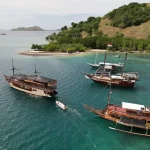
Most visitors are shocked to learn that turquoise water and functioning coral reefs exist within Jakarta’s administrative boundary. The Thousand Islands — officially Kepulauan Seribu — scatter north of the coast, and the closest inhabited islands sit just 40 to 90 minutes by fast boat from Marina Ancol or Muara Angke harbour.
For a day trip, Pulau Tidung, Pulau Pramuka, and Pulau Harapan are the most popular targets. Pulau Tidung has the famous Love Bridge and calm shallows that are easy for families. Pulau Pramuka is quieter, with a small turtle conservation centre and better snorkelling on its eastern side. Pulau Harapan sits further out — about 2.5 hours from Muara Angke — and has the clearest water of the three, though it’s a tight day trip.
The snorkelling around these islands is genuinely rewarding in the dry season (May to September). The water is warm, around 28–30°C, and you’ll spot parrotfish, lionfish, and healthy staghorn coral just metres from the beach. The sound of the boat engine cutting out as you drift into a quiet lagoon, the water shifting from green to vivid blue beneath you, is one of those Jakarta-area moments nobody expects.
Ferry Logistics in 2026
From Marina Ancol, fast ferry services to Pulau Tidung and Pulau Pramuka depart early morning, typically 07:00–08:00, and the return last boat is usually 15:00–16:00 — confirm departure times at the harbour the evening before or via the ferry operator’s WhatsApp number. From Muara Angke (cheaper, more local), wooden public boats leave from around 07:00. The Muara Angke harbour area is chaotic and smells strongly of fish — keep your bags close. Fast boats from Marina Ancol are significantly more comfortable and only slightly more expensive.
Bogor: Botanical Gardens, Cool Streets, and the Road to Puncak
Bogor is 60 kilometres south of Jakarta and, thanks to the Jakarta–Bogor commuter rail line (KRL Commuter Line), it’s the most accessible day trip from the capital. Trains depart from Manggarai, Tanah Abang, or Jakarta Kota stations every 10–15 minutes starting at around 05:00, and the journey takes 60–90 minutes depending on your starting point. The train costs roughly IDR 3,000–5,000 each way — this is not a typo. It is extraordinarily cheap.
The main draw is Kebun Raya Bogor, one of Southeast Asia’s oldest botanical gardens, covering 87 hectares in the centre of the city. The gardens surround the Presidential Palace, and deer wander freely on the palace lawns — you can see them clearly through the fence from inside the gardens. Spend two to three hours walking the wide tree-lined paths, past enormous tropical trees, orchid houses, and lily ponds.
Bogor’s Jalan Suryakencana is the city’s old Chinatown strip and one of the best streets in the Jakarta area for eating. Warung and small restaurants line the road selling soto mie Bogor (a local beef and offal noodle soup), asinan Bogor (a sharp, pickled fruit salad), and talas (taro-based snacks) that locals carry home by the boxful.
From Bogor, you can extend further into the Puncak highlands — a winding mountain road through tea plantations at around 1,500 metres elevation. The air drops noticeably cooler, and on a clear morning, the views back toward the coast are remarkable. Note: Puncak road gets severely congested on Saturday and Sunday afternoons. If you go, plan to return to Bogor before 14:00 or stay until after 18:00 to avoid sitting in complete gridlock.
Bandung: Volcanoes, Cool Air, and the Factory Outlet Strip
Bandung sits 150 kilometres southeast of Jakarta at 768 metres above sea level, which means the air is genuinely cooler — typically 18–24°C during the day, a stark contrast to Jakarta’s sticky 32–34°C. The fastest way to get there is the Whoosh high-speed train, which in 2026 connects Halim station in East Jakarta to Tegalluar station in East Bandung in approximately 45 minutes. This is a game-changer for day trips — what used to require a three-hour toll road slog or a slow four-hour train is now a sub-one-hour ride.
Bandung is the closest access point to the Tangkuban Perahu volcano crater, about 30 kilometres north of the city. The main crater, Kawah Ratu, is a wide, sulphur-venting caldera that you can walk around the rim of. The smell of sulphur is sharp and unmistakable — it hits you before you see the crater. Combine this with Kawah Putih (White Crater) further south, a milky turquoise volcanic lake surrounded by white mineral deposits and ghostly dead trees, and you have a day that genuinely doesn’t look like anywhere else on earth.
Jalan Cihampelas (known locally as Jeans Street) and the factory outlet strip along Jalan Riau are where Jakartans come to shop — and they come in serious numbers on weekends. The factory outlets sell surplus and seconds from Indonesian garment factories at prices that are 30–60% lower than retail. If you’re looking for clothing, this is where to go.
Pelabuhan Ratu: Wild Coast and Fresh Seafood
Pelabuhan Ratu (sometimes spelled Palabuhanratu) is a fishing town on Java’s southern coast, about 150 kilometres from Jakarta. The drive via the Bocimi toll road extension — upgraded again in late 2025 — takes around 2.5 to 3 hours in light traffic, though this is a destination better suited to an early morning departure. The Indian Ocean coast here is nothing like Bali’s beaches. The waves are heavy and powerful, the sand is dark grey and volcanic, and the atmosphere is raw and working-class Indonesian rather than tourist-polished.
The town’s fish market and the seafood restaurants along the waterfront are the main reason to come. In the morning, fishing boats return and unload directly onto the dock. By midday, the restaurants lining the coast are grilling and frying the morning’s catch — grilled lobster, giant prawns, fresh tuna, and crab cooked in various chilli preparations. The smoky, charcoal smell of seafood grilling over open flames drifts along the entire waterfront. Prices are genuinely low compared to Jakarta’s seafood restaurants.
Swimming here is dangerous — the rip currents along this coast are severe, and drownings occur every year. Wade in the shallows only. The appeal is the scenery, the seafood, and the sense that you’re somewhere completely unfiltered.
Ujung Kulon National Park: Java’s Last Jungle

Ujung Kulon is the most serious day trip on this list — and technically, it’s best done as an overnight trip. But it’s possible as a very long day from Jakarta if you have your own car or join an organised tour. The park is at the western tip of Java, roughly 250 kilometres from Jakarta, and it’s the last refuge of the Javan rhinoceros, one of the rarest large mammals on earth. You will almost certainly not see one — there are estimated to be around 80 left, and they avoid humans entirely — but the fact that they’re in the jungle around you is remarkable.
Day tour operators from Jakarta run trips that include transport, a park entry permit, and a ranger guide. The jungle here is dense, humid, and genuinely wild — towering strangler figs, the calls of gibbons overhead, and the occasional monitor lizard crashing through undergrowth. Peucang Island, inside the park, has clear water, sea turtles, and deer that walk right up to you on the beach. This requires pre-arranged transport by boat from Sumur village.
If Ujung Kulon sounds overwhelming for one day, Taman Nasional Gunung Halimun-Salak — closer to Bogor — offers a more accessible jungle experience with waterfalls and endemic bird species.
Anyer and Carita: The Nearest Beach Escape
Anyer and Carita sit on the Banten coast facing the Sunda Strait, about 120 kilometres west of Jakarta. These are not dramatic, pristine beaches — they’re popular, accessible, and honest about what they are: the closest proper sea escape for Jakartans who need sand and water without a long journey. The drive via the Jakarta–Merak toll road takes roughly 2 to 2.5 hours outside of peak times.
The beaches here face Krakatau — you can see the volcanic island clearly from the shore on a good day, its silhouette sitting darkly on the horizon. Sunset from Anyer beach, with Krakatau in the distance and fishing boats crossing the strait, is genuinely atmospheric.
Carita has calmer water than Anyer and is the better choice for swimming. Several beach clubs and resort-style day passes operate along this strip, where you pay an entry fee (typically IDR 100,000–250,000 in 2026) and get access to a pool and beach chairs. For a full day trip experience, arrive by 09:00 and leave by 16:00 before the toll road traffic builds back toward Jakarta.
Getting Out of Jakarta: Transport Reality in 2026
Leaving Jakarta efficiently requires planning around traffic, not just distance. The toll road system has expanded significantly — the Trans-Java toll road network and various feeder routes mean you can now bypass much of inner-city congestion if you exit via the right interchange. That said, the Jagorawi (to Bogor/Puncak), the Jakarta–Merak road (to Anyer), and the Bocimi extension (to Pelabuhan Ratu) all become heavily congested after 06:30 on weekends. Leave by 05:30–06:00 if driving.
- Whoosh High-Speed Train: Halim to Tegalluar (Bandung) in ~45 minutes. Tickets from IDR 150,000 one way. Book via the KCIC app or website — do this at least two days ahead on weekends.
- KRL Commuter Line: Jakarta to Bogor for IDR 3,000–5,000. Trains are frequent and reliable, though crowded during morning rush hours.
- Bus (DAMRI/Agramas/private): Various operators run AC buses from Kampung Rambutan, Lebak Bulus, and other Jakarta terminals to Bandung, Bogor, and Anyer. Fares range IDR 50,000–150,000 depending on route and class.
- Private car or rental: Renting via InDriver, Traveloka car rental, or a local driver is the most flexible option for Pelabuhan Ratu, Anyer, and Ujung Kulon, where public transport connections are poor. A full-day car with driver typically costs IDR 500,000–900,000 in 2026.
- Thousand Islands ferry: Public boats from Muara Angke are cheapest (IDR 50,000–100,000 return). Fast boats from Marina Ancol cost IDR 150,000–350,000 return but are far more comfortable.
Day Trip Budget Breakdown in 2026
Costs below are per person and cover transport, entry fees, and food. Accommodation is not included — these are day trip budgets.
Thousand Islands
- Budget: IDR 150,000–250,000 (Muara Angke public boat, warung lunch, snorkel gear rental)
- Mid-range: IDR 350,000–600,000 (Marina Ancol fast boat, packaged day trip with lunch and gear)
- Comfortable: IDR 800,000–1,500,000 (private speed boat charter, resort day pass)
Bogor
- Budget: IDR 80,000–150,000 (KRL train, Kebun Raya entry IDR 30,000, street food lunch)
- Mid-range: IDR 200,000–400,000 (same plus transport to Puncak by Grab, cafe lunch)
- Comfortable: IDR 500,000–900,000 (private car, nice lunch, tea plantation visit)
Bandung
- Budget: IDR 200,000–350,000 (Whoosh economy class, angkot around city, warung meals)
- Mid-range: IDR 500,000–900,000 (Whoosh first class, Grab to crater, cafe meals)
- Comfortable: IDR 1,200,000–2,500,000 (private transfer, volcano tour, upscale restaurants)
Anyer / Carita
- Budget: IDR 150,000–250,000 (bus, basic beach access, warung seafood)
- Mid-range: IDR 400,000–700,000 (private car share, beach club day pass, lunch)
- Comfortable: IDR 900,000–2,000,000 (private car with driver, resort day pass, full seafood meal)
Pelabuhan Ratu
- Budget: IDR 200,000–350,000 (bus, fresh seafood lunch at harbour warung)
- Mid-range: IDR 500,000–900,000 (private car share, waterfront restaurant meal)
- Comfortable: IDR 1,000,000–2,000,000 (private car with driver, larger seafood feast, hotel pool day pass)
Practical Tips for Day-Tripping from Jakarta
- Go on weekdays if you can. Saturday and Sunday traffic out of Jakarta is genuinely brutal. If your schedule allows a Monday or Tuesday trip, journey times can be halved.
- Bring cash. Many warung, public boats, and smaller attractions outside Jakarta don’t accept GoPay or credit cards. ATMs exist in Bogor and Bandung city centres but are sparse in coastal and rural areas.
- Carry sunscreen and a hat. The sun at Kepulauan Seribu and Anyer/Carita is fierce. At Tangkuban Perahu and Kawah Putih, the wind at altitude is cold but the UV is still high.
- Don’t swim at Pelabuhan Ratu. The southern Java coast is not a swimming coast. The rip currents here are severe.
- WhatsApp is everything. Ferry operators, tour guides, and car rental drivers in Indonesia overwhelmingly prefer to be contacted via WhatsApp. Calling or emailing often goes unanswered.
- Return timing matters more than departure. The real chaos is getting back into Jakarta on Sunday evenings. Aim to be inside the city before 17:00 or wait until after 20:00.
Frequently Asked Questions
What is the easiest day trip from Jakarta for first-time visitors?
Bogor is the easiest. The KRL commuter train runs frequently from central Jakarta stations, costs almost nothing, and takes 60–90 minutes. The botanical gardens are walkable from the station, and the city is compact enough to navigate without a guide. No advance booking required on weekdays.
Can you visit Bandung as a day trip from Jakarta in 2026?
Yes, and the Whoosh high-speed train makes it genuinely feasible. The journey takes around 45 minutes from Halim station. Take an early morning train, spend the day at the crater and city, and return on an evening service. Book tickets in advance via the KCIC app, especially for weekends.
Is it safe to swim at the Thousand Islands beaches?
Generally yes, particularly around Pulau Tidung and Pulau Pramuka where the water is calm and sheltered. The snorkelling is safe in dry season conditions. Avoid swimming immediately after heavy rain, as runoff from Jakarta affects water clarity and quality near the closer islands.
How early should you leave Jakarta for a day trip by car?
By 05:30–06:00 at the latest on weekends. Jakarta’s outbound toll road traffic builds quickly after 07:00 on Saturdays and Sundays, particularly on the Jagorawi toward Bogor and Puncak. Weekday departures are far more forgiving — leaving by 07:00 is usually fine.
What is the best day trip from Jakarta for nature and scenery?
Kawah Putih (White Crater) near Bandung offers the most visually striking landscape — a milky turquoise volcanic lake at altitude surrounded by white mineral deposits. Combine it with Tangkuban Perahu for a full volcanic day. For coastal scenery, the Thousand Islands in dry season is hard to beat.
📷 Featured image by Ravigopal Kesari on Unsplash.