On this page
- Why Wakatobi Still Stops Divers in Their Tracks
- What Makes Wakatobi’s Reefs Unlike Anywhere Else in Indonesia
- Where to Stay: Island by Island
- Dive Centers and Liveaboards: How to Book in 2026
- Above the Water: Land Experiences Worth Your Time
- Where to Eat in Wakatobi
- Getting to Wakatobi: Flights, Ferries, and 2026 Updates
- Getting Around Between the Islands
- When to Go: Diving Windows, Weather, and Festivals
- Island Hopping and Day Trips Worth Making
- Evenings in Wakatobi: What Actually Happens After Dark
- Shopping in Wakatobi
- 2026 Budget Breakdown: What It Actually Costs
- Practical Tips for Wakatobi in 2026
- Frequently Asked Questions
💰 Click here to see Indonesia Budget Breakdown
💰 Prices updated: September, 2026. Budget figures are estimates — always verify before travel.
Exchange Rate: $1 USD = Rp17,928.47
Daily Budget (per person)
Shoestring: Rp358,569 – Rp896,424 ($20.00 – $50.00)
Mid-range: Rp1,254,993 – Rp2,689,271 ($70.00 – $150.00)
Comfortable: Rp2,689,271 – Rp4,482,118 ($150.00 – $250.00)
Accommodation (per night)
Hostel/guesthouse: Rp71,714 – Rp179,285 ($4.00 – $10.00)
Mid-range hotel: Rp448,212 – Rp896,424 ($25.00 – $50.00)
Food (per meal)
Budget meal: Rp26,893.00 ($1.50)
Mid-range meal: Rp143,428.00 ($8.00)
Upscale meal: Rp537,854.00 ($30.00)
Transport
Single metro/bus trip: Rp3,500.00 ($0.20)
Monthly transport pass: Rp200,000.00 ($11.16)
Why Wakatobi Still Stops Divers in Their Tracks
By 2026, Indonesia’s most popular dive destinations — Raja Ampat, Komodo, Bunaken — have become genuinely crowded. Visitor caps, booking queues, and resort waitlists are real problems. Wakatobi National Park in Southeast Sulawesi sits in a different category entirely. Getting here is still an effort. The infrastructure is still minimal. And the reefs are, by virtually every measurable standard, among the healthiest in the world. For divers who’ve grown frustrated watching coral gardens degrade at easier-to-reach sites, Wakatobi is the answer they’ve been looking for. For non-divers, the combination of Bajo sea nomad villages, empty white-sand beaches, and warm, unhurried island life creates something increasingly rare: a tropical destination that doesn’t feel manufactured for tourism.
What Makes Wakatobi’s Reefs Unlike Anywhere Else in Indonesia
Wakatobi sits inside the Coral Triangle — the global epicenter of marine biodiversity. But that description applies to a huge chunk of eastern Indonesia. What separates Wakatobi is the combination of factors that converge here: strong nutrient-rich currents from the Banda Sea, minimal runoff from the small island landmasses, low fishing pressure inside the national park, and almost no sediment disturbance. The result is coral coverage that marine biologists consistently rate above 90% on the best sites.
The park protects roughly 1.39 million hectares of ocean across four main islands — Wangi-Wangi, Kaledupa, Tomia, and Binongko. The name Wakatobi is literally an acronym of those four islands. Each island has its own reef character. Tomia’s walls drop to 40 metres with visibility that regularly exceeds 30 metres. The water is so clear on a calm morning that from a wooden boat you can watch reef sharks patrolling 15 metres below without getting in.
Specific sites worth knowing: Roma near Tomia is a shallow table coral garden where turtles graze so casually they’ll rest on the bottom two metres from your fins. Fan 38 is a wall dive named for the enormous sea fans — some spanning three metres across — that cover the drop-off face. Cornucopia off Wangi-Wangi hosts massive schools of jacks that rotate in formation like a silver tornado. For macro lovers, the muck sites around Hoga Island produce nudibranch species that even experienced dive guides stop to photograph.
Where to Stay: Island by Island
Wakatobi’s four main islands have very different accommodation landscapes. Choosing the right island to base yourself on shapes your entire experience.
Wangi-Wangi
The most accessible island — it has the main airport and the largest town, Wanci. Most budget and mid-range guesthouses are here, and the port connecting to other islands is in Wanci. It’s the practical base for travelers on a tighter budget. The reefs around Wangi-Wangi are good but not the park’s best. Staying here makes sense if you’re arriving on a tight schedule and need a buffer day to sort onward transport.
Kaledupa
Home to one of the largest Bajo (sea nomad) communities in Indonesia, with the famous stilt village of Sampela sitting over the water just offshore. Kaledupa has a handful of small guesthouses and one established dive operation near Hoga Island. It’s the most culturally immersive island of the four — expect to wake up to the sound of outboard engines and women in colorful sarongs paddling wooden canoes at dawn.
Tomia
The premium dive island. Wakatobi Dive Resort — one of Southeast Asia’s longest-running and most respected dive resorts — is based here, though it operates as a full-board exclusive property. Several smaller homestays and mid-range dive guesthouses have opened in Tomia’s main village over the past few years, giving travelers more options than existed pre-2023. If diving quality is your absolute priority, stay on Tomia.

Binongko
The least-visited and most rugged of the four. Basic homestay accommodation only. Binongko is known for its traditional blacksmith villages and relatively untouched interior. A small number of independent travelers stop here, but it suits only those comfortable with very basic conditions and who speak at least some Bahasa Indonesia.
Dive Centers and Liveaboards: How to Book in 2026
The dive infrastructure in Wakatobi is concentrated but competent. A few key operators handle the majority of guided diving in the park.
Wakatobi Dive Resort on Tomia remains the benchmark. It operates its own house reef, trained guides, and a full-service dive center with nitrox fills. It’s expensive — packages run from IDR 12,000,000 to IDR 25,000,000 per person per night all-inclusive — but the access and guide quality justify it for serious divers.
Operation Wallacea runs research-based dive programs out of Hoga Island near Kaledupa, primarily for students and volunteers, but independent travelers can join their dive trips during certain periods. Check their 2026 schedule before arriving — spots fill months ahead.
Patuno Resort on Wangi-Wangi has a reliable dive center and is a more accessible entry point for travelers who want guided diving without committing to Tomia’s price point. Their boats can reach sites around Wangi-Wangi and, on day trips, sites further into the park.
For liveaboards, the Wakatobi circuit has seen more vessels added since 2024. Operators like Tambora and Pelagian (Wakatobi Dive Resort’s dedicated liveaboard) run week-long circuits covering all four islands. Liveaboard trips typically cost IDR 25,000,000–IDR 55,000,000 per person for 7 nights, depending on the vessel standard. Book directly with operators at least 4–6 months in advance for peak season (April–June).

Above the Water: Land Experiences Worth Your Time
Wakatobi is marketed almost exclusively at divers, which undersells the land-based experiences. The islands are small enough to explore on foot or by ojek in a day, but what you find when you slow down is genuinely compelling.
On Kaledupa, visiting Sampela village is the standout. The Bajo community here has lived over the sea for generations, and their stilt-house village extends hundreds of metres into the bay. Walking the narrow wooden walkways between houses in the late afternoon — past kids fishing off their front steps, past women weaving and elders watching the water — is one of those experiences that reframes what a “village visit” can be. Go without a formal tour; just walk in respectfully and let things unfold.
On Wangi-Wangi, the interior hills offer short treks with views across the archipelago. The peak above Wanci town takes about 45 minutes to climb and gives you a panoramic view of the island chain stretching toward Tomia that’s worth the sweat.
On Binongko, the traditional pandai besi (blacksmith) villages produce hand-forged tools — machetes, farming implements — using techniques largely unchanged for centuries. The workshop visits are informal; show up, watch, and if you want to buy something, prices are very fair and the items are genuinely useful.
Where to Eat in Wakatobi
Don’t arrive expecting a food scene. Wakatobi is remote and the eating options reflect that. But what exists is honest, fresh, and often excellent in the way that simply-cooked seafood can be when the fish came out of the water that morning.
In Wanci (Wangi-Wangi’s main town), the small pasar pagi (morning market) near the port is open from around 5:30am. Grab fresh grilled fish wrapped in banana leaf, eat it standing with a cup of sweet black coffee from a thermos vendor, and you have the best breakfast available on the island. The market smell hits you first — wood smoke, salt water, and the char of fish skin — before you even see the stalls.

For sit-down meals in Wanci, several small warungs along the main road toward the port serve standard Indonesian rice and noodle dishes. Warung Ibu Hasna near the market is known locally for its ikan bakar (grilled fish) and rica-rica (spicy Manado-style sauce) — expect to pay IDR 35,000–IDR 60,000 per meal.
On Tomia, the village warungs near the main jetty serve simple meals. If you’re staying at Wakatobi Dive Resort, all meals are included and the quality is notably high for such a remote location. For budget travelers in Tomia’s village, look for the informal food stalls that set up in the early evening — grilled corn, fried cassava, and whatever catch came in that day.
On Kaledupa, the Hoga Island area has a small warung that serves meal-of-the-day style food — usually rice, greens, and fish. It caters largely to Operation Wallacea researchers, but walk-ins are welcome. There’s no menu; you eat what they’ve cooked.
Fresh coconuts are available everywhere and cost IDR 10,000–IDR 15,000. Cold drinks are available in the towns. On the smaller islands, cold anything depends on the guesthouse having a working refrigerator and electricity.
Getting to Wakatobi: Flights, Ferries, and 2026 Updates
This is the honest reality of getting to Wakatobi: it requires planning and flexibility. There are no direct flights from Bali or Jakarta.
The primary route in 2026 is: fly to Makassar (Sultan Hasanuddin Airport) or Kendari (Haluoleo Airport) in Southeast Sulawesi, then connect to Matahora Airport on Wangi-Wangi. Wings Air operates the Kendari–Wangi-Wangi route, and as of 2026, there’s also a revived Makassar connection several days per week. Flight times are short — under an hour — but seats are limited and the schedule changes seasonally. Book domestic legs as early as possible through Traveloka or directly with Wings Air.

The overland-and-ferry alternative from Kendari involves bus to Kolaka, ferry to Baubau on Buton Island, then a fast ferry or slow ferry to Wangi-Wangi. The total journey can take 12–18 hours depending on connections. It’s an option for very budget-conscious travelers or those who enjoy the journey itself, but the domestic flight is worth the cost for most people.
A significant 2026 update: the Kendari–Wangi-Wangi air route now has a second operator in certain peak months, which has reduced prices and increased availability compared to 2024. Check both Wings Air and TransNusa for comparative pricing before booking.
Getting Around Between the Islands
Once on Wangi-Wangi, getting to the other islands means boats. The public ferry system connecting the four main islands runs on an irregular schedule and is cheap — IDR 20,000–IDR 80,000 depending on the route — but timing is unreliable. Ferries between Wangi-Wangi and Kaledupa take about 1.5–2 hours. Kaledupa to Tomia is another 2 hours.
Speed boat charters are the practical choice for most travelers with any budget flexibility. A private speedboat between islands costs IDR 500,000–IDR 2,500,000 depending on the distance and negotiation. Guesthouses on Wangi-Wangi can arrange charters. The ride between islands on a flat-sea morning — watching flying fish scatter off the bow, passing uninhabited islets ringed with reef — is one of those travel moments that justifies the expense.
Within each island, ojek (motorbike taxis) are the standard transport. In Wanci, you’ll find them outside the market and port. On the smaller islands, ask your guesthouse to arrange one. Expect to pay IDR 15,000–IDR 50,000 for short rides. There are no taxis and no Grab or Gojek in Wakatobi — this is genuinely off-grid for ride apps.

When to Go: Diving Windows, Weather, and Festivals
Wakatobi’s best diving visibility aligns with the dry season: April through November. Peak visibility — regularly 30 metres or more — happens in May, June, and July. These months also bring the calmest seas, making inter-island boat crossings comfortable.
August and September see the most visitors, particularly international divers from Europe and Australia. Liveaboards are booked solid during this window. If you want the best diving conditions but slightly fewer people, May and early June is the sweet spot.
December through March is the wet season, with the northwest monsoon bringing rain and occasionally rough seas. Some dive sites become inaccessible. Visibility drops to 10–15 metres at many sites. The upside: prices fall, resorts have space, and the rain itself is often short and dramatic rather than all-day grey. A handful of divers actually prefer the wet season’s moodier conditions and the schooling fish behavior it triggers.
Local festivals worth timing around: Kabuenga Festival on Wangi-Wangi — a traditional Bajo cultural festival featuring sea rituals, traditional music, and boat races — typically takes place in late May or early June. Exact dates shift annually, so confirm the schedule closer to your travel date through the local tourism office in Wanci.
Island Hopping and Day Trips Worth Making
Hoga Island: A short boat ride from Kaledupa, Hoga is uninhabited (apart from the Operation Wallacea research station) and surrounded by some of the park’s most accessible reef. Day trips from Kaledupa or Wangi-Wangi are straightforward to arrange. The beach on Hoga’s western side is postcard-perfect — fine white sand, zero development.

Sombano Lake: A saltwater lake on Kaledupa connected to the sea through underground channels. You reach it via a short walk through mangroves. The lake contains jellyfish (non-stinging, similar to Kakaban in Berau) and snorkeling inside it is surreal — floating among hundreds of jellyfish in brackish, tea-coloured water. Getting here requires arranging a boat to Kaledupa and a local guide; the lake isn’t signposted.
Pulau Anano: A tiny uninhabited island near Wangi-Wangi with excellent snorkeling off its fringing reef. Half-day charters from Wanci cost around IDR 400,000–IDR 700,000 for the boat. Bring your own food and water.
Teluk Tomia: Tomia’s main bay has several good snorkeling spots reachable by canoe or small boat hired from the village. The bay’s calm water makes it suitable for non-swimmers using life vests, and the inner reef sections are shallow enough for confident snorkelers to explore without a guide.
Evenings in Wakatobi: What Actually Happens After Dark
Wakatobi is not a nightlife destination. Being clear about that saves disappointment. There are no bars, no clubs, no cocktail menus. What there is can actually be quite special if you adjust your expectations.
In Wanci, the waterfront area comes alive in the early evening with food carts and locals socializing. Vendors sell bakso (meatball soup), pisang goreng (fried banana), and grilled corn. The town generator keeps the lights on until around 10pm in most areas. Sitting at a plastic table on the waterfront with a bowl of bakso, watching fishing boats head out with their kerosene lanterns glowing, is a genuinely atmospheric way to spend an evening.
At the guesthouses and dive resorts, evenings are social — divers sharing the day’s sightings over dinner, reviewing GoPro footage, planning the next morning’s sites. Wakatobi Dive Resort hosts organized evening presentations and slide shows during peak season. The dive-day-dinner-sleep rhythm is part of what Wakatobi is.

Sunset watching is excellent from the western sides of all four islands, and from the boats crossing between them. The light over the Banda Sea at dusk — pink and orange fading into a deep violet that makes the water look almost purple — is the kind of thing that sounds like a cliché until you’re actually watching it.
Shopping in Wakatobi
Shopping is extremely limited and that’s fine — it’s not why people come. In Wanci, the main market sells practical items: fresh produce, dried fish, local spices, household goods. For souvenirs, look for handwoven textiles from local workshops — the region produces a style of traditional weaving with geometric patterns in earthy tones. Small pieces can be found in the market for IDR 100,000–IDR 400,000.
On Binongko, hand-forged knives and tools from the blacksmith villages are genuinely worth buying as functional souvenirs. A well-made parang (machete) costs IDR 150,000–IDR 350,000 and is actually useful. Wrap it carefully for the flight home — check-in luggage only, obviously.
Don’t buy marine products: shells, corals, or anything sourced from the reef. It’s illegal within the national park and actively harmful. Guides and guesthouses take this seriously, and customs at Indonesian airports have become stricter about marine items in 2026.
2026 Budget Breakdown: What It Actually Costs
Budget tier (staying in basic homestays, eating at warungs, using public ferries):
- Accommodation: IDR 150,000–IDR 300,000 per night
- Meals: IDR 30,000–IDR 80,000 per meal
- Diving (if using budget operators): IDR 400,000–IDR 600,000 per dive including equipment
- Inter-island transport (public ferry): IDR 20,000–IDR 80,000 per crossing
- National park entry fee: IDR 250,000 per person (mandatory for all visitors entering the park)
- Estimated daily total (non-dive day): IDR 350,000–IDR 600,000
- Estimated daily total (dive day): IDR 900,000–IDR 1,500,000
Mid-range tier (small guesthouses with private rooms, some private boat charters, guided diving):

- Accommodation: IDR 450,000–IDR 900,000 per night
- Meals: IDR 60,000–IDR 150,000 per meal
- Diving (guided, 2 dives): IDR 700,000–IDR 1,200,000
- Boat charters and transport: IDR 200,000–IDR 600,000 per day
- Estimated daily total: IDR 1,500,000–IDR 3,000,000
Comfortable tier (Wakatobi Dive Resort or premium liveaboard, all-inclusive):
- All-inclusive resort packages: IDR 12,000,000–IDR 25,000,000 per person per night
- Liveaboard packages: IDR 25,000,000–IDR 55,000,000 for 7 nights
- These prices cover accommodation, meals, and diving — transport to Wakatobi is additional
Practical Tips for Wakatobi in 2026
Cash is essential. There is one ATM in Wanci that accepts foreign cards, and its reliability is inconsistent. Bring enough rupiah from Makassar or Kendari to cover your entire stay. Guesthouses and dive operators do not accept credit cards in most cases. On Tomia and Kaledupa, there are no ATMs.
Connectivity. Telkomsel has the strongest signal in Wakatobi and the only reliable 4G coverage in Wanci. On other islands, coverage drops to 2G or disappears entirely. Buy a Telkomsel SIM with a data package before arriving — Makassar airport has official Telkomsel counters. Don’t expect to be reachable outside the main towns.
Health preparation. The nearest hospital with meaningful capacity is in Baubau or Kendari. Bring a comprehensive personal first aid kit, any prescription medication you need for the trip, and consider travel insurance with emergency evacuation coverage — this is not optional in a location this remote. Dive accident insurance (DAN or equivalent) is strongly recommended for divers.
Marine park rules. No touching coral. No collecting anything. No gloves allowed while diving (gloves encourage touching). No feeding fish. No anchoring on reefs — all legal dive sites use mooring buoys. The 2026 park regulations impose fines for violations; they are enforced.
Electricity. Most guesthouses run on generator power, available for a limited number of hours per day — usually 6pm to midnight. Bring a power bank. Charge everything when you can.

Language. English is spoken well at the dive resorts and by some guesthouse owners on Wangi-Wangi. On Kaledupa, Tomia, and especially Binongko, basic Bahasa Indonesia is essential. A translation app with offline capability is genuinely useful here.
Frequently Asked Questions
Do I need to be a scuba diver to enjoy Wakatobi?
No, but diving dramatically expands what you can experience here. Non-divers can snorkel on excellent shallow reefs, visit Bajo stilt villages, explore island interiors, and take day trips to spots like Sombano jellyfish lake. That said, if the marine environment is your primary draw, learning to dive before visiting makes a significant difference to what you’ll see.
How many days should I spend in Wakatobi?
Allow a minimum of 5 days to experience more than one island and fit in proper diving. Seven to ten days is ideal if you want to cover Wangi-Wangi, Kaledupa, and Tomia without rushing. Factor in at least one buffer day for weather delays or transport complications — they happen here regularly.
Is Wakatobi safe for solo travelers?
Yes. The local communities are welcoming and petty crime is very rare. The main risks are practical: medical emergencies far from hospitals, boat trips in rough weather, and diving accidents in a remote location. Solo travelers should inform their guesthouse of their daily plans and avoid solo diving without a guide.
What’s the water temperature in Wakatobi, and what wetsuit do I need?
Surface water temperature ranges from 27°C to 30°C year-round. A 3mm wetsuit is adequate for most divers. Some people dive in just a rashguard during the warmest months. At depth on longer dives, a 5mm suit adds comfort. The water is genuinely warm by global standards — it rarely feels cold.
Can I visit Wakatobi on a budget without booking a dive resort package?
Yes, but it requires more planning. Stay in homestays in Wanci or Tomia village, arrange dives directly with smaller operators, and use public ferries between islands. The experience is less polished but entirely possible. Budget IDR 900,000–IDR 1,500,000 per day for a dive day, and significantly less on non-dive days. Bring all the cash you’ll need from the mainland.
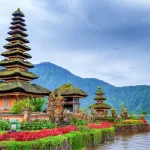
📷 Featured image by Bayu Setiawan on Unsplash.