On this page
- Why Yogyakarta Hits Different in 2026
- The Neighbourhoods You Actually Need to Know
- Getting Into and Around Yogyakarta
- The Unmissable Sights — and How to Do Them Right
- Where to Eat Without Getting It Wrong
- 2026 Budget Reality: What Everything Actually Costs
- When to Go and How Long You Actually Need
- Practical Essentials Before You Arrive
- Frequently Asked Questions
Why Yogyakarta Hits Different in 2026
A lot of first-timers land in Yogyakarta expecting a smaller, quieter Bali. What they find is something harder to pin down — a city that’s genuinely proud of its own identity. Yogyakarta (locals call it Jogja) is still Indonesia’s cultural heartland: the centre of Javanese classical arts, batik production, wayang puppet theatre, and a living sultanate that actually functions. But it’s also a university city with around 300,000 students, which keeps it sharp, cheap, and moving.
The real 2026 pain point is information overload. Jogja has exploded as a domestic tourism destination since Indonesia shifted post-pandemic travel habits, and a lot of the advice online is either outdated or written for people who just want to photograph Borobudur and leave. This guide is for people who want to understand what they’re walking into — and get the most out of the city beyond the Instagram circuit.
The Neighbourhoods You Actually Need to Know
Jogja isn’t a city you understand from a map — you understand it by knowing which neighbourhood does what. Here’s how it breaks down for a first-timer.
Malioboro and the Kraton Quarter
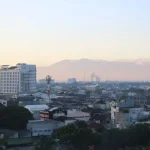
This is the spine of the city. Jalan Malioboro runs north from the train station toward the Keraton (Sultan’s Palace), and it’s where Jogja’s commercial and cultural identity converges. The street itself is dense with batik shops, becak drivers, and street food stalls that start firing up around 6 PM. The Kraton Quarter just south of Malioboro is quieter, older, and genuinely worth wandering — narrow lanes called kampung hide small workshops where artisans still hand-stamp batik fabric on wooden tables. The air around here in the evening carries the faint smell of burning wood from food carts, mixed with clove cigarette smoke from older men playing chess outside their front doors.

Prawirotaman
About 2.5 kilometres south of Malioboro, Prawirotaman is where the boutique guesthouses, art galleries, and European-owned cafés concentrate. It’s relaxed without being boring. If Malioboro is where you see Jogja, Prawirotaman is where you sit down and think about it. Budget travellers tend to avoid it because accommodation runs higher, but the neighbourhood is genuinely walkable and the street food scene on Jalan Prawirotaman 1 in the evenings holds its own.
Kotagede
The old capital of the Mataram Sultanate, Kotagede sits about 5 kilometres southeast of the city centre. Most visitors skip it entirely, which is a mistake. The silver workshops here — some have operated for four generations — produce filigree jewellery that you won’t find replicated anywhere else in Java. The old market and the royal tombs are genuinely atmospheric, and the neighbourhood hasn’t been sanitised for tourism.
Kaliurang and the Merapi Corridor
North of the city, the road to Kaliurang climbs toward the southern slopes of Gunung Merapi. This isn’t a neighbourhood you’ll stay in as a base, but if you’re spending more than three days in Jogja, the volcano corridor is a completely different face of the city — cooler air, pine forest edges, warung serving hot corn and wedang ronde (ginger soup with rice balls) to weekend visitors escaping the heat below.
Getting Into and Around Yogyakarta
Arriving in 2026
Yogyakarta International Airport (YIA), located in Kulon Progo about 45 kilometres west of the city centre, is fully operational and handles most international and domestic flights. The airport rail link — the Kereta Bandara YIA — connects the airport to Yogyakarta’s main Tugu station in around 40 minutes and costs IDR 20,000. It runs every 30 minutes from early morning until late evening. This is far cheaper and more reliable than a taxi, which can cost IDR 200,000–300,000 depending on traffic and which operator you use.

If you’re coming from Jakarta or Surabaya by train, you’ll arrive at Yogyakarta Tugu Station (central) or Lempuyangan Station (slightly east of centre). Both are well-connected. The Argo Bromo Anggrek from Jakarta takes around 8 hours and is genuinely comfortable — executive class seats are wide, the air conditioning works, and the ride through the north coast of Java at night is worth doing at least once.
Getting Around the City
Trans-Jogja buses cover the main corridors and cost a flat IDR 3,500 per ride in 2026. They’re fine for Malioboro and the main temple route, but the network is slow and routes aren’t always intuitive for newcomers. Most first-timers end up using a combination of:
- Grab or Gojek motorcycle taxi (ojek) — fast, cheap, reliable for solo travel within the city. IDR 10,000–25,000 for most city trips.
- Grab or Gojek car — better for two people with luggage or longer journeys. IDR 30,000–70,000 within the city.
- Becak (bicycle rickshaw) — genuinely useful for the Malioboro–Kraton area where motorised traffic is restricted at certain hours. Negotiate the price before you sit down; IDR 20,000–40,000 for short rides is reasonable.
- Rented scooter — the most flexible option if you’re confident riding. IDR 70,000–100,000 per day from rental shops near Prawirotaman. Indonesian SIM licence or international driving permit is technically required; enforcement is inconsistent but accidents are not.
The Unmissable Sights — and How to Do Them Right
Borobudur
The 9th-century Buddhist monument is 42 kilometres northwest of the city and is non-negotiable. But how you visit it matters enormously. The standard tourist approach — arrive mid-morning with four bus groups, photograph the stupas in 35-degree heat, leave — misses the point. The timed-entry system introduced in 2025 and running through 2026 actually helps with this: the first entry slot (around 6:30 AM) puts you on the upper terrace as the mist lifts off the surrounding jungle. The volcanic stone of the 72 stupas is still cool from the night, and the scale of the thing — 2,600 relief panels carved across nine terraced levels — becomes comprehensible when it’s not surrounded by crowds. Entry costs IDR 300,000–350,000 for foreign visitors in 2026, which includes a mandatory sarong and guide assignment at the base.

Prambanan
The Hindu temple compound 17 kilometres east of Jogja is architecturally the opposite of Borobudur: vertical, sharp, theatrical. The three central towers dedicated to Brahma, Vishnu, and Shiva rise 47 metres and the detail in the bas-reliefs depicting the Ramayana is extraordinary. Unlike Borobudur, Prambanan is more accessible without advance booking on most weekdays (though this can change — check the official Prambanan website before you go). Come in the late afternoon when the light turns the pink andesite amber. Entry is IDR 250,000 for foreign visitors.
The Kraton (Sultan’s Palace)
The Kraton is the living palace of the Yogyakarta Sultanate — Sultan Hamengku Buwono X still resides in the inner compound. The public section is modest in size but genuinely interesting: gamelan instruments, ceremonial weapons, royal portraits, and guides who explain the cosmological logic of the palace’s north–south axis with the volcano and the sea. Entry is IDR 20,000. Go in the morning before the tour groups arrive.
Gunung Merapi
Indonesia’s most active volcano is a day-trip from Jogja, not a casual hike. For most visitors, the jeep tour from Kaliurang is the right call — you get up close to the 2010 lava flow, see the ruins of Mbah Marijan’s house (the famous juru kunci who refused to evacuate), and understand the scale of what Merapi does to the landscape. Jeep tours run IDR 350,000–500,000 per jeep (fits 4 people) and leave from the Kaliurang area from around 5 AM for sunrise. Merapi’s activity level fluctuates — check BPPTKG (the local volcanology agency) reports before booking.

Where to Eat Without Getting It Wrong
Jogja has a distinct food personality. The Javanese palate here runs sweeter than elsewhere in Indonesia — gudeg, the city’s signature dish of young jackfruit slow-cooked with coconut milk and palm sugar for hours until it turns deep brown and almost caramelised, is something you either love immediately or need two attempts to understand. Most warungs along Jalan Wijilan (east of the Kraton) have been serving gudeg for decades. A full portion with rice, egg, chicken, and krecek (crispy spiced rind) costs IDR 25,000–45,000.
For something different:
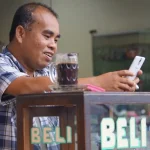
- Angkringan stalls on Jalan Malioboro and around Tugu Station — these are the low wooden cart setups where you sit on a bench and order from small bamboo skewers of rice, tofu, tempeh, and chicken intestines for IDR 2,000–5,000 per piece. Wash it down with kopi joss — black coffee with a piece of burning charcoal dropped in to cut the acidity. It tastes exactly as dramatic as it sounds.
- Bale Raos, inside the Kraton compound — serves royal Javanese recipes not found in regular warungs. Prices run mid-range (IDR 80,000–200,000 per dish) but the context is unlike any other restaurant in the city.
- Pasar Beringharjo — the main market on Jalan Malioboro has a second floor dedicated almost entirely to Javanese snacks. The bakpia pathok (sweet bean-filled pastry, Jogja’s most famous export snack) sold here is fresher and cheaper than the gift boxes sold on the ground floor of tourist shops.
2026 Budget Reality: What Everything Actually Costs

Jogja remains one of the most affordable cities in Indonesia for travellers, but prices have moved since 2024 — domestic tourism has pushed accommodation and popular restaurant prices noticeably upward in Prawirotaman and around Malioboro.
Accommodation
- Budget: IDR 120,000–250,000/night — basic guesthouses (losmen) near Malioboro or Sosrowijayan. Fan rooms, shared bathrooms, clean enough.
- Mid-range: IDR 350,000–700,000/night — good air-conditioned rooms, private bathroom, often a small pool. Prawirotaman and around Jalan Dagen.
- Comfortable: IDR 900,000–2,500,000/night — boutique heritage hotels, larger pools, breakfast included. The best options in this range book out 2–3 weeks ahead on weekends.
Food
- Budget: IDR 15,000–40,000 per meal at warungs and angkringan stalls.
- Mid-range: IDR 60,000–150,000 per meal at sit-down restaurants and cafés.
- Comfortable: IDR 200,000–500,000+ at hotel restaurants or specialty venues like Bale Raos.
Transport
- Airport train: IDR 20,000
- Gojek/Grab ojek across the city: IDR 10,000–30,000
- Borobudur day-trip by private car (4 hours): IDR 400,000–600,000
- Trans-Jogja bus: IDR 3,500 flat
Entrance Fees (2026 rates)
- Borobudur: IDR 300,000–350,000 (foreign visitor)
- Prambanan: IDR 250,000 (foreign visitor)
- Kraton: IDR 20,000
- Merapi jeep tour: IDR 350,000–500,000 per jeep
When to Go and How Long You Actually Need
Seasons
Yogyakarta sits in Java’s dry season from May to September — this is the most comfortable time to visit, with low humidity, clear skies, and the best conditions for early-morning Borobudur visits. The rainy season runs November through March. Rain doesn’t make Jogja inaccessible, but Merapi jeep tours become muddy and Prambanan’s open-air compound gets slippery. The temples are arguably more atmospheric in the rain, for what it’s worth.
The peak domestic tourism period is June–July (school holidays) and the long Eid ul-Fitr break (date shifts annually — check the Indonesian calendar). During these windows, accommodation prices jump 50–100% and the main sights feel genuinely crowded. If your dates are flexible, April and September are the sweet spot.
How Long Do You Need?

Three days is the minimum to cover the core circuit (Borobudur, Prambanan, Kraton, Malioboro) without rushing. Five days lets you add Kotagede, a half-day on Merapi, and actual time to sit in a café in Prawirotaman without feeling guilty. Seven days is comfortable and opens up day trips to Dieng Plateau (2.5 hours northwest) or the south coast beaches at Gunung Kidul, which have grown significantly in infrastructure since 2024.
Practical Essentials Before You Arrive
SIM Cards and Connectivity
Buy a local SIM at the airport immediately on arrival — Telkomsel (most reliable coverage) or XL Axiata. In 2026, tourist SIM packages are sold at booths inside both YIA and Tugu Station and include 30–50 GB of data for IDR 80,000–150,000. Registration now requires your passport to comply with Indonesia’s updated SIM registration rules introduced in 2024.
Cash Versus Digital Payments
Jogja’s warung economy still runs heavily on cash. QRIS (Indonesia’s unified QR payment system) is accepted at most mid-range restaurants and shops in 2026, but angkringan stalls, becak drivers, market vendors, and temple ticket windows often don’t take it. Carry IDR 200,000–300,000 in small bills at all times. ATMs on Jalan Malioboro and in Prawirotaman are reliable; use bank ATMs over standalone machines to avoid skimming.
Temple Dress Codes
Borobudur and Prambanan provide sarongs at the entrance — use them, even if you’re wearing long trousers. The Kraton requires covered shoulders and no shorts; a simple cotton shirt solves this. Mosques around the city require head covering for women and no shoes. Keep a light cotton scarf in your bag.
Safety and Scams
Jogja is one of the safer cities in Indonesia for tourists, but two recurring scams are worth knowing. The first is the “batik school” diversion — a becak or ojek driver offers to take you somewhere interesting and instead routes you through a relative’s batik shop where you’re subjected to aggressive sales pressure. Just be direct about your destination when you get in. The second is fake Borobudur tickets sold near the road leading to the monument; since the timed-entry system moved fully online in 2025, any physical ticket sold outside the official gate is fraudulent.

Frequently Asked Questions
Is Yogyakarta safe for solo female travellers?
Yes, Jogja is considered one of the safer Indonesian cities for solo women. Street harassment is less common than in some other Indonesian cities, the student population keeps the social environment relatively progressive, and the main tourist areas are well-lit at night. Standard precautions apply — use app-based transport at night rather than flagging down random ojek.
Do I need a guide for Borobudur and Prambanan?
For Borobudur, a guide significantly improves the experience — the narrative carved into 2,600 relief panels is dense and a good guide turns it from impressive stone into a coherent story. At Prambanan, the signage has improved considerably and self-guiding is perfectly fine. Official guides at both sites are licensed and available at the gate for IDR 150,000–250,000 per 2-hour session.
How do I get from Yogyakarta to Bali?
The fastest option is a direct flight from YIA to Ngurah Rai (Denpasar), which takes about 1 hour 20 minutes. Several carriers including Garuda, Lion Air, and Citilink operate this route, with fares ranging from IDR 400,000–900,000 depending on timing. The overland option — train to Banyuwangi, then ferry to Bali — takes 12+ hours but is an experience in itself if you have the time.
What is the best time of day to visit Malioboro?
Early morning (6–8 AM) for the market atmosphere and relatively cool temperatures, or evening (6–10 PM) for the street food stalls and live performances near the Vredeburg Fort area. Midday is genuinely uncomfortable — the concrete retains heat and the shopping arcade crowds peak between 10 AM and 3 PM. Avoid visiting Malioboro on Sunday mornings when a weekly pedestrian event closes part of the street and significantly increases crowds.
Can I visit Borobudur and Prambanan in the same day?
Technically yes, but it makes for a long and tiring day. Borobudur is 42 kilometres west of the city; Prambanan is 17 kilometres east. Doing both back-to-back means 4–5 hours of travel plus time at each site in the heat. If you only have one day, prioritise Borobudur in the morning and save Prambanan for a separate afternoon. Your legs and your attention span will thank you.
Explore more
The Ultimate Yogyakarta Food Guide: What to Eat & Where
The Ultimate Guide to Yogyakarta: Unforgettable Things to Do & See
20 Best Things to Do in Yogyakarta for First-Timers
📷 Featured image by Afif Ramdhasuma on Unsplash.