On this page
- Jakarta’s Food Scene in 2026: What’s Actually Worth Your Time
- Street Food Trails: The Best Neighbourhoods for Eating on Foot
- Traditional Markets and Pasar Malam: Where Jakarta Really Feeds Itself
- Jakarta’s Best Warungs: Small Stalls, Big Food
- Food Courts and Malls Worth Eating In
- Breakfast in Jakarta: Where to Eat Before 9am
- Jakarta’s Seafood Districts: Where to Eat Fresh From the Water
- Nasi Padang and Regional Indonesian Food: Beyond Betawi
- Sweet Treats, Snacks, and Drinks: Jakarta’s Dessert and Kopi Scene
- 2026 Food Budget Breakdown: What Eating in Jakarta Actually Costs
- Practical Tips for Eating in Jakarta in 2026
- Frequently Asked Questions
💰 Click here to see Indonesia Budget Breakdown
💰 Prices updated: August, 2026. Budget figures are estimates — always verify before travel.
Exchange Rate: $1 USD = Rp17,720.00
Daily Budget (per person)
Shoestring: Rp389,840 – Rp1,151,800 ($22.00 – $65.00)
Mid-range: Rp886,000 – Rp1,772,000 ($50.00 – $100.00)
Comfortable: Rp4,430,000 – Rp8,860,000 ($250.00 – $500.00)
Accommodation (per night)
Hostel/guesthouse: Rp53,160 – Rp744,240 ($3.00 – $42.00)
Mid-range hotel: Rp460,720 – Rp1,772,000 ($26.00 – $100.00)
Food (per meal)
Budget meal: Rp30,000.00 ($1.69)
Mid-range meal: Rp105,000.00 ($5.93)
Upscale meal: Rp1,250,000.00 ($70.54)
Transport
Single metro/bus trip: Rp5,000.00 ($0.28)
Monthly transport pass: Rp886,000.00 ($50.00)
Jakarta’s Food Scene in 2026: What’s Actually Worth Your Time
Jakarta has always had too much food and not enough time. But in 2026, the problem has sharpened — the city’s food tourism boom has pushed a wave of overpriced, Instagram-optimised restaurants into every neighbourhood, and the gap between “authentic” and “performed authentic” has never been wider. Visitors who rely on mainstream apps alone often end up paying four times the local price for food that tastes half as good. This guide cuts through that. Every recommendation here is rooted in where Jakarta people actually eat — the sweaty plastic-stool warungs, the market stalls that run out by 9am, the food courts that locals refuse to walk past. If you’re serious about Indonesian food, Jakarta is the right city. Here’s how to eat it properly.
Street Food Trails: The Best Neighbourhoods for Eating on Foot
Jakarta’s best street food is not evenly distributed. Knowing which neighbourhood to walk through — and at what time — makes the difference between a mediocre food walk and something you’ll talk about for years.
Glodok (Jakarta’s Chinatown)
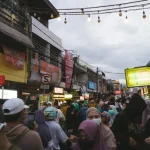
Glodok in West Jakarta is the most food-dense neighbourhood in the city. The alleyways around Jalan Pancoran and Gang Gloria fill up from around 6pm with vendors selling kwetiau goreng, babi panggang (roasted pork), bakmi ayam (chicken noodle soup), and tahwa (silken tofu in ginger syrup). The smell of charred noodles and pork fat hangs in the humid evening air, mixing with the glow of red lanterns strung between buildings. Glodok was partially damaged in the 2024 fire that swept through parts of the old market, but by 2026 the street food scene has rebuilt and in many ways returned stronger, with several multi-generational vendors who relocated during reconstruction now back in their original spots.
Jalan Sabang & Jalan Jaksa Area (Central Jakarta)
Jalan Sabang — a short stretch near the National Monument — is one of Jakarta’s most reliable street food corridors, open late into the night. Expect sate kambing (goat satay) grilled over coconut shell charcoal, nasi goreng cooked to order from mobile carts, and vendors selling martabak manis (thick sweet pancakes stuffed with chocolate, cheese, or peanut). This strip is popular with office workers and students, not tourists, which keeps prices honest — most dishes run between Rp 15,000 and Rp 35,000.

Kota Tua (Old Batavia) Evening Stretch
After the museums close, the streets around Kota Tua’s main square come alive with food carts. Betawi classics dominate here: kerak telor (spiced egg and glutinous rice cooked on charcoal), asinan Betawi (pickled vegetable salad with peanut sauce), and bir pletok (a non-alcoholic spiced ginger drink that tastes like nothing else in Indonesia). The kerak telor vendors fan their charcoal with bamboo hand fans — it’s a slow, rhythmic process, and the result is worth the wait.
Traditional Markets and Pasar Malam: Where Jakarta Really Feeds Itself
Jakarta’s traditional markets — called pasar — are functional, slightly chaotic, and full of food that’s been made the same way for decades. These are not heritage experiences staged for visitors. They are working markets.
Pasar Santa (South Jakarta)
Pasar Santa in Kebayoran Baru went through a hipster renovation phase in the early 2010s, but in 2026 it has settled into something more interesting: a genuine mix of traditional wet market stalls on the lower floors and a rotating cast of independent food vendors upstairs. Come on a Saturday morning for lontong sayur (rice cakes in vegetable curry), fresh tempe mendoan (soft-fried tempeh), and strong black coffee served in glass tumblers.
Pasar Benhil (Bendungan Hilir)
This is Jakarta’s most famous Ramadan market, but locals use it year-round. The alley behind the main market building fills up from around 4pm with vendors selling kolak pisang (banana in palm sugar coconut milk), es campur (shaved ice with mixed toppings), and dozens of varieties of kue basah (wet cakes made with coconut milk and pandan). Prices here are some of the lowest in the city.

Pasar Mayestik (South Jakarta)
Mayestik is a working market — meat, fish, vegetables — but its periphery has excellent ready-to-eat food. The row of stalls along the south entrance serves gado-gado made to order, with the vendor grinding fresh peanut sauce in front of you. That crunch of toasted peanuts crushed with garlic, chilli, and a squeeze of lime is something that no restaurant version fully replicates.
Jakarta’s Best Warungs: Small Stalls, Big Food
A warung is not a restaurant. It is a small, owner-operated food stall or shop — sometimes just a few tables on a covered terrace, sometimes a tin-roofed lean-to by the roadside. Jakarta has thousands of them, and the best ones are built on recipes passed down over generations.
Warung Nasi Uduk Ibu Haji Maimunah (Central Jakarta)
On Jalan Cikini Raya, this warung has been serving nasi uduk — rice cooked in coconut milk with lemongrass and bay leaf — since the 1980s. The rice itself is fragrant and slightly sticky, served with your choice of fried chicken, empal (sweet fried beef), semur jengkol (braised jengkol), or just a fried egg and sambal. It opens at 6am and often runs out of several dishes by 8:30am on weekdays.

Warung Betawi Bu Mimin (East Jakarta)
Bu Mimin’s warung near Jatinegara is the place for soto Betawi — Jakarta’s own version of beef soup, made with a rich, milky coconut-and-beef-broth base. The bowl arrives with chunks of beef, beef lung, and tomato, with a side of rice. The broth is deeply savoury with a gentle richness that coats the back of your throat. A full bowl with rice costs around Rp 35,000 in 2026.
Warung Lalapan Pak Kumis (South Jakarta)
Tucked behind Blok M, this no-sign warung serves Javanese-style ayam goreng lalapan: crispy fried chicken with raw vegetables (cucumber, kemangi basil, long beans) and multiple sambals. The chicken is marinated before frying — you can taste the coriander and garlic deep in the meat. A full plate costs Rp 28,000. Arrive before 7pm or you’ll be turned away.
Food Courts and Malls Worth Eating In
Jakarta’s mall food courts have a bad reputation among food purists, but that reputation is outdated. Several food courts in 2026 are genuinely excellent — curated, affordable, and staffed by vendors who have been cooking the same dish for 20 years.
Food Festival Grand Indonesia (Central Jakarta)
The basement food court at Grand Indonesia is legitimately one of the best places in central Jakarta to eat Indonesian regional food. You can move between a bowl of soto Banjar from Kalimantan, a plate of coto Makassar from Sulawesi, and a serving of mie Aceh (thick spiced Acehnese noodles) within the same meal. Prices run Rp 30,000–Rp 65,000 per dish.
Foodlife Plaza Indonesia (Central Jakarta)
More upscale than Grand Indonesia’s court, Foodlife targets the lunch crowd from nearby offices. The Indonesian section is excellent — particularly the nasi liwet Solo counter and the rawon (East Javanese black beef soup made with keluak nuts). The rawon here is a deep, earthy near-black broth with a flavour unlike anything in the rest of Indonesia.

Blok M Square Food Court (South Jakarta)
Blok M Square’s underground food court is a Jakarta institution and remains one of the most affordable options in the city. This is where office workers, university students, and construction workers all eat side by side. Most dishes cost Rp 15,000–Rp 30,000. The bakso (meatball soup) stall on the east end has been operating for over 15 years.
Breakfast in Jakarta: Where to Eat Before 9am
Jakarta has a serious breakfast culture, and the best morning food disappears fast. The city runs early — many Jakartans eat their first meal between 5:30am and 7:30am before the traffic peaks.
Nasi Uduk and Nasi Kuning Carts
From around 5am, mobile carts and small stalls across every neighbourhood sell nasi uduk and nasi kuning (turmeric yellow rice). In Menteng, Tebet, and Kebayoran Baru, these carts sit at street corners with steam rising off the rice and banana-leaf parcels of side dishes. A full breakfast plate wrapped in banana leaf — rice, fried chicken, sambal, and a sprinkle of fried shallots — costs Rp 12,000 to Rp 20,000.
Bubur Ayam Stalls
Jakarta’s bubur ayam (chicken congee) is a morning ritual. The best versions come from street carts rather than chains. Look for the carts where the vendor is actively stirring a large pot — the congee should be smooth but not watery, topped with shredded chicken, cakwe (fried dough strips), fried shallots, spring onion, and a drizzle of sweet soy sauce. Jalan Raden Saleh in Cikini has a reliable cart that parks near the corner from around 6am.
Lontong Sayur for Late Risers
If you miss the nasi uduk window, lontong sayur runs slightly later — typically until 10am or 11am. The rice cake is served in a yellow coconut-milk curry with long beans, boiled egg, and a spoonful of sambal. Pasar Santa and Pasar Tebet both have reliable lontong sayur vendors near their entrances.

Jakarta’s Seafood Districts: Where to Eat Fresh From the Water
Jakarta sits on the Java Sea. Fresh seafood is abundant, but knowing which areas to visit matters — prices and quality vary dramatically depending on where you eat.
Muara Baru Fishing Port (North Jakarta)
Muara Baru is a working fishing port, and the restaurants clustered around it serve seafood that was unloaded that morning. This is not a tourist destination — it is functional, loud, and smells of salt and diesel — but the food is extraordinary. Ikan bakar (grilled fish), kepiting saus tiram (crab in oyster sauce), and udang saus padang (prawns in Padang chilli sauce) are the mainstays. A full seafood meal for two costs Rp 150,000–Rp 300,000 depending on what you order.
Pantai Indah Kapuk (PIK) Seafood Row
PIK in North Jakarta has been rebuilt significantly since 2024 as part of Jakarta’s ongoing northern coastal development push. By 2026, the seafood restaurant row along the PIK waterfront has expanded and now includes both local-style open-air seafood restaurants and a handful of more modern fish markets where you select your own seafood and pay by weight before it’s cooked. This is the best option for visitors who want fresh seafood without the industrial-port setting of Muara Baru.
Jalan Pluit Sakti (North Jakarta)
Less known than PIK but cheaper and more local, Jalan Pluit Sakti has a strip of Chinese-Indonesian seafood restaurants that have been operating for decades. The speciality here is kepiting lada hitam (black pepper crab) and ikan gurame goreng (deep-fried gourami fish). Tables spill onto the pavement on weekend evenings.

Nasi Padang and Regional Indonesian Food: Beyond Betawi
Jakarta is the most food-diverse city in Indonesia. Every province has sent its cuisine to the capital, and finding the best regional Indonesian food is one of the great pleasures of eating here.
Nasi Padang: Restoran Sederhana vs. Sari Ratu
The two dominant Padang restaurant chains in Jakarta — Restoran Sederhana and Sari Ratu — are not equal. Sederhana has more locations and is more consistent; Sari Ratu has a stronger rendang and better gulai kepala ikan (fish head curry). Both operate on the Padang system: dishes arrive at the table unsolicited, and you only pay for what you touch. A satisfying Padang meal with rice, one meat dish, a vegetable dish, and sambal runs Rp 55,000–Rp 90,000 per person.
Javanese Food in Tebet and Menteng
South Jakarta’s Tebet neighbourhood and Central Jakarta’s Menteng have a concentration of Javanese-style restaurants and warungs. Look for gudeg (young jackfruit stew from Yogyakarta), sate klatak (goat satay from Bantul on metal skewers), and mangut lele (catfish in smoked coconut curry). These are not dishes you easily find in tourist-facing restaurants — they are neighbourhood food.
Manadonese and Sulawesi Food
Manado food is some of the spiciest in Indonesia, and Jakarta has a good number of Manadonese restaurants concentrated around Tomang in West Jakarta. Tinutuan (Manado porridge with vegetables and fish), ikan woku (fish in a fierce herb paste of lemongrass, turmeric, and bird’s eye chilli), and cakalang fufu (smoked skipjack tuna) are the dishes to order.
Sweet Treats, Snacks, and Drinks: Jakarta’s Dessert and Kopi Scene
Jakarta’s sweet food scene runs parallel to the savoury one — equally serious, equally local, and equally capable of being ruined by commercial shortcuts.
Es Teler and Es Campur
Es teler — shaved ice or coconut milk with avocado, jackfruit, coconut flesh, and sweet condensed milk — is Jakarta’s signature cold dessert. The best versions come from street vendors and pasar stalls, not cafes. Es Teler 77, the chain, is acceptable for a quick fix, but the cart vendors at Pasar Santa and Pasar Benhil produce a fresher, less-sweet version. Prices: Rp 15,000–Rp 25,000.

Martabak Manis and Martabak Telur
Every Jakarta neighbourhood has a martabak cart that comes out around 5pm. The sweet version (martabak manis) is a thick, slightly crispy pancake filled with combinations of chocolate, cheese, peanut, or Nutella. The savoury version (martabak telur) is a flaky pan-fried pastry filled with egg, minced meat, and spring onion. The best martabak in Jakarta is consistently credited to the vendors on Jalan Biak in Slipi — the butter content is noticeably higher, and the result is richer and more satisfying. A large martabak manis runs Rp 50,000–Rp 85,000 depending on fillings.
Kopi Tubruk and Jakarta’s Warung Kopi
Jakarta’s coffee scene has two parallel tracks: the third-wave specialty cafes in Kemang and Menteng (Rp 45,000–Rp 80,000 per cup), and the warung kopi tradition of kopi tubruk — strong ground coffee poured directly with hot water and left to settle in a glass. The warung kopi version costs Rp 5,000–Rp 10,000 and is often better. Jalan Sabang and the streets around Kota Tua have reliable old-school kopi spots. In 2026, several Kota Tua-area kopi warungs have gone cashless — QRIS only — so the app is your friend here.
Kue Basah: Wet Cakes from the Market
Jakarta’s traditional kue basah — steamed or boiled cakes made from rice flour, coconut milk, and pandan — are best bought from pasar stalls in the morning. Look for klepon (pandan rice balls filled with liquid palm sugar, rolled in grated coconut), onde-onde (sesame-coated fried rice balls with mung bean paste), and putu (steamed rice flour tubes with coconut and palm sugar). Pasar Mayestik and Pasar Tebet both have strong kue basah sections.

2026 Food Budget Breakdown: What Eating in Jakarta Actually Costs
Jakarta food prices in 2026 reflect a city with enormous range. The same stomach can be filled for Rp 15,000 or Rp 250,000 depending entirely on where you choose to sit.
- Budget tier (street food, warungs, pasar stalls): Rp 15,000–Rp 40,000 per meal. A full day of eating — breakfast nasi uduk, lunch soto Betawi, evening street food — costs Rp 60,000–Rp 120,000 per person.
- Mid-range tier (food courts, casual restaurants, Padang restaurants): Rp 45,000–Rp 120,000 per meal. A daily food budget at this level runs Rp 150,000–Rp 350,000 per person.
- Comfortable tier (modern Indonesian restaurants, hotel dining, curated food halls): Rp 150,000–Rp 400,000+ per meal. At this level you’re paying for atmosphere and air conditioning as much as food — the food is often excellent but rarely more authentic than what’s available at half the price.
- Seafood caveat: Seafood meals can spike quickly. A full seafood spread at Muara Baru or PIK for two people typically costs Rp 200,000–Rp 500,000 depending on the catch and how many dishes you order.
- Drinks: Kopi tubruk at a warung: Rp 5,000–Rp 10,000. Bottled mineral water at a convenience store: Rp 5,000–Rp 8,000. Fresh coconut (kelapa muda) from a cart: Rp 15,000–Rp 25,000. Specialty coffee at a Kemang café: Rp 45,000–Rp 85,000.
Practical Tips for Eating in Jakarta in 2026
Jakarta is safe to eat in if you follow a few basic principles. These are not warnings — they are habits that every experienced Jakarta eater follows automatically.
Water and Ice
Do not drink tap water. Bottled or filtered water is standard everywhere. Ice in street food stalls and warungs is generally fine in 2026 — most vendors use commercially bagged ice (you’ll see the plastic bag it came in). The older concern about ice made from tap water is largely outdated in urban Jakarta, but if you’re particularly sensitive, stick to drinks without ice at unverified stalls.

Ordering at Warungs and Street Stalls
Most warung operators in Jakarta do not speak English. Basic Bahasa Indonesia goes a long way: satu (one), berapa? (how much?), tidak pedas (not spicy), pedas sekali (very spicy), makan di sini (eating here), bungkus (take away). Point at what you want if the language barrier is real — vendors are entirely used to it.
Payment
In 2026, QRIS (the unified QR payment system) is accepted at the majority of food stalls in Jakarta, including most street vendors and warung. GoPay and OVO work seamlessly. That said, always carry small bills — Rp 2,000, Rp 5,000, Rp 10,000 notes — because change is frequently in short supply at busy stalls.
Timing
Jakarta eating hours work like this: breakfast stalls run 5am–10am; lunch is 11am–2pm (this is when the best warungs are at capacity); the post-Ashar lull between 3pm and 5pm sees fewer stalls operating; and the evening street food scene kicks off from around 5pm and runs until midnight in most areas. If you’re chasing a specific dish, go at peak time — the turnover means everything is fresher.
Allergy and Dietary Notes
Jakarta food is built on a foundation of peanuts, shrimp paste (belacan/terasi), and gluten. These appear in dishes where you would not expect them. If you have a serious allergy, naming the specific ingredient in Bahasa Indonesia is more effective than describing the allergy: tidak ada kacang (no peanuts), tidak ada udang (no shrimp/shrimp paste). Vegetarian and vegan eating in Jakarta has improved significantly since 2024, with several warung and market stalls now clearly labelling plant-based options, but it remains easier in Menteng, Kemang, and around Sudirman than in outer neighbourhoods.

Food App Delivery
GoFood (via Gojek) and GrabFood cover virtually all of Jakarta in 2026 and can be a practical way to access specific warungs that are inconveniently located. Delivery fees within 5 kilometres are typically Rp 8,000–Rp 18,000. The apps also function as a discovery tool — filter by highest-rated Indonesian food in your area and you’ll find local favourites that don’t appear in any guidebook.
Frequently Asked Questions
What is the best area in Jakarta for street food?
Glodok (Chinatown) in West Jakarta is the most concentrated street food area, particularly strong for Chinese-Indonesian dishes in the evening. Jalan Sabang in Central Jakarta is more accessible and runs later. For Betawi-specific street food, the Kota Tua area after 5pm is the best choice in 2026.
Is street food in Jakarta safe to eat?
Yes, with basic sense. Choose stalls with high turnover — busy stalls mean fresh ingredients and constant cooking. Avoid pre-cooked dishes that have been sitting uncovered for hours. The ice concern is largely outdated at commercial stalls in urban Jakarta in 2026, but drink bottled water rather than tap water regardless of where you eat.
How much does a meal cost in Jakarta in 2026?
At street food and warung level, a full meal costs Rp 15,000–Rp 40,000. Food court and casual restaurant meals run Rp 45,000–Rp 120,000. A proper sit-down Indonesian restaurant meal in a nicer setting costs Rp 150,000–Rp 400,000 per person. Jakarta is one of the most affordable food cities in Southeast Asia at the street level.
What should I eat in Jakarta that I can’t get elsewhere in Indonesia?
Betawi food is unique to Jakarta and its surrounding region. Look for soto Betawi (coconut-milk beef soup), kerak telor (spiced egg and rice cooked on charcoal), asinan Betawi (pickled salad), and bir pletok (spiced ginger drink). These are the dishes that define Jakarta’s culinary identity and are difficult to find authentically outside the city.
Do Jakarta restaurants and warungs accept credit cards or only cash?
In 2026, QRIS digital payment is accepted at most Jakarta food establishments including many street vendors and warungs. Credit cards are standard at malls and restaurants. Budget warungs and market stalls still often prefer cash — carry small Rupiah bills as backup. The GoPay and OVO digital wallets work everywhere that accepts QRIS, which now covers the majority of Jakarta’s food vendors.
Explore more
10 Unforgettable Day Trips from Jakarta for Every Traveler
📷 Featured image by dapiki moto on Unsplash.