On this page
- What Makes Sumba Different from Every Other Indonesian Island
- The Best Areas to Base Yourself: West vs East Sumba
- Sumba’s Unmissable Highlights: Waterfalls, Beaches, and Megalithic Tombs
- The Pasola Festival and Sumba’s Living Traditions
- Where to Eat in Sumba: Local Food and What to Expect
- Getting to Sumba in 2026: Flights, Routes, and What’s Changed
- Getting Around Sumba Once You Arrive
- Day Trip or Overnight? How Long You Actually Need
- 2026 Budget Reality: What Sumba Costs
- Practical Tips Before You Go
- Frequently Asked Questions
💰 Click here to see Indonesia Budget Breakdown
💰 Prices updated: September, 2026. Budget figures are estimates — always verify before travel.
Exchange Rate: $1 USD = Rp17,928.47
Daily Budget (per person)
Shoestring: Rp358,569 – Rp896,424 ($20.00 – $50.00)
Mid-range: Rp1,254,993 – Rp2,689,271 ($70.00 – $150.00)
Comfortable: Rp2,689,271 – Rp4,482,118 ($150.00 – $250.00)
Accommodation (per night)
Hostel/guesthouse: Rp71,714 – Rp179,285 ($4.00 – $10.00)
Mid-range hotel: Rp448,212 – Rp896,424 ($25.00 – $50.00)
Food (per meal)
Budget meal: Rp26,893.00 ($1.50)
Mid-range meal: Rp143,428.00 ($8.00)
Upscale meal: Rp537,854.00 ($30.00)
Transport
Single metro/bus trip: Rp3,500.00 ($0.20)
Monthly transport pass: Rp200,000.00 ($11.16)
Most travellers still fly straight to Bali and never hear Sumba mentioned until a friend comes back from there looking genuinely changed. In 2026, that word-of-mouth reputation has grown — but Sumba remains one of the few Indonesian islands where you can spend a week and feel like you’re the only foreigner in the village. The challenge now is that more people want to go, infrastructure is still patchy in places, and first-time visitors often arrive unprepared for how raw and remote it actually is. This guide fixes that.
What Makes Sumba Different from Every Other Indonesian Island
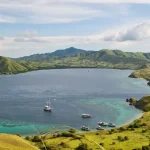
Sumba sits in East Nusa Tenggara, roughly 200 kilometres east of Lombok and 300 kilometres west of Flores. It is not a volcanic island shaped by fertile rice paddies and Hindu temples. The landscape is dramatic in a different way — rolling savannah, dry limestone hills, and long empty coastlines that look more like the Australian outback than the tropical Indonesia most people picture.
The Sumbanese people follow a traditional animist belief system called Marapu, which centres on ancestor worship, ritual sacrifice, and a deeply structured clan hierarchy. This isn’t a cultural performance for tourists. It shapes daily life, architecture, burial practices, and the entire social fabric of the island. The tall thatched clan houses built on hilltops, the massive stone megalithic tombs sitting in the middle of villages, the ikat textiles woven by hand over weeks — all of it connects back to Marapu.
Sumba is also one of the last places in Indonesia where you will see horses used as everyday working animals, not tourist attractions. Riding across open savannah on a Sumbanese horse — small, sturdy, and fast — while the dry grass catches the late afternoon light is one of those experiences that stays with you long after the photos fade.
The Best Areas to Base Yourself: West vs East Sumba

Sumba has two distinct personalities divided roughly down the middle, and choosing your base depends entirely on what you want from the trip.
West Sumba: Culture and Ceremonies
Waikabubak is the main town in West Sumba and a practical base for anyone focused on culture. Traditional villages like Kampung Tarung and Kampung Prai Ijing are a short drive away, and the area is where most Marapu ceremonies still take place. West Sumba is greener, more hilly, and wetter in the rainy season. The accommodation here is budget-focused — guesthouses run by local families, basic homestays, a handful of small hotels. Don’t expect Bali-level comfort.
East Sumba: Beaches and Luxury
Waingapu is the largest city on the island and the transport hub. But the real draw for beach lovers is the area around Nihiwatu and the southwest coast of East Sumba — stretching through Pantai Ratenggaro, Pantai Mandorak, and down toward the Nihiwatu resort area. This is where world-class surf breaks, white sand beaches, and a small cluster of high-end eco-resorts sit alongside completely empty stretches of shoreline. The contrast is striking — a five-star resort and a traditional village with a megalithic tomb literally within walking distance of each other.
For most travellers in 2026, the practical move is to fly into Waingapu, spend two or three days in the east, then hire a driver and move west to Waikabubak for the cultural experience. Treat the whole island as one journey rather than choosing sides.
Sumba’s Unmissable Highlights: Waterfalls, Beaches, and Megalithic Tombs
Weekuri Lake
A saltwater lagoon separated from the Indian Ocean by a thin limestone barrier. The water is a surreal turquoise-green and calm enough for swimming. It’s about 70 kilometres from Waikabubak and best visited in the morning before the light flattens. Local kids will climb the surrounding rocks and dive for tips — a small amount like Rp 20,000 per person is appreciated and fair.

Waikelo Sawah Waterfall
A multi-tiered waterfall near Waikabubak that drops through thick jungle into a natural pool. The hike in takes about 20 minutes on a narrow trail. The sound alone — a deep, sustained roar that you hear before you see anything — is worth the trip. Go in the wet season (November to March) for full flow, but the trail can be slippery. Go in the dry season for easier access but reduced water.
Ratenggaro Village and Beach
This is one of those places that photographs can’t fully prepare you for. A traditional clan village sits on a clifftop directly above a long black-sand beach, with megalithic tombs arranged in front of the tall thatched houses and the ocean stretching out behind. The combination of living traditional architecture, ancient stone graves, and raw coastline in a single frame is unlike anything else in Indonesia.
Nihiwatu Beach and Occy’s Left
The surf break here — known as Occy’s Left — is a powerful, fast left-hander that draws serious surfers. Non-surfers come simply for the beach, which is pristine and largely uncrowded outside of surf season (June to October). Swimming conditions depend heavily on the swell.
Praijing and Tarung Traditional Villages
Both are within easy reach of Waikabubak and still function as living clan villages. You’ll need to ask permission before entering and it’s respectful to bring a small gift — a bottle of water, some biscuits, or a donation to the village fund. A local guide will make the experience significantly richer because the symbolism built into every carving, roof height, and tomb placement has meaning that isn’t obvious to outsiders.

The Pasola Festival and Sumba’s Living Traditions
If your travel dates have any flexibility at all, try to time your visit around Pasola. This is not a cultural show staged for visitors. It is a ritual war game — hundreds of horsemen from rival clans charge at each other throwing wooden spears while crowds watch from the sidelines. It takes place in February and March each year across several locations in West Sumba, with the exact dates determined by Marapu priests based on the lunar calendar and the appearance of sea worms called nyale on the beach at dawn.
The noise, the dust, the thunder of horses moving at full speed — it’s visceral and chaotic and completely unlike any cultural event you’ve experienced elsewhere in Indonesia. Injuries happen. It’s real. And the Sumbanese treat it with deep spiritual seriousness.
Getting the exact Pasola dates in advance is genuinely difficult because they’re announced just days beforehand. The most reliable approach in 2026 is to connect with a local guide or tour operator in Waikabubak at least a month before your visit and ask them to notify you as soon as the dates are confirmed. Several local guides now communicate via WhatsApp for exactly this purpose.
Beyond Pasola, Sumba has regular funeral ceremonies (called peti mati) and house-building rituals that can happen at any time of year. If you’re in a village and something is clearly being prepared, ask politely through your guide whether it’s appropriate to stay and watch. More often than not, you’ll be invited.

Where to Eat in Sumba: Local Food and What to Expect
Sumba is not a food destination in the way Bali or Yogyakarta is. The local cuisine is simple, honest, and filling — built around rice, grilled fish, chicken, and vegetables. Manage your expectations before you arrive and you’ll eat well.
In Waingapu, the market area near the main bus terminal has several warungs serving ikan bakar (grilled fish) with steamed rice and sambal from early morning until mid-afternoon. A full meal costs Rp 25,000–45,000. The fish is typically caught the same morning and grilled over coconut husks — the flesh pulls away cleanly with just enough char on the outside to add a smoky edge without drying it out.
In Waikabubak, the local market (Pasar Waikabubak) is the best place for breakfast. Look for se’i — smoked meat, traditionally made from beef or pork smoked over slow-burning wood. It’s a Nusa Tenggara specialty that Sumba does particularly well. The flavour is deep and slightly sweet, nothing like regular grilled meat, and it pairs well with plain rice and a fried egg.
A small number of restaurants catering to tourists have opened near the resort areas in West Sumba over the past two years. These serve Indonesian standards alongside some Western dishes and are fine but unremarkable. The real eating happens at the market and the family warungs in town.
One practical note: in smaller villages, food options outside mealtimes are often non-existent. Carry snacks — crackers, dried fruit, nuts — especially if you’re doing a long driving day between locations.
Getting to Sumba in 2026: Flights, Routes, and What’s Changed
Sumba has two airports: Umbu Mehang Kunda Airport in Waingapu (East Sumba) and Tambolaka Airport in Waitabula (West Sumba). Most travellers fly into Waingapu first, but if your priority is West Sumba culture and the Pasola festival, flying directly into Tambolaka saves significant travel time.

As of 2026, the most reliable connections are:
- Bali (DPS) to Waingapu (WGP) — Garuda Indonesia and TransNusa operate this route with 1–2 daily flights. Flight time is approximately 1 hour 40 minutes. Book at least two to three weeks ahead during peak season (June–August and the Pasola months).
- Bali (DPS) to Tambolaka (TMC) — Citilink and Wings Air service this route, often with a stop in Kupang or Bima. Total journey time can stretch to 3–4 hours depending on the routing.
- Kupang (KOE) to Waingapu — A shorter hop useful if you’re combining Sumba with a Timor visit.
One significant 2026 update: TransNusa expanded its East Nusa Tenggara network earlier this year, adding more frequency on the Bali–Waingapu route and reducing the number of weeks where seats are practically impossible to find. Prices are still variable — book early and you’ll pay Rp 700,000–1,200,000 one way. Last-minute bookings spike to Rp 2,000,000 or more.
There is no regular fast ferry service to Sumba from Bali or Lombok. The PELNI ferry from Bali to Waingapu exists but takes over 24 hours and is primarily used for cargo and by travellers with very flexible schedules and budgets.
Getting Around Sumba Once You Arrive
This is where Sumba requires genuine planning. Public transport exists but is slow, infrequent, and covers a limited number of routes. The island is large — roughly 300 kilometres from east to west — and the roads, while improved since 2023, are still rough in the interior and on many coastal routes.
The most practical solution for most travellers is to hire a private driver with a 4WD vehicle. Expect to pay Rp 600,000–900,000 per day including fuel, with the driver typically expecting one meal covered. This is genuinely the best way to cover ground, and a good local driver will know which roads are passable in the wet season, which villages are open to visitors, and where to find things that aren’t on any map.

Motorbike rental is available in both Waingapu and Waikabubak for around Rp 80,000–120,000 per day. It works well for short distances and exploring the immediate surroundings of your base town, but is not recommended for the long cross-island drives unless you have experience riding on unpaved roads.
Ojek (motorcycle taxis) and bemos (shared minibuses) connect the main towns and some villages, but schedules are loose and routes don’t cover most of the places visitors want to reach.
Day Trip or Overnight? How Long You Actually Need
Sumba is not a day trip destination. There is no realistic way to reach Sumba from Bali as a day trip — the flights alone take most of the morning and the return trip eats the afternoon. Anyone suggesting otherwise is setting you up for a rushed, unsatisfying experience.
The minimum that makes sense is four nights — two in Waingapu and the surrounding east coast, two in Waikabubak and the west. This gives you enough time to see the key natural highlights, visit one or two traditional villages properly, and get a genuine feel for the island’s character.
Seven nights is the sweet spot for most travellers. This allows for a slower pace, the possibility of being in the right place at the right time if a ceremony or ritual is happening, a day of surfing or extended beach time in the west, and the buffer you need when the occasional road closure or delayed domestic flight pushes your schedule around.
If you only have two or three nights available, base yourself entirely in West Sumba near Waikabubak. The cultural density is higher, the key natural sights (Weekuri Lake, Ratenggaro Beach, Praijing Village) are within day-trip distance, and you’ll leave with a more complete impression of what makes Sumba genuinely different.

2026 Budget Reality: What Sumba Costs
Sumba is not cheap in the way that Java or Lombok’s Kuta can be cheap, primarily because everything costs more to import to a remote island and the tourist infrastructure is still limited enough that there’s little price competition in accommodation.
Budget Travel (Rp 350,000–600,000 per day)
Homestays and basic guesthouses in Waingapu and Waikabubak: Rp 150,000–250,000 per night for a room with fan and shared bathroom. Eating at warungs and the local market: Rp 25,000–50,000 per meal. Using shared bemos for short hops and negotiating ojek fares. This is doable but limits your mobility significantly.
Mid-Range (Rp 800,000–1,500,000 per day)
Simple air-conditioned guesthouses or small locally-run hotels: Rp 350,000–600,000 per night. Hiring a driver for two or three days out of five. Eating a mix of warungs and the few tourist-facing restaurants. This is the most common spending level for independent travellers in 2026.
Comfortable (Rp 3,000,000–8,000,000+ per day)
Sumba has a small selection of genuinely world-class eco-resorts, particularly in the Nihiwatu area and along the southwest coast. These properties — Nihi Sumba, Lelewatu Resort, and a handful of newer boutique openings from 2024–2025 — charge premium rates that are high even by international standards. If this is your budget, Sumba delivers an extraordinary experience. If you’re stretching to afford it, the mid-range options give you 90% of the island experience at a fraction of the cost.
Domestic flights from Bali: budget Rp 1,400,000–2,400,000 return per person depending on how far in advance you book.
Practical Tips Before You Go
- Bring cash. ATMs exist in Waingapu and Waikabubak but they run out of money and go offline regularly. Bring more rupiah from Bali than you think you need. Most places outside the resort belt are cash only.
- Download offline maps. Google Maps has reasonable coverage of Sumba now, but mobile data drops in many areas. Download offline maps for the whole island before you leave Bali.
- Pack for heat and dust in dry season (April–October) and for mud and rain in wet season (November–March). A good pair of sandals that can handle mud and a light waterproof jacket cover most scenarios.
- Dress respectfully in villages. This means covered shoulders and knees when visiting traditional clan villages, especially if there’s any ceremony happening. A lightweight sarong takes up no space and solves most situations.
- Ikat textiles. Sumba produces some of the finest hand-woven ikat in Indonesia. Buying directly from the weaver in a village is the most ethical approach and the price negotiation is part of the interaction. In 2026, a genuinely hand-woven piece takes 2–6 months to complete and is worth Rp 1,500,000–8,000,000 depending on size and complexity. If someone is selling “authentic” ikat for Rp 150,000, it’s machine-made.
- Health and safety. Malaria risk exists in Sumba. Consult your doctor at least four weeks before travel about prophylaxis. Use mosquito repellent consistently, especially around dawn and dusk. Travel insurance that covers medical evacuation is not optional here — the nearest serious medical facility is in Bali.

Frequently Asked Questions
Is Sumba safe for solo travellers?
Sumba is generally safe for solo travellers, including women travelling alone. Violent crime targeting tourists is rare. The main practical challenges are the limited transport network and the difficulty of navigating remote areas without a local guide or driver. Solo travellers should arrange transportation in advance and inform their accommodation of their daily plans.

What is the best time of year to visit Sumba?
The dry season from April to October brings clear skies, passable roads, and ideal surf conditions. July and August are peak months. February and March are wet but culturally significant — the Pasola festival happens then. The shoulder months of April–May and September–October offer a good balance of accessible roads and fewer visitors than peak season.
Do I need a guide to visit traditional villages in Sumba?
You’re not required to hire a guide, but having one significantly changes the experience. A local guide provides language support (many village elders speak little Indonesian, let alone English), explains the cultural context of what you’re seeing, facilitates introductions, and helps you avoid accidentally disrespecting local protocols. Expect to pay Rp 300,000–500,000 per day for an experienced English-speaking guide.
Can I combine Sumba with Flores or Komodo on the same trip?
Yes, and it’s a popular combination in 2026. The most common route is Bali → Sumba (fly) → Labuan Bajo in Flores (fly via Kupang or direct) → Bali (fly). The Waingapu to Labuan Bajo flight is available but often requires a connection. Allow at least ten days total for this itinerary to avoid the trip feeling purely like airport transfers.
Is the Nihiwatu resort the only luxury option in Sumba?
No. While Nihi Sumba (formerly Nihiwatu) remains the most famous, several boutique eco-resorts have opened or upgraded since 2023. Lelewatu Resort Sumba, Maringi Sumba, and a few smaller properties in the Weekuri and Ratenggaro area now offer high-quality accommodation at various price points. The luxury market in Sumba has diversified noticeably over the past two years, giving travellers more choices beyond the single flagship property.
📷 Featured image by Geio Tischler on Unsplash.