On this page
- Understanding Bali’s Distinct Regions
- Bali’s Must-See Attractions and Experiences
- Bali’s Food Scene: Where to Eat Like a Local
- Getting Around Bali
- Day Trip Adventures from Bali
- Bali After Dark: Nightlife and Entertainment
- Shopping Districts and Markets
- Where to Stay: Accommodation Areas by Style
- Best Time to Visit Bali
- Essential Practical Information
- Budget Breakdown: Daily Costs in 2026
- Frequently Asked Questions
💰 Click here to see Indonesia Budget Breakdown
💰 Prices updated: September, 2026. Budget figures are estimates — always verify before travel.
Exchange Rate: $1 USD = Rp17,928.47
Daily Budget (per person)
Shoestring: Rp358,569 – Rp896,424 ($20.00 – $50.00)
Mid-range: Rp1,254,993 – Rp2,689,271 ($70.00 – $150.00)
Comfortable: Rp2,689,271 – Rp4,482,118 ($150.00 – $250.00)
Accommodation (per night)
Hostel/guesthouse: Rp71,714 – Rp179,285 ($4.00 – $10.00)
Mid-range hotel: Rp448,212 – Rp896,424 ($25.00 – $50.00)
Food (per meal)
Budget meal: Rp26,893.00 ($1.50)
Mid-range meal: Rp143,428.00 ($8.00)
Upscale meal: Rp537,854.00 ($30.00)
Transport
Single metro/bus trip: Rp3,500.00 ($0.20)
Monthly transport pass: Rp200,000.00 ($11.16)
Bali in 2026 has emerged from the pandemic stronger and more thoughtful, balancing its legendary hospitality with sustainable tourism practices. While Instagram-famous beach clubs still draw crowds to Canggu and Seminyak, the island’s soul reveals itself in places like Sidemen’s emerald rice terraces and the artisan villages of East Bali, where traditional life continues largely untouched by the coastal tourism boom.
Understanding Bali’s Distinct Regions
Bali splits into five distinct personalities, each offering completely different experiences. Your choice of base dramatically shapes your entire trip.
Canggu: Surf Culture Central
Canggu has evolved from a sleepy fishing village to Bali’s hippest beach town, where digital nomads work from cafes overlooking rice paddies and surfers chase waves at Echo Beach. The area pulses with energy from dawn yoga sessions to sunset cocktails at beach clubs like The Lawn and Old Man’s. Streets buzz with motorbikes carrying surfboards, and every corner reveals another specialty coffee roaster or healthy bowl restaurant.
The neighborhood works best for travelers who want beach access without Kuta’s chaos, don’t mind dusty roads, and appreciate the blend of international vibes with traditional Balinese life. Accommodation ranges from budget surf hostels (300,000-500,000 IDR/night) to luxury villas (2,000,000+ IDR/night).
Ubud: Spiritual Heart of Bali
Ubud remains Bali’s cultural capital, where ancient temples hide behind art galleries and healing retreats occupy former royal compounds. The town center bustles with activity, but venture five minutes out and you’re surrounded by rice terraces and jungle sounds. Morning mist rolls across the Campuhan Ridge, and the Petulu River gurgles through bamboo groves.
This region suits travelers seeking yoga retreats, cooking classes, traditional art, and easy access to cultural sites. It’s also the launching pad for volcano treks and temple tours. The cooler mountain climate provides relief from coastal heat.
East Bali: Authentic Traditional Life
East Bali, anchored by villages like Sidemen and Amed, offers the most authentic slice of Balinese life. In Sidemen, emerald rice terraces cascade down volcanic slopes while farmers tend crops using methods unchanged for centuries. Water buffalo lumber through flooded paddies, and temple ceremonies happen without tourist audiences.

Amed’s black sand beaches provide excellent snorkeling and diving, with traditional jukung boats pulled up on shore and fishermen mending nets in the afternoon sun. This region attracts travelers seeking cultural immersion, outdoor adventures, and escape from crowds.
South Peninsula: Beach Club Paradise
The Bukit Peninsula, encompassing Uluwatu, Bingin, and Nusa Dua, delivers postcard-perfect beaches and luxury resorts. Clifftop temples overlook turquoise waters, while hidden beaches require scrambles down rocky paths. Seminyak bridges the gap between beach relaxation and sophisticated dining, with high-end beach clubs and designer boutiques.
This area works for travelers prioritizing beaches, luxury amenities, fine dining, and proximity to the airport. Expect higher prices and more international crowds.
North Bali: Peaceful Mountains and Hot Springs
North Bali centers around Lovina’s black sand beaches and the mountain town of Munduk. Lovina offers calm waters perfect for swimming and dolphin watching, while Munduk’s cool climate supports coffee plantations and spice gardens. Waterfalls hide in jungle valleys, and traditional markets sell tropical fruits you’ve never heard of.
Choose North Bali for off-the-beaten-path experiences, cooler weather, and budget-friendly accommodation.
Bali’s Must-See Attractions and Experiences
Sacred Temples and Spiritual Sites
Tanah Lot Temple, perched on a rock formation in the sea, creates magical silhouettes at sunset when crowds gather on the clifftop to watch the sun disappear behind the temple’s outline. Arrive early morning for photos without crowds.
Uluwatu Temple occupies a dramatic clifftop 70 meters above crashing waves. The evening kecak fire dance performances here rank among Bali’s most atmospheric cultural experiences, with chanting voices echoing across the ocean as flames flicker against ancient stones.

Besakih Temple, known as the “Mother Temple,” sprawls across the slopes of Mount Agung with over 80 individual temples connected by stone stairs. The complex buzzes with ceremony preparation, incense smoke, and pilgrims in traditional white clothing.
Tirta Empul’s holy spring pools allow visitors to participate in purification rituals used by Balinese Hindus for over 1,000 years. The mineral-rich water flows from natural springs through carved spouts, and locals believe it cleanses both body and spirit.
Rice Terrace Wonders
Jatiluwih’s UNESCO World Heritage rice terraces stretch across rolling hills as far as the eye can see, with irrigation channels called subak creating an intricate water management system. Early morning light turns the flooded terraces into mirrors reflecting the sky.
Sidemen Valley offers the most authentic rice terrace experience, where farmers still use water buffalo for plowing and traditional harvesting methods. The area remains largely undeveloped, providing intimate glimpses of agricultural life.
Tegallalang Rice Terraces near Ubud provide easy access and photogenic views, though expect crowds and vendors. The stepped terraces create natural amphitheaters filled with brilliant green rice shoots.
Volcanic Adventures
Mount Batur sunrise treks start at 3:30 AM for the two-hour hike to reach the crater rim by dawn. The volcanic landscape feels otherworldly, with steam vents and hardened lava flows, while the sunrise reveals Lake Batur shimmering 700 meters below.
Mount Agung, Bali’s highest peak at 3,031 meters, challenges experienced hikers with steep, rocky terrain. The summit trek takes 6-8 hours and requires guides, but rewards climbers with views across the entire island and neighboring Lombok.
Cultural Immersions
Traditional villages like Penglipuran maintain ancient customs and architectural styles, with bamboo houses arranged according to Hindu-Balinese principles. Residents welcome visitors to observe daily life and participate in cultural activities like weaving and temple offerings.
Silver and wood carving villages around Ubud, including Celuk and Mas, showcase master craftsmen creating intricate jewelry and sculptures using techniques passed through generations. Many workshops offer hands-on classes.
Bali’s Food Scene: Where to Eat Like a Local
Traditional Warungs and Street Food Hubs
Pasar Badung in Denpasar, Bali’s largest traditional market, buzzes with vendors selling everything from tropical fruits to ready-made dishes. The second floor houses numerous warungs serving authentic Balinese cuisine like ayam betutu (slow-roasted spiced chicken) and bebek bengil (crispy duck) for 25,000-40,000 IDR per plate.
Gianyar Night Market comes alive after sunset with rows of food stalls offering babi guling (roasted pork), nasi campur (mixed rice), and various grilled seafood. The atmosphere pulses with local families sharing meals and the sizzle of satay over charcoal grills.
Sukawati Market combines shopping with excellent local food options. The upstairs food court serves traditional dishes while downstairs vendors sell handicrafts. Try the gado-gado (vegetable salad with peanut sauce) from the corner stall – it’s been run by the same family for three generations.
Regional Food Specialties by Area
Canggu’s food scene blends international health food with local warungs. Warung Bu Mi on Jalan Pantai Batu Bolong serves exceptional nasi campur for 20,000 IDR, while the beachfront warungs along Echo Beach offer fresh grilled fish with stunning sunset views.
Ubud’s traditional food centers around Jalan Goutama and the central market area. Warung Babi Guling Pak Dobiel draws long queues of locals for its legendary roasted pork, while the night market near the main road offers diverse options from 15,000-35,000 IDR per dish.

Amed and East Bali excel in fresh seafood. Local fishermen sell their catch directly to beachside warungs, where grilled mahi-mahi and snapper cost 50,000-80,000 IDR. The fish arrives on your plate hours after being pulled from the sea.
Modern Balinese Cuisine Movement
Seminyak leads Bali’s farm-to-table revolution, with restaurants like Merah Putih showcasing refined Indonesian cuisine using local ingredients. The movement emphasizes organic produce from Balinese farms and traditional cooking methods elevated to fine dining standards.
Canggu’s cafes pioneer healthy fusion cuisine, combining Balinese ingredients with international techniques. Many source vegetables from local organic farms and offer dishes like tempeh salad bowls and jackfruit curry that appeal to health-conscious travelers.
Night Market Adventures
Sanur Night Market operates Thursday through Sunday, with dozens of stalls serving everything from sate lilit (minced fish satay) to es cendol (coconut milk dessert). The relaxed atmosphere makes it perfect for families, and most dishes cost 15,000-30,000 IDR.
Singaraja Night Market in North Bali offers the most authentic local experience, where tourists are rare and prices reflect local standards. The market specializes in Balinese-Chinese fusion dishes and tropical fruit desserts.
Getting Around Bali
Motorbike Culture and Rentals
Motorbikes remain Bali’s primary transportation method, offering freedom to explore narrow village roads and hidden beaches. Rental shops throughout the island charge 60,000-80,000 IDR per day for automatic scooters, though prices increase during peak season. Always check brakes, lights, and tire condition before riding.
Traffic in South Bali moves slowly but predictably, following unofficial rules that prioritize flow over strict adherence to signals. Helmets are mandatory, and police checkpoints frequently check licenses and registrations.
Ride-Hailing Revolution
Gojek and Grab expanded significantly across Bali in 2026, now covering most tourist areas including Ubud, Amed, and Lovina. Motorbike rides (GoRide/GrabBike) cost 2,000-3,000 IDR per kilometer, while cars (GoCar/GrabCar) charge approximately double. Both apps work reliably and offer English language support.

The services prove especially valuable for airport transfers, temple visits, and night transportation when riding motorbikes feels unsafe.
New Infrastructure Updates
The Bali Mandara Toll Road, completed in 2025, connects Ngurah Rai Airport to Sanur, Denpasar, and Nusa Dua in 20-30 minutes, dramatically reducing travel times. Toll fees range from 5,000-15,000 IDR depending on distance.
Local bemo (minibus) routes connect major towns and tourist areas, though schedules remain irregular. Routes from Denpasar serve Ubud (12,000 IDR), Candidasa (15,000 IDR), and Lovina (20,000 IDR). Bemos pack passengers tightly and make frequent stops.
Inter-Island Connections
Fast boats to the Gili Islands and Lombok operate from Padang Bai and Amed, with journey times of 1.5-2 hours. Services run multiple times daily, costing 350,000-450,000 IDR return. Book directly with operators like Gili Getaway or BlueWater Express for reliable service.
Traditional ferry services from Padang Bai to Lembar (Lombok) take 4-5 hours but cost only 47,000 IDR for passengers plus 185,000 IDR for motorbikes.
Day Trip Adventures from Bali
Nusa Penida Island Escape
Nusa Penida’s dramatic cliffs and pristine beaches create some of Indonesia’s most spectacular scenery. Day trips typically include Kelingking Beach (the famous T-Rex cliff), Angel’s Billabong, and Broken Beach. Fast boats from Sanur take 45 minutes (150,000-200,000 IDR return), while organized tours cost 400,000-600,000 IDR including transport, boat, and lunch.
The island requires a full day – leave Sanur by 8 AM to maximize time. Rent a motorbike on Penida (80,000 IDR/day) or join group transport, as distances between sights are significant.
West Bali National Park Wildlife
West Bali National Park protects the endangered Bali starling and offers excellent snorkeling at Menjangan Island. The park entrance at Labuan Lalang provides boat access to pristine coral reefs where visibility often exceeds 30 meters. Day trips from South Bali take 3-4 hours each way, but the journey through rural landscapes and traditional villages rewards travelers with authentic glimpses of non-tourist Bali.

Park entry fees cost 5,000 IDR for locals and 20,000 IDR for foreigners, while boat trips to Menjangan Island cost 350,000-500,000 IDR depending on group size.
Sekumpul Waterfalls Trek
Sekumpul, often called Bali’s most beautiful waterfall, plunges 80 meters through jungle in seven separate cascades. The trek from Sekumpul village takes 2-3 hours return, descending steep paths through spice gardens and across river stones. Local guides (100,000-150,000 IDR) prove invaluable for navigation and cultural insights.
Combine Sekumpul with nearby Ulun Danu Beratan Temple and Jatiluwih rice terraces for a complete North Bali experience. Total driving time from South Bali requires 6-8 hours, making this a long but rewarding day trip.
Traditional Village Circuits
The Tenganan village circuit showcases Bali Aga culture, where descendants of Bali’s original inhabitants maintain ancient customs. Tenganan village specializes in double-ikat weaving and traditional calendar systems. Village entry costs 10,000 IDR, and residents offer informal tours explaining customs and crafts.
Combine Tenganan with Candidasa’s beaches and Tirta Gangga water palace for a full East Bali cultural day. The circuit works well with overnight stays in Amed or Sidemen.
Volcano and Lake Combinations
Mount Batur and Lake Batur create Bali’s most popular volcano day trip. Start with sunrise trekking (4:00 AM departure), then visit Toya Devasya hot springs for post-hike relaxation. The complete experience includes breakfast cooked using volcanic steam, boat rides across Lake Batur, and optional coffee plantation visits.
Organized tours cost 350,000-500,000 IDR per person, while independent trips save money but require careful planning for transportation and guides.
Bali After Dark: Nightlife and Entertainment
Beach Club Scene
Seminyak’s beach clubs define Bali’s upscale party scene. Ku De Ta, now rebranded as KU DE TA, offers sunset cocktails with resident DJs spinning house music as waves crash meters away. Day bed prices start at 300,000 IDR minimum spend, while evening entry ranges from free to 150,000 IDR depending on events.

Canggu’s beach clubs maintain a more relaxed atmosphere. The Lawn and Old Man’s focus on surf culture and creative cocktails, with live bands several nights weekly. Drinks cost 80,000-150,000 IDR, and the vibe emphasizes good music over exclusivity.
Traditional Entertainment
Kecak fire dances occur nightly at Uluwatu Temple and several Ubud venues. The hypnotic chanting creates an otherworldly atmosphere as dancers move through firelit circles. Tickets cost 100,000-150,000 IDR and performances last approximately one hour.
Ubud’s traditional dance performances at Pura Saraswati and the Royal Palace showcase Legong, Barong, and other classical forms. The intimate venues allow close observation of intricate costumes and precise movements. Performance schedules vary, with shows most nights at 7:30 PM.
Rooftop Bars and Sky Lounges
Denpasar’s emerging rooftop scene offers panoramic views across the island’s cultural capital. Sunset Point Rooftop Bar provides 360-degree vistas including Mount Agung on clear days, with cocktails from 85,000 IDR and Indonesian fusion food.
Ubud’s elevated bars capitalize on jungle canopy views and mountain silhouettes. AYANA Resort’s Rock Bar, carved into clifftop rocks, creates one of Asia’s most dramatic drinking environments. Access requires advance reservations and smart casual dress.
Night Market Culture
Sanur Night Market transforms every evening into a culinary adventure, with live music stages and cultural performances between food stalls. The relaxed family atmosphere contrasts with party-focused beach clubs, offering authentic local nightlife experiences.
Pasar Senggol in Gianyar operates as both market and entertainment venue, where traditional gamelan orchestras perform while families enjoy dinner. The authentic atmosphere provides insights into daily Balinese social life.

Shopping Districts and Markets
Traditional Markets and Artisan Villages
Sukawati Art Market houses the island’s largest collection of traditional crafts, with two floors of stalls selling everything from carved masks to batik clothing. Prices start at tourist levels but negotiate down to reasonable rates – expect to pay 30-50% of initial asking prices.
Ubud Traditional Market buzzes with early morning activity as locals buy fresh produce, while tourists browse handicrafts and souvenirs. The maze-like layout hides specialized stalls selling items like traditional ceremonial umbrellas and hand-woven baskets.
Celuk village specializes in silver jewelry crafted using techniques passed through generations. Workshops welcome visitors to observe artisans creating intricate pieces, and many offer hands-on classes. Prices for handmade silver jewelry start at 200,000 IDR for simple pieces.
Modern Shopping Areas
Seminyak’s boutique district along Jalan Kayu Aya showcases international designers alongside local fashion brands. Shops like Biasa offer contemporary Indonesian fashion, while concept stores combine clothing, homeware, and cafe spaces.
Beachwalk Shopping Center in Kuta provides air-conditioned relief and international brands, plus a large food court and cinema. The outdoor sections feature local designers and surf brands catering to beach lifestyle needs.
Specialty Shopping Zones
Canggu’s surf shops concentrate along Batu Bolong Beach road, offering everything from budget boards to premium equipment. Many shops rent boards (100,000-150,000 IDR/day) and provide repair services.
Mas village excels in wood carving, with family workshops creating everything from small figurines to large architectural pieces. Visiting workshops allows comparison of styles and techniques, plus custom orders for shipping home.
Tegallalang area specializes in bamboo crafts, with shops lining the main road selling furniture, decorative items, and practical goods. Many pieces can be disassembled for shipping, and custom work accommodates specific size requirements.
Where to Stay: Accommodation Areas by Style

Budget Backpacker Hubs
Canggu’s backpacker scene centers around Echo Beach and Berawa, with surf hostels offering dorm beds from 150,000-250,000 IDR per night. Properties like Mad Monkey Hostel Canggu provide pool parties, group surfing lessons, and social atmospheres perfect for meeting fellow travelers.
Ubud’s budget accommodation spreads through rice field areas outside the town center. Family-run homestays cost 200,000-350,000 IDR for private rooms, often including breakfast and cultural activities like cooking classes or temple visits.
Amed offers the cheapest beach accommodation, with simple bungalows starting at 180,000 IDR per night. Many properties sit directly on black sand beaches with snorkeling gear included and traditional fishing boat excursions available.
Mid-Range Comfort Zones
Sanur appeals to travelers seeking quiet beaches without backpacker crowds. Mid-range hotels and villas range from 600,000-1,200,000 IDR per night, often including pools, spas, and beachfront access. The area works well for families and mature travelers.
Ubud’s mid-range properties occupy stunning jungle locations with infinity pools overlooking rice terraces. Boutique resorts cost 800,000-1,500,000 IDR per night and typically include yoga classes, organic meals, and cultural activities.
Candidasa provides beach access with better value than southern resorts. Properties range from 500,000-1,000,000 IDR per night and offer easy access to snorkeling, traditional villages, and cultural sites.
Luxury Retreat Destinations
Seminyak’s luxury villas start at 2,500,000 IDR per night for properties with private pools, full kitchens, and beach access. Many include daily housekeeping, private chefs, and concierge services for arranging activities and transportation.
Ubud’s luxury resorts like COMO Shambhala Estate and Four Seasons occupy spectacular jungle settings with world-class spas and fine dining. Rates start at 4,000,000 IDR per night but include comprehensive wellness programs and cultural immersion activities.
Uluwatu’s clifftop resorts provide dramatic ocean views and exclusive beach access via private funiculars. Properties like Bulgari Resort Bali charge premium rates (8,000,000+ IDR per night) but deliver unparalleled luxury and privacy.

Best Time to Visit Bali
Dry Season Advantages (April-October)
Bali’s dry season offers sunny days, calm seas, and minimal rainfall, creating ideal conditions for outdoor activities. Temple festivals occur frequently during this period, providing authentic cultural experiences. Beach clubs operate at full capacity, and volcano treks face fewer weather cancellations.
July and August represent peak season, with hotel rates increasing 50-100% and popular attractions becoming crowded. Book accommodation well in advance and expect higher prices for activities and dining.
Wet Season Considerations (November-March)
The wet season brings afternoon rain showers rather than continuous downpours, with mornings often sunny and perfect for sightseeing. Hotel rates drop significantly, and attractions feel less crowded. Surfing conditions improve on the west coast, while East Bali often remains dry.
January and February see the heaviest rainfall, potentially affecting outdoor activities and transportation. However, the lush green landscape looks spectacular, and cultural sites offer more intimate experiences without crowds.
Festival and Cultural Calendar
Nyepi (Day of Silence) in March creates unique travel opportunities, with the island shutting down completely for 24 hours. Tourists must remain at their accommodations, but the preceding Ogoh-Ogoh parades showcase incredible artistry and community participation.
Galungan and Kuningan festivals occur every 210 days according to the Balinese calendar, bringing elaborate temple decorations and traditional ceremonies. Villages transform with bamboo decorations called penjor, creating photogenic landscapes and authentic cultural immersion.
The Ubud Writers and Readers Festival in October attracts international authors and cultural figures, while the Bali Arts Festival in Denpasar (June-July) showcases traditional and contemporary Indonesian arts.
Essential Practical Information
Visa and Entry Requirements 2026
Indonesia’s Visit Visa on Arrival (VoA) costs 500,000 IDR for 30-day stays, extendable once for another 30 days. The B213C Visit Visa, obtained from Indonesian consulates, allows 60-day stays with extension possibilities. Processing times vary by location, so apply well before travel dates.
Digital nomad visas launched in 2025 permit extended stays for remote workers, requiring proof of employment and minimum income thresholds. Applications must be submitted online through Indonesia’s immigration portal.
Health and Safety Precautions
Tap water remains unsafe for drinking throughout Bali. Purchase bottled water or use filtration systems – many accommodations provide refillable stations. Bintang and Aqua represent trusted local brands.
Dengue fever and chikungunya occur year-round, transmitted by Aedes mosquitoes active during daylight hours. Use DEET-containing repellents and cover exposed skin, especially during dawn and dusk periods.
Petty theft targeting tourists increases in crowded areas like markets and beaches. Secure valuables in hotel safes and avoid displaying expensive electronics or jewelry while sightseeing.
Cultural Etiquette Guidelines
Temple visits require covered shoulders and long pants or sarongs. Many temples provide sarong rentals for 10,000 IDR. Remove shoes before entering temple courtyards and avoid pointing feet toward shrines or religious statues.
Public displays of affection beyond hand-holding can offend local sensibilities, particularly near religious sites. Dress modestly when visiting traditional villages or attending ceremonies.
Bargaining is expected at markets and with unofficial vendors, but maintain respect and good humor. Start at 30-50% of asking prices and negotiate gradually. Fixed-price establishments like supermarkets and restaurants don’t expect haggling.
Connectivity and Communication
Telkomsel, XL, and Indosat offer reliable SIM cards available at Ngurah Rai Airport and convenience stores throughout Bali. Tourist SIM packages with data allowances cost 100,000-200,000 IDR for 30 days. Most cards require passport registration.
WiFi coverage reaches most tourist areas, though speeds vary significantly. Cafes and co-working spaces in Canggu and Ubud cater to digital nomads with high-speed connections and comfortable working environments.
Tipping Customs and Currency
Indonesian Rupiah (IDR) comes in denominations up to 100,000 IDR notes. ATMs are widely available, though many charge foreign transaction fees of 15,000-25,000 IDR per withdrawal. Exchange rates fluctuate around 15,000-16,000 IDR per USD in 2026.
Tipping isn’t traditionally expected but has become common in tourist areas. Round up bills at warungs, tip 10-15% at restaurants, and provide 20,000-50,000 IDR for tour guides and drivers. Spa therapists appreciate 50,000-100,000 IDR tips for longer treatments.
Budget Breakdown: Daily Costs in 2026
Budget Backpacker (300,000-500,000 IDR per day)
- Accommodation: Hostel dorms or basic homestays (150,000-250,000 IDR/night)
- Meals: Local warungs and street food (60,000-100,000 IDR/day)
- Transportation: Motorbike rental or local bemo (60,000-80,000 IDR/day)
- Activities: Temple visits, hiking, free beaches (20,000-50,000 IDR/day)
- Drinks: Local beer and basic cocktails (30,000-50,000 IDR/day)
Budget travelers can explore most of Bali comfortably at this level, especially when staying in areas like Canggu, Amed, or outer Ubud. Cooking some meals and choosing free activities like hiking and beach time keeps costs low.
Mid-Range Explorer (800,000-1,500,000 IDR per day)
- Accommodation: Boutique guesthouses or 3-star hotels (500,000-900,000 IDR/night)
- Meals: Mix of local restaurants and international cafes (200,000-350,000 IDR/day)
- Transportation: Private drivers or Grab rides (150,000-250,000 IDR/day)
- Activities: Organized tours, spa treatments, cultural shows (200,000-400,000 IDR/day)
- Drinks: Craft cocktails and wine (100,000-200,000 IDR/day)
Mid-range travelers enjoy comfortable accommodation with pools and good locations, restaurant meals with international options, and organized activities without worrying about every expense.
Luxury Comfort (2,500,000-6,000,000+ IDR per day)
- Accommodation: 4-5 star resorts or luxury villas (1,500,000-4,000,000+ IDR/night)
- Meals: Fine dining restaurants and resort dining (500,000-1,000,000 IDR/day)
- Transportation: Private drivers and airport transfers (300,000-500,000 IDR/day)
- Activities: Private tours, helicopter rides, premium spas (500,000-1,500,000+ IDR/day)
- Drinks: Premium cocktails, wine, and champagne (200,000-500,000 IDR/day)
Luxury travelers access Bali’s finest resorts, world-class spas, private cultural experiences, and exclusive dining venues. This budget level provides maximum comfort and convenience throughout the island.
Frequently Asked Questions
Do I need a visa to visit Bali?
Most nationalities can obtain a Visa on Arrival for 500,000 IDR, allowing 30-day stays with one extension possible. Some countries qualify for visa-free entry for 30 days. Check Indonesia’s official immigration website for current requirements based on your passport.
What’s the best way to get around Bali?
Motorbike rentals offer maximum flexibility for 60,000-80,000 IDR per day, though traffic can be challenging. Gojek and Grab provide reliable alternatives for shorter distances, while private drivers cost 500,000-700,000 IDR for full-day tours including popular temple and scenic routes.
Is Bali safe for solo female travelers?
Bali is generally safe for solo women with standard precautions. Avoid isolated areas after dark, secure valuables, and trust your instincts about situations. Tourist police patrol main areas, and locals often help visitors in genuine distress situations.
What should I pack for Bali’s climate?
Pack lightweight, breathable clothing for tropical heat, plus a rain jacket for wet season travel. Bring reef-safe sunscreen, insect repellent, and modest clothing for temple visits. Flip-flops work for beaches, but closed shoes help for temple visits and hiking activities.
How much cash should I bring to Bali?
ATMs are widely available, but carry cash for small vendors, rural areas, and emergencies. Bring 2-3 million IDR in mixed denominations, plus backup USD for currency exchange if needed. Many upscale establishments accept cards, but local businesses prefer cash payments.
Explore more
First Time to Bali? Your Essential Guide to an Unforgettable Trip
The Ultimate Bali Bucket List: 20 Must-Do Experiences for Your First Trip
Canggu Nightlife: Top Clubs, Bars, and Live Music Venues
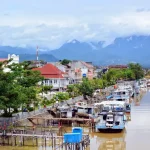
📷 Featured image by Dominic Kurniawan Suryaputra on Unsplash.